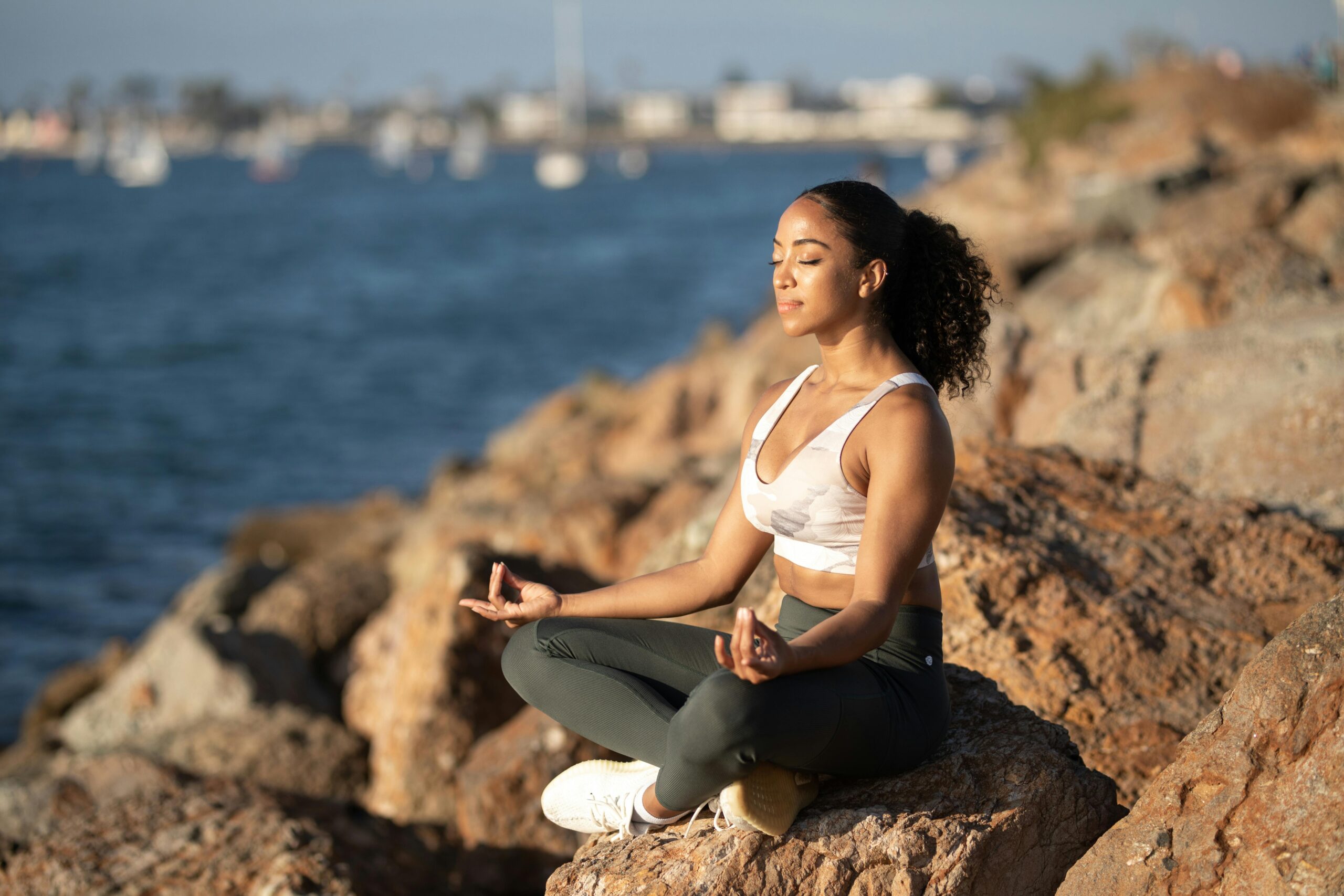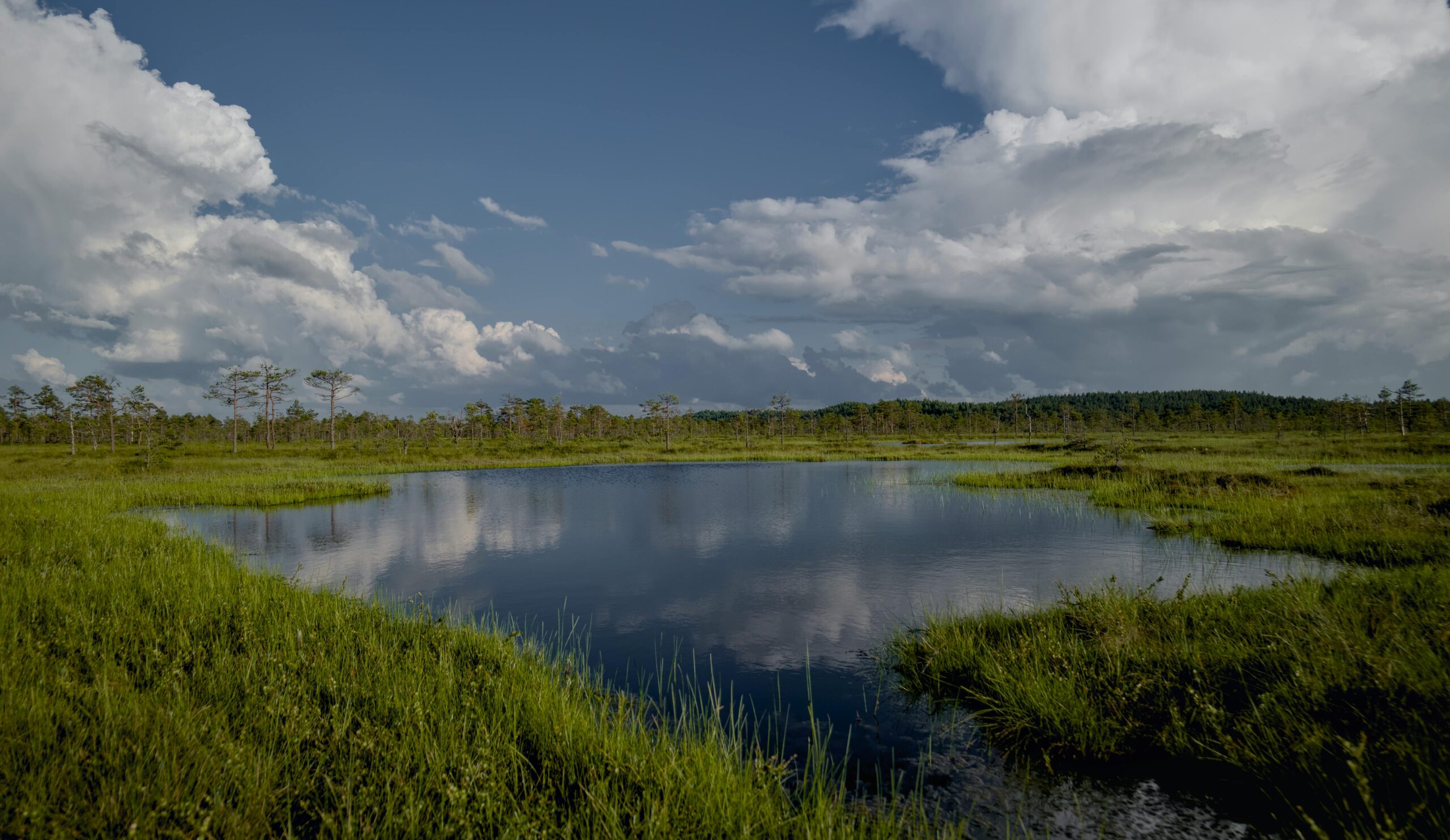
The digital age has transformed how we experience nature, offering virtual escapes that bring the wilderness directly to our screens, creating unprecedented opportunities for connection with the natural world.

🌿 The Evolution of Nature Connection in Modern Times
Our relationship with nature has undergone a dramatic transformation over the past few decades. While previous generations ventured outdoors to experience forests, mountains, and oceans, today’s technology enables us to access these environments through digital platforms. This shift doesn’t represent a disconnection from nature, but rather an evolution in how we engage with the natural world.
The concept of a virtual oasis emerged from our collective need to maintain contact with nature despite increasingly urbanized lifestyles. City dwellers, office workers, and those with limited mobility now have access to nature experiences that were previously impossible or impractical. Digital wilderness experiences range from immersive virtual reality forest walks to live-streamed wildlife cameras positioned in remote locations across the globe.
Research indicates that even digital exposure to natural environments can provide psychological benefits. Studies from environmental psychology demonstrate that viewing nature scenes, whether physical or digital, can reduce stress levels, improve mood, and enhance cognitive function. This scientific validation has sparked a revolution in how we approach nature therapy and environmental wellness in the twenty-first century.
🦋 Virtual Nature Experiences That Transform Daily Life
The digital wilderness manifests in countless forms, each offering unique pathways to natural connection. Virtual reality nature documentaries transport viewers to Antarctic ice shelves, African savannas, and Amazon rainforests with breathtaking realism. These experiences provide educational value while simultaneously offering the psychological restoration associated with nature exposure.
Live wildlife cameras have become increasingly popular, allowing people to observe animals in their natural habitats without disturbing ecosystems. From eagle nests in North America to watering holes in African national parks, these digital windows into wild spaces create meaningful connections between humans and wildlife. Viewers develop emotional investments in animal families they follow, fostering conservation awareness and environmental stewardship.
Nature soundscape applications represent another dimension of the digital wilderness. These platforms offer carefully curated audio environments featuring rainfall, ocean waves, forest ambience, and birdsong. Users integrate these sounds into meditation practices, work routines, and sleep hygiene, bringing natural rhythms into artificial environments.
Augmented Reality: Blending Physical and Digital Nature
Augmented reality technology creates hybrid experiences that overlay digital nature elements onto physical surroundings. These applications can identify plants and animals in real-time, provide educational information about local ecosystems, and even create virtual nature trails in urban environments. This technology enhances rather than replaces outdoor experiences, serving as an educational bridge between people and their local environments.
Educational institutions increasingly incorporate AR nature applications into curriculum, allowing students to explore botanical structures, animal anatomy, and ecological relationships through interactive digital models. This approach makes complex environmental concepts accessible and engaging, particularly for visual learners who struggle with traditional teaching methods.
🌊 The Psychological Sanctuary of Digital Nature Spaces
The therapeutic potential of virtual nature experiences extends far beyond simple entertainment. Mental health professionals now recommend nature-based digital content as part of comprehensive wellness strategies. For individuals experiencing anxiety, depression, or trauma, virtual nature spaces provide safe environments for emotional regulation and stress reduction.
The accessibility factor cannot be overstated. People with physical disabilities, chronic illnesses, or mobility limitations often face significant barriers to outdoor recreation. Digital nature experiences democratize access to wilderness, ensuring that everyone can benefit from nature’s restorative properties regardless of physical capabilities or geographic location.
Hospital systems and healthcare facilities increasingly integrate virtual nature experiences into patient care. Studies show that patients exposed to nature imagery or virtual nature experiences report lower pain levels, reduced anxiety, and faster recovery times. This integration represents a significant shift in how medical professionals understand the relationship between environment and healing.
Building Digital Nature Rituals for Mental Wellness
Creating consistent engagement with digital nature content can establish powerful wellness routines. Morning virtual forest walks, lunchtime wildlife camera check-ins, or evening nature soundscape meditation sessions provide structure and natural connection points throughout the day. These rituals become anchors of calm in otherwise chaotic schedules.
The key to maximizing therapeutic benefits lies in mindful engagement rather than passive consumption. Actively observing details in nature videos, consciously listening to natural sounds, and reflecting on emotional responses to digital nature content deepens the psychological impact and creates meaningful experiences rather than superficial entertainment.
🏞️ Technological Innovations Expanding Virtual Wilderness Access
Emerging technologies continue pushing the boundaries of what’s possible in virtual nature experiences. Haptic feedback systems now allow users to “feel” textures in virtual environments, from tree bark to flowing water. Scent diffusion technology synchronized with visual content adds olfactory dimensions to digital nature, creating multi-sensory immersion.
Artificial intelligence algorithms personalize nature experiences based on user preferences and therapeutic needs. These systems learn which natural environments resonate most strongly with individual users, automatically curating content that maximizes psychological benefit. Machine learning models can even adjust nature soundscapes in real-time based on biometric feedback from wearable devices.
360-degree video technology combined with spatial audio creates unprecedented realism in virtual nature experiences. Users can look in any direction and hear sounds accurately positioned in three-dimensional space, replicating the sensory complexity of physical outdoor environments. This technological sophistication transforms passive viewing into active exploration.
The Role of 5G and Cloud Computing
High-speed connectivity and cloud processing power enable real-time streaming of high-definition nature content from remote locations worldwide. Users can experience sunrise on Mount Everest or midnight in the Serengeti without lag or buffering, making virtual wilderness experiences seamless and immersive. This technological infrastructure democratizes access to places most people will never physically visit.
🌳 Balancing Virtual and Physical Nature Engagement
While celebrating digital nature experiences, maintaining perspective on their role alongside physical outdoor activity remains essential. Virtual wilderness serves best as a complement rather than replacement for direct nature contact. The goal involves using digital tools to enhance rather than substitute authentic outdoor experiences.
For many people, virtual nature experiences serve as inspiration for future physical adventures. Watching wildlife documentaries or exploring virtual national parks often motivates individuals to plan trips to these destinations. Digital content can also prepare people for outdoor activities by familiarizing them with environments, wildlife, and safety considerations before physical visits.
Urban planning increasingly incorporates digital nature elements into public spaces. Interactive nature installations, projection-mapped forests on building facades, and augmented reality nature trails in city parks create hybrid environments that combine physical and digital natural elements. These innovations help bridge the urban-rural divide and bring wilderness consciousness into metropolitan areas.
Creating Personal Nature Technology Boundaries
Establishing healthy boundaries around nature technology use prevents digital overload while maximizing benefits. Designating specific times for virtual nature engagement, alternating between digital and physical nature experiences, and being intentional about technology choices helps maintain balance. The objective involves using digital tools purposefully rather than falling into mindless consumption patterns.
🦅 Conservation Through Digital Connection
Virtual nature experiences create powerful emotional connections that translate into conservation action. People who regularly engage with digital wildlife content demonstrate higher levels of environmental concern and greater willingness to support conservation initiatives. This psychological phenomenon, sometimes called the “digital David Attenborough effect,” demonstrates how virtual experiences can drive real-world environmental protection.
Conservation organizations leverage digital platforms to build global communities around specific species or ecosystems. Virtual adoption programs, live-streamed conservation activities, and interactive educational content create engaged supporter networks that provide crucial funding and advocacy for environmental causes. These digital strategies expand conservation reach far beyond traditional approaches.
Citizen science projects increasingly incorporate digital nature observation platforms. Applications that crowdsource wildlife sightings, plant identifications, and ecosystem monitoring create massive datasets that support scientific research while engaging public participants in conservation efforts. This collaborative approach democratizes environmental science and builds environmental literacy.
🌺 Cultivating Mindfulness Through Virtual Nature Immersion
The intersection of mindfulness practice and digital nature creates powerful opportunities for present-moment awareness and stress reduction. Guided meditation applications incorporating nature imagery and sounds provide accessible entry points for meditation beginners while offering experienced practitioners fresh perspectives on traditional practices.
Virtual nature experiences excel at creating focused attention opportunities in distraction-filled environments. A ten-minute virtual forest walk can serve as a mindfulness reset during a busy workday, providing mental clarity and emotional regulation without requiring physical travel. This practical accessibility makes mindfulness practice sustainable for people with demanding schedules.
The slow, cyclical rhythms inherent in nature content naturally encourage mindful observation. Watching clouds drift across mountain peaks, observing tidal movements, or following seasonal changes in forest ecosystems teaches patience and presence. These qualities transfer to other life areas, improving overall well-being and stress resilience.
🌍 The Global Community of Digital Nature Enthusiasts
Online communities centered around virtual nature experiences create social connections that enhance individual engagement. Forum discussions about favorite wildlife cameras, shared meditation experiences with nature soundscapes, and collaborative virtual nature journaling build relationships around common interests. These communities provide support, accountability, and shared enthusiasm that deepens individual practice.
Social media platforms dedicated to nature content curation help users discover new digital wilderness resources while connecting with like-minded individuals worldwide. These networks facilitate knowledge sharing about technological tools, conservation issues, and personal experiences, creating rich ecosystems of information and support.
Intergenerational engagement around digital nature content creates valuable family bonding opportunities. Grandparents and grandchildren can explore virtual aquariums together, parents and teenagers can compete in nature identification applications, and entire families can participate in virtual nature challenges. These shared experiences build family traditions while fostering environmental awareness across age groups.
🍃 Designing Your Personal Virtual Oasis
Creating an intentional digital nature practice requires thoughtful curation and personal reflection. Begin by identifying which natural environments resonate most strongly with your emotional needs and aesthetic preferences. Some people find ocean environments calming, while others prefer mountain vistas or forest scenes. Understanding personal preferences ensures meaningful engagement.
Building a diverse digital nature library prevents monotony and mirrors the variety inherent in physical nature experiences. Rotate between different ecosystems, seasons, and times of day to maintain freshness and engagement. Seasonal alignment—viewing autumn forest content during fall months, for example—creates connection with natural cycles even in urban environments.
Experiment with different engagement methods to discover what works best for your lifestyle and goals. Some people benefit from scheduled virtual nature sessions, while others prefer spontaneous engagement during stress moments. Active participation through nature journaling, photography of screens, or artistic responses to content deepens the experience beyond passive viewing.
🌟 The Future Landscape of Digital Wilderness
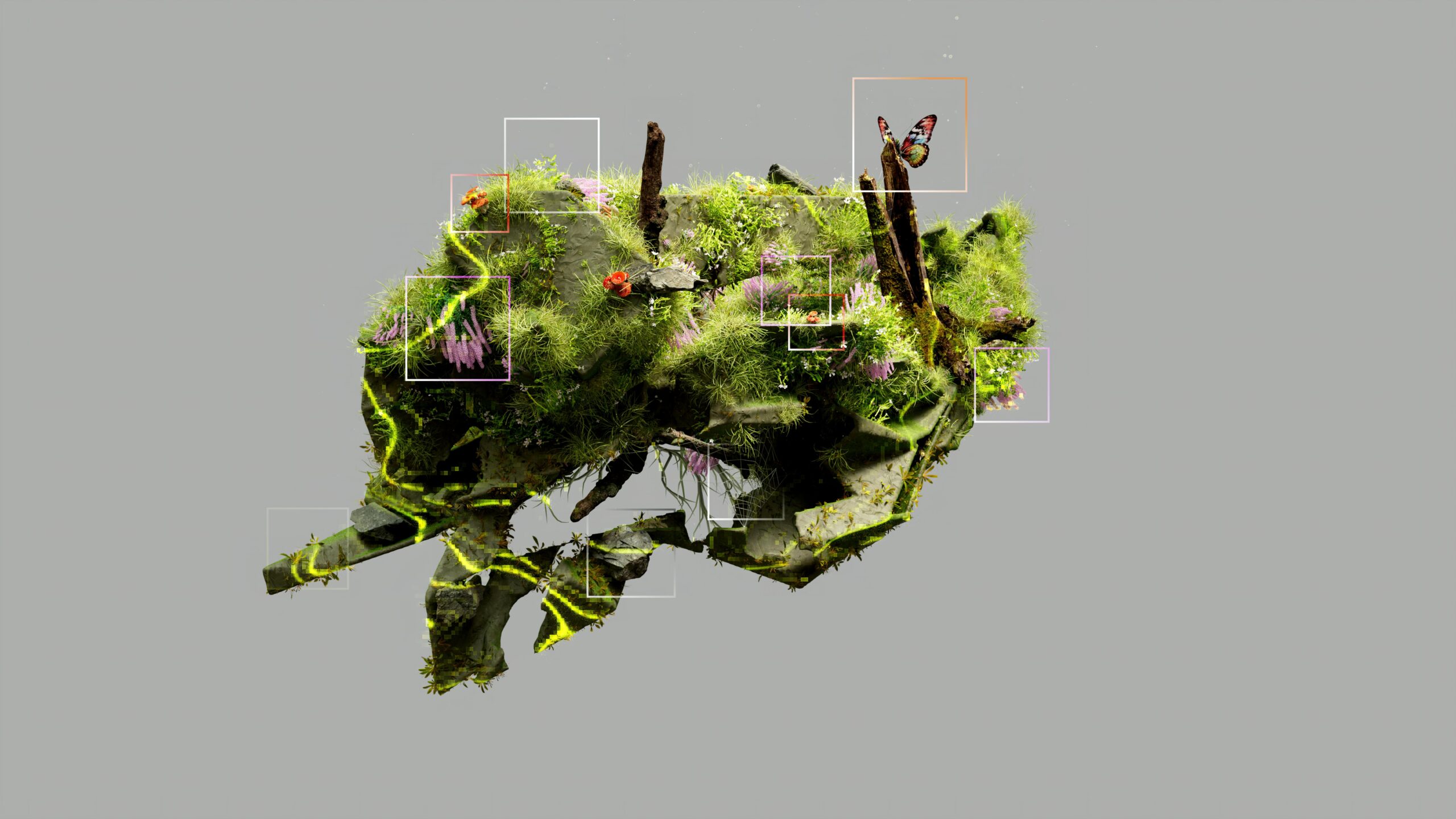
Emerging technologies promise increasingly sophisticated virtual nature experiences in coming years. Brain-computer interfaces may eventually allow direct sensory stimulation that replicates nature experiences with unprecedented realism. Holographic projection technology could bring three-dimensional nature scenes into living spaces, creating immersive environments without special equipment.
The integration of biometric monitoring with nature content delivery will enable responsive experiences that adapt to user states in real-time. Systems might automatically adjust nature content intensity based on stress levels detected through wearable devices, creating personalized therapeutic interventions tailored to immediate needs.
As climate change accelerates, digital preservation of endangered ecosystems becomes increasingly important. Virtual reality archives of threatened environments serve dual purposes: providing access to spaces that may disappear physically while creating powerful advocacy tools that motivate conservation action. These digital time capsules ensure future generations can experience ecosystems that may not survive in physical form.
💚 Embracing the Full Spectrum of Nature Connection
The digital wilderness represents neither threat nor salvation, but rather an additional tool in humanity’s ongoing relationship with the natural world. By approaching virtual nature experiences with intention, balance, and openness, we can harness their benefits while maintaining commitment to physical environmental engagement and conservation.
The most powerful approach integrates digital and physical nature experiences into a comprehensive wellness and environmental stewardship practice. Use virtual content to inspire outdoor adventures, to maintain nature connection during periods when outdoor access is limited, and to deepen understanding of ecosystems you may never physically visit. Let digital tools enhance rather than replace your relationship with the living world.
As we navigate the complexities of modern life, the virtual oasis of digital nature provides refuge, inspiration, and connection. By thoughtfully embracing these technologies while respecting their limitations, we can cultivate a more balanced, mindful, and environmentally conscious existence. The wilderness, whether accessed through hiking boots or digital screens, continues offering the restoration, wonder, and perspective humanity has always found in nature’s embrace.