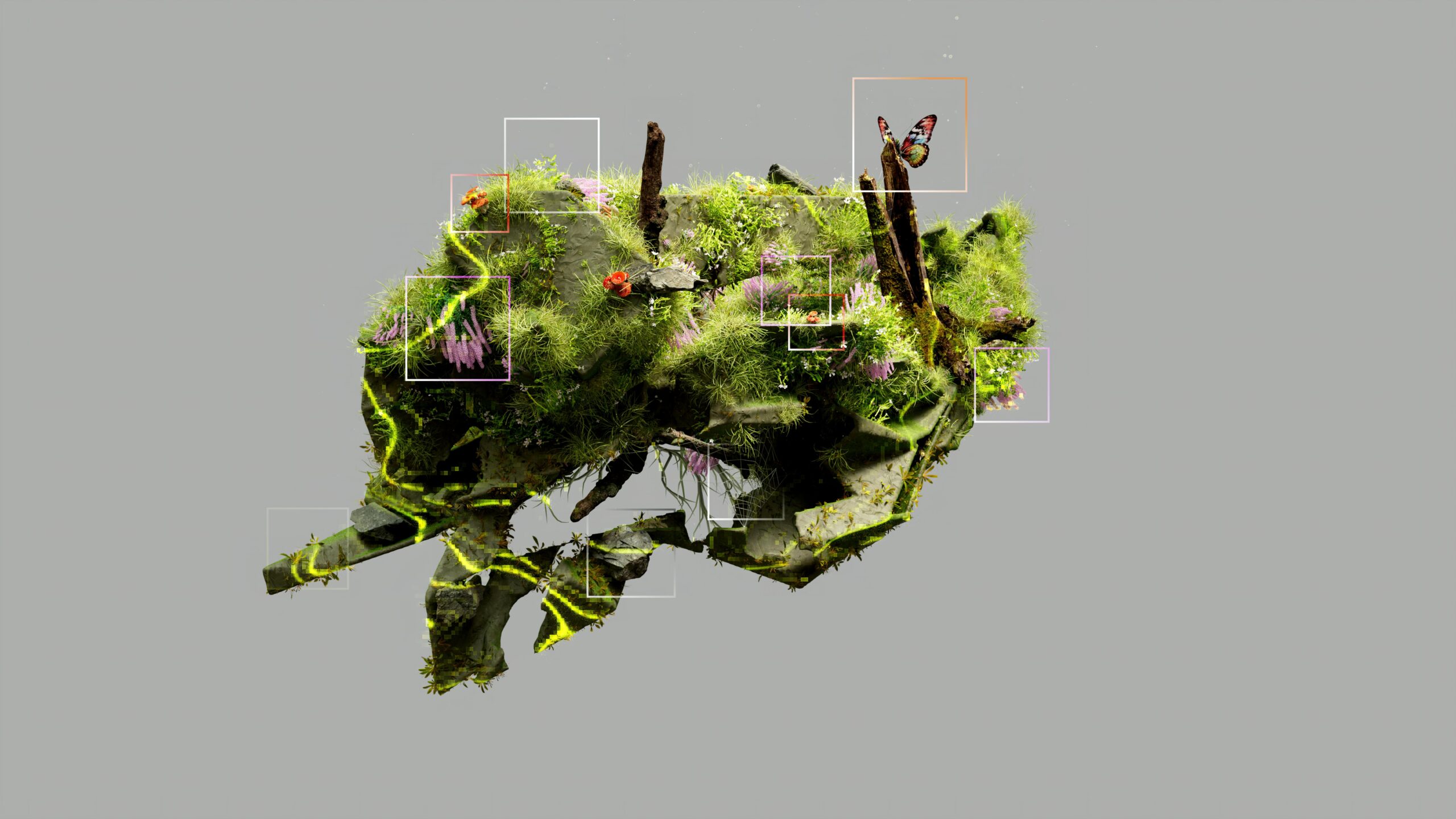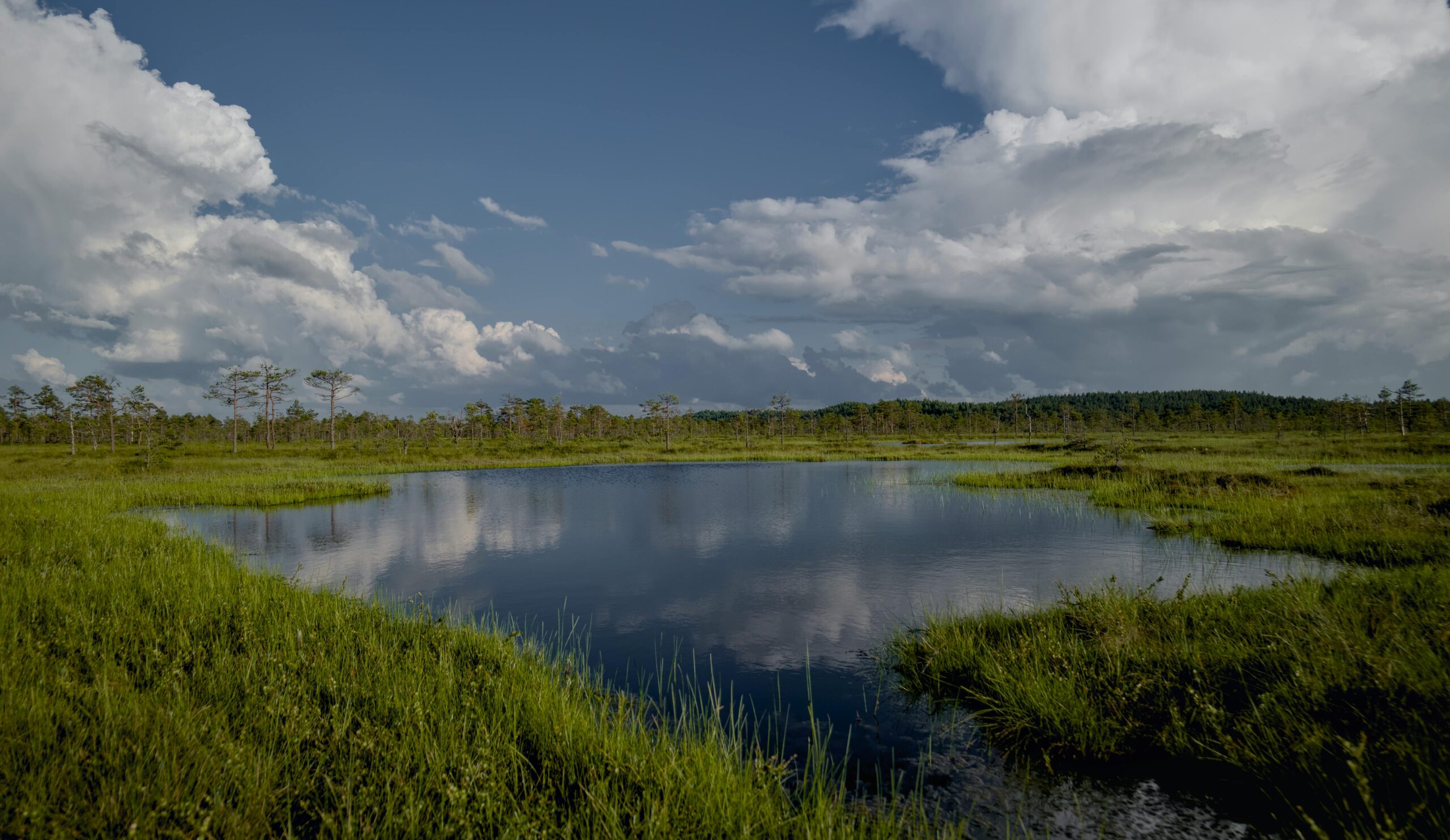
Technology and nature may seem like opposing forces, but artificial intelligence is creating unprecedented opportunities to reconnect humans with the natural world in meaningful, transformative ways.

🌿 The Digital Bridge Between Humanity and Nature
For centuries, humans have been steadily distancing themselves from the natural environment. Urbanization, digital lifestyles, and modern conveniences have created a profound disconnection from the ecosystems that sustain us. Yet paradoxically, the same technologies that pulled us away from nature are now offering innovative pathways back.
Artificial intelligence, machine learning, virtual reality, and smart sensors are revolutionizing how we experience, understand, and protect the natural world. These tools aren’t replacing authentic outdoor experiences—they’re enhancing them, making nature more accessible, comprehensible, and worthy of our protection.
The concept of “nature reimagined” doesn’t mean artificializing the wilderness. Instead, it represents a thoughtful integration of technology that amplifies our awareness, deepens our understanding, and strengthens our emotional bonds with the environment around us.
AI-Powered Species Identification: Nature Recognition at Your Fingertips
One of the most immediate ways technology is reconnecting people with nature is through intelligent species identification applications. These sophisticated tools use computer vision and deep learning algorithms to instantly recognize plants, animals, insects, and birds from simple smartphone photographs.
What once required years of botanical or zoological training now takes seconds. A hiker encountering an unfamiliar wildflower can snap a photo and receive immediate identification, complete with detailed information about the species, its ecological role, and conservation status.
Applications like iNaturalist have transformed casual nature observers into citizen scientists. Users contribute millions of observations annually, creating massive datasets that researchers use to track biodiversity, monitor species migrations, and identify conservation priorities.
The gamification elements in these platforms—earning badges, completing challenges, connecting with communities—tap into human psychology in ways that traditional nature education never could. Suddenly, a walk in the park becomes an exciting expedition of discovery.
Building Knowledge Through Visual Recognition
The educational impact of instant species identification cannot be overstated. When someone learns the name of a tree in their neighborhood, that tree transforms from anonymous greenery into a recognized individual. This naming process is the first step toward relationship-building.
Research in environmental psychology demonstrates that knowledge breeds care. People protect what they understand and value. AI-powered identification tools dramatically lower the barrier to environmental literacy, making expertise accessible to everyone with a smartphone.
🎧 Acoustic Monitoring: Listening to Nature’s Symphony
Sound represents another frontier where AI is deepening our connection with wildlife. Sophisticated audio recognition algorithms can now identify individual bird species, frog calls, whale songs, and even insect sounds with remarkable accuracy.
Applications like BirdNET and Merlin Bird ID allow users to record birdsong and receive instant identifications. For bird enthusiasts, this technology transforms morning walks into educational experiences, helping them develop their auditory identification skills while learning about local avian populations.
Beyond individual learning, these acoustic monitoring tools serve critical conservation functions. Researchers deploy automated recording devices in remote locations, using AI to analyze thousands of hours of audio data to track endangered species, monitor ecosystem health, and detect illegal logging or poaching activities.
The Cornell Lab of Ornithology has pioneered many of these technologies, demonstrating how citizen science and professional research can collaborate through shared platforms. Amateur birders contribute millions of observations that inform scientific understanding of migration patterns, population trends, and habitat requirements.
Virtual Reality: Bringing Inaccessible Ecosystems to Everyone
Not everyone can visit the Amazon rainforest, dive the Great Barrier Reef, or trek through African savannas. Physical limitations, financial constraints, and accessibility barriers prevent millions from experiencing Earth’s most spectacular ecosystems firsthand.
Virtual reality technologies are democratizing these experiences. High-quality VR nature documentaries and interactive environments transport users into ecosystems they might never physically visit, creating emotional connections that inspire conservation action.
Organizations like Conservation International have developed immersive VR experiences featuring celebrity narrators guiding viewers through endangered habitats. These productions generate empathy and understanding in ways that traditional documentaries cannot match.
The Empathy Engine
Neuroscience research reveals that VR experiences activate brain regions associated with actual physical presence. When someone “stands” in a virtual old-growth forest scheduled for logging, their emotional response mirrors what they’d feel in the actual location.
This empathy generation has practical conservation applications. Studies show that VR nature experiences increase pro-environmental behaviors, including donations to conservation organizations, reduced resource consumption, and greater political support for environmental protection.
Educational institutions are incorporating VR nature experiences into curricula, allowing urban students with limited access to wilderness areas to develop environmental awareness and ecological literacy.
🛰️ Satellite Imagery and Environmental Monitoring
AI-enhanced satellite imagery is making environmental changes visible in unprecedented ways. Machine learning algorithms analyze vast quantities of satellite data to track deforestation, monitor coral reef health, identify illegal fishing activities, and measure the impacts of climate change.
Platforms like Global Forest Watch provide real-time forest monitoring, sending alerts when satellite data detects clearing activities. This technology empowers indigenous communities, environmental organizations, and government agencies to respond quickly to environmental threats.
For individual users, applications provide accessible interfaces to this satellite data, allowing anyone to explore environmental changes over time. Watching glacial retreat, urban expansion, or reforestation projects unfold through time-lapse satellite imagery creates visceral understanding of environmental dynamics.
Smart Sensors and IoT: The Internet of Natural Things
The proliferation of affordable sensors is creating networks of environmental monitoring that provide real-time data about natural conditions. Temperature sensors, water quality monitors, air pollution detectors, and wildlife cameras generate continuous streams of information about ecosystem health.
AI algorithms process this sensor data to identify patterns, predict trends, and flag anomalies requiring attention. These systems can detect pollution events, track animal movements, monitor invasive species, and measure the effectiveness of restoration projects.
Backyard Biodiversity Monitoring
Consumer-grade technology is bringing this monitoring capability to individual homes and gardens. Smart bird feeders with built-in cameras use AI to identify visiting species, creating personalized biodiversity reports for homeowners.
These devices gamify conservation, encouraging people to create bird-friendly habitats by showing them exactly which species use their yards. The data also contributes to broader scientific understanding of urban bird populations and habitat preferences.
Water quality sensors allow homeowners to monitor local stream health, contributing data to watershed protection efforts. Air quality monitors help people understand local environmental conditions and make informed decisions about outdoor activities.
🌍 Augmented Reality: Layering Information onto Physical Landscapes
Augmented reality applications overlay digital information onto physical environments, creating enriched nature experiences. Hiking apps display trail information, identify distant mountain peaks, and provide historical context about landscapes.
Museums and nature centers use AR to bring exhibits to life. Visitors can point smartphones at displays to see animated representations of extinct species, watch ecosystems change across seasons, or visualize underground root networks beneath their feet.
Educational AR applications help students understand complex ecological concepts by visualizing invisible processes. Carbon cycles, pollination networks, and predator-prey relationships become comprehensible through interactive 3D visualizations.
AI-Assisted Wildlife Conservation
Artificial intelligence is transforming wildlife conservation through automated monitoring and analysis. Camera traps generate millions of images annually, far too many for humans to manually review. AI classification systems identify species, count individuals, and flag interesting behaviors automatically.
Anti-poaching efforts use predictive algorithms that analyze patterns to anticipate where illegal activities are likely to occur, allowing rangers to deploy resources more effectively. Thermal imaging drones combined with AI detection locate injured animals, track endangered species, and monitor population health.
Protecting Marine Ecosystems
Underwater environments present unique monitoring challenges that AI is helping to address. Autonomous underwater vehicles equipped with cameras and sensors survey coral reefs, with machine learning algorithms assessing coral health, identifying bleaching events, and tracking fish populations.
Acoustic monitoring systems listen for marine mammal vocalizations, providing data about whale and dolphin populations without the disturbance of visual surveys. These technologies reveal the hidden lives of ocean creatures, generating public interest and conservation support.
🌱 Personalized Nature Recommendations
AI-powered applications are making nature more accessible by providing personalized recommendations based on individual interests, abilities, and locations. These systems suggest hiking trails matching fitness levels, identify nearby birding hotspots, or recommend optimal times to observe specific wildlife.
Weather prediction algorithms help outdoor enthusiasts plan activities around optimal conditions. Phenology trackers predict peak wildflower blooms, fall foliage displays, and wildlife migration events, helping people time their outdoor experiences for maximum enjoyment.
Accessibility-focused applications identify nature areas suitable for wheelchairs, strollers, or limited mobility, ensuring that physical limitations don’t prevent nature connection.
Ethical Considerations and Balanced Approaches
While technology offers remarkable tools for nature connection, thoughtful implementation requires addressing potential concerns. Screen time in natural settings can detract from direct sensory experiences if not balanced carefully. The goal should be technology that enhances rather than replaces authentic outdoor engagement.
Privacy considerations arise with wildlife monitoring technologies. Camera traps and tracking devices must be deployed thoughtfully to minimize disturbance and respect both animal welfare and human privacy in shared landscapes.
Data accessibility raises equity questions. Technologies should empower diverse communities rather than creating new barriers based on digital access or technological literacy.
Finding the Right Balance
The most effective approaches integrate technology seamlessly into nature experiences rather than dominating them. Brief species identifications enhance understanding without consuming entire outings. VR experiences inspire in-person visits rather than replacing them. Monitoring data informs conservation action rather than becoming an end in itself.
Environmental educators emphasize using technology as a gateway to deeper nature connection. Initial app-assisted species identifications ideally lead to developing personal recognition skills. Virtual experiences should inspire real-world exploration. Digital communities support but don’t substitute for physical time outdoors.
🔮 Future Horizons: Emerging Technologies
Emerging technologies promise even more profound nature connections. Advanced biosensors may soon allow us to “experience” plant chemical communication or visualize pheromone trails. Haptic feedback systems could simulate textures and sensations of ecosystems we cannot physically visit.
Brain-computer interfaces might eventually create direct neural connections with nature monitoring systems, generating intuitive understanding of ecosystem health. While speculative, these technologies represent the trajectory of human-nature technological integration.
Artificial intelligence will continue improving, providing increasingly sophisticated analysis and prediction. Climate modeling, species distribution forecasting, and ecosystem restoration planning will benefit from enhanced computational capabilities.
Cultivating Digital Nature Stewards
The ultimate goal of technology-enhanced nature connection is cultivating a generation of informed, passionate environmental stewards. By making nature more accessible, comprehensible, and personally relevant, these tools can inspire conservation action at unprecedented scales.
Young people growing up with AI-powered nature apps develop environmental literacy organically. They see biodiversity as personally relevant rather than abstractly important. They understand ecological concepts through interactive experience rather than passive instruction.
This technologically-mediated nature connection doesn’t replace traditional environmental education—it complements and extends it. The combination of direct sensory experience and technological enhancement creates deeper, more durable connections than either approach alone.
🌟 Transforming Perspective Through Innovation
Nature reimagined through technology represents not a replacement for wilderness, but an invitation to engage more deeply with the natural world. These tools remove barriers, answer questions, reveal hidden patterns, and create communities of people who care about environmental protection.
The disconnection between modern humans and nature represents one of our era’s fundamental challenges. Addressing climate change, biodiversity loss, and ecosystem degradation requires populations that understand, value, and advocate for environmental protection. Technology, thoughtfully applied, can help bridge that gap.
As AI and related technologies continue advancing, opportunities for nature connection will only expand. The challenge lies in deploying these tools wisely—enhancing rather than replacing direct experience, empowering rather than overwhelming, inspiring action rather than passive consumption.
The future of human-nature relationships need not be one of increasing separation. Instead, technology can facilitate a renaissance of environmental connection, creating a generation that knows, loves, and protects the natural systems supporting all life on Earth.