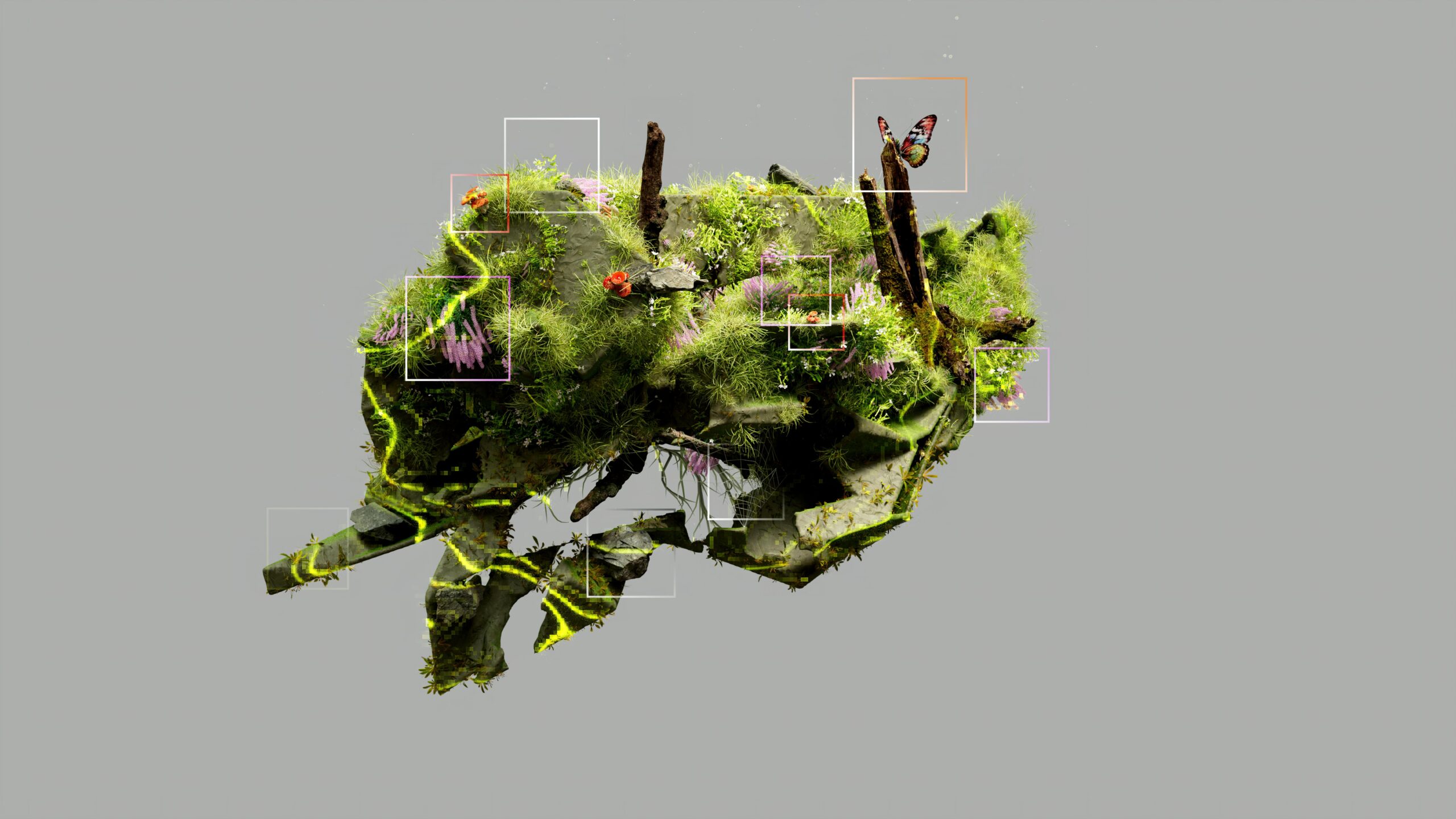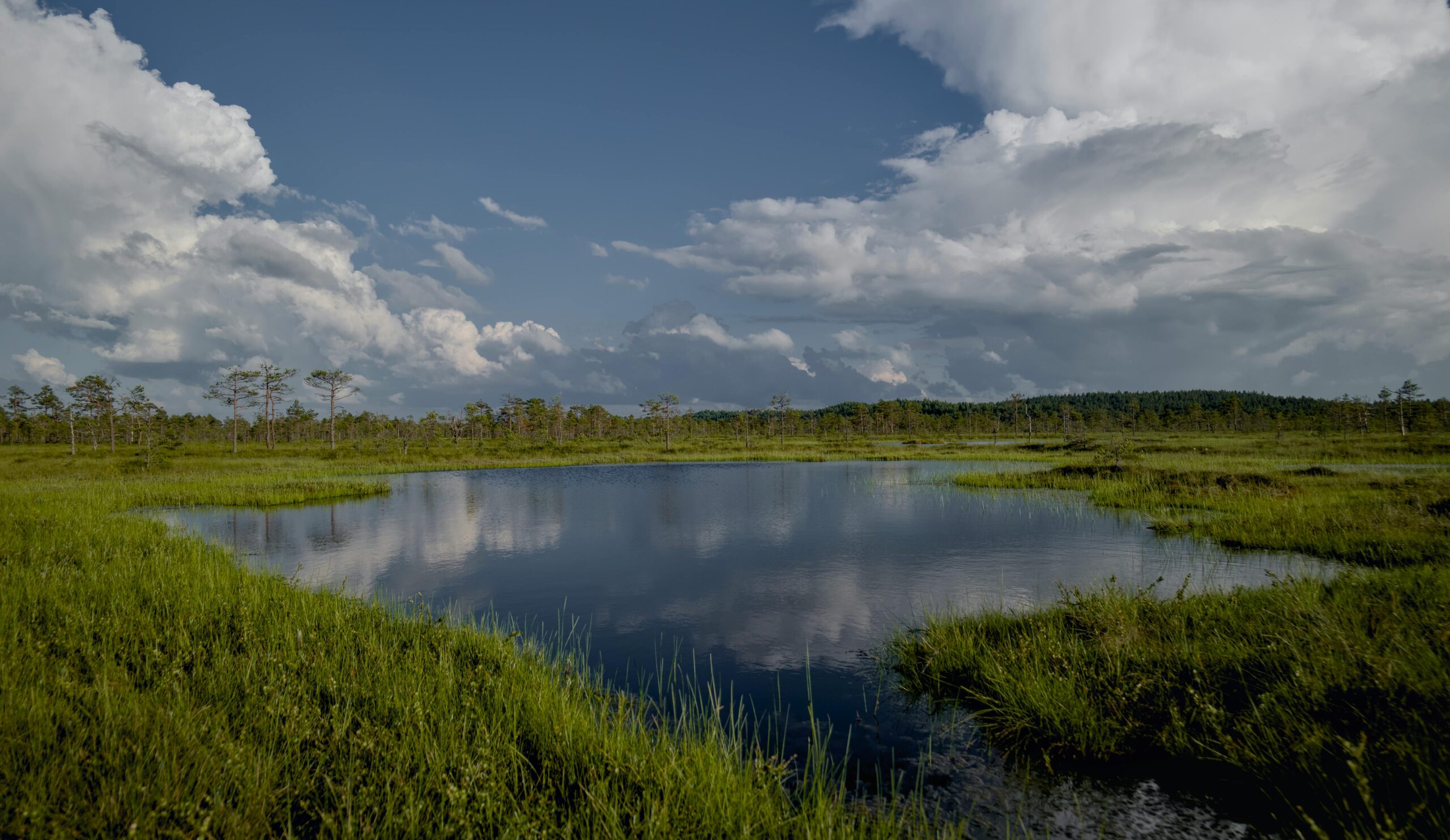
Nature-based interventions are revolutionizing therapeutic and educational practices by reconnecting individuals with the healing power of the natural world. 🌿

In an increasingly urbanized and digitalized society, the disconnect between humans and nature has become a pressing concern for mental health professionals, educators, and healthcare providers. Research consistently demonstrates that exposure to natural environments can significantly improve psychological well-being, cognitive function, and overall health outcomes. This growing body of evidence has sparked a renewed interest in integrating nature-based interventions into therapeutic and educational frameworks, offering promising alternatives and complements to conventional treatment approaches.
The concept of utilizing nature for healing is far from new. Indigenous cultures have long recognized the restorative properties of the natural world, incorporating natural elements into their healing rituals and daily practices. However, modern scientific research is now validating these ancient wisdoms, providing empirical evidence that supports the systematic integration of nature-based interventions across various settings, from clinical therapy rooms to classroom environments.
The Science Behind Nature’s Therapeutic Effects 🧠
Understanding why nature has such profound effects on human well-being requires examining the biological, psychological, and social mechanisms at play. Neuroscientific research reveals that exposure to natural environments activates specific brain regions associated with emotional regulation, stress reduction, and positive mood states. When individuals engage with nature, their parasympathetic nervous system becomes activated, triggering the body’s relaxation response and counteracting the stress-induced fight-or-flight mechanism.
The Attention Restoration Theory, developed by environmental psychologists Rachel and Stephen Kaplan, suggests that natural environments provide a unique form of attention that allows our directed attention capacities to replenish. Unlike urban settings that demand constant focus and vigilance, nature offers “soft fascination” – engaging stimuli that capture attention effortlessly, allowing mental fatigue to dissipate and cognitive resources to restore.
Furthermore, the Stress Reduction Theory posits that humans possess an innate, evolutionary affinity for natural settings. This biophilic tendency means that exposure to nature triggers automatic positive responses, reducing stress hormones like cortisol and lowering blood pressure and heart rate. Studies have shown that even brief encounters with nature – as short as five to ten minutes – can produce measurable physiological benefits.
Neurochemical Changes and Immune Function
Research from Japanese forest therapy practices, known as “shinrin-yoku” or forest bathing, has documented significant increases in natural killer cell activity following nature exposure. These immune cells play crucial roles in fighting infections and cancer cells. Additionally, phytoncides – airborne chemicals released by trees and plants – have been shown to enhance immune function when inhaled during forest walks.
Nature exposure also influences neurotransmitter production, particularly serotonin and dopamine, which regulate mood, motivation, and emotional well-being. Sunlight exposure during outdoor activities helps regulate circadian rhythms and stimulates vitamin D production, both essential for mental health maintenance.
Implementing Nature-Based Interventions in Therapeutic Practice 🌳
Mental health professionals are increasingly incorporating nature-based interventions into their therapeutic repertoires. These approaches range from simple modifications to traditional therapy formats to comprehensive programs centered entirely on natural environments.
Ecotherapy and Wilderness Therapy Programs
Ecotherapy, also known as nature therapy or green therapy, encompasses various treatment modalities that intentionally utilize natural settings to facilitate healing and personal growth. This approach recognizes the therapeutic relationship not only between client and therapist but also between the individual and the natural world.
Wilderness therapy programs immerse participants in outdoor environments for extended periods, typically combining adventure activities, therapeutic processing, and skill development. These intensive interventions have shown remarkable effectiveness for adolescents and young adults struggling with behavioral issues, substance abuse, and emotional difficulties. The challenging yet supportive wilderness context provides opportunities for personal reflection, confidence building, and perspective shifting that are difficult to replicate in conventional clinical settings.
Horticultural Therapy and Therapeutic Gardening
Horticultural therapy utilizes plant-based activities to achieve specific therapeutic goals under the guidance of trained professionals. This evidence-based practice has demonstrated benefits for diverse populations, including individuals with depression, anxiety disorders, post-traumatic stress disorder, and neurodevelopmental conditions.
The hands-on nature of gardening activities provides sensory stimulation, promotes mindfulness, and offers tangible evidence of growth and nurturing – powerful metaphors for personal development. Community gardens and therapeutic landscapes create social connections while providing purposeful activity, addressing both isolation and meaning-making needs common in mental health treatment.
Animal-Assisted Interventions in Natural Settings
Combining animal-assisted therapy with outdoor environments creates synergistic therapeutic effects. Equine-assisted psychotherapy, for example, takes place in natural settings where clients interact with horses to develop emotional awareness, relationship skills, and self-regulation capacities. The authentic, non-judgmental feedback provided by animals in outdoor contexts accelerates therapeutic progress for many individuals.
Nature-Based Education: Transforming Learning Environments 📚
Educational institutions are recognizing that nature-based learning approaches can enhance academic achievement while supporting social-emotional development and physical health. Forest schools, outdoor classrooms, and curriculum-integrated nature experiences are becoming increasingly common worldwide.
The Forest School Movement
Originating in Scandinavia and now spreading globally, forest schools provide child-led, play-based learning in outdoor woodland settings. Regular sessions in natural environments support children’s curiosity, creativity, risk assessment, and resilience. Research indicates that forest school participants demonstrate improved concentration, self-confidence, social skills, and emotional regulation compared to peers in conventional educational settings.
The unstructured nature of forest school experiences allows children to direct their own learning, fostering intrinsic motivation and deep engagement. Natural environments offer endless opportunities for discovery, experimentation, and problem-solving, supporting cognitive development across multiple domains.
Outdoor Classrooms and Green Schoolyards
Schools lacking access to extensive natural areas are creating outdoor classrooms and greening existing schoolyards to incorporate nature-based learning. These modified spaces provide opportunities for hands-on science exploration, outdoor reading areas, vegetable gardens, and natural play structures that encourage physical activity and imaginative play.
Studies show that students in schools with naturalized outdoor spaces demonstrate improved academic performance, particularly in science and environmental studies. Teachers report that outdoor learning sessions reduce behavioral issues and increase student engagement, especially among learners who struggle in traditional classroom environments.
Practical Applications Across Diverse Populations 🌍
Nature-based interventions demonstrate remarkable versatility, with applications across age groups, clinical presentations, and cultural contexts.
Supporting Children with Neurodevelopmental Differences
Children with attention-deficit/hyperactivity disorder, autism spectrum conditions, and sensory processing challenges often experience significant benefits from nature-based interventions. Natural environments provide sensory-rich experiences without the overwhelming stimulation of urban settings, allowing these children to regulate their nervous systems more effectively.
Research indicates that even brief nature exposures can improve attention and reduce hyperactive symptoms in children with ADHD. For autistic children, nature-based settings often feel less socially demanding, reducing anxiety while still providing opportunities for skill development and social interaction at comfortable paces.
Trauma Recovery and PTSD Treatment
Veterans, survivors of violence, and individuals with complex trauma histories have shown positive responses to nature-based therapeutic interventions. The predictability and non-threatening qualities of natural environments can help trauma survivors feel safe enough to engage in therapeutic processing.
Adventure therapy programs incorporating hiking, camping, and challenge courses provide opportunities for trauma survivors to reclaim a sense of agency, competence, and bodily autonomy. The metaphorical elements of navigating wilderness challenges parallel the internal journey of trauma recovery, making abstract therapeutic concepts more concrete and accessible.
Aging Populations and Dementia Care
Older adults, particularly those experiencing cognitive decline, benefit from regular nature exposure through reduced agitation, improved sleep patterns, and enhanced quality of life. Therapeutic gardens designed for dementia care incorporate sensory elements, clear pathways, and familiar plants that stimulate memory and provide safe exploration opportunities.
Nature-based activities offer purposeful engagement for older adults, addressing common challenges of boredom, depression, and social isolation in residential care settings. Gardening, bird watching, and gentle walks in natural areas provide physical activity, cognitive stimulation, and opportunities for reminiscence and social connection.
Overcoming Barriers to Implementation 🚧
Despite compelling evidence supporting nature-based interventions, several obstacles limit widespread adoption in therapeutic and educational contexts.
Access and Equity Considerations
Urban communities and socioeconomically disadvantaged populations often face significant barriers to accessing quality natural spaces. Environmental justice concerns arise when nature-based interventions become available primarily to privileged groups while underserved communities bear disproportionate environmental burdens.
Addressing these disparities requires intentional efforts to create accessible green spaces in urban areas, provide transportation to natural areas, and develop culturally responsive programming that acknowledges diverse relationships with nature. Mobile nature programs, indoor biophilic design elements, and virtual nature experiences can partially address access limitations, though they cannot fully replace authentic outdoor experiences.
Professional Training and Competency Development
Many mental health professionals and educators receive limited training in facilitating nature-based interventions. Specialized competencies include outdoor safety skills, environmental knowledge, risk management, and understanding how to therapeutically process nature experiences.
Professional organizations are beginning to develop certification programs and continuing education opportunities focused on nature-based practice. However, broader integration into graduate training programs remains necessary to normalize these approaches within mainstream professional preparation.
Weather, Safety, and Liability Concerns
Practical concerns about weather conditions, physical safety, and liability can deter organizations from implementing nature-based programs. Developing appropriate protocols, conducting thorough risk assessments, and securing adequate insurance coverage help address these legitimate concerns.
Cultivating a “no such thing as bad weather, only inappropriate clothing” mindset, common in Scandinavian outdoor education, helps reframe weather challenges. Proper preparation and flexible programming allow nature-based interventions to proceed safely across seasons and conditions.
Measuring Outcomes and Demonstrating Effectiveness 📊
As nature-based interventions become more established, rigorous outcome measurement becomes essential for demonstrating effectiveness, securing funding, and refining practices.
Researchers employ diverse methodologies to capture the multidimensional impacts of nature-based interventions, including standardized psychological assessments, physiological measurements, qualitative interviews, and observational protocols. Longitudinal studies tracking sustained benefits beyond immediate program participation provide particularly valuable evidence for long-term effectiveness.
Challenges in outcome measurement include isolating nature exposure effects from other therapeutic elements, accounting for individual differences in nature affinity, and capturing experiential qualities that resist quantification. Mixed-methods approaches combining quantitative metrics with rich qualitative data offer comprehensive understanding of how and why nature-based interventions work.
Technology Integration: Complementing Not Replacing 📱
While nature-based interventions fundamentally prioritize direct outdoor experiences, thoughtful technology integration can enhance accessibility, documentation, and engagement without compromising program integrity.
Nature identification apps, GPS tracking for hiking therapy sessions, and digital photography projects can deepen nature connections rather than distract from them. Virtual reality nature experiences may provide valuable alternatives for individuals with mobility limitations or those lacking access to natural areas, though research continues exploring whether virtual nature produces equivalent benefits to direct exposure.
Mindfulness and meditation apps featuring nature sounds and imagery can extend nature-based therapeutic practices beyond formal sessions, supporting daily integration of nature connection into routine self-care.
Building a Nature-Connected Future 🌱
The growing recognition of nature’s therapeutic and educational potential represents a paradigm shift in how we conceptualize health, learning, and human flourishing. Moving forward requires systemic changes across healthcare, education, urban planning, and environmental policy domains.
Healthcare systems can integrate nature prescriptions – formal recommendations for nature exposure – alongside conventional treatments. Some physicians already prescribe park visits, forest walks, or community garden participation as complementary interventions for conditions ranging from hypertension to depression.
Educational policy can mandate minimum outdoor learning time, prioritize green schoolyard development, and incorporate environmental literacy across curricula. Professional licensing boards can recognize nature-based specializations, encouraging practitioners to develop these competencies.
Urban planning that prioritizes accessible green spaces, preserves natural areas, and creates nature corridors throughout cities ensures that nature-based interventions remain viable across diverse communities. These infrastructure investments yield public health dividends extending far beyond specific therapeutic or educational programs.

Embracing the Healing Partnership Between Humanity and Nature 💚
Nature-based interventions remind us that human well-being cannot be separated from environmental health. As we harness nature’s therapeutic power for individual healing and educational enrichment, we simultaneously cultivate environmental stewardship and ecological awareness that benefit collective planetary health.
The harmony in healing through nature represents not merely a treatment technique but a fundamental reorientation toward recognizing our interdependence with the living world. This perspective shift holds transformative potential for addressing contemporary mental health crises, educational challenges, and environmental degradation simultaneously.
Practitioners, educators, policymakers, and community members all have roles in expanding access to nature-based interventions and protecting the natural systems that make this healing possible. By embracing these approaches, we acknowledge ancient wisdom validated by modern science: nature is not simply a resource to exploit but a partner in supporting human thriving across the lifespan.
The path forward involves continued research, thoughtful implementation, equity-focused access expansion, and cultural transformation that places nature connection at the center of health and education rather than the periphery. As evidence accumulates and awareness grows, nature-based interventions are positioned to become standard rather than alternative approaches, fundamentally reshaping therapeutic and educational landscapes for generations to come.