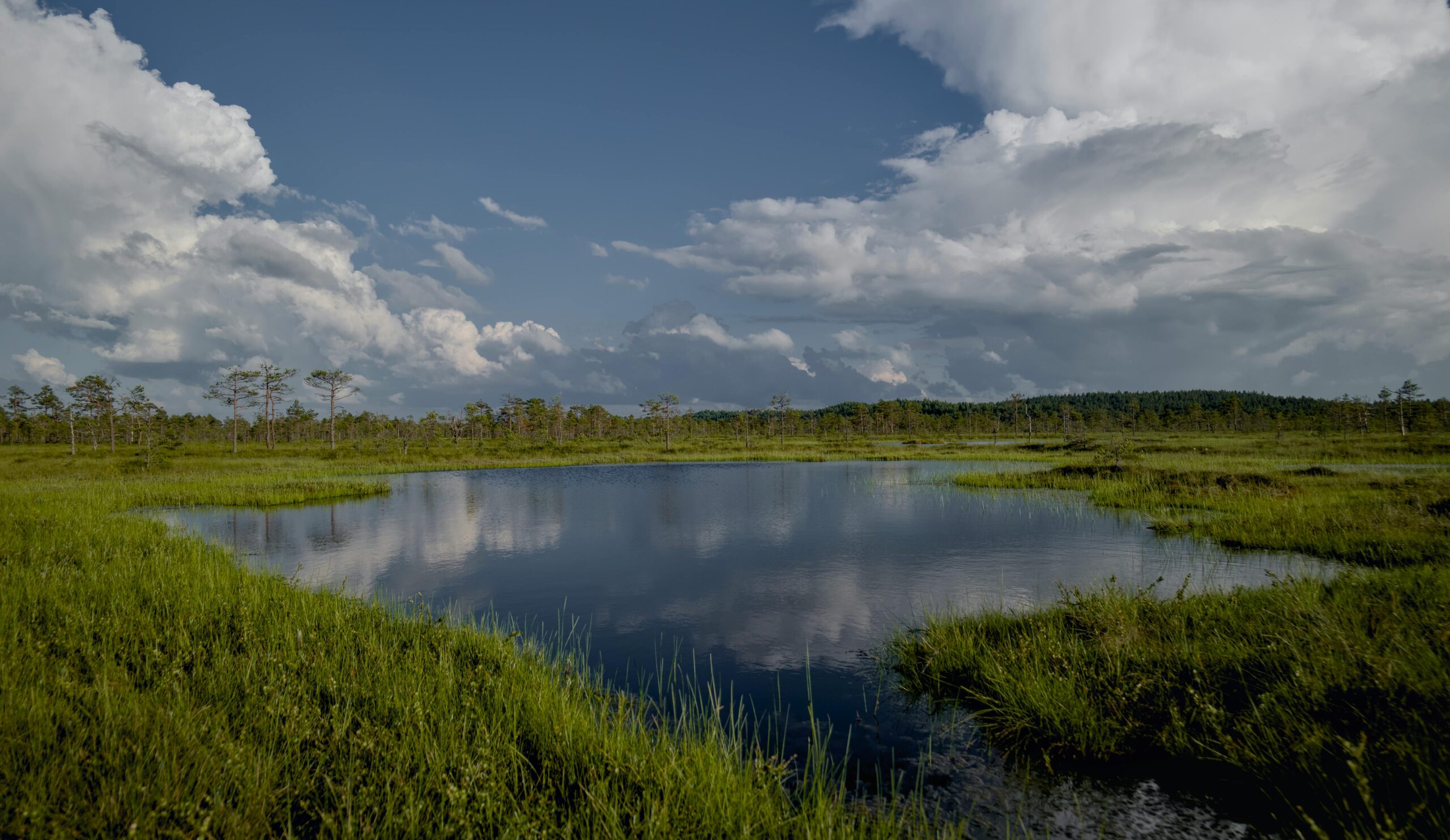
Indigenous worldviews offer profound wisdom for reconnecting humanity with nature, revealing pathways toward ecological balance and spiritual harmony that modern societies desperately need.

🌍 Ancient Wisdom in a Modern Crisis
The environmental challenges facing our planet today—climate change, biodiversity loss, and ecosystem degradation—demand more than technological solutions. They require a fundamental shift in how we perceive our relationship with the natural world. Indigenous communities, who have sustained their environments for millennia, possess knowledge systems that modern civilization is only beginning to recognize as essential for our collective survival.
For thousands of years, Indigenous peoples have maintained a worldview that sees humanity not as separate from nature, but as an integral part of an interconnected web of life. This perspective stands in stark contrast to the dominant Western paradigm that has treated nature as a resource to be exploited. As we face unprecedented ecological crises, the wisdom embedded in Indigenous cultures offers transformative insights for creating sustainable relationships between people and the planet.
The Sacred Web: Understanding Indigenous Cosmologies
Indigenous worldviews typically embrace a holistic understanding of existence where everything possesses inherent value and purpose. This cosmology recognizes that rocks, rivers, plants, animals, and humans are all relatives within a sacred web of relationships. The Lakota phrase “Mitakuye Oyasin”—meaning “all my relations”—encapsulates this profound sense of kinship with all creation.
In Aboriginal Australian culture, the concept of “Country” extends far beyond mere land ownership. Country is a living entity that encompasses landscape, waterways, seasons, animals, plants, and the spiritual realm. People don’t own Country; rather, Country owns them, and they serve as custodians with responsibilities to care for and maintain the health of their territories through ceremonial practices and ecological knowledge passed down through countless generations.
Reciprocity as a Guiding Principle
Central to most Indigenous worldviews is the principle of reciprocity—the understanding that taking from nature requires giving back. This isn’t simply a transactional exchange but a sacred obligation that maintains balance and demonstrates respect for the gifts provided by the Earth. When Indigenous hunters take an animal’s life, they often perform ceremonies of gratitude and ensure that every part of the animal is used respectfully.
The Haudenosaunee (Iroquois) people practice the Thanksgiving Address, a daily recitation that acknowledges and expresses gratitude to all elements of creation, from the grasses to the stars. This practice reinforces the recognition that human survival depends entirely on the gifts provided by the natural world, fostering humility and responsibility rather than entitlement.
🌱 Ecological Intelligence Through Generations
Indigenous communities have developed sophisticated ecological knowledge through careful observation and experimentation spanning millennia. This Traditional Ecological Knowledge (TEK) encompasses detailed understanding of plant and animal behavior, weather patterns, soil composition, water cycles, and ecosystem dynamics that rival—and often exceed—Western scientific understanding in complexity and practical application.
The agricultural practices of Indigenous peoples demonstrate this ecological intelligence brilliantly. The “Three Sisters” planting method used by many Native American tribes involves growing corn, beans, and squash together in a symbiotic relationship. The corn provides a structure for beans to climb, the beans fix nitrogen in the soil to nourish the other plants, and the squash spreads across the ground, retaining moisture and preventing weeds. This polyculture approach creates resilient food systems without depleting soil nutrients.
Fire as Renewal: Indigenous Land Management
Australian Aboriginal peoples have used controlled burning practices for over 65,000 years, creating what some researchers call “fire-stick farming.” These carefully managed fires reduce fuel loads, promote new growth, create habitat diversity, and prevent catastrophic wildfires. When European colonizers suppressed these burning practices, they disrupted ecological patterns that had sustained healthy ecosystems for tens of thousands of years.
Modern fire management agencies are now rediscovering the wisdom of cultural burning, partnering with Indigenous fire practitioners to restore landscapes and reduce wildfire risks. This collaboration represents a growing recognition that Indigenous land management practices offer proven strategies for environmental stewardship that Western approaches have failed to replicate.
The Seventh Generation Principle: Thinking Beyond Ourselves
The Haudenosaunee Great Law of Peace includes a profound directive: that leaders must consider the impact of their decisions on the seventh generation into the future. This principle embodies a temporal consciousness that extends responsibility far beyond individual lifetimes or even multiple human generations, fundamentally challenging the short-term thinking that characterizes much of modern economic and political decision-making.
This long-term perspective naturally leads to sustainable practices because it requires careful consideration of how current actions will affect descendants who will inherit the consequences of today’s choices. When compared to quarterly profit reports and election cycles, the seventh generation principle offers a radically different framework for evaluating progress and success.
🌊 Water as Relative: Reimagining Resource Management
In many Indigenous cultures, water is not viewed as a resource to be commodified but as a living relative deserving of respect and protection. The Māori people of New Zealand successfully fought for legal personhood status for the Whanganui River, recognizing it as an ancestor with rights that must be protected. This legal recognition represents a revolutionary shift in how environmental protection can be conceptualized within modern legal frameworks.
The Anishinaabe people refer to water as “nibi,” understanding it as the lifeblood of Mother Earth. Women in particular serve as traditional water keepers, with ceremonies and responsibilities centered on protecting and honoring water. This gendered relationship with water acknowledges the parallel life-giving properties of water and women, creating spiritual and practical frameworks for water protection.
Healing Contaminated Waters
Indigenous communities often face disproportionate impacts from water contamination due to industrial activities on or near their territories. Despite these challenges, many communities maintain ceremonies and practices aimed at healing polluted waters, combining spiritual approaches with advocacy for environmental cleanup and stronger protections. These efforts demonstrate the resilience of Indigenous water protection traditions even in the face of significant environmental degradation.
Place-Based Knowledge and Biodiversity Conservation
Indigenous territories comprise approximately 22% of the Earth’s land surface but contain 80% of the planet’s remaining biodiversity. This striking correlation is not coincidental—it reflects the effectiveness of Indigenous stewardship practices in maintaining ecosystem health and diversity. The intimate, place-based knowledge that Indigenous peoples possess about their territories enables adaptive management strategies that respond to local ecological conditions and changes.
Unlike universal conservation approaches that apply standardized methods regardless of local context, Indigenous conservation is deeply rooted in specific places, informed by generations of observation and relationship-building with particular landscapes and species. This localized knowledge includes understanding of plant medicine, animal migration patterns, seasonal indicators, and subtle environmental changes that might go unnoticed by outside observers.
🦅 Lessons for Modern Sustainability Movements
As global sustainability efforts struggle to achieve meaningful progress, Indigenous worldviews offer critical insights that could transform environmental movements. The first lesson is perhaps the most challenging for modern societies: we must fundamentally rethink the human-nature relationship, moving from domination and extraction toward partnership and reciprocity.
This transformation requires more than superficial changes or greenwashing. It demands examining and dismantling the philosophical foundations of industrial civilization that position humans as separate from and superior to nature. Indigenous worldviews challenge this hierarchy, instead proposing a horizontal network of relationships where humans have distinct roles but not elevated status.
Integrating Indigenous Knowledge with Conservation Science
Progressive conservation initiatives increasingly recognize the value of integrating Traditional Ecological Knowledge with Western scientific approaches. These collaborations work best when Indigenous peoples are not merely consulted but empowered as equal partners and decision-makers in conservation efforts affecting their territories. Successful examples include co-management agreements for protected areas, Indigenous-led monitoring programs, and research partnerships that respect Indigenous intellectual property rights.
The complementary nature of Indigenous knowledge and Western science becomes apparent in these collaborations. While science excels at analyzing mechanisms and testing hypotheses, Indigenous knowledge provides long-term observational data, holistic understanding of ecosystem relationships, and proven management strategies refined over centuries. Together, these knowledge systems create more robust approaches to conservation challenges.
Reconnecting Through Ceremony and Story
Indigenous worldviews maintain strong connections to nature through ceremony, story, and ritual that embed ecological knowledge within cultural practice. These aren’t merely symbolic activities but practical mechanisms for transmitting ecological understanding, reinforcing ethical relationships with nature, and maintaining spiritual connections that motivate environmental stewardship.
Stories in Indigenous cultures often feature animals and natural elements as teachers and relatives, creating narrative frameworks that foster empathy and respect for non-human beings. When children grow up hearing stories where bears, ravens, or rivers are characters with agency and wisdom, they develop different attitudes toward these beings than children taught to view them merely as resources or objects.
🌿 Practical Applications for Individual Transformation
While systemic change remains essential, individuals can begin incorporating Indigenous-inspired perspectives into their daily lives. Practices of gratitude—acknowledging the sources of our food, water, and shelter—can shift consciousness from entitlement to appreciation. Even simple acts like thanking the plants in your garden or acknowledging the land’s original inhabitants can begin cultivating more mindful relationships with place and nature.
Learning about the Indigenous peoples whose traditional territories you inhabit represents another important step. Understanding the history, ongoing presence, and perspectives of Indigenous communities in your region creates context for your own relationship with the land and can inspire support for Indigenous sovereignty and environmental protection efforts.
Developing Place-Based Relationships
Indigenous approaches emphasize deep knowledge of specific places rather than generic environmental concern. Cultivating this place-based connection might involve regular observation of a particular landscape, learning the names and characteristics of local plants and animals, tracking seasonal changes, and understanding local watershed dynamics. This focused attention develops the kind of intimate knowledge that naturally leads to protective care.
Confronting Historical and Ongoing Injustices
Any genuine engagement with Indigenous worldviews must acknowledge the historical and ongoing violence, displacement, and cultural suppression that Indigenous peoples have endured. Colonial processes actively worked to destroy Indigenous relationships with land and suppress traditional practices, often through forced removal, residential schools, and legal prohibitions against ceremonies and languages.
Contemporary environmental movements must support Indigenous land rights, sovereignty, and self-determination as fundamental aspects of sustainability work. This includes opposing projects that threaten Indigenous territories without consent, supporting Indigenous-led conservation initiatives, and recognizing Indigenous peoples as rights-holders rather than mere stakeholders in decisions affecting their lands.
🔄 Circular Economies and Indigenous Design Principles
The circular economy concept promoted as an alternative to linear “take-make-dispose” systems actually reflects principles that Indigenous societies have practiced for millennia. Traditional Indigenous material cultures typically involved using renewable resources, creating durable goods, repairing rather than replacing items, and ensuring that materials returned to the earth at the end of their useful life.
Indigenous design principles emphasized elegance and efficiency, creating tools and structures that served their purposes with minimal material use and environmental impact. This approach contrasts sharply with the planned obsolescence and wasteful consumption patterns of modern industrial economies, offering models for genuinely sustainable production and consumption systems.
Pathways Forward: Decolonizing Environmental Movements
For Indigenous worldviews to genuinely inform sustainability efforts, environmental movements must undergo decolonization—critically examining how colonial assumptions and power structures continue shaping conservation and environmental work. This includes questioning who controls environmental decision-making, whose knowledge is valued, and how conservation initiatives impact Indigenous communities.
Decolonization also means recognizing that environmental justice and Indigenous justice are inseparable. Supporting Indigenous rights to land, self-governance, and cultural practice is environmental work because Indigenous stewardship has proven effective at protecting ecosystems. Conversely, environmental protection that displaces or excludes Indigenous peoples perpetuates colonial violence while typically resulting in less effective conservation outcomes.

🌟 Rekindling the Sacred: Spiritual Dimensions of Sustainability
Perhaps the most radical contribution of Indigenous worldviews is reintroducing spiritual dimensions to environmental discourse. Modern environmentalism often focuses exclusively on material and scientific aspects, avoiding spiritual language that might seem unscientific or religious. However, Indigenous perspectives suggest that sustainable relationships with nature require not just practical changes but transformations in consciousness, values, and spiritual orientation.
Recognizing nature as sacred doesn’t require adopting specific religious beliefs but rather acknowledging that the natural world possesses intrinsic value beyond its utility to humans. This sacredness manifests in the sense of awe, wonder, and reverence that many people experience in wild places—feelings that Indigenous worldviews cultivate and center as essential aspects of environmental ethics.
The journey toward sustainable harmony between humanity and nature is also a journey inward, requiring us to examine and transform the beliefs, values, and assumptions that shape how we live on this planet. Indigenous worldviews offer guideposts for this journey, pointing toward ways of being that honor our kinship with all life and recognize our responsibility to future generations. By humbly learning from these ancient yet living traditions, humanity may yet discover the wisdom needed to create a flourishing, balanced world.