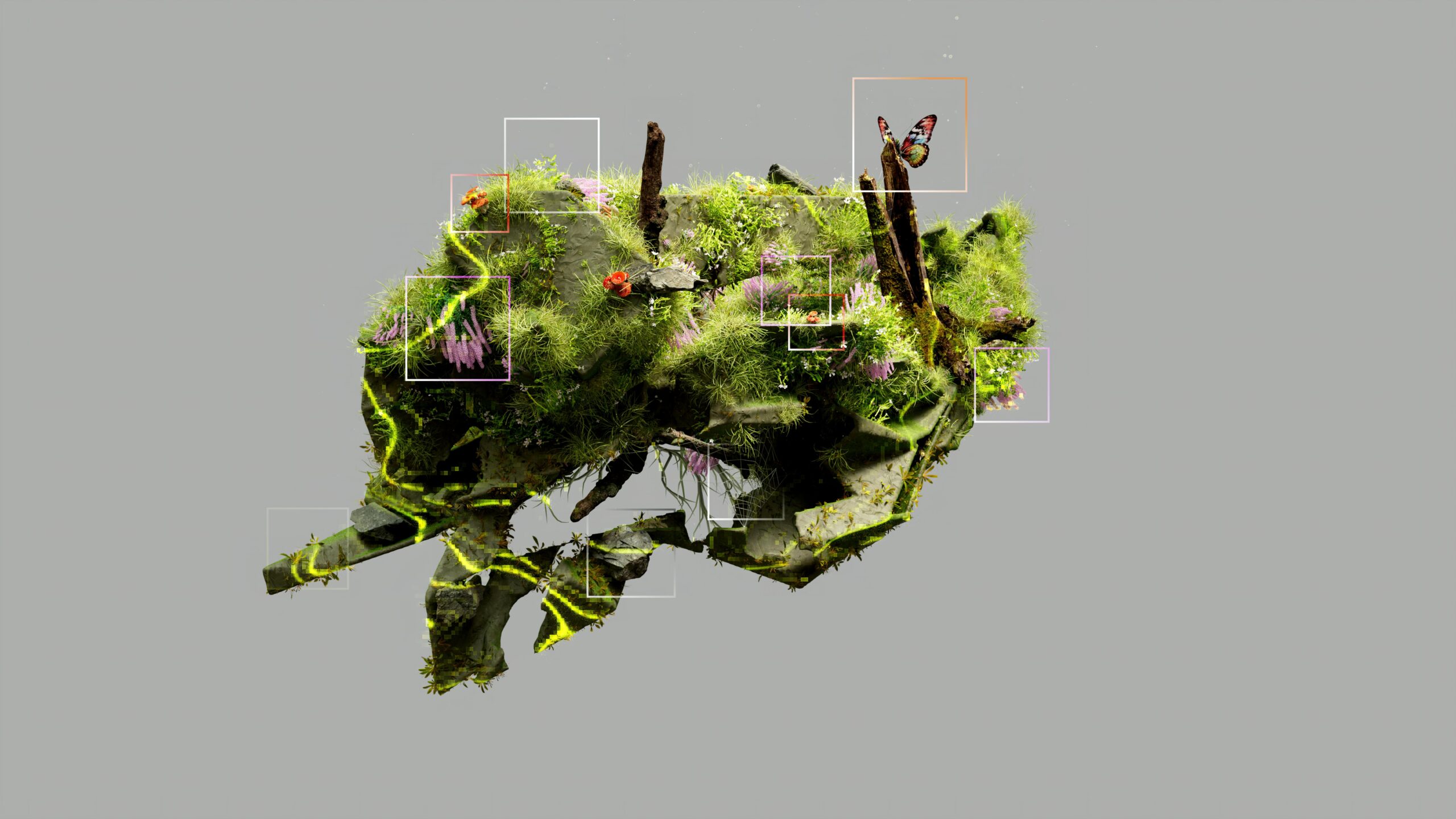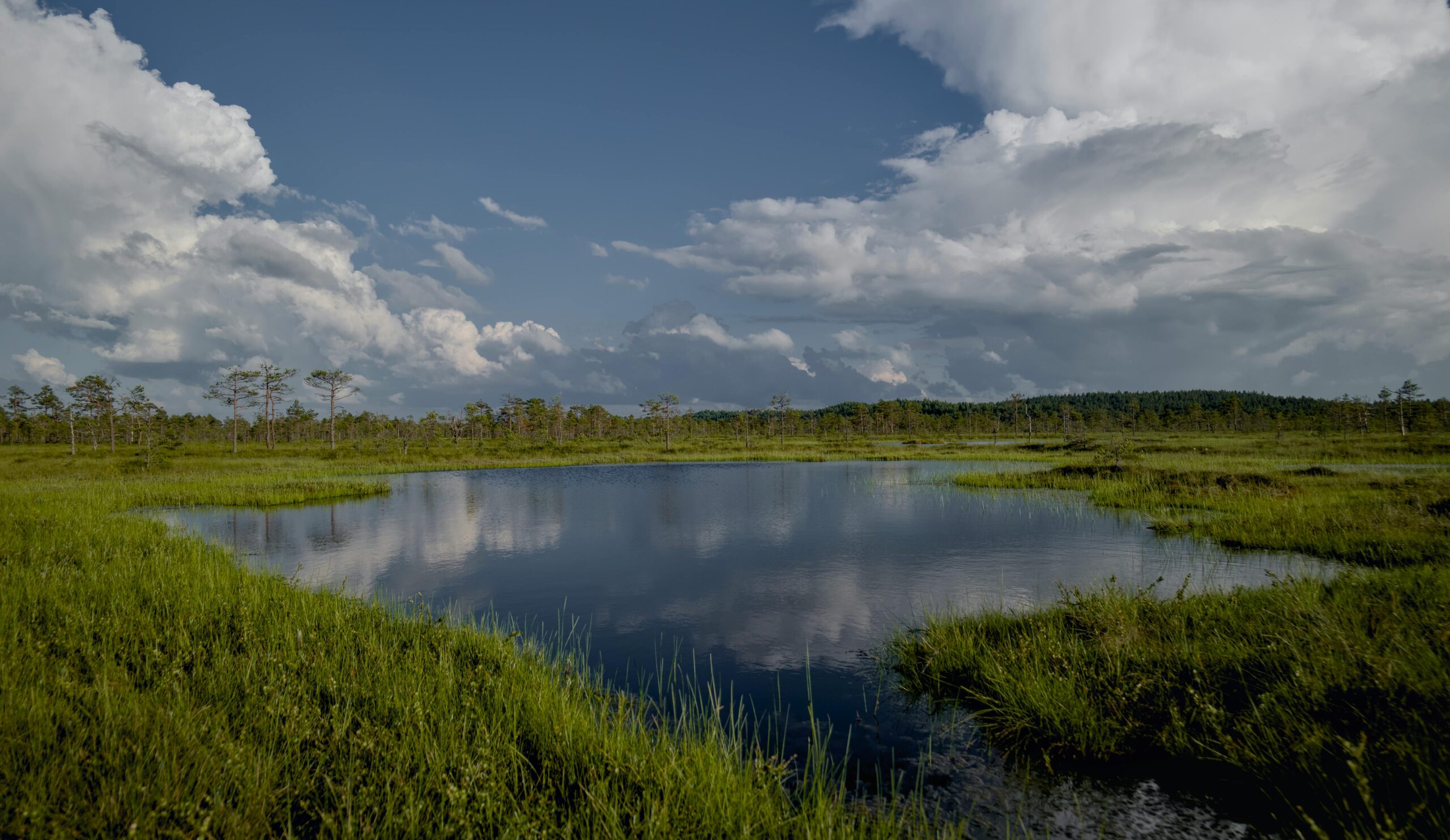
The digital revolution has fundamentally transformed how humanity interacts with the natural world, creating unprecedented opportunities for ecological awareness and environmental stewardship in our interconnected age.

🌍 Bridging Two Worlds: Technology Meets Nature
We stand at a fascinating crossroads in human history where silicon circuits and forest ecosystems are no longer opposing forces but complementary elements of a larger integrated system. The traditional narrative of technology versus nature has evolved into something far more nuanced and promising—a symbiotic relationship where digital innovation amplifies our capacity to understand, protect, and harmonize with the natural world.
This transformation didn’t happen overnight. It emerged gradually as smartphones became ubiquitous, internet connectivity reached remote wilderness areas, and environmental consciousness permeated mainstream culture. Today, a hiker can identify plant species using artificial intelligence, urban dwellers monitor air quality through sensor networks, and conservation efforts leverage satellite imagery and big data analytics to protect endangered habitats.
The evolution of this human-nature symbiosis in the digital age represents more than technological advancement—it signifies a fundamental shift in human consciousness. We’re witnessing the emergence of what researchers call “technobiophilia,” an intrinsic attraction to both digital innovation and natural environments, recognizing that these two realms can enhance rather than diminish each other.
📱 Digital Tools Awakening Environmental Consciousness
Mobile applications have become powerful gateways connecting millions to nature in ways previously unimaginable. These digital platforms transform casual observers into citizen scientists, enabling real-time contributions to environmental research and conservation projects worldwide.
Nature identification apps have democratized ecological knowledge, placing expert-level botanical and zoological information in everyone’s pocket. Applications like iNaturalist, Seek, and PlantNet use computer vision and machine learning to identify species from photographs, creating vast crowdsourced databases that scientists use to track biodiversity patterns, invasive species spread, and climate change impacts.
Beyond identification, meditation and mindfulness apps increasingly incorporate natural soundscapes and guided outdoor experiences, encouraging users to disconnect from screens while paradoxically using those same screens as bridges to nature. This apparent contradiction actually represents sophisticated understanding of modern behavioral patterns—meeting people where they are digitally to guide them toward meaningful physical engagement with natural environments.
The Rise of Environmental Gaming and Gamification 🎮
Gamification strategies have proven remarkably effective in fostering pro-environmental behaviors. Applications reward users for sustainable choices—walking instead of driving, reducing energy consumption, recycling properly, or participating in community clean-up events. These digital incentive systems tap into human psychology, creating positive feedback loops that reinforce ecological awareness and responsible action.
Pokemon GO inadvertently demonstrated the potential of augmented reality to drive massive outdoor engagement, getting millions of typically sedentary people walking through parks, trails, and natural spaces. This unexpected environmental benefit inspired intentional “eco-games” designed specifically to foster nature connection while promoting conservation values and ecological literacy.
🛰️ Big Data and the New Environmental Intelligence
The proliferation of environmental sensors, satellite networks, and IoT devices has created an unprecedented stream of ecological data. This information revolution enables real-time monitoring of environmental conditions at scales ranging from individual gardens to entire planetary systems.
Precision agriculture exemplifies this data-driven approach, using satellite imagery, soil sensors, and weather prediction algorithms to optimize crop yields while minimizing water consumption, fertilizer use, and environmental impact. Farmers can now make informed decisions based on precise information about microclimates, soil moisture levels, and plant health indicators, representing a dramatic departure from traditional agricultural practices.
Urban environments benefit equally from environmental data networks. Smart city initiatives deploy sensor arrays measuring air quality, noise pollution, temperature variations, and green space utilization. This information guides policy decisions, infrastructure development, and public health interventions, creating cities that function more harmoniously within ecological constraints.
Artificial Intelligence as Environmental Guardian
Machine learning algorithms now analyze vast environmental datasets to identify patterns invisible to human observers. AI systems predict wildfire risks, detect illegal deforestation activities, identify wildlife trafficking operations, and forecast climate impacts with increasing accuracy. These digital intelligence systems augment human environmental stewardship, functioning as tireless guardians of ecological integrity.
Conservation organizations deploy AI-powered acoustic sensors in rainforests and oceans, continuously monitoring soundscapes to track biodiversity, detect poaching activity, and assess ecosystem health. These automated systems process years of audio data in hours, identifying species presence, population changes, and environmental threats that would require impossible amounts of human labor to detect manually.
🌱 Virtual Nature: Threat or Gateway?
Critics legitimately worry that digital nature experiences might substitute for authentic outdoor engagement, particularly among younger generations. High-definition nature documentaries, virtual reality wilderness experiences, and immersive digital environments offer compelling simulations that raise important questions about the relationship between virtual and physical nature experiences.
However, research increasingly suggests that virtual nature exposure functions as a gateway rather than a substitute. Studies indicate that digital nature content often increases rather than decreases interest in outdoor activities and environmental issues. Virtual experiences provide accessible entry points for people with mobility limitations, economic constraints, or geographic isolation from wild spaces.
The key lies in intentional design—creating digital nature experiences that inspire physical engagement rather than replace it. Effective platforms use virtual elements as educational tools, motivation systems, or planning resources that ultimately guide users toward tangible nature connection. This approach recognizes digital and physical experiences as complementary rather than competing.
💚 Social Media and the Democratization of Environmental Advocacy
Digital platforms have transformed environmental advocacy from the domain of specialized organizations to a participatory movement engaging millions of ordinary citizens. Social media enables rapid mobilization around environmental issues, creating pressure that influences corporate behavior and policy decisions.
Hashtag campaigns raise awareness about environmental challenges, viral videos expose ecological destruction, and crowdfunding platforms finance grassroots conservation projects. This democratization of advocacy means that anyone with a smartphone can document environmental issues, share solutions, and participate in collective action for ecological protection.
Influencer culture, often criticized for promoting consumption, increasingly embraces sustainability messaging. Environmental influencers with massive followings normalize eco-conscious lifestyles, demonstrate sustainable practices, and make environmental stewardship aspirational rather than sacrificial. This cultural shift, amplified through digital networks, represents significant potential for behavioral change at scale.
Building Digital Communities Around Nature Connection
Online communities centered on hiking, birdwatching, gardening, and conservation create supportive networks that reinforce nature connection. These digital spaces facilitate knowledge sharing, coordinate group activities, and provide social motivation for sustained environmental engagement. Members encourage each other, celebrate achievements, and collaboratively solve problems related to environmental stewardship.
These communities often transcend geographic boundaries, connecting people with shared interests across continents while simultaneously fostering local action. A gardener in Tokyo might learn techniques from someone in Berlin, then apply those methods to create habitat for local pollinator species, exemplifying how digital connection enables locally-relevant action informed by global knowledge exchange.
🔬 Citizen Science: Crowdsourcing Environmental Research
The marriage of digital technology and environmental science has birthed powerful citizen science initiatives where non-professionals contribute meaningful data to research projects. These programs leverage collective human observation capacity, creating research scales impossible through traditional scientific funding and staffing.
Projects like eBird collect millions of bird observations annually from amateur birders worldwide, creating datasets that inform migration pattern analysis, population trend identification, and conservation priority setting. Similar initiatives track butterfly populations, monitor water quality, document phenological changes, and assess light pollution levels, all powered by volunteer contributions facilitated through digital platforms.
This participatory research model benefits both science and participants. Researchers gain valuable data while citizens develop scientific literacy, deepen nature connection, and experience the satisfaction of contributing to meaningful environmental knowledge. The educational component proves particularly valuable, transforming passive consumers into active learners engaged with real scientific processes.
⚡ The Dark Side: Digital Technology’s Environmental Footprint
Honest examination of technology-nature symbiosis requires acknowledging the significant environmental costs of digital infrastructure. Data centers consume enormous amounts of electricity, often generated from fossil fuels. Smartphone production requires rare earth minerals extracted through environmentally destructive mining operations. Electronic waste represents a growing pollution challenge, with toxic components contaminating ecosystems when improperly discarded.
The energy demands of cryptocurrency mining, artificial intelligence training, and cloud computing continue escalating, raising legitimate questions about whether digital solutions create more environmental problems than they solve. Streaming video—including nature documentaries—generates substantial carbon emissions through data transmission and server operation.
However, this footprint must be evaluated contextually. Digital technologies enable dematerialization—replacing physical products with digital alternatives—reducing overall resource consumption. Remote work facilitated by digital communication reduces transportation emissions. Precision resource management enabled by sensors and AI decreases waste across industries. The environmental balance sheet of digital technology is complex, requiring nuanced assessment rather than simplistic rejection or acceptance.
Toward Sustainable Digital Infrastructure
The tech industry increasingly recognizes its environmental responsibility, with major companies committing to renewable energy, circular economy principles, and carbon neutrality. Innovations in energy-efficient computing, sustainable materials, and electronic recycling represent progress toward minimizing digital technology’s ecological impact.
Users also play crucial roles through device longevity, responsible disposal, and conscious consumption of digital services. The emergence of “digital minimalism” and “sustainable tech” movements reflects growing awareness that our relationship with technology requires intentionality to align with environmental values.
🌐 Reimagining Human Identity in a Connected Ecosystem
Perhaps the most profound aspect of human-nature symbiosis in the digital age involves fundamental shifts in human self-conception. Digital connectivity reveals our embeddedness within vast ecological networks, making visible interdependencies that remained abstract in pre-digital consciousness.
Real-time environmental data makes planetary-scale processes tangible and personal. We can observe deforestation rates, track ocean plastic accumulation, monitor glacier retreat, and witness biodiversity loss with immediacy that transforms abstract environmental issues into visceral realities. This transparency fosters what psychologists call “ecological identity”—self-understanding that incorporates environmental connection as central rather than peripheral to human experience.
Indigenous knowledge systems, which have long recognized human-nature interdependence, find validation and amplification through digital platforms. Traditional ecological knowledge combines with scientific data and technological tools, creating hybrid approaches that honor ancestral wisdom while leveraging contemporary capabilities. This synthesis represents promising territory for developing more sustainable and respectful relationships with natural systems.
🚀 Future Horizons: Emerging Possibilities
Looking forward, emerging technologies promise even deeper integration between human activity and ecological systems. Synthetic biology might enable living buildings that photosynthesize, clean air, and adapt to environmental conditions. Advanced materials science could produce completely biodegradable electronics. Neural interfaces might eventually enable direct perception of environmental data streams, fundamentally altering human sensory experience of natural systems.
Blockchain technologies enable transparent supply chains, allowing consumers to verify environmental claims and support genuinely sustainable producers. Digital twins—virtual replicas of physical ecosystems—let researchers model intervention impacts before implementing changes, reducing ecological risk through simulation.
The metaverse and extended reality technologies raise intriguing questions about future nature relationships. Will immersive virtual environments satisfy biophilic needs or intensify desire for authentic outdoor experiences? Can digital nature spaces serve therapeutic functions while directing resources toward physical habitat protection?
🌿 Cultivating Wisdom in the Digital-Natural Interface
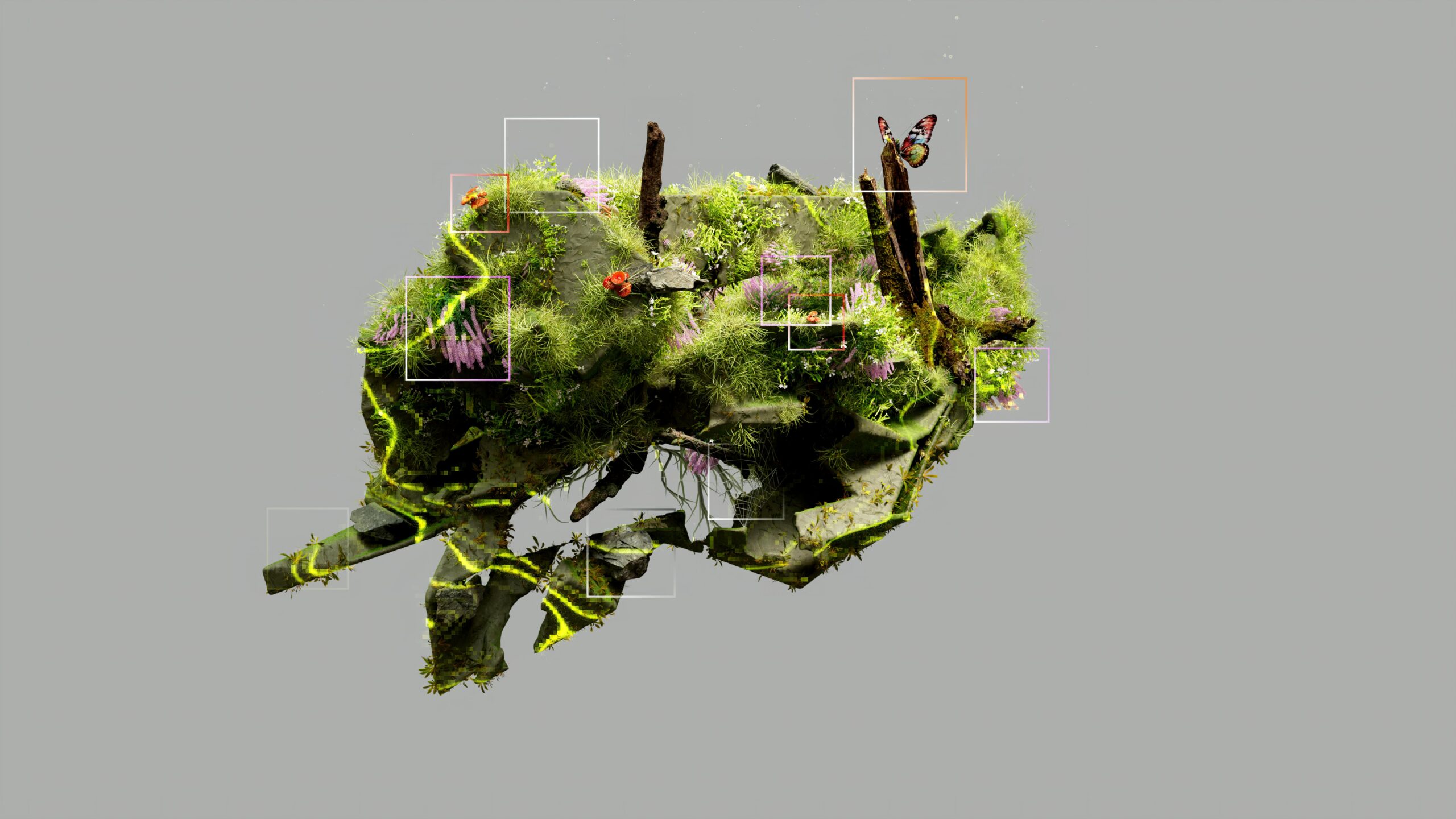
The evolution of human-nature symbiosis in the digital age ultimately depends not on technology alone but on wisdom guiding technological application. Tools serve human values—they amplify existing intentions without providing inherent direction. Digital technologies can either deepen our disconnection from natural systems or facilitate unprecedented harmony, depending entirely on how we choose to deploy them.
Cultivating this wisdom requires embracing complexity, resisting both technophobic rejection and uncritical techno-optimism. It means designing with intentionality, evaluating environmental impacts honestly, and remaining flexible as we learn what works and what doesn’t. Most importantly, it requires maintaining direct physical engagement with nature even while leveraging digital tools, ensuring that technology enhances rather than replaces embodied experience of natural systems.
Education systems must evolve to foster both digital literacy and ecological literacy simultaneously, recognizing these as complementary rather than competing competencies. Future generations need fluency navigating digital environments and understanding ecological principles, equipped to leverage technology for environmental stewardship rather than environmental degradation.
The harmony being unveiled in this digital age isn’t predetermined or guaranteed—it’s an ongoing creation requiring conscious participation. Every app download, every nature photo shared, every sensor deployed, and every digital conversation about environmental issues represents a choice about what kind of relationship we’re building between human civilization and the living world that sustains us. Technology has provided unprecedented tools; wisdom determines whether those tools facilitate destruction or nurture genuine symbiosis.
As we navigate this transformative era, the most promising path forward involves neither abandoning technology nor abandoning nature, but rather cultivating sophisticated integration that honors both. This balanced approach recognizes that we are simultaneously digital beings and biological organisms, that our thriving depends equally on healthy ecosystems and beneficial technologies, and that the future we’re creating will be shaped by how skillfully we weave these dimensions together into a coherent, sustainable, and flourishing whole.