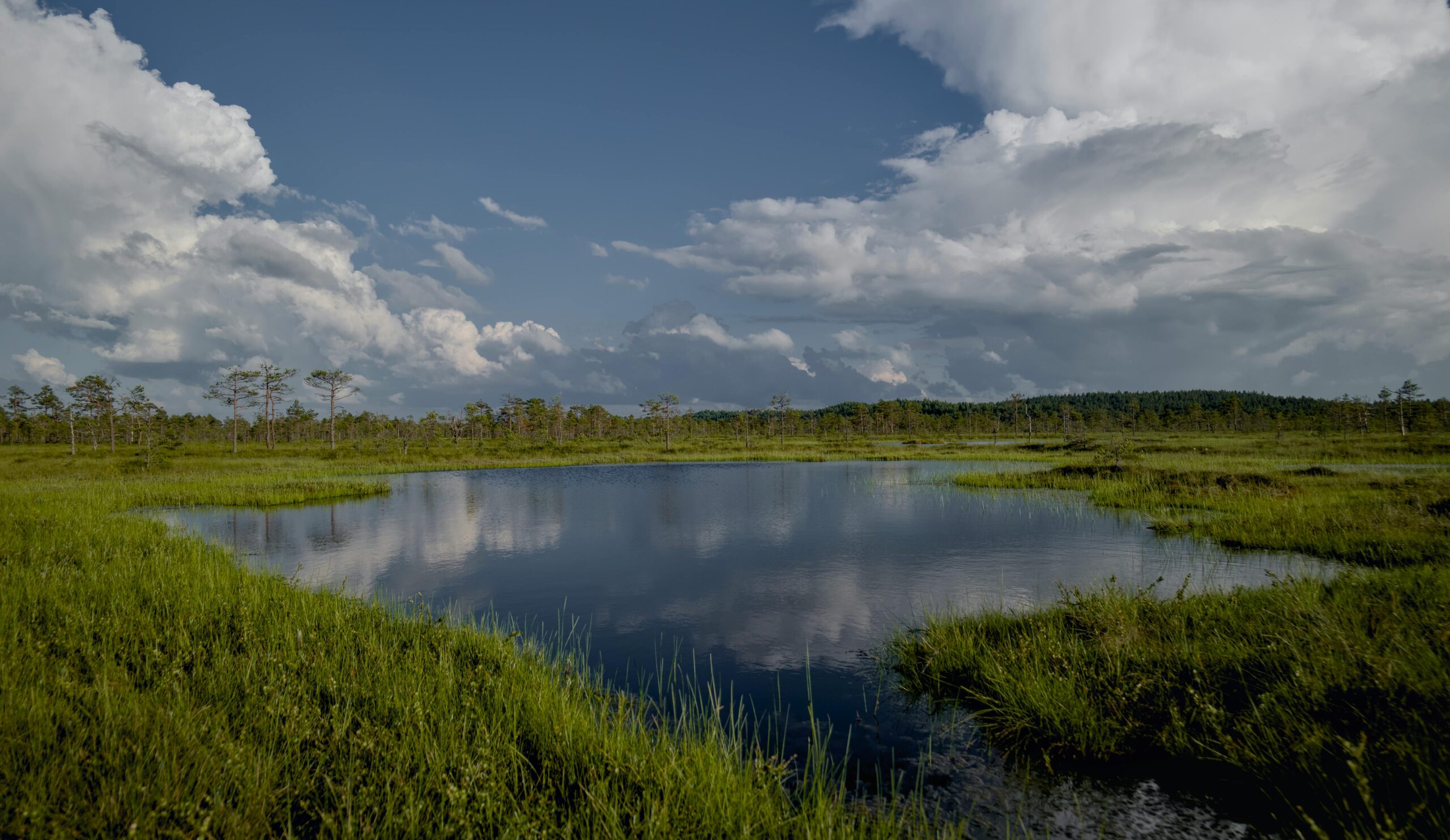
Our planet stands at a crossroads where every choice matters. The way we live, consume, and interact with nature defines not only our present but the legacy we leave for generations to come.

🌍 Understanding Environmental Identity in the Modern Age
Environmental identity represents the relationship between ourselves and the natural world. It encompasses how we perceive our role within ecosystems, our connection to wildlife and landscapes, and our responsibility toward planetary health. This identity shapes our behaviors, consumption patterns, and willingness to advocate for environmental protection.
Research demonstrates that individuals with strong environmental identities engage more consistently in sustainable practices. They view themselves as part of nature rather than separate from it, fostering a deeper sense of stewardship. This psychological connection transforms environmental action from obligation into personal expression.
Developing this identity begins with exposure to natural environments during formative years. Children who spend time outdoors, learning about ecosystems and biodiversity, typically maintain stronger environmental values throughout adulthood. However, environmental identity isn’t fixed—it can be cultivated and strengthened at any life stage through intentional practices and education.
The Foundations of Ecological Consciousness
Ecological consciousness goes beyond awareness of environmental issues. It represents a fundamental shift in worldview, recognizing the interconnectedness of all living systems and our dependence on healthy ecosystems. This consciousness acknowledges that human wellbeing is inseparable from environmental wellbeing.
At its core, ecological consciousness involves understanding several key principles. First, the recognition that resources are finite and must be managed responsibly. Second, that our actions create ripple effects throughout ecosystems, often in ways we cannot immediately see. Third, that biodiversity provides essential services supporting human life, from pollination to climate regulation.
Cultivating this consciousness requires both intellectual understanding and emotional connection. Facts about climate change or species extinction matter, but they gain transformative power when coupled with personal experiences in nature and relationships with other living beings.
Breaking Down the Barriers to Environmental Engagement
Despite growing awareness of environmental challenges, many people struggle to translate concern into action. Several psychological and social barriers prevent deeper engagement with sustainability. Understanding these obstacles helps us develop strategies to overcome them.
Psychological distance represents a significant challenge. Climate change and biodiversity loss often feel remote—happening elsewhere, to other species, or in the distant future. This perceived distance diminishes urgency and personal relevance. Additionally, feelings of powerlessness emerge when environmental problems seem too vast for individual action to matter.
Social norms also powerfully influence behavior. When sustainable practices aren’t visible or valued within one’s community, adopting them requires swimming against the cultural current. Convenience and economic factors further complicate choices, as environmentally preferable options sometimes demand more time, effort, or money.
🌱 Practical Pathways to Developing Your Environmental Identity
Building a strong environmental identity involves concrete steps that deepen your connection with nature and align your lifestyle with ecological values. These practices work synergistically, reinforcing each other to create lasting transformation.
Reconnecting with Natural Spaces
Regular immersion in natural environments forms the foundation of environmental identity. This doesn’t require wilderness adventures—urban parks, community gardens, or even tending houseplants can foster meaningful connections. The key is consistency and mindful presence.
Start by scheduling weekly time outdoors, observing seasonal changes, identifying local species, and noticing the intricate relationships within ecosystems. Keep a nature journal documenting observations, thoughts, and feelings. This practice sharpens awareness and creates personal narratives connecting you to place.
Participate in citizen science projects that contribute to environmental research while building knowledge. Apps and programs focused on bird counting, plant identification, or water quality monitoring transform casual nature walks into meaningful scientific contributions.
Educational Engagement and Continuous Learning
Deep environmental consciousness requires ongoing education about ecological systems, sustainability challenges, and potential solutions. However, this learning should balance scientific understanding with indigenous wisdom, ethical considerations, and practical skills.
Diversify your information sources. Follow environmental scientists, conservation organizations, and sustainability advocates. Read books exploring different perspectives on human-nature relationships. Watch documentaries that illuminate both problems and innovative solutions. Join discussion groups where you can process information and explore implications with others.
Importantly, seek out positive narratives alongside problem-focused content. While understanding threats matters, exclusive focus on doom scenarios can lead to paralysis and burnout. Stories of restoration success, innovative technologies, and effective activism provide inspiration and hope.
Translating Consciousness into Lifestyle Changes
Environmental identity finds authentic expression through daily choices aligned with ecological values. These changes don’t require perfection—consistent effort toward improvement matters more than flawless execution.
Rethinking Consumption Patterns
Modern consumer culture drives environmental degradation through resource extraction, pollution, and waste generation. Developing ecological consciousness means questioning consumption as a source of identity and satisfaction.
Adopt a “buy less, choose well” philosophy. Before purchases, ask whether you truly need the item, if it can be borrowed or bought secondhand, and whether it’s produced sustainably. Prioritize quality over quantity, investing in durable goods rather than disposable alternatives.
Reduce food waste, which accounts for significant environmental impacts. Plan meals, store food properly, and creatively use leftovers. Choose plant-forward diets, as animal agriculture generates substantial greenhouse gas emissions. Support local and organic farmers who employ regenerative practices.
Energy and Resource Conservation
Individual energy choices collectively impact climate change and resource depletion. Simple modifications to home energy use reduce environmental footprints while often lowering costs.
- Improve home insulation to reduce heating and cooling demands
- Switch to LED lighting throughout your living space
- Unplug devices when not in use to eliminate phantom energy drain
- Choose renewable energy providers where available
- Reduce water consumption through efficient fixtures and mindful use
- Line-dry clothes instead of using electric dryers
- Walk, bike, or use public transportation for local trips
🌿 Building Community Around Environmental Values
Environmental identity strengthens within supportive communities where sustainable practices are normalized and celebrated. Collective action also achieves impacts impossible for individuals alone.
Seek out or create local environmental groups focused on conservation, sustainability, or climate action. These communities provide practical support, shared learning, and motivation during challenging times. They also amplify individual efforts through coordinated campaigns and projects.
Engage neighbors in sustainability initiatives like community gardens, tool-sharing libraries, or neighborhood composting programs. These projects build social capital while addressing environmental concerns, creating resilient communities better equipped to face climate challenges.
Share your environmental journey authentically on social media, highlighting both successes and struggles. Vulnerability about the challenges of sustainable living makes environmental identity more accessible to others who may feel intimidated by perfectionism.
Advocacy and Systemic Change
While personal lifestyle changes matter, systemic transformation requires advocacy for policy changes and corporate accountability. Environmental identity naturally extends toward civic engagement as consciousness deepens.
Contact elected officials about environmental legislation. Attend town halls and planning meetings to advocate for sustainable development, green infrastructure, and conservation. Support candidates who prioritize environmental protection and climate action.
Use consumer power strategically by supporting companies with strong environmental commitments and boycotting those with destructive practices. Participate in shareholder activism if you hold investments, pushing corporations toward sustainability.
Nurturing Ecological Consciousness in Future Generations
Perhaps our most important environmental work involves fostering ecological consciousness in children. Young people inheriting climate challenges need both practical skills and emotional resilience built on strong environmental identities.
Provide regular outdoor experiences that build familiarity and comfort with nature. Encourage unstructured play in natural settings where children can explore, discover, and develop personal relationships with the living world. These experiences create lasting positive associations with nature.
Model environmental values through your choices and actions. Children absorb values more from observed behavior than stated principles. Explain your environmental decisions age-appropriately, helping children understand the reasoning behind sustainable practices.
Empower youth agency by involving children in household sustainability decisions and projects. Gardening, composting, energy conservation, and waste reduction provide concrete ways for young people to contribute meaningfully to environmental solutions.
Environmental Education Beyond the Classroom
Formal education plays an important role in developing ecological literacy, but learning extends far beyond school walls. Create learning opportunities through nature camps, environmental volunteer projects, and citizen science participation.
Encourage critical thinking about environmental messages and greenwashing. Help young people develop media literacy to evaluate environmental claims and distinguish genuine sustainability from marketing tactics.
Connect children with environmental mentors and role models demonstrating diverse paths for environmental engagement. Exposure to scientists, activists, sustainable farmers, and conservation professionals expands possibilities for environmental careers and lifelong engagement.
🌎 The Intersection of Environmental Justice and Ecological Consciousness
Mature ecological consciousness recognizes that environmental issues intersect with social justice. Climate change and pollution disproportionately affect marginalized communities, while conservation efforts sometimes displace indigenous peoples who have sustainably managed lands for generations.
Environmental identity must incorporate awareness of these inequities and commitment to justice. This means supporting environmental solutions that address rather than perpetuate social inequalities, centering voices of frontline communities most affected by environmental degradation.
Learn about environmental racism, the unequal distribution of environmental benefits and burdens along racial and economic lines. Understand how industrial facilities, waste sites, and pollution sources cluster in low-income communities and communities of color, creating health disparities.
Support indigenous land rights and traditional ecological knowledge. Indigenous communities steward much of the world’s biodiversity and have developed sustainable practices over millennia. Their leadership in conservation deserves recognition and support.
Maintaining Hope and Resilience in Challenging Times
Environmental awareness can generate anxiety, grief, and burnout when confronting the scale of ecological challenges. Sustaining engagement requires cultivating resilience and hope alongside consciousness.
Practice self-compassion when you fall short of environmental ideals. Perfectionism undermines long-term engagement; sustainable progress comes through consistent effort, not flawless execution. Celebrate improvements rather than fixating on remaining gaps.
Balance awareness of problems with attention to solutions and positive developments. Renewable energy costs have plummeted, making clean power increasingly accessible. Conservation efforts have brought species back from the brink of extinction. Young activists are demanding transformative change. These successes demonstrate that positive change is possible.
Connect with others who share environmental concerns. Isolation intensifies anxiety, while community provides emotional support, practical assistance, and collective efficacy. Share fears and hopes, strategies and setbacks, building relationships that sustain long-term commitment.
Creating Your Personal Environmental Action Plan
Translating environmental consciousness into consistent action benefits from intentional planning. A personal action plan provides structure while remaining flexible enough to adapt as circumstances and priorities evolve.
Begin by assessing your current environmental impact across major life areas: housing, transportation, food, consumption, waste, and civic engagement. Identify areas where changes would create significant impact while remaining realistic for your circumstances.
Set specific, measurable goals with timelines. Rather than vague intentions like “be more sustainable,” commit to concrete actions: “reduce household waste by half within six months” or “transition to 75% plant-based diet by year-end.” Specific goals enable tracking progress and celebrating achievements.
Build gradually rather than attempting total transformation overnight. Sustainable change comes through developing new habits one at a time until they become automatic. Start with modifications that feel manageable, building confidence before tackling more challenging adjustments.
Review and revise your plan regularly, acknowledging what’s working and adjusting what isn’t. Environmental action should enhance rather than diminish quality of life. If approaches feel overly burdensome, explore alternatives that better fit your situation.
🌳 The Ripple Effects of Individual Transformation
Personal environmental transformation extends beyond individual impact. As you develop stronger environmental identity and ecological consciousness, you influence others through example, conversation, and advocacy.
Your visible sustainable practices normalize behaviors that might otherwise seem unusual or extreme. When neighbors see your vegetable garden, notice you biking to work, or hear about your zero-waste efforts, it expands their sense of possibility. Change becomes socially contagious as more people adopt sustainable practices.
Conversations about your environmental journey plant seeds in others’ consciousness. Sharing your motivations, challenges, and discoveries helps others develop their own environmental awareness. These discussions create space for reflection and questioning that can spark transformation.
Your engagement in advocacy and community organizing amplifies impact exponentially. Collective action achieves systemic changes that individual lifestyle modifications cannot, from protecting wild spaces to transforming energy systems to strengthening environmental regulations.

Embracing the Journey Toward Sustainability
Developing environmental identity and ecological consciousness represents a lifelong journey rather than a destination. Understanding deepens, values evolve, and practices improve over time. Approach this journey with patience, curiosity, and commitment.
The path toward sustainability winds through both joy and difficulty. Celebrate the pleasures of simpler living, deeper nature connection, and meaningful community. Acknowledge the grief that comes with understanding environmental losses and the challenges of swimming against consumer culture currents.
Remember that your efforts matter. Individual actions collectively shift culture, markets, and policies. Your example inspires others, your advocacy influences decision-makers, and your daily choices vote for the world you want to create. Every step toward ecological consciousness contributes to the broader transformation necessary for a sustainable future.
Our world urgently needs people willing to embrace environmental identity and cultivate ecological consciousness. The crisis we face demands both individual transformation and collective action. By greening our perspectives, values, and practices, we participate in the essential work of creating a livable planet for all beings, now and for generations to come. The time for action is now, and each of us has an irreplaceable role to play in this vital mission. 🌏