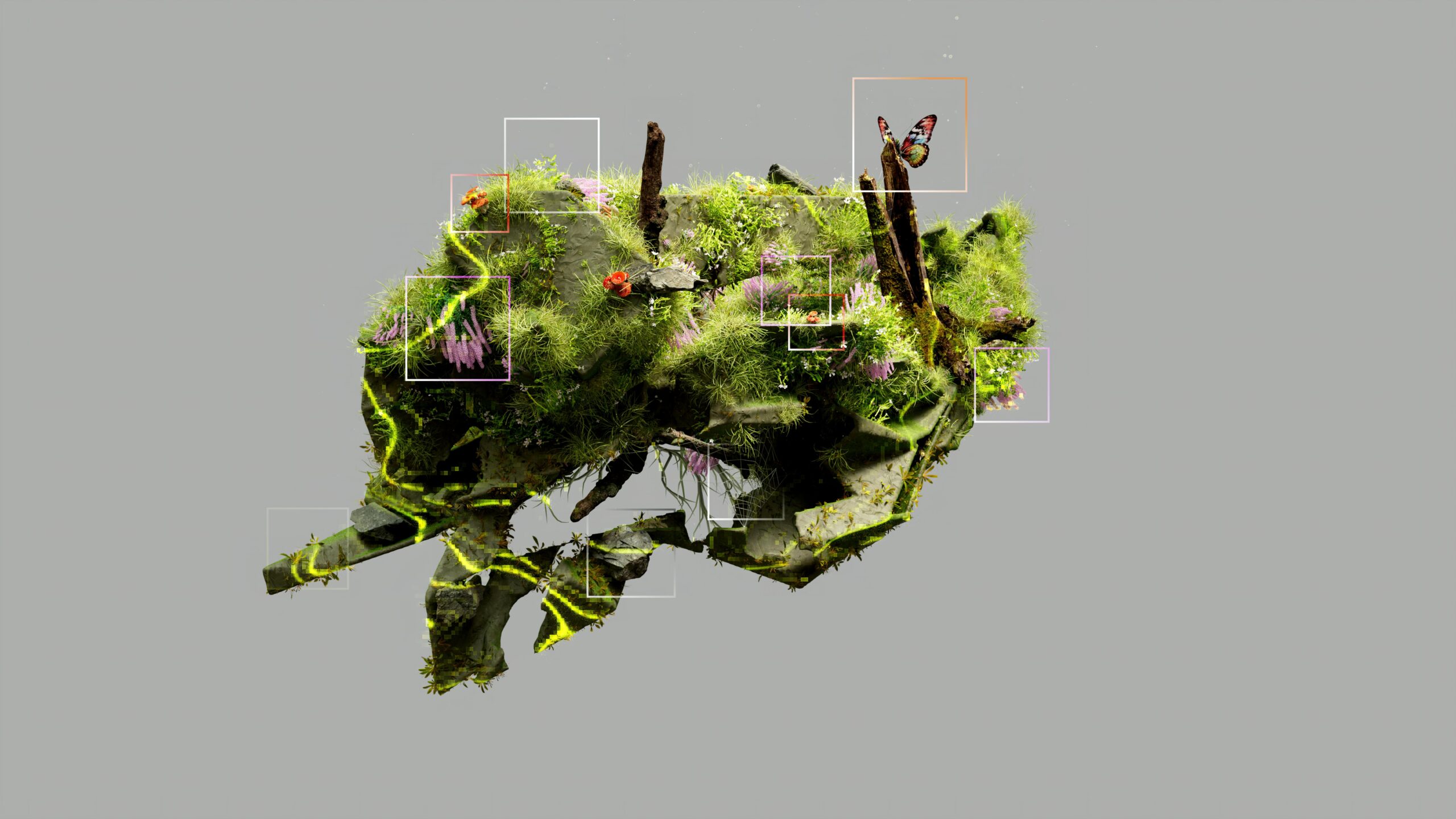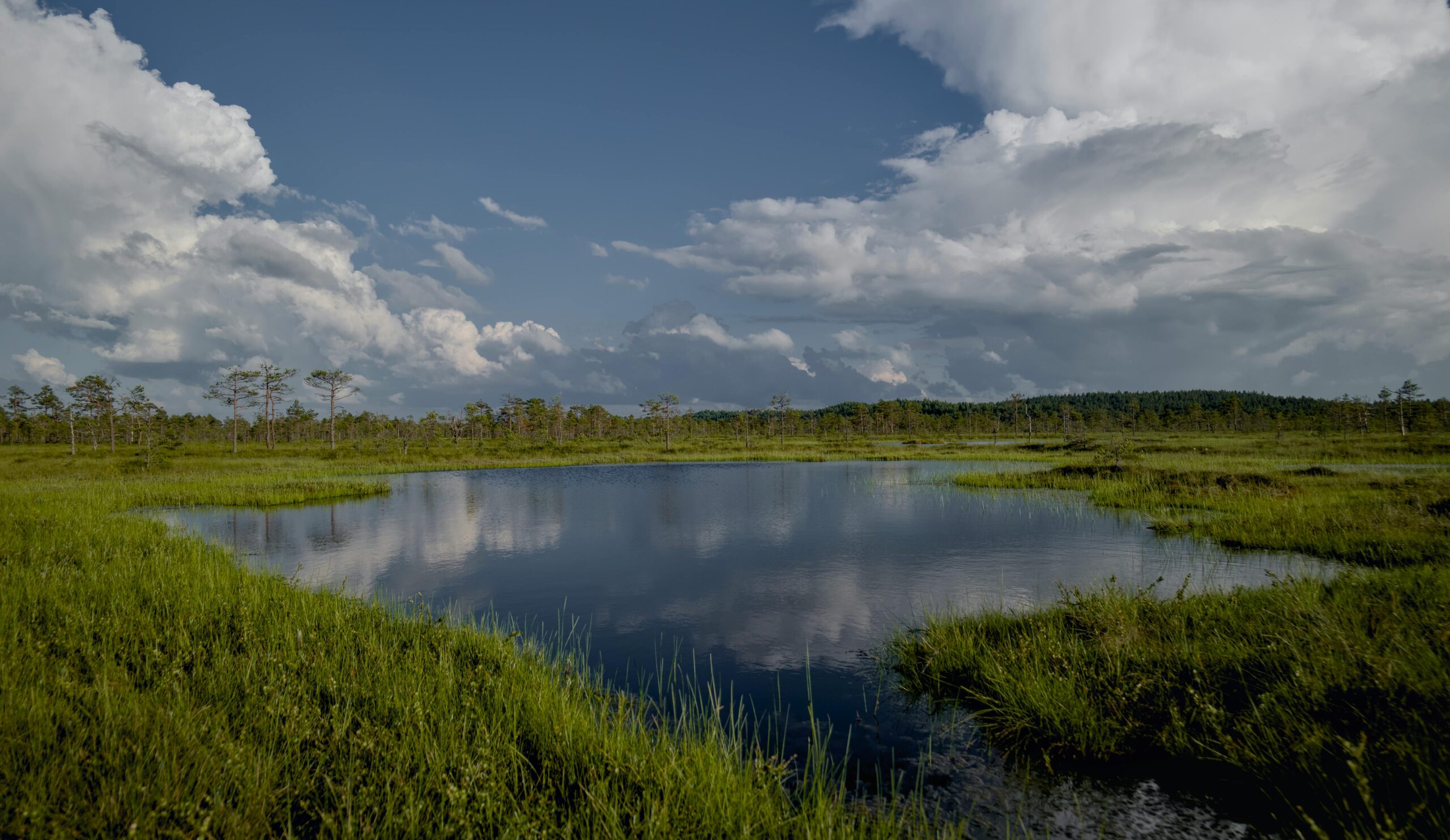
Conservation movements thrive when communities become active participants rather than passive observers. Mindfulness transforms this relationship, creating deeper connections between people and their environment.

🌱 The Intersection of Mindfulness and Environmental Stewardship
The global conservation crisis demands more than policy changes and scientific interventions. It requires a fundamental shift in how communities perceive, interact with, and protect their natural environments. Mindfulness—the practice of present-moment awareness without judgment—offers a transformative approach to building this connection.
When communities engage mindfully with their surroundings, they develop an intimate understanding of local ecosystems. This awareness transcends abstract environmental concepts, creating visceral relationships with forests, waterways, wildlife, and landscapes. Such connections become the emotional foundation for sustained conservation action.
Research demonstrates that mindful engagement with nature increases pro-environmental behaviors. People who regularly practice outdoor mindfulness show heightened ecological awareness, reduced consumption patterns, and stronger commitments to conservation initiatives. This psychological shift represents the missing link between awareness and action that many conservation movements struggle to establish.
🤝 Building Authentic Community Partnerships
Traditional conservation approaches often fail because they impose external solutions on communities without meaningful consultation. Top-down strategies create resistance, resentment, and ultimately, project failure. Empowering communities through mindful engagement reverses this dynamic entirely.
Successful conservation movements recognize that local communities possess invaluable ecological knowledge accumulated across generations. Indigenous peoples and long-term residents understand seasonal patterns, species behaviors, and ecosystem interdependencies that scientists might overlook. Mindful listening—truly hearing and valuing these perspectives—creates collaborative partnerships rather than hierarchical relationships.
Community empowerment begins with acknowledging that conservation success depends on local buy-in. When residents see themselves as conservation leaders rather than subjects of external interventions, they invest personal and collective resources into environmental protection. This ownership mentality transforms conservation from an imposed obligation into a community identity.
Creating Spaces for Dialogue and Learning
Mindful communication practices facilitate meaningful exchanges between conservation organizations and communities. These conversations move beyond transactional information-sharing to deeper explorations of values, concerns, and aspirations. When all participants approach discussions with openness and presence, solutions emerge that honor both ecological needs and community wellbeing.
Successful conservation programs incorporate regular community meetings where residents share observations, raise concerns, and contribute ideas. These gatherings become more than administrative necessities—they evolve into social rituals that strengthen community bonds while advancing conservation goals.
🌍 Mindfulness Practices That Foster Environmental Connection
Specific mindfulness techniques help communities develop stronger relationships with their natural environments. These practices don’t require expensive equipment or specialized training, making them accessible to diverse populations regardless of economic circumstances.
Sit spots—the practice of regularly visiting the same natural location—build intimate knowledge of place. Participants observe seasonal changes, species interactions, and environmental patterns. Over time, practitioners develop the observational skills of naturalists while cultivating personal connections to specific landscapes.
Sensory awareness exercises heighten perception of natural phenomena. Guided activities that focus attention on sounds, smells, textures, and visual details immerse participants in the present moment. This sensory engagement counters the abstract, disconnected relationship many people have with nature, replacing it with direct, embodied experience.
Gratitude practices centered on nature foster appreciation for ecosystem services. When communities regularly acknowledge the water, air, food, materials, and beauty provided by their environment, they develop reciprocal relationships that motivate protective behaviors.
📊 Measuring Success Through Community Wellbeing
Conservation movements that empower communities recognize that environmental protection and human flourishing are inseparable. Success metrics must reflect this interconnection, measuring both ecological health and community prosperity.
| Indicator Type | Examples | Measurement Approach |
|---|---|---|
| Ecological Health | Species diversity, water quality, forest coverage | Scientific monitoring and community observations |
| Economic Wellbeing | Income stability, employment opportunities, resource access | Household surveys and economic analysis |
| Social Cohesion | Community participation, conflict resolution, collective decision-making | Participatory assessments and social network analysis |
| Cultural Vitality | Traditional knowledge transmission, cultural practices, identity strength | Ethnographic research and community self-assessment |
Mindful evaluation processes involve communities in defining success criteria and interpreting results. Rather than external experts determining whether projects succeed or fail, communities assess outcomes based on their priorities and lived experiences. This participatory approach ensures that conservation efforts remain aligned with community needs.
💪 Capacity Building Through Mindful Education
Empowerment requires skill development that enables communities to manage conservation initiatives independently. Mindful education approaches honor existing knowledge while introducing new techniques, creating learning environments based on mutual respect rather than deficit thinking.
Conservation training programs benefit from incorporating mindfulness principles. When educators approach teaching with presence, curiosity, and non-judgment, they create psychological safety that encourages experimentation and questions. Participants engage more deeply when they feel valued rather than evaluated.
Skill-sharing occurs multidirectionally in empowered communities. Conservation professionals learn ecological knowledge and land management techniques from local residents, while community members gain access to scientific methodologies and policy navigation skills. This reciprocal exchange builds collective capacity greater than any single group could achieve.
Youth Engagement and Intergenerational Learning
Sustainable conservation movements invest in youth education that combines environmental science with mindfulness practices. Young people who develop both ecological literacy and contemplative skills become powerful advocates for their communities and environments.
Intergenerational programs connect elders with youth, facilitating knowledge transmission while fostering community cohesion. These relationships strengthen cultural continuity and ensure that traditional ecological knowledge informs contemporary conservation strategies.
🌳 Addressing Power Dynamics and Historical Injustices
Mindful conservation acknowledges that environmental degradation and social marginalization are interconnected. Many communities facing conservation challenges have experienced historical exploitation, land dispossession, and systemic discrimination. Successful movements address these power imbalances directly.
Restorative justice approaches recognize past harms and create pathways toward healing. This might involve returning land management authority to indigenous communities, providing reparations for environmental damages, or establishing decision-making structures that prioritize marginalized voices.
Mindfulness practices help conservation organizations examine their own biases and privileges. Regular reflection on organizational culture, hiring practices, and partnership approaches reveals blind spots that might perpetuate inequitable relationships. This self-awareness enables course corrections that strengthen community trust.
🔄 Creating Sustainable Economic Models
Conservation movements fail when environmental protection threatens community livelihoods. Empowered communities develop economic strategies that generate income while maintaining ecological integrity. Mindful approaches to economic development prioritize long-term sustainability over short-term extraction.
Community-based ecotourism exemplifies this balance. When residents control tourism development, they ensure that visitor experiences respect cultural values and environmental limits. Revenue stays within communities, funding both conservation activities and social services.
Sustainable harvesting practices allow communities to derive income from natural resources without depleting them. Whether gathering forest products, managing fisheries, or cultivating medicinal plants, mindful resource use considers regeneration rates and ecosystem health alongside economic needs.
- Cooperative business structures that distribute profits equitably among community members
- Certification programs that command premium prices for sustainably produced goods
- Payment for ecosystem services arrangements that compensate communities for conservation
- Value-added processing that increases income from sustainable raw materials
- Micro-enterprise development supporting diverse livelihood strategies
🎯 Navigating Challenges and Conflicts Mindfully
Conservation work inevitably involves conflicts—between development and preservation, individual interests and collective wellbeing, immediate needs and long-term sustainability. Mindful conflict resolution approaches these tensions as opportunities for creative problem-solving rather than battles to be won.
Mediation processes grounded in mindfulness create space for all stakeholders to express concerns and needs without defensive reactions. When participants listen deeply to opposing viewpoints, they often discover shared values underlying surface disagreements. These commonalities become foundations for innovative solutions.
Patience proves essential when navigating complex conservation challenges. Mindful awareness helps communities and organizations maintain commitment during difficult periods, recognizing that systemic change unfolds gradually. This long-term perspective prevents the demoralization that often accompanies setbacks.
🌟 Scaling Impact While Maintaining Authenticity
Successful community-based conservation models inspire replication, but scaling presents challenges. Mindful expansion approaches honor the unique contexts of different communities rather than imposing standardized blueprints.
Networks of empowered communities share experiences and strategies while respecting local autonomy. These peer-learning relationships provide support without hierarchy, enabling communities to adapt successful approaches to their specific circumstances.
Technology facilitates connection among geographically dispersed conservation communities. Digital platforms enable knowledge exchange, collaborative problem-solving, and mutual encouragement. However, mindful technology use ensures that digital tools enhance rather than replace face-to-face relationships and direct nature connection.
🌈 Celebrating Success and Sustaining Momentum
Conservation work demands sustained effort over years and decades. Communities maintain motivation by celebrating achievements, honoring contributors, and marking milestones. These celebrations strengthen collective identity and reinforce commitment to shared goals.
Mindful acknowledgment recognizes both tangible outcomes and process improvements. Celebrating not only species recovery or habitat restoration but also strengthened relationships, developed skills, and deepened environmental awareness validates the multifaceted nature of conservation success.
Storytelling preserves institutional memory and inspires continued action. When communities document their conservation journeys through oral histories, photographs, videos, and written accounts, they create narratives of possibility that motivate current and future generations.

🚀 The Path Forward: Integration and Transformation
The integration of community empowerment and mindfulness represents an evolution in conservation thinking. This approach recognizes that environmental protection ultimately depends on human consciousness—our awareness, values, and relationships with the natural world.
Successful conservation movements of the future will be those that prioritize community agency while fostering contemplative practices that deepen environmental connection. These initiatives will measure success not only in hectares protected or species recovered but in communities thriving in reciprocal relationship with their ecosystems.
The transformation required to address global environmental challenges begins with local communities developing mindful relationships with their immediate environments. When multiplied across countless communities worldwide, these localized efforts create the cultural shift necessary for planetary healing.
Empowered communities practicing environmental mindfulness demonstrate that conservation is not sacrifice but fulfillment—a return to balanced relationships that nurture both human and ecological flourishing. This vision offers hope and practical pathways forward during a time of unprecedented environmental crisis.
The key to successful conservation movements lies neither in top-down mandates nor technological fixes alone, but in awakening communities to their power, wisdom, and inherent connection to the living world. Through mindful engagement, communities become not merely protectors of nature but active participants in the ongoing creation of healthy, resilient ecosystems that sustain all life.