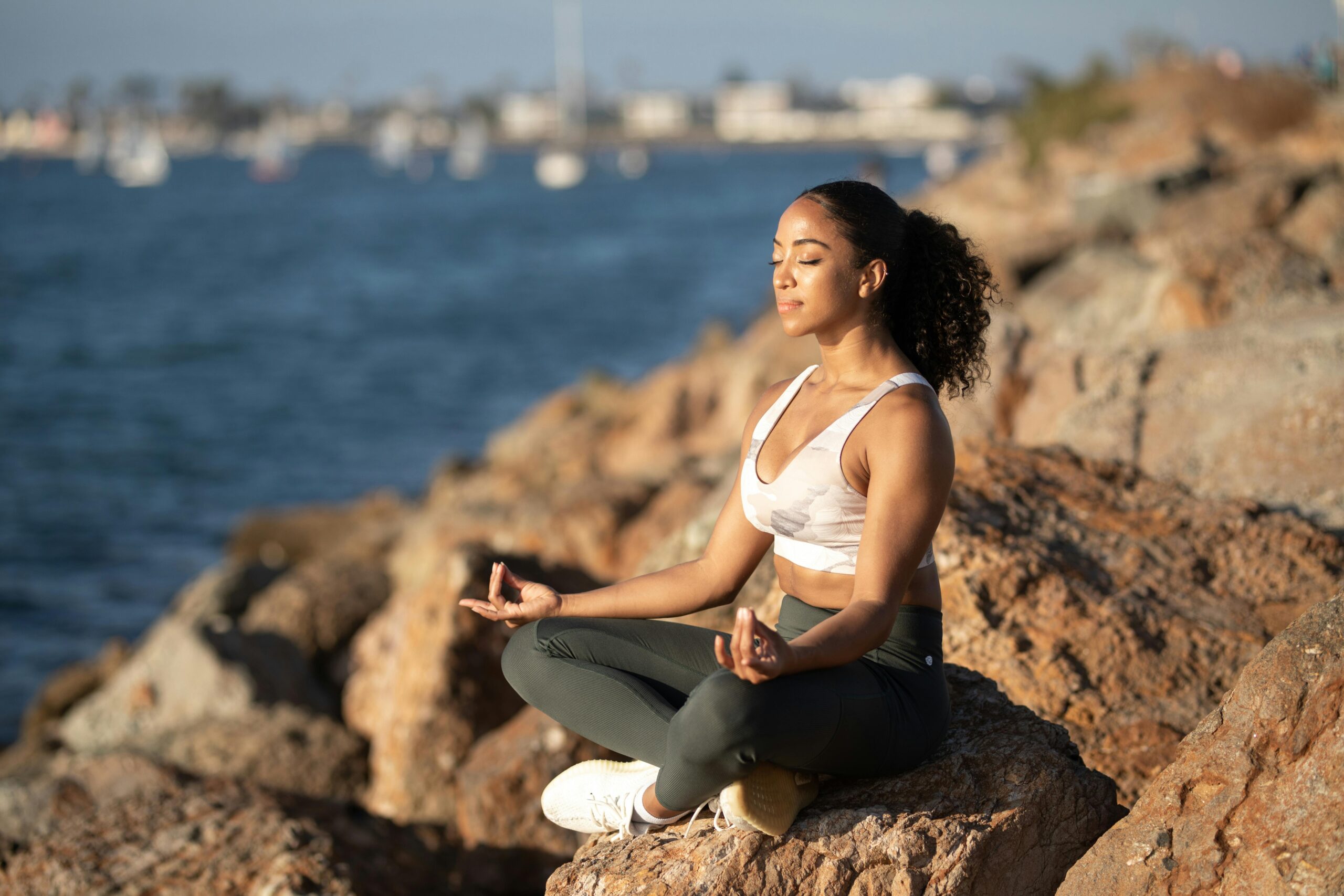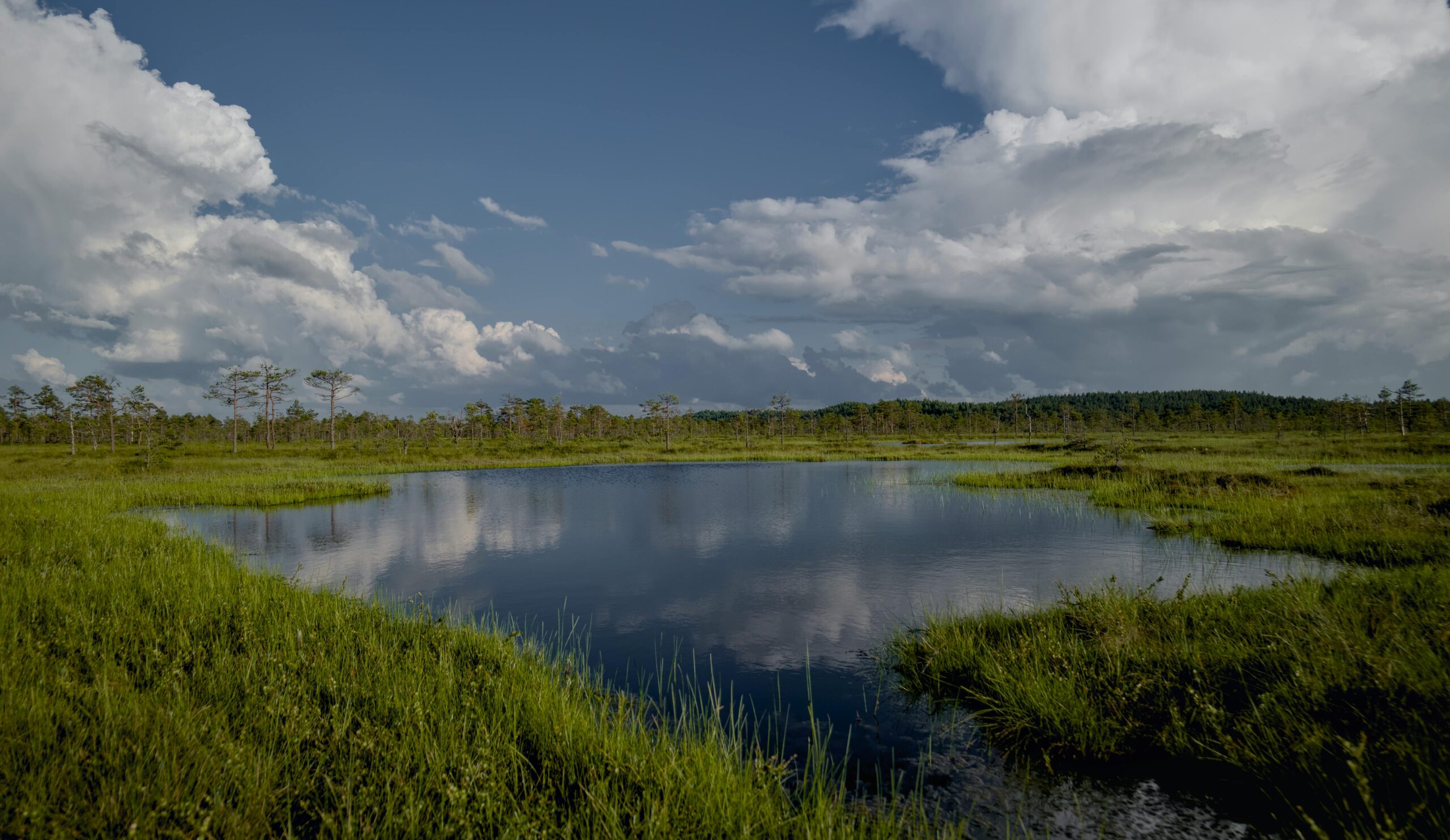
Nature has long served as humanity’s most ancient therapist, offering solace, inspiration, and profound healing through its timeless beauty and rhythmic presence. 🌿

In our increasingly digital and disconnected world, the concept of artistic healing through nature has emerged as a powerful antidote to modern stress, anxiety, and emotional turbulence. This therapeutic approach combines the restorative properties of natural environments with creative expression, creating a synergistic healing experience that addresses both mind and body. The intersection of art, nature, and wellness represents not just a trend, but a return to fundamental human needs that have been obscured by contemporary living.
The therapeutic potential of nature isn’t merely anecdotal—it’s supported by extensive scientific research demonstrating measurable physiological and psychological benefits. When we pair these natural healing properties with artistic practice, we unlock even deeper avenues for self-discovery, emotional processing, and personal transformation.
The Science Behind Nature’s Therapeutic Touch 🔬
Research in environmental psychology has consistently demonstrated that exposure to natural environments produces tangible health benefits. Studies show that spending time in nature reduces cortisol levels, lowers blood pressure, and decreases heart rate—all indicators of reduced stress. The Japanese practice of “shinrin-yoku” or forest bathing has been particularly well-studied, revealing that time spent among trees boosts immune function and improves mood regulation.
What makes nature particularly powerful for therapeutic work is its ability to induce what researchers call “soft fascination”—a gentle form of attention that allows the mind to wander and restore itself. Unlike the “hard fascination” demanded by screens and urban environments, nature’s stimuli are inherently restorative, giving our cognitive systems the rest they desperately need.
When artistic practice enters this equation, the benefits multiply. Creative expression activates different neural pathways, engaging regions of the brain associated with emotional processing, memory consolidation, and self-reflection. The combination creates a perfect storm of healing conditions where the body relaxes, the mind opens, and the spirit finds room to express itself authentically.
Ancient Wisdom Meets Modern Therapeutic Practice 🌏
Indigenous cultures worldwide have always recognized nature as healer and teacher. From Aboriginal dreamtime practices to Native American vision quests, the natural world has been central to spiritual and psychological wellbeing for millennia. These traditions understood intuitively what modern science is only now confirming—that humans are not separate from nature but intrinsically connected to it.
Contemporary therapeutic approaches are increasingly incorporating these ancient wisdoms. Ecotherapy, wilderness therapy, and nature-based art therapy draw from traditional practices while applying rigorous therapeutic frameworks. These modalities recognize that disconnection from nature contributes significantly to the epidemic of mental health challenges facing modern societies.
The artistic component serves as a bridge between inner experience and outer expression. When we create art inspired by or within natural settings, we engage in a dialogue with the environment that transforms passive observation into active participation. This shift from consumer to creator is fundamentally empowering and healing.
Practical Pathways: Integrating Nature and Art for Healing 🎨
Beginning a practice of nature-based artistic healing doesn’t require extensive training or expensive materials. The essence lies in intentional presence and authentic expression. Start by simply spending time in a natural setting—a park, garden, beach, or forest—with the purpose of noticing details you might normally overlook.
Bring simple materials: a sketchbook and pencils, watercolors, or even just a camera phone. The medium matters less than the intention. Your goal isn’t to create museum-quality art but to engage in a reflective dialogue with the natural world. Notice patterns in bark, the play of light through leaves, the geometry of spider webs, or the palette of a sunset.
Seasonal Reflections Through Creative Practice 🍂
Each season offers unique opportunities for therapeutic reflection through art. Spring’s renewal energy can inspire watercolor experiments with fresh greens and delicate florals. Summer’s abundance invites bold expression through vibrant colors and expansive compositions. Autumn’s transformation provides rich metaphors for personal change, while winter’s stark beauty encourages minimalist approaches and contemplative practices.
Creating a seasonal art journal specifically dedicated to nature observations can become a powerful tool for tracking personal growth and emotional patterns. Over time, you’ll notice how your artistic responses to nature mirror internal states, providing insight into your psychological landscape.
Mindful Material Gathering 🍃
One particularly grounding practice involves creating art directly from natural materials. Collecting leaves, stones, twigs, flowers, and other found objects transforms a simple walk into a treasure hunt. This activity naturally slows the pace, sharpens observation skills, and creates a tactile connection with the environment.
Land art or ephemeral art created on-site brings an additional dimension of impermanence to the practice. Creating a mandala from autumn leaves, arranging stones into patterns on a beach, or building small sculptures from found materials teaches acceptance of transience—a valuable lesson for emotional resilience. The act of creating something beautiful knowing it will fade or be washed away can be profoundly liberating.
The Psychology of Color in Natural Healing 🌈
Nature’s color palette has inherent psychological effects that amplify the therapeutic impact of artistic practice. Blues and greens—dominant in natural landscapes—are scientifically proven to reduce anxiety and promote calm. These colors lower physiological arousal and create feelings of safety and tranquility.
Working with these colors in your nature-based art practice can deepen the healing effects. Even if you’re sketching in grayscale outdoors, later adding watercolor washes in natural blues and greens can extend and reinforce the calming experience. Notice which colors you’re drawn to during different emotional states—this awareness itself becomes therapeutic.
Warm earth tones—ochres, siennas, and umbers—provide grounding and stability. These colors connect us to the solidity of earth, offering psychological anchoring during times of uncertainty. Incorporating these hues into artistic practice can help process feelings of instability or disconnection.
Nature Journaling: The Gateway Practice 📔
Nature journaling has emerged as one of the most accessible forms of therapeutic artistic practice. This approach combines observational drawing, written reflection, and scientific curiosity in a format that welcomes all skill levels. The practice focuses on careful observation rather than artistic perfection, making it ideal for those who feel intimidated by traditional art-making.
A nature journal becomes a personal record of encounters with the living world—a diary of relationships with specific places, plants, animals, and weather patterns. Over time, this record reveals not just ecological changes but personal evolution. Reading back through months or years of entries shows how perspectives shift, worries transform, and resilience develops.
The therapeutic power lies partly in the slowing down required for observational drawing. To sketch a bird or flower accurately, you must watch carefully, notice details, and spend sustained time with your subject. This focused attention is inherently meditative, providing respite from rumination and worry.
Structured Prompts for Deeper Reflection 💭
While free-form nature journaling has tremendous value, structured prompts can guide deeper therapeutic work. Consider these approaches:
- Gratitude mapping: Draw or paint elements of nature you’re grateful for, creating a visual gratitude practice
- Emotion landscapes: Create abstract landscapes that express current emotional states using colors and forms from nature
- Seasonal self-portraits: Represent yourself through natural elements that resonate with your current life stage
- Weather metaphors: Explore internal experiences through weather patterns—storms for turmoil, fog for confusion, sunshine for clarity
- Growth documentation: Track the growth of a specific plant or tree as a parallel to personal development
Technology as Bridge, Not Barrier 📱
While the goal is often to disconnect from digital devices, technology can actually support nature-based artistic healing when used intentionally. Photography apps allow capturing moments for later artistic reference. Digital art applications enable creating nature-inspired work when outdoor access is limited. Meditation and mindfulness apps with nature sounds can extend the calming effects of outdoor sessions.
The key is maintaining intentionality—using technology to deepen rather than replace direct nature experience. Time-lapse photography of natural processes, for instance, can reveal patterns invisible to casual observation, fostering greater appreciation and connection.
Overcoming Common Obstacles 🚧
Many people resist beginning nature-based artistic practices due to perceived barriers. “I’m not artistic” is perhaps the most common objection. This mindset misunderstands the purpose—therapeutic art isn’t about creating gallery-worthy pieces but about process, presence, and personal meaning. The healing happens in the making, not in the finished product.
Limited access to “pristine” nature is another concern, particularly for urban dwellers. However, therapeutic benefits emerge from any authentic engagement with the natural world—a potted plant, a neighborhood tree, a patch of sky, or urban wildlife all provide sufficient material for healing artistic practice.
Time constraints feel overwhelming in busy lives, but even brief, regular practices yield significant benefits. Ten minutes of outdoor sketching or five minutes of mindful photography can meaningfully impact wellbeing when practiced consistently.
Community and Shared Healing 👥
While solitary nature-based art practice offers profound benefits, community engagement adds another therapeutic dimension. Joining outdoor sketching groups, participating in nature art workshops, or sharing work through social media creates accountability, inspiration, and connection.
Group activities in natural settings combine the therapeutic benefits of nature exposure, creative expression, and social bonding. These experiences counter isolation—a significant factor in mental health challenges—while maintaining the restorative qualities of outdoor time.
Community projects like creating collaborative land art installations or group nature journals for specific locations deepen both ecological awareness and social bonds, multiplying healing effects through shared purpose.
Deepening Practice Through Ritual and Rhythm 🌙
Establishing regular rituals around nature-based artistic practice amplifies therapeutic benefits. Perhaps you sketch at sunrise each Sunday, create monthly moon phase art, or document seasonal changes in a particular tree throughout the year. These rhythms create structure while honoring natural cycles.
Ritual adds meaning and intention to practice. Lighting a candle before beginning, setting specific intentions, or creating a dedicated space for nature art-making transforms ordinary activities into sacred practice. This psychological framing enhances the healing potential by signaling to your nervous system that this is special time devoted to self-care.
Connecting personal practice to natural rhythms—lunar cycles, seasons, tides, or daily light patterns—reinforces our belonging within the larger living system. This reconnection addresses the fundamental disconnection underlying much modern distress.
Measuring Progress Without Losing Magic ✨
While therapeutic benefits of nature-based art practice are often subtle and cumulative, noticing changes validates the practice and encourages continuation. Rather than rigid metrics, observe qualitative shifts: Do you feel more calm after sessions? Are you sleeping better? Do natural environments attract you more than before? Has your observational capacity sharpened?
Your artwork itself becomes a record of progress. Comparing pieces created months apart often reveals surprising development—not necessarily in technical skill, but in attention, patience, emotional expression, and connection to subject matter. These changes reflect internal growth.
However, avoid the trap of constant self-assessment that undermines the practice itself. Balance awareness of benefits with surrender to process, allowing the healing to unfold organically rather than forcing specific outcomes.
Cultivating a Lifelong Healing Partnership with Nature 🌱
The ultimate goal of nature-based artistic healing isn’t completing a course or mastering techniques, but establishing a sustainable, evolving relationship with the natural world that supports wellbeing throughout life’s challenges and transitions. This relationship, mediated through creative expression, becomes a reliable resource during difficult times and a source of joy during good ones.
As climate change and environmental degradation intensify, this personal connection to nature often sparks ecological action. The healing we receive inspires us to protect and restore natural systems, creating a reciprocal relationship where caring for nature becomes another dimension of self-care.
Start wherever you are, with whatever you have. The barrier to entry is low—step outside, notice something beautiful, and respond creatively. That simple act initiates a healing process that can transform not just your wellbeing, but your entire relationship with the living world. The canvas is infinite, the studio is everywhere, and the therapeutic potential is boundless. Nature is waiting to become your collaborator in healing, requiring only your presence, attention, and willingness to engage creatively with its endless gifts. 🌿✨