
Understanding your environmental footprint has never been more important. With climate change accelerating, individuals worldwide are seeking practical ways to measure and reduce their ecological impact through accessible digital tools.

🌍 Why Measuring Your Eco-Impact Matters Now More Than Ever
The urgency of environmental challenges demands more than good intentions. Every purchase, commute, and meal contributes to your carbon footprint, water consumption, and waste generation. Without concrete data, sustainability efforts often remain guesswork, making it difficult to identify where your actions create the most significant environmental consequences.
Measuring your eco-impact transforms abstract environmental concerns into tangible metrics. When you can visualize how your daily choices affect the planet, behavioral change becomes more intuitive and motivated. Research consistently shows that people who track their environmental footprint are 40% more likely to adopt sustainable habits compared to those who don’t monitor their impact.
Understanding the Core Components of Environmental Impact
Before diving into measurement tools, it’s essential to understand what comprises your ecological footprint. Your total environmental impact encompasses several interconnected categories, each requiring different assessment approaches and reduction strategies.
Carbon Footprint: The Climate Connection
Your carbon footprint represents the total greenhouse gas emissions caused by your activities, measured in carbon dioxide equivalents (CO2e). This includes direct emissions from driving or heating your home, plus indirect emissions from the production and transportation of goods you consume. The average person in developed countries generates approximately 16 tons of CO2e annually, though sustainable living can reduce this to under 4 tons.
Water Footprint: The Hidden Resource Consumption
Beyond the water flowing from your tap, your water footprint includes the “virtual water” embedded in products and food. A single cotton t-shirt requires 2,700 liters of water to produce, while a beef burger consumes approximately 2,400 liters. Understanding this hidden consumption reveals surprising opportunities for conservation.
Waste Generation and Circular Economy Principles
The average person generates over 700 kilograms of waste annually, with much ending in landfills or oceans. Measuring waste output helps identify packaging reduction opportunities, recycling improvements, and transitions toward zero-waste living. The circular economy framework emphasizes keeping materials in use, eliminating waste through better design and consumption patterns.
Digital Tools Revolutionizing Personal Sustainability Tracking
Technology has democratized environmental impact measurement, providing sophisticated tools that once required expert consultants. Modern sustainability apps combine user-friendly interfaces with robust databases of environmental impacts, making eco-conscious living more accessible than ever.
Comprehensive Carbon Calculators
Carbon footprint calculators have evolved from simple questionnaires to sophisticated platforms that integrate with your digital life. These tools analyze transportation habits, energy consumption, dietary choices, and shopping patterns to generate personalized emissions profiles.
Leading carbon calculator platforms like Carbon Footprint or Capture allow users to input detailed information about their lifestyle. They provide breakdowns showing which activities contribute most significantly to your emissions, helping prioritize reduction efforts. Many now include goal-setting features and track progress over time, transforming abstract numbers into motivating progress metrics.
Food Impact Tracking Applications
Dietary choices represent one of the largest components of individual environmental impact. Food production accounts for approximately 26% of global greenhouse gas emissions, with significant variations between different protein sources, production methods, and transportation distances.
Apps focused on food sustainability help users understand the environmental cost of their meals. These platforms typically include extensive databases showing the carbon, water, and land footprints of thousands of ingredients and prepared foods. Some applications can scan barcodes or integrate with meal planning apps to provide automatic impact calculations.
Transportation and Mobility Trackers
Transportation frequently represents the largest controllable portion of individual carbon footprints, particularly in car-dependent regions. Specialized mobility tracking tools automatically detect your transportation mode—whether walking, cycling, public transit, or driving—and calculate associated emissions.
These applications often gamify sustainable transportation, offering challenges, achievements, and community comparisons. By visualizing the environmental difference between driving and taking public transit, users gain concrete motivation to choose lower-impact options. Some platforms even calculate financial savings alongside environmental benefits, addressing both ecological and economic motivations.
🔍 Advanced Measurement Techniques for Serious Sustainability Enthusiasts
For individuals committed to deep sustainability transformations, basic calculators represent just the starting point. Advanced measurement techniques provide granular insights into specific impact categories, enabling optimization strategies that casual tools might overlook.
Home Energy Monitoring Systems
Smart home energy monitors connect directly to your electrical panel, providing real-time visibility into household energy consumption. These systems identify which appliances consume the most electricity, reveal vampire power drains from devices in standby mode, and track consumption patterns over time.
Modern energy monitoring platforms integrate with smart home ecosystems, allowing automated responses to consumption patterns. When combined with renewable energy installations like solar panels, these systems provide comprehensive visibility into both consumption and generation, helping households approach net-zero energy status.
Supply Chain Transparency Tools
Understanding product origins and production methods requires investigating supply chains, historically opaque to consumers. New platforms leverage blockchain technology, QR codes, and corporate sustainability reporting to provide unprecedented transparency about product environmental impacts.
These tools reveal information about manufacturing locations, energy sources used in production, transportation distances, labor conditions, and end-of-life recyclability. While still emerging, supply chain transparency represents the future of informed sustainable consumption, enabling purchasing decisions aligned with environmental values.
Interpreting Your Data: Turning Numbers Into Actionable Insights
Collecting environmental impact data serves little purpose without interpretation and action. The most successful sustainability practitioners develop systematic approaches to analyzing their metrics, identifying high-impact reduction opportunities, and implementing changes that align with their lifestyle and values.
Prioritizing High-Impact Changes
Not all sustainable actions deliver equal environmental benefits. The Pareto principle applies strongly to ecological impact—roughly 20% of your activities typically generate 80% of your footprint. Measurement tools help identify these high-impact areas, ensuring your efforts focus where they matter most.
For most people, the highest-impact categories include transportation choices, home energy consumption, and dietary patterns, particularly meat and dairy intake. A single transatlantic flight can equal an entire year of careful recycling, while shifting from a meat-heavy diet to plant-based eating can reduce food-related emissions by up to 73%.
Setting Realistic and Progressive Goals
Sustainable transformation rarely happens overnight. Measurement tools enable realistic goal-setting based on your current baseline, personal circumstances, and improvement capacity. Start with achievable targets—perhaps reducing your carbon footprint by 10% in six months—then progressively increase ambition as sustainable habits become automatic.
Effective goals balance specificity with flexibility. Rather than vague commitments like “be more sustainable,” measurement-informed goals might include “reduce weekly driving by 30 kilometers” or “decrease meat consumption from seven to three meals weekly.” These concrete targets enable progress tracking and provide clear success metrics.
📊 Comparing Your Impact: Benchmarks and Context
Individual measurements gain meaning through comparison against relevant benchmarks. Understanding how your footprint compares to local, national, and global averages provides context for both achievements and remaining improvement opportunities.
Global average carbon footprints vary dramatically by country and region, influenced by energy infrastructure, economic development, and cultural consumption patterns. United States residents average approximately 16 tons of CO2e annually, while European Union citizens average around 8 tons, and the global average sits near 4 tons. Climate scientists suggest individual footprints must drop below 2 tons to achieve climate stability.
These comparisons shouldn’t induce guilt but rather inform realistic expectations and celebrate progress. Someone reducing their footprint from 16 to 12 tons has made significant progress, even if they haven’t reached ideal targets. Sustainability is a journey of continuous improvement rather than immediate perfection.
Community Engagement and Collective Impact Measurement
Individual sustainability efforts multiply when coordinated across communities. Many measurement platforms now include social features enabling collective action, friendly competition, and shared learning. These community dimensions address the isolation that sometimes accompanies personal sustainability efforts, providing motivation through connection.
Workplace Sustainability Initiatives
Organizations increasingly adopt comprehensive sustainability measurement, providing employees with tools to track both personal and collective workplace impacts. Corporate sustainability platforms aggregate individual data to demonstrate organizational progress toward environmental commitments while respecting privacy.
Workplace programs often include team challenges, departmental competitions, and recognition for sustainability champions. These initiatives leverage social dynamics to accelerate adoption while connecting individual actions to broader organizational environmental goals. Employees report higher engagement when they can visualize their personal contribution to company-wide sustainability targets.
Neighborhood and Municipal Programs
Forward-thinking municipalities now offer residents access to community-scale environmental tracking. These programs might include home energy comparisons with similar households, neighborhood recycling rate rankings, or community-wide carbon reduction challenges.
Municipal sustainability platforms create positive peer pressure while identifying community-scale intervention opportunities. When data reveals that a particular neighborhood has high energy consumption, targeted efficiency programs can address structural issues beyond individual control, like building insulation standards or public transit availability.
🚀 Emerging Technologies Shaping Future Impact Measurement
The sustainability measurement landscape continues evolving rapidly, with emerging technologies promising even more accurate, comprehensive, and actionable environmental insights. Understanding these developments helps prepare for increasingly sophisticated approaches to ecological responsibility.
Artificial Intelligence and Predictive Analytics
Machine learning algorithms now analyze consumption patterns to predict environmental impacts with minimal user input. By connecting to financial accounts, calendar apps, and location services, AI-powered platforms can automatically estimate your footprint based on transaction data, travel patterns, and lifestyle indicators.
Predictive analytics go further, forecasting future impacts based on planned activities and suggesting lower-impact alternatives. Planning a vacation? AI tools can compare the environmental consequences of different destinations, transportation options, and accommodation choices, enabling informed decisions without extensive research.
Internet of Things Integration
The proliferation of connected devices enables passive environmental monitoring without conscious data entry. Smart thermostats track heating and cooling energy, connected appliances report consumption, intelligent water meters monitor usage, and even smart trash bins can categorize and weigh waste streams.
This IoT integration removes measurement friction, the barrier that causes many people to abandon manual tracking. When impact measurement happens automatically in the background, sustainability insights become effortless and continuous rather than sporadic projects requiring dedicated attention.
Overcoming Common Measurement Challenges and Pitfalls
Despite powerful tools and good intentions, environmental impact measurement faces several common obstacles. Recognizing these challenges enables proactive strategies to maintain consistent, accurate tracking that genuinely informs behavioral change.
Data Accuracy and Estimation Limitations
All environmental impact calculations rely on estimations and averages. The carbon footprint of beef varies based on farming practices, feed sources, and transportation distances, yet calculators typically use average values. This inherent imprecision frustrates some users seeking exact measurements.
Accept that measurement provides directional accuracy rather than absolute precision. The goal isn’t perfect calculation but rather identifying trends and relative impacts. Whether your annual footprint is exactly 12.4 or 13.1 tons matters less than understanding that air travel represents your largest impact category or that dietary changes could reduce emissions significantly.
Avoiding Analysis Paralysis
Comprehensive measurement can become overwhelming, leading to analysis paralysis where data collection replaces actual behavior change. Some individuals spend more time optimizing their tracking system than implementing sustainability practices, mistaking measurement for progress.
Establish measurement routines that balance insight with action. Perhaps conduct comprehensive footprint assessments quarterly while focusing on implementing one or two changes monthly. Remember that imperfect action surpasses perfect planning—reducing your impact by 20% matters infinitely more than calculating it with 99% accuracy.
Creating Your Personal Sustainability Dashboard
The most effective approach combines multiple measurement tools into a personalized sustainability dashboard, providing comprehensive visibility across impact categories while maintaining simplicity. Your dashboard should balance thoroughness with usability, tracking what matters without becoming burdensome.
Consider selecting one primary comprehensive tool for overall footprint tracking, supplemented by specialized applications for categories you want to address intensively. Perhaps use a general carbon calculator for quarterly assessments while maintaining daily food impact tracking if dietary change represents your primary focus. Many platforms now offer API integrations, allowing data consolidation from multiple sources into unified dashboards.
Regular review rituals transform data into insights. Schedule monthly sustainability reviews where you examine your metrics, celebrate progress, identify challenges, and adjust strategies. This reflection practice converts passive tracking into active engagement with your environmental impact journey.
💚 From Measurement to Meaningful Change
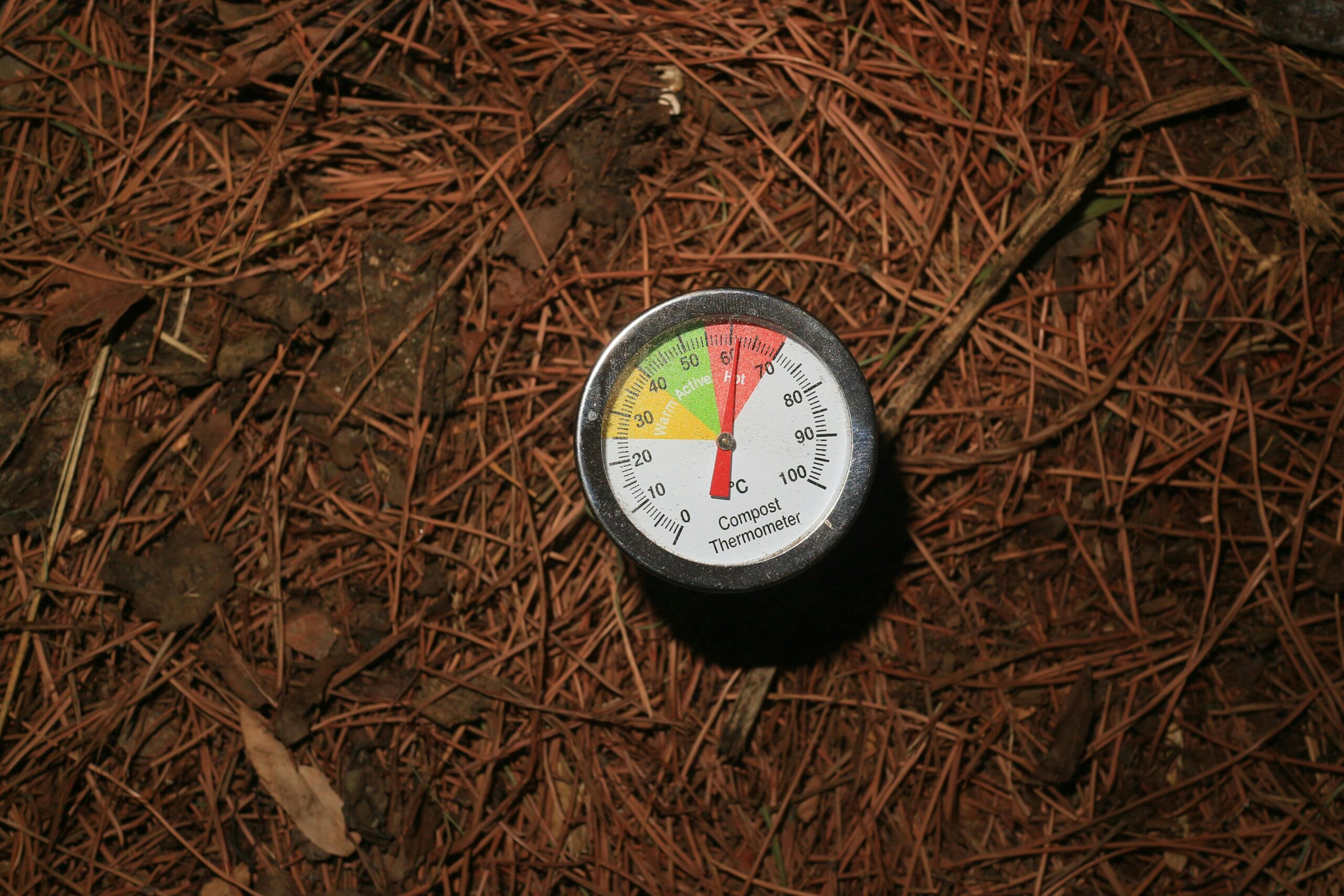
Ultimately, measuring your eco-impact serves one purpose: enabling informed action toward reduced environmental harm. The most sophisticated tracking system delivers no value without translating insights into behavioral changes, purchasing decisions, and advocacy efforts that genuinely decrease your ecological footprint.
Successful sustainability practitioners view measurement as the foundation for experimentation. Track your baseline, implement a change, measure the impact, and iterate. This scientific approach to personal sustainability transforms abstract environmental concerns into concrete, achievable progress.
Start where you are with whatever tools feel accessible. Download one carbon calculator, track one impact category for one month, and implement one meaningful change. Sustainability measurement isn’t about achieving perfection but rather about continuous improvement, one measured decision at a time. The planet doesn’t need a few people practicing perfect sustainability; it needs millions practicing imperfect sustainability measured and improved consistently over time.