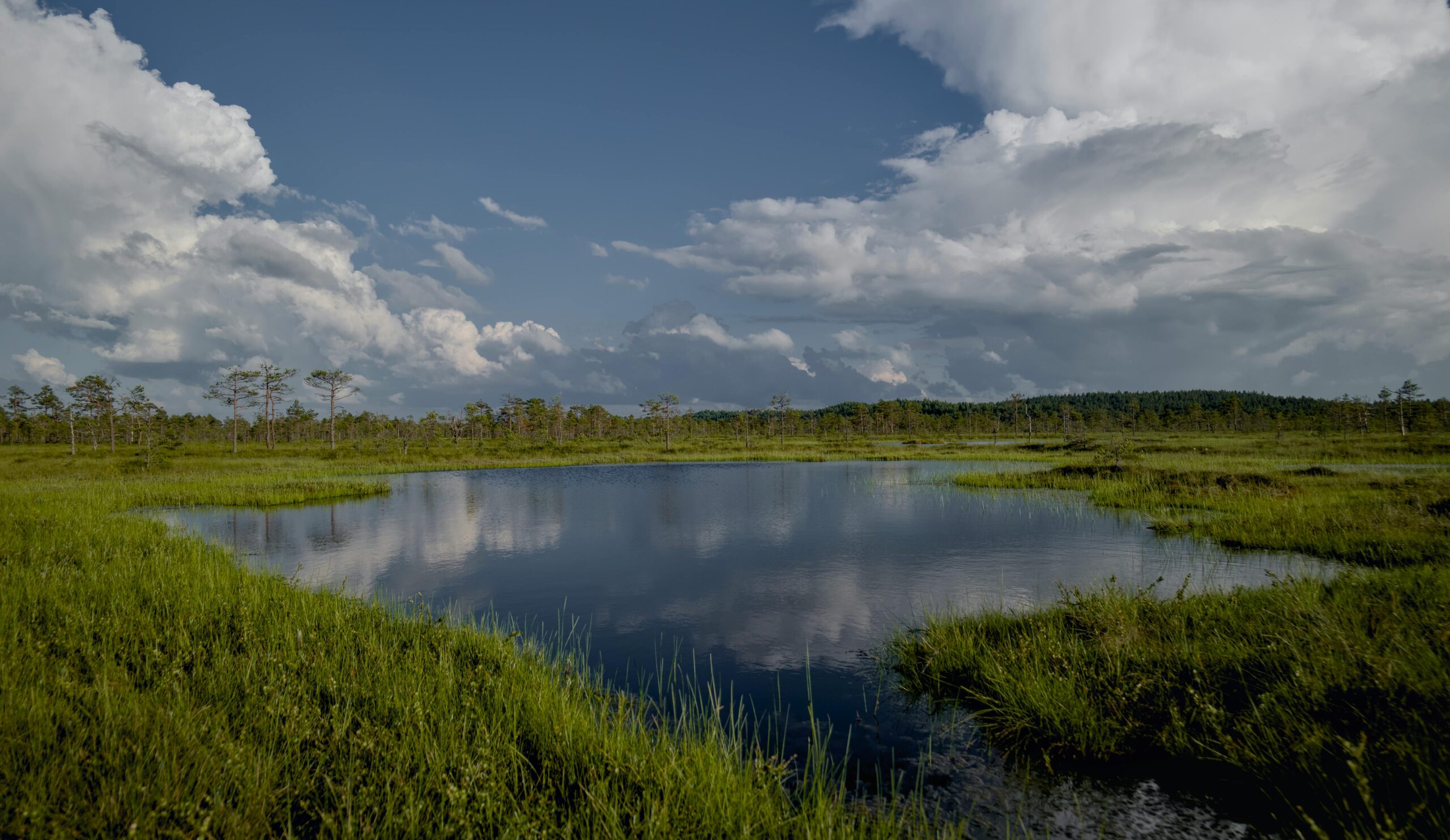
Educators today hold the key to shaping environmentally conscious generations. Training programs designed specifically for teachers can transform how sustainability is taught and practiced in schools worldwide.

🌱 Why Environmental Training Matters for Today’s Educators
The climate crisis demands immediate action, and education stands at the frontline of this transformation. Teachers equipped with proper environmental training don’t just teach facts—they inspire lifelong behavioral changes in their students. Research consistently shows that students whose teachers have participated in environmental education programs demonstrate higher levels of ecological awareness and engagement in sustainable practices.
Environmental literacy has become as fundamental as reading and mathematics in modern curricula. Yet many educators feel unprepared to tackle complex topics like climate change, biodiversity loss, and sustainable development. This gap creates an urgent need for comprehensive training programs that empower teachers with knowledge, tools, and confidence.
Professional development in environmental education goes beyond classroom instruction. It transforms educators into community leaders who can influence families, neighborhoods, and policy decisions. When teachers embrace environmental stewardship, their impact ripples outward, creating waves of positive change that extend far beyond school walls.
🎓 Core Components of Effective Environmental Training Programs
Quality environmental training programs share several essential characteristics that ensure lasting impact. Understanding these elements helps educators choose programs that will genuinely enhance their teaching practice and environmental literacy.
Science-Based Curriculum Foundation
Effective programs ground their content in peer-reviewed environmental science. This foundation ensures educators can confidently address climate science, ecology, and sustainability with accuracy. Training should cover the fundamentals of ecosystem dynamics, carbon cycles, renewable energy systems, and conservation biology while remaining accessible to educators from diverse subject backgrounds.
The best programs update their content regularly to reflect the latest scientific understanding. Climate science evolves rapidly, and educators need access to current data, emerging technologies, and innovative solutions that students will encounter in their future careers.
Pedagogical Strategies for Environmental Topics
Teaching environmental concepts requires specialized instructional approaches. Training programs should equip educators with methods that make abstract concepts tangible and relevant. Project-based learning, outdoor education techniques, systems thinking frameworks, and place-based education strategies all belong in a comprehensive training curriculum.
Educators learn to facilitate discussions about controversial topics without imposing personal beliefs. They develop skills in fostering critical thinking about environmental issues while helping students navigate complex information landscapes filled with misinformation.
Practical Implementation Tools
Theory without practice remains ineffective. Strong training programs provide educators with ready-to-use lesson plans, assessment rubrics, and activity guides. These resources should span multiple grade levels and subjects, demonstrating how environmental themes integrate across the entire curriculum.
Digital tools and technology platforms increasingly support environmental education. Training should familiarize educators with apps, simulation software, data collection tools, and online collaboration platforms that enhance student engagement and learning outcomes.
🌍 Types of Environmental Training Programs Available
The diversity of training options ensures educators can find programs matching their specific needs, schedules, and professional goals. Each format offers unique advantages for different learning styles and circumstances.
University Certificate Programs
Many universities offer graduate certificates or professional development courses in environmental education. These structured programs typically span several months to a year, providing in-depth knowledge and academic credentials. Universities like Stanford, Yale, and MIT have developed renowned environmental education programs that combine online and in-person components.
These programs often include research components, allowing educators to develop original projects applicable to their specific teaching contexts. The academic rigor and credentialing can support career advancement and salary increases in many districts.
Nonprofit Organization Workshops
Environmental organizations like the National Wildlife Federation, Project Learning Tree, and the Cloud Institute offer targeted training workshops. These typically range from single-day intensives to multi-session series spread across weeks or months.
Nonprofit programs often emphasize hands-on activities and community connections. They may include field experiences, partnerships with local conservation projects, and ongoing support networks. Many are low-cost or free, making them accessible to educators with limited professional development budgets.
Online Learning Platforms
Digital platforms have democratized access to environmental training. Coursera, edX, and specialized platforms like EE Capacity offer courses from leading institutions and experts worldwide. These flexible options allow educators to learn at their own pace while maintaining full teaching schedules.
Online programs range from brief modules focusing on specific topics to comprehensive certificate programs. The best platforms incorporate interactive elements, peer collaboration, and practical assignments that translate directly into classroom practice.
Government-Sponsored Initiatives
Many education departments and environmental agencies sponsor teacher training programs. The U.S. Environmental Protection Agency’s Environmental Education Grants, for example, fund training initiatives nationwide. Similar programs exist in countries across Europe, Asia, and other regions.
These government-backed programs often align with national education standards and policy priorities, ensuring trained educators can implement what they learn within existing curriculum frameworks.
📚 Essential Topics Covered in Comprehensive Programs
While specific content varies, exemplary environmental training programs address core topics that form the foundation of environmental literacy.
- Climate Science Fundamentals: Understanding greenhouse gases, climate modeling, and global temperature trends
- Biodiversity and Conservation: Ecosystem services, species protection, and habitat restoration
- Sustainable Resource Management: Water conservation, renewable energy, and circular economy principles
- Environmental Justice: How environmental issues disproportionately affect marginalized communities
- Systems Thinking: Understanding interconnections between environmental, social, and economic systems
- Solutions-Oriented Approaches: Emphasizing positive action rather than doom-and-gloom messaging
- Community Engagement: Strategies for connecting classroom learning with local environmental initiatives
- Assessment Methods: Evaluating environmental literacy and behavioral changes in students
💡 Transforming Theory into Classroom Practice
The true measure of training effectiveness lies in how educators apply new knowledge in their teaching. Successful programs bridge the gap between professional development and daily instruction through intentional implementation support.
Cross-Curricular Integration Strategies
Environmental themes naturally connect to every subject area. Math teachers can analyze climate data and calculate carbon footprints. Language arts classes can explore environmental literature and persuasive writing on sustainability topics. History courses can examine how societies have managed or mismanaged natural resources throughout time.
Training programs teach educators to identify these connection points and weave environmental content throughout their existing curriculum rather than treating it as an isolated subject. This integration approach ensures students encounter environmental concepts repeatedly across contexts, deepening understanding and retention.
Creating School-Wide Environmental Culture
Individual teachers make important impacts, but school-wide initiatives multiply that effect exponentially. Training programs increasingly emphasize how educators can catalyze broader institutional change. This includes establishing green teams, initiating waste reduction programs, creating school gardens, and pursuing eco-school certifications.
Educators learn leadership skills for engaging colleagues, administrators, and parents in sustainability initiatives. They discover how to leverage student enthusiasm to drive school-wide behavioral changes that reduce environmental impact while reinforcing classroom learning.
🔄 Measuring Impact and Sustaining Momentum
Effective environmental training doesn’t end when the formal program concludes. The best initiatives include mechanisms for ongoing support, assessment, and professional growth.
Building Professional Learning Communities
Isolation undermines innovation. Training programs that facilitate ongoing networks of environmental educators create spaces for sharing successes, troubleshooting challenges, and collaborating on new ideas. These communities meet virtually or in-person, providing sustained motivation and collective problem-solving.
Online forums, social media groups, and regular meetups keep the momentum going long after initial training. Educators share lesson plans, discuss current environmental news, and support each other through implementation challenges.
Tracking Student Outcomes
Demonstrating the value of environmental education requires evidence. Training programs teach educators to assess student learning using diverse methods beyond traditional tests. These might include portfolio assessments, action research projects, community impact measurements, and longitudinal studies of behavioral change.
Data collection skills empower educators to advocate for continued support and resources. When teachers can document improvements in student environmental literacy, critical thinking, and engagement, administrators and policymakers take notice.
🚀 Innovative Approaches Reshaping Environmental Education Training
The field of environmental education training continues evolving, incorporating new research findings, technological tools, and pedagogical approaches.
Experiential Learning Emphasis
Modern training programs increasingly incorporate outdoor experiences and direct environmental engagement. Educators participate in stream monitoring, tree planting, wildlife surveys, and habitat restoration. These hands-on experiences model the active learning approaches they should use with students while building personal connections to environmental issues.
Adventure-based learning components teach educators to use challenge courses, wilderness experiences, and outdoor exploration as vehicles for environmental education. These approaches particularly engage students who struggle with traditional classroom instruction.
Technology Integration
Digital tools have revolutionized environmental education possibilities. Training programs now teach educators to use satellite imagery, geographic information systems, remote sensing data, and environmental monitoring apps. Students can observe deforestation in real-time, track local air quality, or participate in global citizen science projects.
Virtual reality and augmented reality technologies allow students to explore ecosystems they could never physically visit, from coral reefs to rainforest canopies to Arctic tundra. Training equips educators to leverage these immersive technologies effectively.
Indigenous Knowledge Integration
Progressive training programs increasingly incorporate traditional ecological knowledge from Indigenous communities. These perspectives offer valuable insights into sustainable resource management, biodiversity conservation, and living in balance with nature. Educators learn to present multiple ways of knowing and relating to the environment, enriching student understanding while honoring diverse cultural perspectives.
🌟 Overcoming Common Implementation Barriers
Even well-trained educators face obstacles when implementing environmental education. Quality training programs acknowledge these challenges and provide strategies for navigating them successfully.
Time constraints rank among the most frequently cited barriers. Packed curricula leave little room for new content. Training addresses this concern by demonstrating integration approaches that enhance rather than replace existing lessons. Environmental themes become vehicles for teaching required content more engagingly.
Limited resources also challenge educators in under-resourced schools. Training programs emphasize low-cost and no-cost teaching strategies that leverage free online resources, community partnerships, and outdoor spaces. Educators learn to write grants and secure donations to support environmental initiatives.
Some educators encounter resistance from administrators or parents who view environmental education as controversial or political. Training provides communication strategies for framing environmental education as developing critical thinking skills and preparing students for emerging career fields rather than advocacy.
🎯 Selecting the Right Training Program for Your Needs
With numerous options available, choosing the optimal training program requires careful consideration of several factors. Educators should evaluate programs based on their specific goals, constraints, and teaching contexts.
Consider the time commitment realistically. Can you dedicate weekends to intensive workshops, or does online asynchronous learning better fit your schedule? Evaluate whether programs offer continuing education credits or other credentials valuable for your career advancement.
Examine the program’s philosophical approach. Some emphasize conservation and wilderness preservation, while others focus on urban sustainability or environmental justice. Choose training aligned with your values and relevant to your students’ lived experiences.
Investigate the program’s track record. Seek testimonials from past participants, ask about follow-up support, and request examples of materials and resources provided. The best programs willingly connect prospective participants with alumni who can share honest feedback.

🌈 The Ripple Effect: Your Environmental Legacy
Investing in environmental training creates impacts extending far beyond immediate classroom applications. Each educator who completes quality training influences hundreds or thousands of students throughout their career. Those students carry environmental literacy into their families, careers, and communities, creating cascading positive effects.
Consider a single teacher who inspires just fifty students annually toward more sustainable practices. Over a thirty-year career, that represents 1,500 individuals equipped with knowledge and motivation for environmental stewardship. If each of those students influences even a few others, the exponential growth becomes staggering.
Environmental education training transforms educators into agents of cultural change. The knowledge and skills gained empower teachers to model sustainable living, influence school policies, and engage communities. This multiplier effect makes professional development in environmental education one of the highest-impact investments for creating a sustainable future.
The climate crisis requires urgent, collective action. While the challenges seem overwhelming, education offers hope. By empowering yourself through environmental training programs, you join a global community of educators building a generation equipped to protect our planet. The journey begins with a single step—committing to deepen your environmental literacy and teaching capacity. That commitment, multiplied across thousands of educators worldwide, can truly change the world.