In a world racing toward constant connectivity and digital overwhelm, the ancient practice of mindfulness meets the timeless wisdom of nature across cultures, offering a profound path to inner peace and global understanding.

🌍 The Universal Language of Presence
Throughout human history, diverse cultures have recognized the transformative power of being present in nature. From Japanese forest bathing to Native American earth-centered ceremonies, the intersection of mindfulness and natural environments has served as a cornerstone of spiritual and psychological well-being. This cross-cultural phenomenon isn’t merely coincidental—it reflects a fundamental human need to reconnect with both our inner awareness and the living world around us.
Modern neuroscience now validates what indigenous wisdom keepers have known for millennia: immersing ourselves in nature while practicing mindful awareness creates measurable changes in our brain chemistry, stress levels, and overall health. The beauty lies in how different cultures have arrived at similar conclusions through distinctly unique pathways, each offering valuable insights for our contemporary search for balance and meaning.
Ancient Eastern Wisdom Meets Western Landscapes
The Buddhist tradition of mindfulness meditation, originating over 2,500 years ago in India, emphasizes present-moment awareness without judgment. When practitioners take this contemplative approach outdoors, they discover what Thich Nhat Hanh called “the miracle of mindfulness”—the ability to truly see a leaf, feel the wind, or hear birdsong as if for the first time.
Meanwhile, the Japanese practice of Shinrin-yoku, or forest bathing, emerged in the 1980s as a therapeutic response to modern stress. This practice doesn’t require physical exercise or hiking; instead, it invites participants to slowly walk through forests, opening all five senses to the environment. Research has shown that spending time among trees reduces cortisol levels, lowers blood pressure, and enhances immune function.
What makes this cross-cultural connection fascinating is how Eastern mindfulness principles have enriched Western approaches to nature therapy, while Western scientific validation has helped traditional practices gain broader acceptance globally.
The Breath That Connects All Traditions
Across virtually every culture that practices mindfulness in nature, breath awareness serves as the foundational anchor. Indigenous Australian Aboriginal practices, Taoist mountain meditation in China, and Scandinavian friluftsliv (open-air living) all emphasize conscious breathing as the bridge between inner and outer worlds.
When we breathe mindfully outdoors, we literally exchange molecules with trees and plants through the oxygen-carbon dioxide cycle. This biological interconnection mirrors the spiritual principle found in Sanskrit’s “prana,” Chinese “qi,” and the Lakota concept of “ni”—all referring to the life force carried by breath.
🌿 Indigenous Wisdom: The Original Mindfulness Teachers
Long before mindfulness became a wellness trend, indigenous peoples worldwide maintained sophisticated practices of nature-based awareness. These traditions offer profound lessons for modern practitioners seeking authentic connections with the natural world.
Native American traditions teach the practice of sitting in one place for extended periods, becoming so still that wildlife accepts your presence. This “invisible sitting” combines deep meditation with acute sensory awareness, dissolving the boundary between observer and observed. The result is a form of ecological consciousness where you experience yourself as part of nature rather than separate from it.
Similarly, Australian Aboriginal walkabout traditions involve journeys into wilderness where individuals enter deep states of presence, navigating by intimate knowledge of land, water, and sky. These practices aren’t recreational; they’re essential to maintaining cultural identity and spiritual health.
Sacred Sites and Natural Mindfulness
Many cultures designate specific natural locations as sacred spaces for contemplation and ceremony. These sites—whether Maori mountains in New Zealand, Celtic groves in Ireland, or Buddhist pilgrimage trails in Tibet—serve as amplifiers for mindful practice.
The designation of sacred natural spaces reflects an understanding that certain environments naturally facilitate meditative states. Modern research on “soft fascination” in nature psychology confirms this intuitive wisdom, showing that natural settings engage our attention in ways that restore rather than deplete mental resources.
Nordic Connections: Friluftsliv and Mindful Presence
Scandinavian cultures have developed their own distinct approach to nature-based mindfulness through friluftsliv, literally “free air life.” This philosophy emphasizes regular, unpretentious time outdoors as essential to well-being, regardless of weather or season.
Unlike goal-oriented outdoor activities, friluftsliv encourages simply being in nature without agenda. A Norwegian might sit by a lake for hours, a Swede might take contemplative forest walks during lunch breaks, or a Dane might practice hygge outdoors, creating cozy moments of contentment in natural settings.
This cultural practice shares remarkable similarities with mindfulness meditation: both emphasize non-striving, acceptance of present conditions, and the cultivation of inner calm through environmental engagement. The Norwegian concept of “koselig” and Danish “hygge” both contain elements of mindful appreciation for simple, natural pleasures.
🧘 Practical Cross-Cultural Techniques for Nature Mindfulness
Drawing from diverse cultural traditions, here are practical approaches anyone can adopt to deepen their mindful connection with nature:
The Five Senses Immersion Walk
This practice combines Japanese forest bathing with Buddhist mindfulness techniques:
- Begin by standing still and taking five deep, conscious breaths
- Spend five minutes focusing exclusively on sounds—birdsong, wind, rustling leaves
- Shift attention to visual details—patterns, colors, movements, light quality
- Notice scents and fragrances present in the air
- Feel textures—bark, leaves, stones—with mindful touch
- If safe and appropriate, taste edible wild plants, berries, or simply fresh air
Sit Spot Practice: Native American Tradition
Choose one natural location to visit regularly, ideally daily. Sit quietly for at least twenty minutes, observing how this place changes with seasons, weather, and time of day. Over weeks and months, you’ll develop intimate knowledge of this ecosystem and experience yourself as part of its rhythms rather than a visitor.
Walking Meditation in Natural Settings
Adapted from Buddhist walking meditation, this practice involves extremely slow, deliberate walking while maintaining full awareness of each footstep, the ground beneath you, and your body’s movement through space. Practice on natural paths, beaches, or meadows where you can walk safely without watching for obstacles.
Scientific Validation Meets Ancient Wisdom ✨
Contemporary research increasingly validates what traditional practices have always known. Studies show that combining mindfulness practice with nature exposure produces synergistic benefits exceeding either approach alone.
Nature therapy research from Japan, South Korea, and Finland demonstrates measurable improvements in immune function, cardiovascular health, and mental clarity from regular forest exposure. When researchers add mindfulness components—conscious breathing, sensory awareness, and non-judgmental presence—these benefits intensify significantly.
Neuroscientific studies reveal that natural environments activate the parasympathetic nervous system, promoting rest and restoration, while mindfulness practice strengthens prefrontal cortex function and reduces amygdala reactivity. Together, they create optimal conditions for psychological healing and personal growth.
The Attention Restoration Theory Connection
Environmental psychologists Rachel and Stephen Kaplan developed Attention Restoration Theory, explaining how nature experiences replenish depleted attention capacity. Their concept of “soft fascination”—the gentle, effortless engagement natural environments inspire—perfectly describes the quality of awareness cultivated in mindfulness practice.
This scientific framework helps explain why cross-cultural traditions consistently pair contemplative practice with natural settings. The combination addresses modern attention fatigue while satisfying ancient human needs for both inner stillness and environmental connection.
🌸 Seasonal Awareness Across Cultures
Many traditions structure mindfulness practice around seasonal cycles, recognizing that our relationship with nature changes throughout the year. This seasonal attunement offers a counterbalance to modern life’s artificial consistency.
Japanese culture celebrates this through practices like hanami (cherry blossom viewing) and momijigari (autumn leaf viewing), which are essentially mindfulness ceremonies honoring natural beauty and impermanence. Celtic traditions marked seasonal transitions with festivals connecting spiritual practice to agricultural and natural cycles.
Chinese traditional medicine and Taoist practice view human health as inseparable from seasonal energy patterns, encouraging different meditation and nature practices for each season. This wisdom recognizes that authentic mindfulness involves aligning with natural rhythms rather than imposing fixed routines regardless of environmental changes.
Practicing Seasonal Mindfulness
Consider adapting your nature mindfulness practice to seasonal qualities:
- Spring: Focus on renewal, growth, and emergence—observe budding plants and returning wildlife
- Summer: Practice appreciation for abundance, warmth, and vitality—engage longer meditation sessions outdoors
- Autumn: Contemplate impermanence and letting go—mindfully observe falling leaves and changing colors
- Winter: Embrace stillness, introspection, and rest—practice shorter sessions with awareness of cold and darkness
Urban Nature Mindfulness: Adapting Ancient Practices
Not everyone has access to forests, mountains, or wilderness areas, yet cross-cultural wisdom offers approaches for cultivating nature mindfulness in urban environments. Korean culture’s appreciation for small garden spaces, Japanese urban parks, and European allotment gardens all demonstrate how nature connection adapts to city life.
Even a single potted plant can become a focus for mindful practice. Notice its daily changes, water it with full attention, observe how light moves across its leaves throughout the day. Many Buddhist monks maintain exactly this practice with monastery gardens, finding profound teachings in tending a few square meters of earth.
City parks, street trees, and even weeds growing through sidewalk cracks offer opportunities for mindful nature connection. The practice isn’t about pristine wilderness—it’s about bringing quality attention to whatever natural elements exist in your environment.
🌏 Building Bridges: What We Learn From Cross-Cultural Exchange
Exploring how different cultures approach mindfulness and nature reveals both universal patterns and valuable unique perspectives. This cross-pollination of ideas enriches individual practice while fostering greater cultural understanding.
When a North American practitioner learns forest bathing from Japanese tradition, tries Aboriginal sitting practices, and incorporates Scandinavian friluftsliv, they gain a more comprehensive toolkit for well-being. Simultaneously, they develop appreciation for cultural diversity and the wisdom embedded in traditions beyond their own.
This exchange works in all directions. Asian practitioners increasingly incorporate Western scientific frameworks and nature therapy approaches, while indigenous communities share traditional ecological knowledge with researchers and practitioners worldwide. The result is a growing global conversation about humanity’s relationship with nature and consciousness.
Respectful Cultural Adoption
When exploring practices from cultures not your own, approach with respect, humility, and willingness to learn properly rather than simply appropriating surface elements. Acknowledge sources, understand context, and consider supporting practitioners and communities from whom wisdom originates.
True cross-cultural exchange enriches everyone involved, creating bridges of understanding while honoring the distinct origins and meanings of different traditions.
The Ecological Dimension of Mindful Nature Practice 🌱
Nearly every traditional approach to nature mindfulness carries an implicit ecological ethic. When you truly see, hear, and feel the natural world with present-moment awareness, you naturally develop care and concern for its well-being.
Buddhist environmental ethics, Native American teachings about reciprocity with nature, and Taoist principles of harmony all emerge from deep observation and presence in natural systems. Mindfulness in nature isn’t separate from environmental stewardship—it’s foundational to it.
Modern environmental psychology confirms this connection. Research shows that direct, mindful contact with nature increases pro-environmental behavior, ecological concern, and conservation action. The practice literally changes how we perceive and value the living world.
Creating Your Personal Practice: Integration and Consistency
The richness of cross-cultural approaches to nature mindfulness offers abundant possibilities for personal practice. The key is finding approaches that resonate with your circumstances, temperament, and environment, then practicing with sufficient consistency to experience genuine transformation.
Start small and sustainable. Rather than ambitious plans that quickly fade, commit to ten minutes daily in whatever natural setting you can access. Notice which cultural approaches feel most natural to you, and explore those more deeply. Over time, you’ll develop your own integrated practice drawing from multiple traditions.
Remember that all these practices share common foundations: present-moment awareness, sensory engagement with natural environments, and cultivation of inner stillness. The specific cultural expressions differ, but they point toward the same fundamental human capacity for mindful connection with the living world.
Technology as Bridge, Not Barrier 📱
While nature mindfulness practice ultimately requires unplugging from devices, technology can serve as a valuable bridge for learning techniques, tracking practice, and connecting with communities of practitioners worldwide.
Guided meditation apps now offer nature-based mindfulness programs drawing from diverse cultural traditions. These tools help beginners establish practice foundations and offer experienced practitioners fresh perspectives from different cultural approaches.
The wisdom is using technology intentionally—to learn, then setting devices aside to practice. Apps and online resources provide access to teachings that previously required travel or rare books, democratizing wisdom from global cultures while the actual practice remains refreshingly analog.
Weaving Ancient Wisdom Into Modern Life 🌟
The convergence of cross-cultural mindfulness practices with nature connection offers profound relevance for contemporary challenges. As climate change, biodiversity loss, and mental health concerns intensify, these time-tested approaches provide both personal solace and pathways toward collective healing.
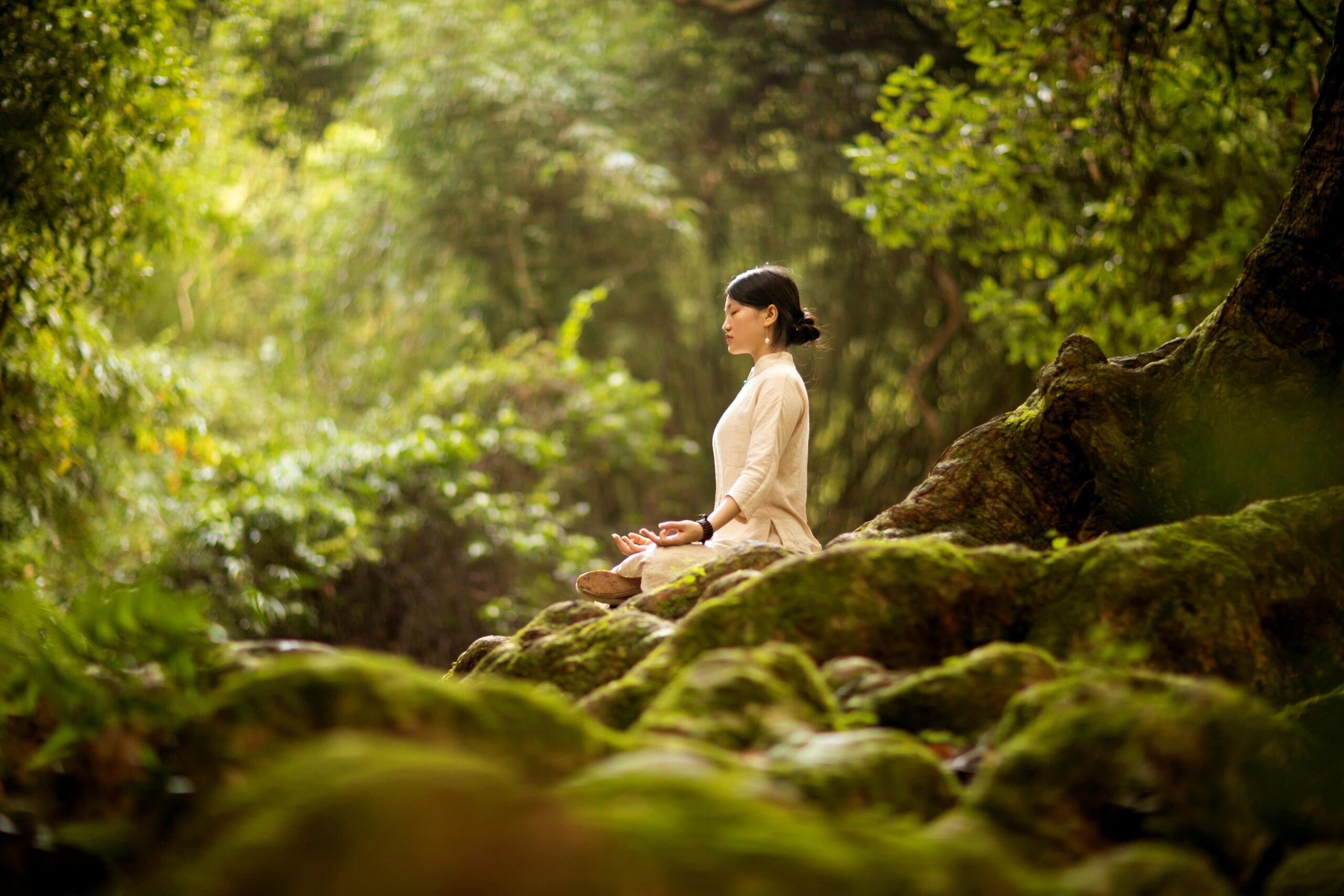
When we practice mindfulness in nature—whether through Buddhist meditation, Japanese forest bathing, indigenous sitting, or Scandinavian friluftsliv—we tap into something larger than individual wellness. We participate in an ancient human tradition of finding wisdom, peace, and purpose through conscious relationship with the living world.
This isn’t nostalgia for the past or rejection of modernity. It’s practical wisdom for navigating present complexity while cultivating the awareness and compassion needed for sustainable futures. Each culture’s approach offers unique gifts, and together they form a tapestry of understanding about human consciousness and our place within nature.
The invitation is simple: step outside, breathe consciously, open your senses, and be present with whatever nature surrounds you. In doing so, you join a global community spanning continents and centuries, all discovering the same essential truth—that mindfulness and nature aren’t separate from ordinary life, but the very foundation of living fully, consciously, and harmoniously in this remarkable world we share.