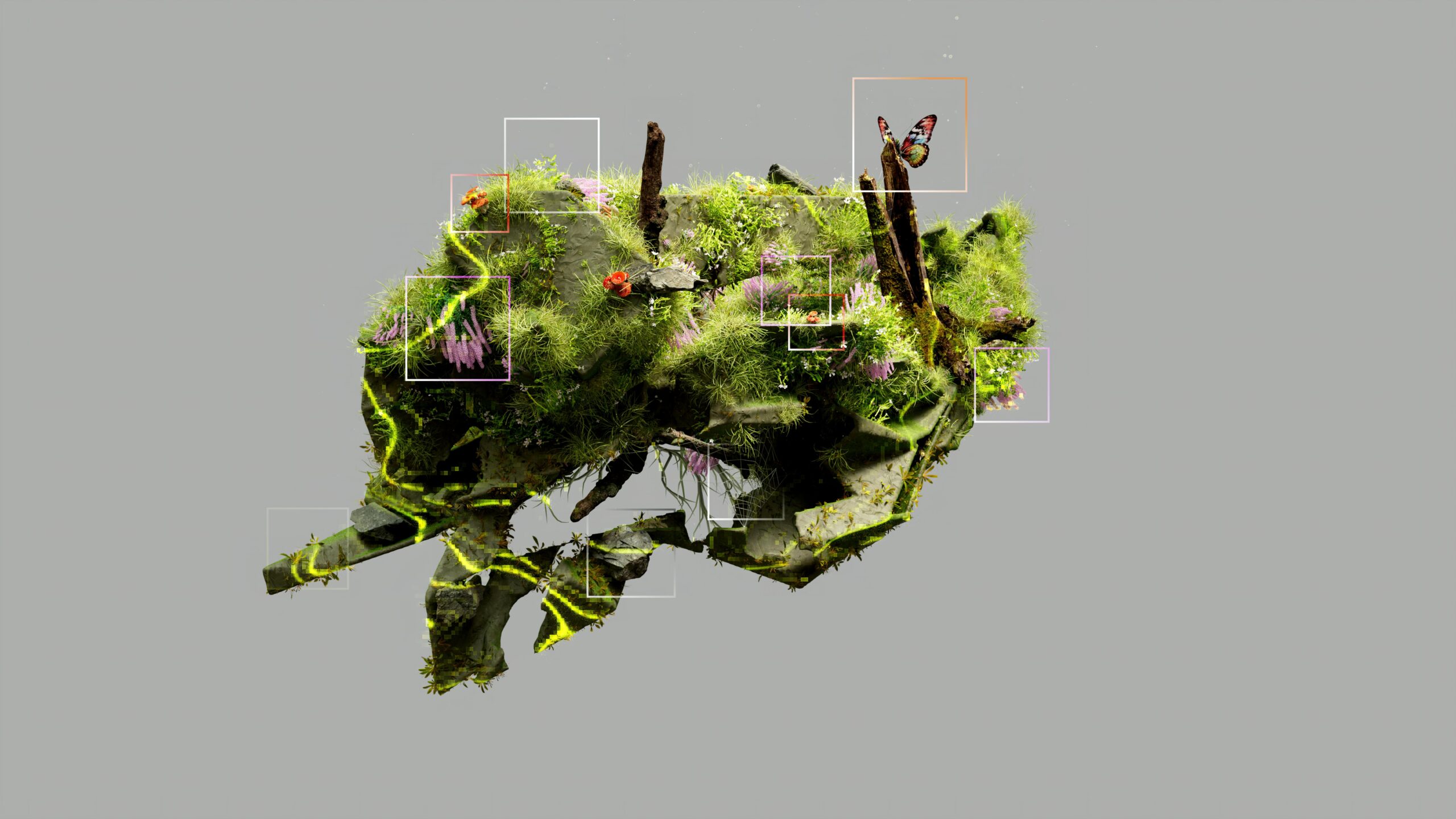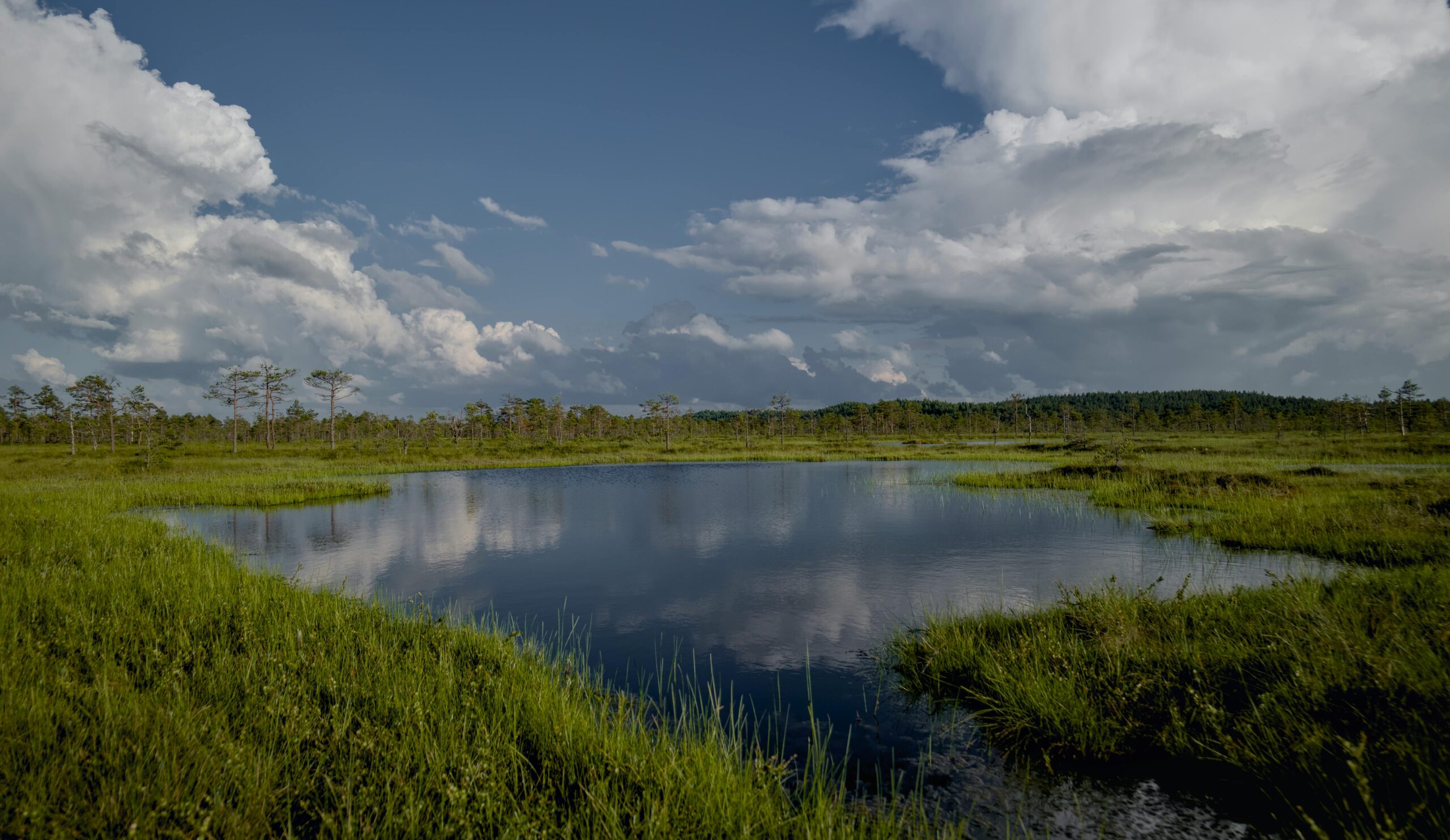
Our modern lives often disconnect us from the rich sensory experiences surrounding us. Rediscovering how to fully engage our senses opens pathways to deeper environmental awareness and enhanced perception.

🌿 The Forgotten Language of Our Senses
In an age dominated by screens and digital notifications, we’ve gradually dulled our natural ability to perceive the world through our five senses. Our ancestors relied heavily on acute sensory awareness for survival—detecting subtle changes in weather, identifying safe food sources, and navigating complex environments. Today, this innate capability remains within us, waiting to be reawakened.
Sensory awareness represents more than just passive reception of stimuli. It involves active, conscious engagement with our environment through sight, sound, touch, taste, and smell. When we cultivate this awareness, we unlock a dimension of experience that enriches our daily lives, reduces stress, and connects us more deeply to the world around us.
Research in neuroscience demonstrates that sensory engagement activates multiple brain regions simultaneously, enhancing memory formation, emotional regulation, and cognitive function. By training ourselves to notice sensory details we typically overlook, we create new neural pathways that support mindfulness, creativity, and environmental consciousness.
👁️ Visual Perception: Seeing Beyond the Surface
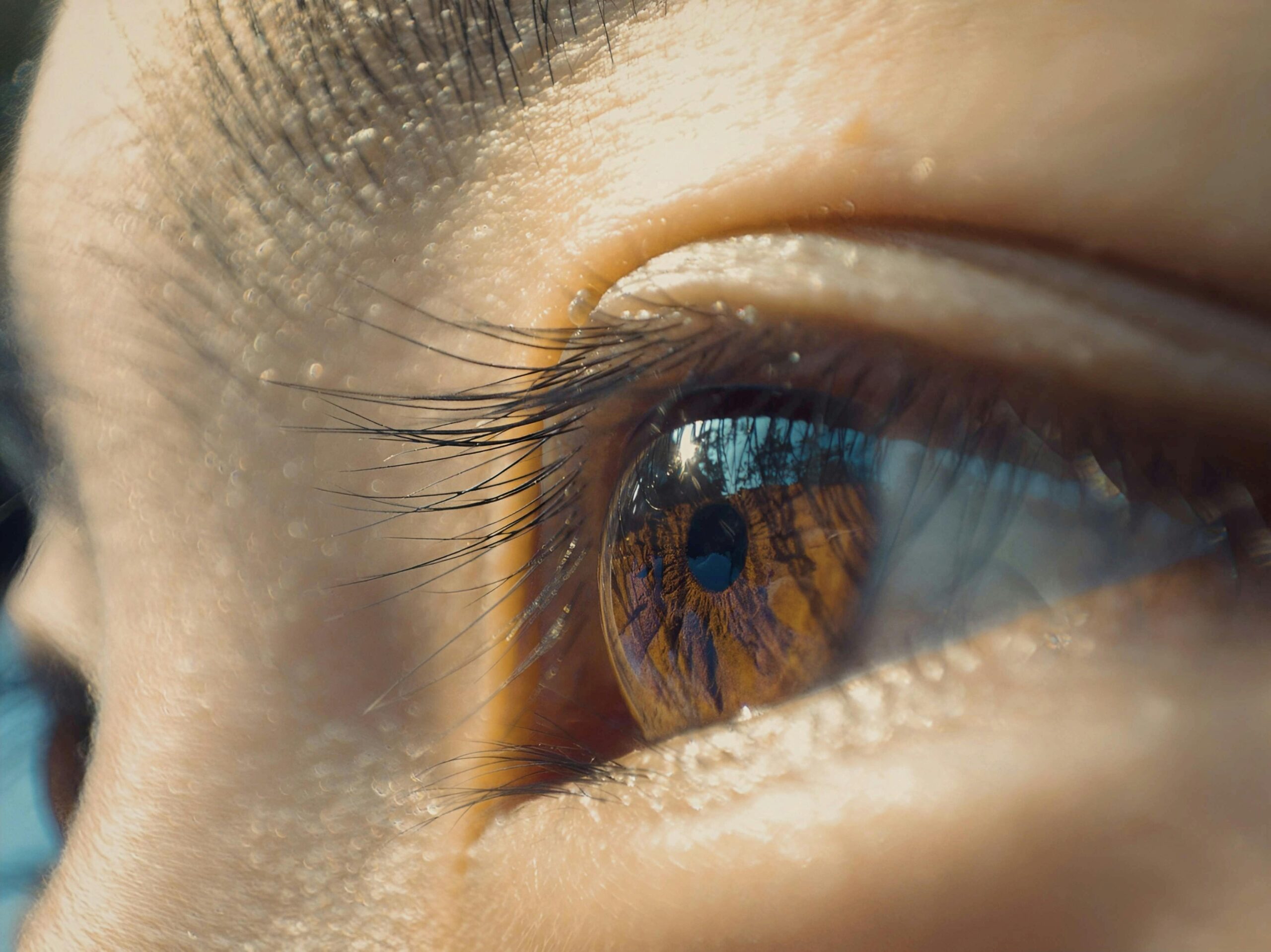
Vision dominates our sensory experience, yet most of us see without truly observing. Enhancing visual awareness begins with intentional looking—noticing colors, patterns, movements, and spatial relationships that typically escape our attention.
Practice color observation by identifying subtle variations in your environment. That “green” tree actually contains dozens of hues—lime, emerald, sage, olive, and forest green all coexisting in a single canopy. The sky transitions through countless shades throughout the day, from pale rose at dawn to deep indigo at dusk.
Training Your Visual Awareness
Begin with simple exercises that sharpen visual perception. Select a natural object—a leaf, stone, or flower—and observe it for five full minutes. Notice every detail: texture variations, color gradations, imperfections, and unique characteristics. This focused attention trains your brain to perceive details it normally filters out.
Peripheral vision exercises expand your visual field awareness. While focusing on a central point, practice noticing movement and objects at the edges of your vision. This technique not only enhances safety and spatial awareness but also connects you to the dynamic nature of your environment.
👂 Acoustic Awareness: The Symphony of Silence
Sound surrounds us constantly, yet we’ve learned to tune out most auditory information as “background noise.” Developing acoustic awareness means rediscovering the rich soundscape that exists in every environment, from bustling cities to quiet forests.
Natural environments offer particularly valuable opportunities for auditory training. In any outdoor setting, pause and identify individual sounds—bird calls, rustling leaves, flowing water, insect buzzing. Notice how sounds layer upon each other, creating complex acoustic textures. Observe how sound changes with distance, weather conditions, and time of day.
Urban environments present different but equally rich soundscapes. The rhythm of footsteps on different surfaces, the doppler effect of passing vehicles, the acoustic signatures of various neighborhoods—all contribute to the auditory identity of a place.
Sound Meditation Practices
Dedicate ten minutes to pure listening. Sit comfortably and identify sounds without labeling or judging them. Notice the nearest sounds, then gradually extend your awareness to more distant ones. Observe how sounds arise, persist, and fade. This practice cultivates presence while enhancing auditory discrimination.
Recording and analyzing environmental sounds can deepen acoustic awareness. Several applications help capture and visualize sound frequencies, revealing acoustic patterns invisible to casual listening. These tools transform abstract sound waves into visual representations, bridging multiple sensory modes.
🤲 Tactile Exploration: The Wisdom of Touch
Touch provides direct, unmediated contact with physical reality. Yet modern life minimizes tactile diversity—we primarily experience smooth screens, manufactured textures, and climate-controlled environments. Reawakening tactile awareness requires intentionally seeking varied touch experiences.
Natural materials offer the greatest textural diversity. Tree bark ranges from smooth birch to rough oak. Stones vary from river-polished smoothness to sharp crystalline edges. Grasses, mosses, and leaves each present unique tactile signatures. Regular engagement with these textures grounds us in physical reality.
Developing Tactile Sensitivity
Practice blind touch identification. Close your eyes and explore objects solely through touch, noting temperature, texture, weight, and shape. This exercise strengthens the sensory pathways between hands and brain, enhancing proprioception and spatial awareness.
Temperature awareness represents another dimension of tactile perception. Notice subtle temperature variations in different environments—the coolness of shade versus sun-warmed surfaces, the thermal properties of different materials, the way air temperature changes throughout the day.
Barefoot walking on varied surfaces dramatically increases tactile input. Different terrains—grass, sand, smooth stones, forest floors—provide rich sensory information while strengthening foot muscles and improving balance. This practice reconnects us to earth contact that shoes eliminate.
👃 Olfactory Awareness: Following Your Nose
Smell connects directly to memory and emotion centers in the brain, making olfactory experiences particularly powerful for environmental perception. Yet smell remains our most neglected sense in modern culture.
Every environment possesses a distinctive scent profile. Forests smell of decomposing leaves, pine resin, and damp earth. Cities blend coffee, exhaust, food aromas, and countless chemical signatures. Coastal areas carry salt spray, seaweed, and fish markets. Learning to consciously identify these olfactory signatures enhances place recognition and memory.
Training Your Olfactory Perception
Begin with aromatic plants and natural materials. Crush herbs between your fingers, smell different woods, notice how flowers vary in scent intensity throughout the day. Create a personal scent vocabulary that moves beyond simple “good” or “bad” categorizations.
Practice scent mapping in familiar environments. Notice how smell changes with location, weather, and season. Rain on hot pavement creates distinctive petrichor. Autumn leaves develop their characteristic spicy-sweet decay. Spring brings fresh growth aromas. These olfactory markers orient us temporally and spatially.
👅 Taste: Beyond the Plate
While taste typically associates with eating, gustatory awareness extends beyond meals. The taste of rain, the metallic tang before a storm, the freshness of mountain air—these subtle taste experiences connect us to environmental conditions.
Mindful eating practices enhance taste perception while teaching attention skills applicable to other senses. Eat slowly, identifying individual flavors, textures, and temperature sensations. Notice how taste evolves throughout chewing. Observe aftertaste and how flavors interact.
Wild Food Awareness
Safely identifying and tasting wild edibles provides intensive sensory training. This practice requires careful visual observation, texture assessment, smell identification, and taste discrimination—engaging multiple senses simultaneously. Always learn from experts and never consume unidentified plants.
🧠 Synesthetic Integration: Where Senses Meet
The most profound sensory experiences occur when multiple senses work together, creating rich, multidimensional perceptions. A forest walk engages sight (dappled light), sound (birdsong), touch (breeze), smell (pine), and potentially taste (wild berries)—creating memorable, embodied experiences.
Deliberately combining sensory inputs strengthens neural connections. When observing a flower, also smell it, feel its petals, and listen to insects it attracts. This multi-sensory approach creates robust memory encoding and deeper appreciation.
Cross-Sensory Exercises
Experiment with sensory translation exercises. Describe a sound using visual terms, or a color using tactile descriptors. These practices reveal connections between sensory modes while enhancing creativity and perceptual flexibility.
🌍 Environmental Perception and Ecological Awareness
Enhanced sensory awareness naturally leads to deeper ecological consciousness. When we truly perceive our environment, we notice seasonal changes, weather patterns, animal behaviors, and plant cycles that busy modern life obscures.
This awareness fosters environmental concern rooted in direct experience rather than abstract concepts. We protect what we notice, value what we experience, and care for what we truly perceive. Sensory engagement transforms environmental protection from duty to natural response.
Seasonal Sensory Observation
Track seasonal changes through all senses. Notice how light quality shifts throughout the year, how soundscapes change with bird migration and insect lifecycles, how smells vary from spring flowers to autumn decay. This practice reveals natural rhythms and deepens place attachment.
📱 Technology and Sensory Enhancement
While technology often diminishes sensory awareness, certain tools can actually enhance perceptual abilities. Applications that identify bird calls train our ears to distinguish songs we previously ignored. Plant identification apps encourage close visual observation. Sound visualization tools reveal acoustic patterns.
Nature identification applications combine multiple sensory inputs—visual observation, location data, seasonal information—to teach ecological relationships. These tools serve as training wheels, eventually allowing independent identification and deeper environmental literacy.
Meditation and mindfulness applications guide sensory awareness exercises, providing structured practices for developing perceptual skills. These guided sessions teach attention control applicable across all sensory modes.
🏙️ Urban Sensory Awareness: Finding Nature in Cities
City dwellers face unique challenges and opportunities for sensory development. Urban environments often seem sensorily overwhelming yet paradoxically monotonous. Learning to find sensory richness in cities makes daily life more engaging.
Urban nature—street trees, park birds, weather patterns—provides accessible sensory experiences. Notice how light reflects differently off glass, steel, and stone. Observe microclimate variations between shaded streets and sunny plazas. Track bird species adapted to city life.
Creating Sensory Rituals
Establish daily practices that engage your senses. A morning walk focusing on sounds, lunch eaten outdoors with attention to taste and smell, evening sky observation—these rituals structure sensory awareness into routine life.
🎯 Practical Daily Practices for Sensory Awakening
Developing sensory awareness requires consistent practice rather than occasional intensive experiences. Small daily commitments yield significant perceptual improvements over time.
- Begin each day with a sensory scan: notice five things you see, four you hear, three you feel, two you smell, one you taste
- Take a weekly “sense walk” focusing exclusively on one sense throughout the journey
- Practice eating one meal daily without screens or reading, focusing entirely on taste and texture
- Spend five minutes before sleep identifying sounds in your environment
- Touch natural objects daily—a houseplant, outdoor tree, stone, or flower
- Keep a sensory journal noting interesting perceptions and how they evolve
🌟 The Transformative Power of Sensory Presence
As sensory awareness develops, you’ll notice profound changes extending beyond perception. Stress decreases because attention anchors in present experience rather than anxious future-thinking or regretful past-dwelling. Appreciation for simple experiences increases. Memory improves through richer sensory encoding. Creativity flourishes as new perceptual connections form.
You’ll discover that the world contains far more beauty, interest, and complexity than you previously recognized. An ordinary walk becomes an adventure in perception. A familiar space reveals previously unnoticed details. Meals transform from fuel consumption to sensory celebrations.
This awakened state represents not a destination but an ongoing practice. Our senses naturally dull through habituation, requiring regular intentional engagement to maintain sensitivity. Yet this practice itself becomes rewarding—a source of joy, wonder, and connection.
🌱 Growing Your Sensory Awareness Journey
Begin wherever you are with whatever sense feels most accessible. Visual learners might start with color observation. Musically inclined people might explore soundscapes. Those who love cooking might begin with taste exploration. There’s no wrong entry point.
Gradually expand to include other senses, noticing which feel underdeveloped in your experience. Many people discover they’ve neglected smell or touch, finding that developing these senses opens entirely new perceptual dimensions.
Connect with others sharing this journey. Describing sensory experiences to friends helps articulate perceptions while encouraging their awareness. Group nature walks focused on sensory observation combine social connection with perceptual development.
The path to enhanced environmental perception through sensory awareness offers lifelong exploration. Each season, location, and life phase presents new sensory territories to discover. Your senses—those ancient tools connecting you to reality—await your attention, ready to reveal the extraordinary richness existing within ordinary moments.
By awakening your senses, you don’t just perceive the environment differently; you inhabit it more fully, participating in the continuous sensory conversation between organism and world that defines living experience. This conversation has continued since life’s beginning, and through sensory awareness, you consciously join this ancient, ongoing exchange.