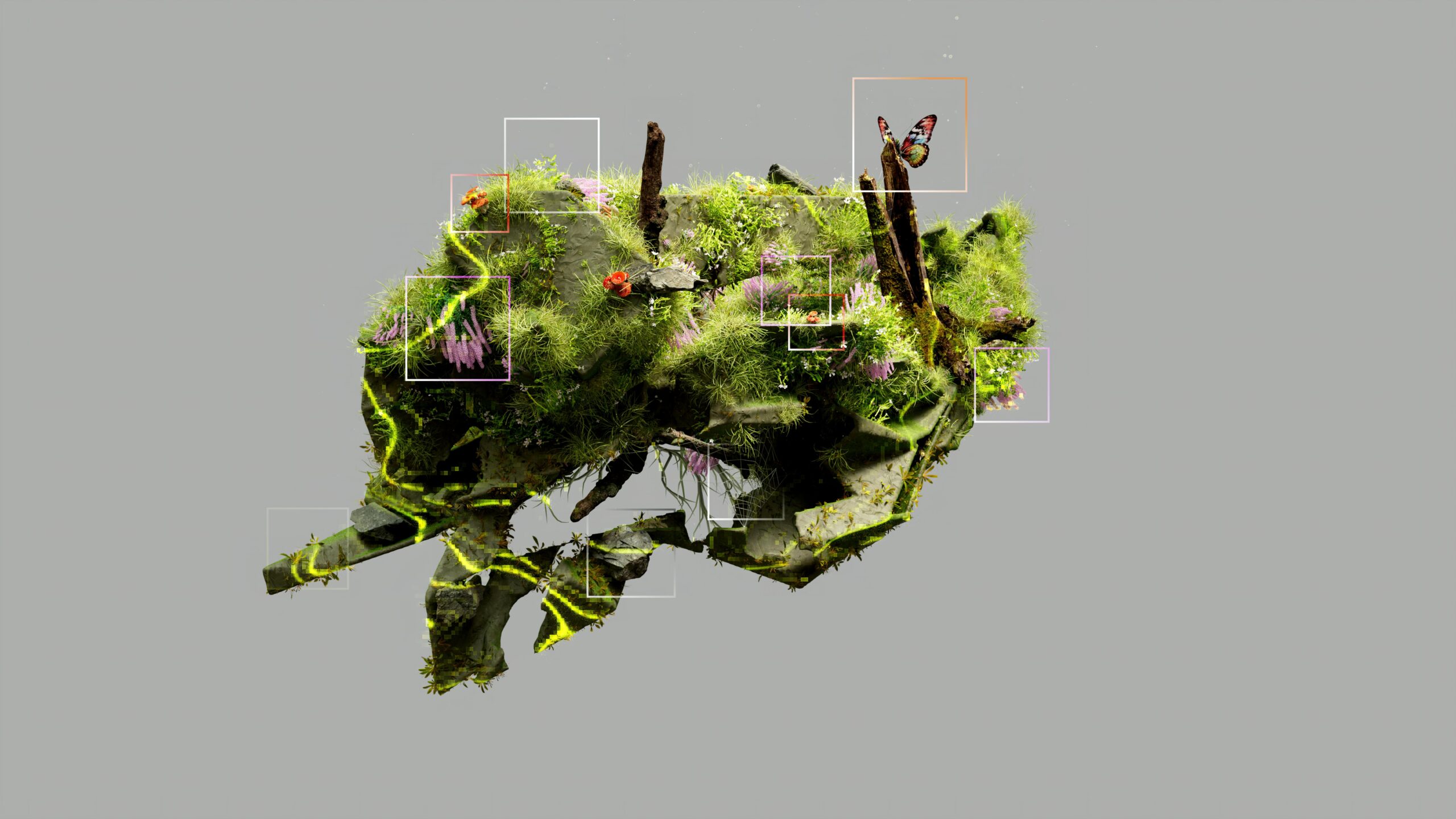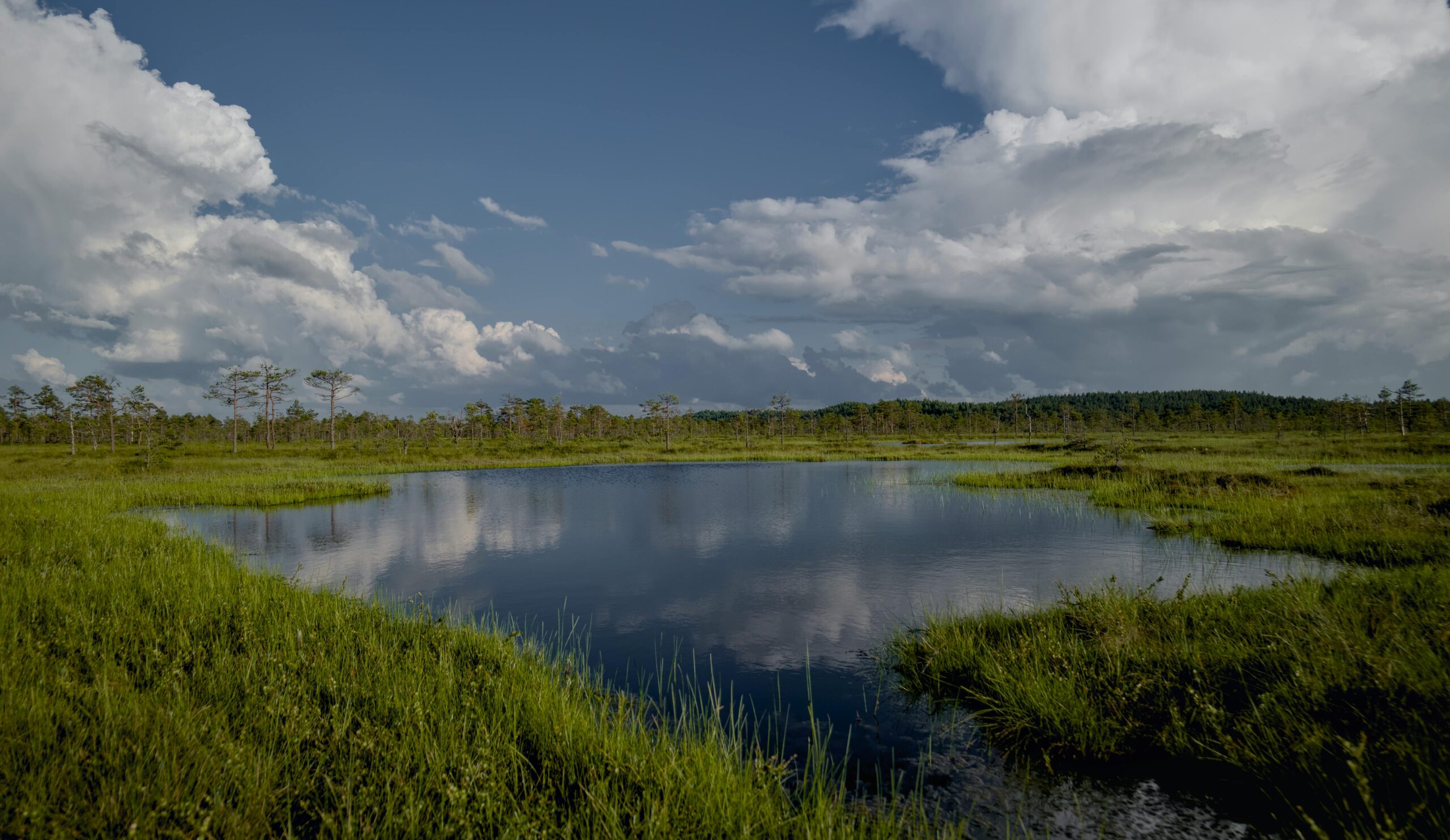
Biophilic design transforms sterile environments into living sanctuaries by reconnecting humans with nature through intentional architectural and interior design strategies.

🌿 Understanding Biophilia: The Science Behind Our Nature Connection
The term “biophilia” was popularized by biologist Edward O. Wilson in the 1980s, describing humanity’s innate tendency to seek connections with nature and other forms of life. This biological predisposition isn’t merely aesthetic preference—it’s hardwired into our DNA through millions of years of evolution. Our ancestors survived by developing intimate knowledge of natural environments, and this fundamental connection continues to influence our psychological and physiological well-being today.
Research consistently demonstrates that exposure to natural elements reduces stress hormones, lowers blood pressure, and improves cognitive function. A groundbreaking study by Roger Ulrich in 1984 revealed that hospital patients with views of trees recovered faster and required less pain medication than those facing brick walls. This discovery sparked decades of investigation into how nature affects human health and performance.
Modern neuroscience has identified specific brain responses to natural stimuli. When we encounter natural patterns, colors, and textures, our parasympathetic nervous system activates, promoting relaxation and restoration. This physiological response explains why biophilic spaces feel inherently comfortable and why people consistently report improved mood and productivity in nature-rich environments.
🏗️ The Core Patterns of Biophilic Architecture
Successful biophilic design relies on fourteen interconnected patterns divided into three categories: Nature in the Space, Natural Analogues, and Nature of the Space. Understanding these patterns provides the blueprint for creating environments that genuinely support human well-being rather than merely incorporating decorative greenery.
Direct Experiences with Nature
The most straightforward approach involves incorporating living systems directly into built environments. Visual connections with nature remain paramount—strategically positioned windows, skylights, and transparent walls that frame outdoor views create immediate psychological benefits. However, the relationship extends beyond vision to engage all senses.
Non-visual connections matter equally. The sound of flowing water, whether from fountains or carefully designed water features, masks disruptive noise while providing calming auditory stimulation. Natural ventilation systems that allow fresh air circulation connect occupants with seasonal changes and weather patterns. Incorporating plants doesn’t just improve aesthetics—they actively purify air, regulate humidity, and release beneficial compounds called phytoncides.
Dynamic and diffuse lighting patterns that mimic natural light cycles support circadian rhythms, improving sleep quality and daytime alertness. Rather than relying solely on uniform artificial lighting, successful biophilic spaces integrate daylight harvesting systems, adjustable lighting temperatures, and indirect illumination that creates the soft, varied quality found in natural environments.
Indirect Nature Through Analogues
When direct nature integration proves impractical, natural analogues offer powerful alternatives. These design elements evoke nature without incorporating living organisms. Biomorphic forms and patterns—shapes, surfaces, and compositions that reference natural structures—trigger the same neural responses as direct nature contact.
Material connections play crucial roles. Wood, stone, clay, and natural fibers possess visual and tactile properties that synthetic materials cannot replicate. The grain patterns in wood, the crystalline structure of stone, and the irregular texture of natural textiles all contain the organized complexity characteristic of natural systems.
Fractal patterns deserve special attention. These self-similar patterns repeating at different scales appear throughout nature—in tree branches, river networks, and cloud formations. Research by physicist Richard Taylor demonstrates that viewing fractals with medium complexity (between 1.3 and 1.5 on the fractal dimension scale) produces optimal stress reduction, explaining why patterns like those found in oak trees feel universally appealing.
🎨 Color Palettes and Material Selection Strategies
Color psychology in biophilic design extends beyond choosing “natural” hues. The most effective palettes reflect specific ecosystems and adapt to space functions. Cool greens and blues derived from foliage and water bodies promote concentration and calmness, making them ideal for workspaces and healthcare facilities. Warm earth tones—terracotta, ochre, and sienna—create comfort and security, perfect for residential and hospitality environments.
Successful color implementation considers variation and depth. Nature rarely presents flat, uniform colors. Instead, natural environments display subtle gradations, seasonal changes, and time-of-day variations. Designers can replicate this complexity through layered color strategies, textured surfaces that capture and reflect light differently throughout the day, and seasonal accent modifications.
Material authenticity matters more than superficial appearance. Vinyl flooring printed with wood grain patterns doesn’t provide the same benefits as genuine hardwood because our sensory systems detect differences in thermal conductivity, acoustic properties, and microscopic surface variations. Authentic materials engage multiple senses simultaneously, creating richer, more satisfying experiences.
💧 Water Features: Beyond Visual Appeal
Water represents one of the most powerful biophilic elements, engaging multiple senses while providing practical benefits. The visual movement of water captivates attention in a gentle, restorative manner—what environmental psychologists call “soft fascination,” which allows mental restoration while maintaining alertness.
Acoustic properties deserve careful consideration. Falling water produces white noise that masks disruptive sounds without creating the mechanical quality of electronic sound machines. The frequency spectrum of flowing water naturally complements human speech ranges, making it ideal for spaces requiring both acoustic comfort and communication clarity.
Integrating water features requires understanding scale and context. Large institutional spaces can accommodate dramatic waterfalls or reflecting pools, while residential applications might utilize desktop fountains or wall-mounted water elements. The key lies in proportional integration—water features should feel like organic space components rather than added decorations.
Practical Implementation Considerations
Maintenance requirements significantly impact long-term success. Closed-loop circulation systems with accessible filtration minimize upkeep while ensuring water clarity and sanitation. Material selection should prioritize natural stone or ceramic surfaces that develop attractive patinas rather than synthetic materials that degrade visibly over time.
Energy efficiency and sustainability must guide design decisions. Solar-powered pumps, rainwater harvesting systems, and greywater recycling transform water features from resource-intensive luxuries into environmentally responsible design elements that reinforce the nature connection rather than contradicting it.
🌱 Living Walls and Vertical Gardens: Technical Success Factors
Living walls represent perhaps the most visually striking biophilic intervention, transforming vertical surfaces into thriving ecosystems. However, their success depends on sophisticated understanding of plant biology, irrigation systems, and structural requirements.
Plant selection requires matching species to specific light conditions, humidity levels, and maintenance capabilities. Successful installations typically feature diverse plant communities rather than monocultures, creating visual interest while improving system resilience. Shade-tolerant species like pothos, philodendrons, and certain ferns thrive in interior applications with limited natural light, while sun-loving succulents and flowering species excel in bright, naturally lit spaces.
Irrigation systems range from simple manual watering to sophisticated automated hydroponic networks. Drip irrigation with moisture sensors provides consistent hydration while preventing overwatering—the primary cause of living wall failures. Nutrient delivery systems must balance plant health requirements with preventing algae growth and mineral buildup.
Structural considerations cannot be overlooked. Living walls add significant weight—saturated systems can exceed 30 pounds per square foot—requiring proper structural support and waterproofing. Root barriers protect building envelopes, while drainage systems prevent moisture damage to surrounding surfaces.
☀️ Lighting Design: Mimicking Natural Illumination Cycles
Light profoundly influences human circadian rhythms, hormone production, and cognitive performance. Biophilic lighting strategies move beyond simple brightness levels to replicate the dynamic, multidirectional quality of natural illumination.
Circadian lighting systems adjust color temperature and intensity throughout the day, providing cool, blue-enriched light (5000-6500K) during morning hours to promote alertness, then gradually shifting toward warmer tones (2700-3000K) in evening hours to support melatonin production and sleep preparation. This dynamic approach can improve sleep quality by 20% and increase daytime productivity by 15%, according to research from the Lighting Research Center.
Layered lighting approaches combine ambient, task, and accent lighting to create depth and variation. Rather than relying on overhead fixtures alone, successful biophilic spaces incorporate floor lamps, wall sconces, and indirect uplighting that bounces off ceilings and walls, mimicking how natural light reflects throughout forest environments.
Daylight Harvesting Techniques
Maximizing natural light penetration reduces energy consumption while providing health benefits artificial lighting cannot replicate. Clerestory windows, light tubes, and strategically positioned skylights introduce daylight deep into building interiors. Light shelves—horizontal surfaces positioned above eye level—bounce daylight onto ceilings, distributing illumination evenly throughout spaces.
Glare control balances light admission with visual comfort. Automated shading systems, translucent materials, and vegetation screens filter harsh direct sunlight while maintaining connection with outdoor conditions. The goal involves creating what lighting designers call “daylit environments”—spaces where natural light provides primary illumination supplemented rather than replaced by artificial sources.
🛋️ Spatial Configuration and Prospect-Refuge Theory
Environmental psychologist Jay Appleton’s prospect-refuge theory explains innate human preferences for spatial configurations offering both open views (prospect) and protected enclosures (refuge). This evolutionary adaptation—favoring positions allowing threat detection while providing safety—continues influencing how we experience and judge spaces.
Successful biophilic design balances these competing needs. Window seats with overhead canopies, alcoves with views into larger spaces, and semi-enclosed workstations satisfy refuge instincts while maintaining visual connection. Conversely, elevated positions, transparent boundaries, and unobstructed sightlines fulfill prospect requirements.
Spatial hierarchy creates varied experiences throughout buildings. Rather than monotonous open plans or corridor-lined cellular offices, biophilic environments incorporate diverse zone types—social hubs, quiet retreats, transition spaces, and outlook points—allowing occupants to select settings matching their momentary needs and preferences.
🏢 Case Studies: Biophilic Design in Practice
Amazon’s Seattle headquarters features three glass-domed conservatories housing over 40,000 plants from cloud forest ecosystems. Employees report the Spheres provide unique spaces for creative thinking and informal collaboration, demonstrating how significant biophilic investment yields cultural and productivity returns beyond conventional office environments.
Singapore’s Khoo Teck Puat Hospital integrates extensive gardens, water features, and natural ventilation throughout patient and staff areas. Clinical outcomes improved measurably—patient satisfaction increased by 30%, staff turnover decreased by 45%, and recovery times shortened compared to traditional hospital facilities. The design proves that biophilic strategies deliver quantifiable healthcare improvements, not merely aesthetic enhancements.
The Bullitt Center in Seattle achieved Living Building Challenge certification through radical biophilic integration. The six-story structure generates its own energy, captures rainwater, treats wastewater through constructed wetlands, and incorporates extensive daylighting and natural ventilation. Occupants report exceptional satisfaction, and the building demonstrates that sustainability and biophilic design reinforce rather than compromise each other.
📊 Measuring Success: Metrics That Matter
Quantifying biophilic design effectiveness requires multiple assessment approaches. Post-occupancy evaluations combine environmental measurements with occupant surveys to establish comprehensive performance pictures.
Physiological metrics include stress biomarkers like cortisol levels, heart rate variability indicating nervous system balance, and sleep quality measurements through actigraphy. Workplace studies document productivity changes, absenteeism rates, and creative output improvements. Educational environments track attention span, test performance, and behavioral incidents.
Environmental quality measurements encompass air quality parameters, acoustic comfort levels, thermal stability, and lighting adequacy. These objective data points complement subjective experience reports, creating evidence-based understanding of design intervention effectiveness.
| Assessment Category | Key Metrics | Expected Improvements |
|---|---|---|
| Physiological | Cortisol levels, blood pressure, heart rate variability | 10-25% stress reduction |
| Cognitive | Attention span, memory recall, creative problem-solving | 15-30% performance gains |
| Behavioral | Absenteeism, staff retention, patient recovery rates | 20-45% improvement |
| Environmental | VOC levels, acoustic comfort, thermal stability | Meets/exceeds WELL Building standards |
🌍 Sustainability and Biophilic Design: Natural Synergies
Authentic biophilic design inherently supports sustainability goals. Living systems improve air quality, regulate temperature and humidity, and provide psychological benefits reducing healthcare costs and resource consumption. This alignment distinguishes genuine biophilic approaches from superficial “greenwashing” that adds decorative plants without systemic integration.
Material selection prioritizes renewable, locally sourced, and low-embodied-energy options. Reclaimed wood, natural stone, clay plasters, and plant-based textiles minimize environmental impact while providing authentic sensory experiences. Lifecycle considerations ensure materials age gracefully, developing attractive patinas rather than requiring replacement or intensive maintenance.
Water conservation strategies utilize drought-tolerant plant species, efficient irrigation systems, and greywater recycling. Energy efficiency improves through daylighting strategies, natural ventilation, and thermal mass provided by stone and masonry elements. These practical benefits demonstrate that biophilic design delivers financial and environmental returns alongside human wellbeing improvements.
🔮 Future Directions: Technology Meets Nature
Emerging technologies expand biophilic possibilities while raising important questions about authenticity and effectiveness. High-resolution nature imagery displays, virtual reality nature experiences, and artificial windows showing real-time outdoor scenes provide biophilic access where physical nature integration proves impossible.
Research suggests these technological interventions provide measurable benefits, though typically less pronounced than direct nature contact. Virtual nature experiences reduce stress and improve mood compared to urban imagery or abstract patterns, making them valuable supplementary strategies for windowless spaces, underground facilities, or extreme climate environments.
Smart building systems can optimize biophilic element performance through sensor networks monitoring plant health, adjusting irrigation schedules, and modifying lighting conditions. However, technology should enhance rather than replace direct nature experiences, serving as enabler rather than substitute for authentic environmental connections.
🎯 Implementation Roadmap: From Concept to Reality
Successful biophilic projects begin with stakeholder alignment around shared goals and success metrics. Design teams should include biophilic specialists, horticulturists, and environmental psychologists alongside architects and engineers, ensuring expertise spans biological, psychological, and technical domains.
Phased implementation allows organizations to test approaches, gather data, and refine strategies before full-scale deployment. Pilot projects in representative spaces provide learning opportunities while demonstrating value to skeptical stakeholders. Documentation of outcomes builds evidence supporting broader investment.
Maintenance planning proves as critical as initial design. Living systems require ongoing care—watering schedules, pruning, seasonal adjustments, and periodic replanting. Budget allocations, staff training, and clear responsibility assignments prevent the neglect that transforms promising installations into maintenance burdens.
🌟 Transforming Spaces, Enriching Lives
Biophilic design represents far more than aesthetic trend or sustainability checkbox. It acknowledges fundamental human needs shaped by evolutionary history and addresses the psychological costs of nature disconnection prevalent in contemporary society. By intentionally reintegrating natural elements, patterns, and processes into built environments, designers create spaces supporting human flourishing rather than merely providing shelter.
The evidence base continues expanding, documenting benefits across healthcare, education, workplace, and residential contexts. As climate challenges intensify and urbanization accelerates, biophilic strategies offer pathways toward built environments that heal rather than harm—supporting human wellbeing while respecting ecological limits.
Success requires moving beyond superficial applications toward deep, systemic integration informed by scientific understanding and ecological wisdom. When designers truly embrace nature’s blueprint, they create spaces where humans thrive, reconnecting with the living world that remains our ultimate home regardless of technological advancement or urban development.