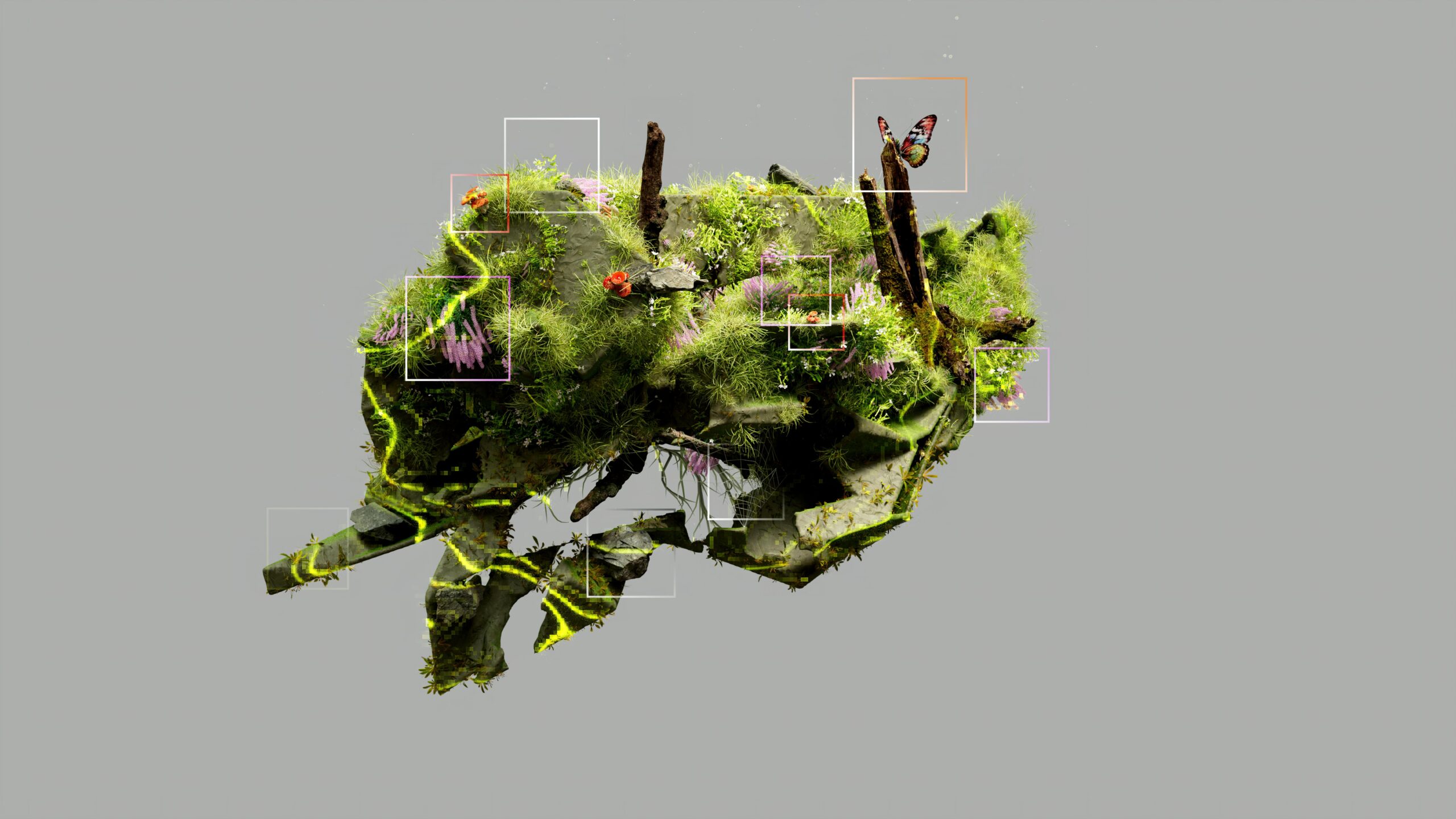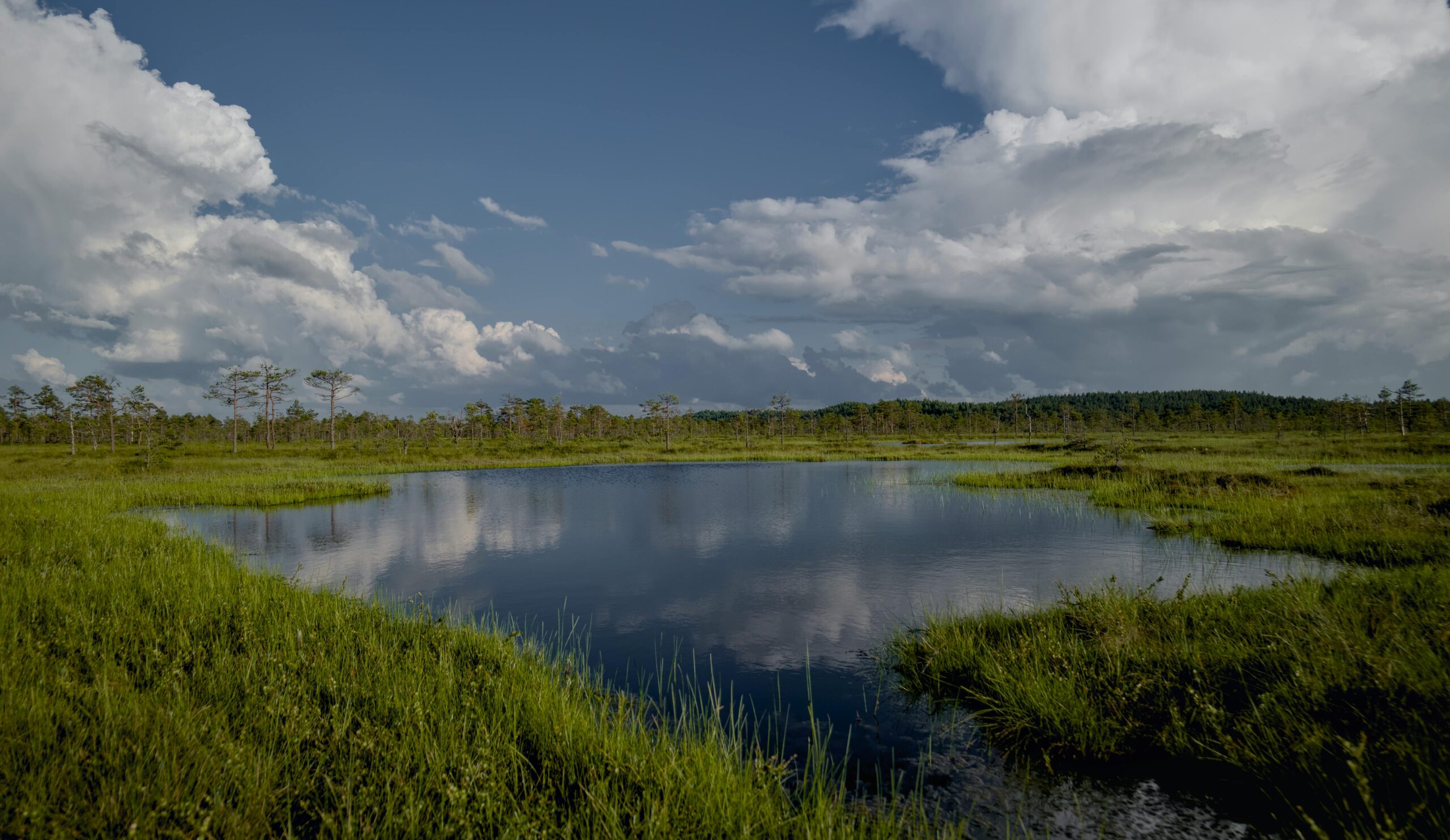
The fusion of natural design principles with cutting-edge technology is reshaping how we create spaces that nurture both human wellbeing and environmental sustainability through collaborative innovation. 🌿

The Emergence of Biophilic Design in Modern Architecture
Biophilic design represents far more than an aesthetic trend in contemporary architecture and urban planning. It embodies a fundamental recognition that human beings possess an innate biological connection to nature—a concept termed “biophilia” by renowned biologist E.O. Wilson. This design philosophy seeks to integrate natural elements, patterns, and processes into built environments, creating spaces that satisfy our evolutionary need for connection with the living world.
The transformative potential of biophilic design becomes fully realized only when professionals from diverse disciplines unite their expertise. Architects, ecologists, engineers, psychologists, and technology specialists must collaborate seamlessly to create environments that authentically harmonize human needs with natural systems. This cross-disciplinary approach ensures that biophilic projects transcend superficial green-washing to deliver measurable benefits for occupants and ecosystems alike.
Research consistently demonstrates that biophilic environments reduce stress, enhance cognitive function, accelerate healing, and improve overall quality of life. Organizations implementing biophilic design principles report increased employee productivity, reduced absenteeism, and higher satisfaction rates. These compelling outcomes drive growing interest in projects that thoughtfully blend nature with innovation.
Breaking Down Disciplinary Silos for Holistic Solutions 🔄
Traditional project development often suffers from compartmentalized thinking, where specialists work in isolation, passing deliverables sequentially without meaningful integration. This siloed approach proves particularly problematic for biophilic projects, which require holistic consideration of multiple interconnected factors—from ecosystem dynamics and building physics to human psychology and technological systems.
Cross-disciplinary collaboration dismantles these barriers by fostering continuous dialogue among diverse specialists from project inception through completion. When ecologists inform architects about local species behavior patterns, engineers can design ventilation systems that accommodate natural airflow while supporting indoor plant life. When psychologists share research about visual connections to nature, lighting designers can optimize circadian rhythm support through dynamic daylight integration.
This collaborative framework generates innovative solutions that no single discipline could achieve independently. The Amazon Spheres in Seattle exemplify this approach, where botanists, structural engineers, and climate control specialists worked together to create a workspace housing over 40,000 plants from cloud forest ecosystems. The project required unprecedented coordination to balance architectural ambition, plant health requirements, and employee comfort.
Building Effective Cross-Disciplinary Teams
Successful collaboration requires more than simply assembling professionals from various fields. Teams need structured processes that facilitate knowledge sharing, mutual respect, and integrated problem-solving. Establishing a common language proves essential, as technical terminology varies dramatically across disciplines and can create communication barriers.
Regular collaborative workshops where team members present their disciplinary perspectives on shared challenges help build this common understanding. Digital collaboration platforms enable real-time information sharing and version control, ensuring all stakeholders access current project data. Project managers specializing in interdisciplinary coordination serve as translators and facilitators, helping diverse specialists appreciate how their work intersects with other domains.
Trust and psychological safety within teams encourage creative risk-taking and honest discussion of constraints. When a structural engineer can candidly explain load limitations without defensiveness, and a landscape architect can propose unconventional solutions without fear of dismissal, the team unlocks innovative possibilities that conventional approaches would never reveal.
Technology as the Bridge Between Nature and Built Environment 💻
Advanced technologies increasingly serve as essential enablers of sophisticated biophilic design. Computational fluid dynamics simulations allow teams to model natural ventilation patterns before construction begins, optimizing building orientation and opening placement to maximize air quality while minimizing energy consumption. These digital tools help predict how natural elements will perform within built environments under varying conditions.
Building Information Modeling (BIM) platforms facilitate unprecedented collaboration by creating shared digital representations of projects that integrate architectural, structural, mechanical, and landscape elements. When a landscape architect modifies green wall specifications in the BIM model, the structural engineer immediately sees updated load requirements, and the irrigation specialist can adjust water distribution systems accordingly. This real-time integration prevents conflicts and enables rapid iteration.
Sensor networks and Internet of Things (IoT) technologies enable biophilic buildings to respond dynamically to environmental conditions and occupant needs. Smart glass adjusts tint based on sunlight intensity, maintaining visual connections to exterior landscapes while managing glare and heat gain. Automated irrigation systems monitor plant health indicators and adjust watering schedules to maintain optimal growing conditions without waste.
Data-Driven Biophilic Design
The integration of data analytics transforms biophilic design from intuitive practice to evidence-based discipline. Environmental sensors track air quality, humidity, temperature, and light levels throughout buildings, generating datasets that reveal how biophilic interventions affect indoor environmental quality. Occupancy sensors and wellness surveys capture human responses to these environments, creating feedback loops that inform continuous improvement.
Machine learning algorithms can analyze these complex datasets to identify patterns and correlations invisible to human observation. They might discover that specific plant arrangements optimize air purification in particular spatial configurations, or that certain natural material combinations enhance acoustic comfort in unexpected ways. These insights enable designers to make increasingly informed decisions backed by empirical evidence rather than assumptions.
Virtual and augmented reality technologies allow stakeholders to experience proposed biophilic designs before construction begins. Clients can virtually walk through spaces filled with planned vegetation, experiencing sightlines, spatial proportions, and natural light quality. This immersive preview facilitates more informed decision-making and helps non-technical stakeholders appreciate design intentions that might be difficult to grasp from traditional drawings.
Ecological Intelligence Meets Engineering Precision 🌱
The most compelling biophilic projects emerge when ecological understanding directly informs engineering solutions. Rather than treating nature as decoration applied to completed structures, integrated teams design buildings as active participants in local ecosystems. Living roofs don’t merely provide aesthetic appeal—they manage stormwater, reduce urban heat island effects, provide habitat for pollinators, and extend roof membrane lifespan by protecting it from UV exposure and temperature extremes.
Ecologists bring critical knowledge about species interactions, seasonal patterns, and ecosystem processes that engineers can translate into technical specifications. Understanding that certain native plant species support specific beneficial insect populations enables designers to create green spaces that actively contribute to urban biodiversity. Knowledge about root system behaviors informs structural designs that accommodate vegetation without compromising building integrity.
Biomimicry represents a particularly powerful intersection of ecological intelligence and engineering innovation. By studying how natural systems solve problems—how termite mounds regulate temperature, how mussel adhesion works underwater, or how plant leaves shed water—designers develop novel solutions for built environment challenges. The Eastgate Centre in Zimbabwe famously applied termite mound ventilation principles to create a building that maintains comfortable temperatures without conventional air conditioning.
Regenerative Design Beyond Sustainability
Cross-disciplinary biophilic collaboration increasingly embraces regenerative design principles that go beyond minimizing harm to actively improving environmental and social conditions. While sustainable design aims for neutral impact, regenerative approaches seek positive contributions to ecological and community health. This ambitious goal requires even more sophisticated integration of diverse expertise.
Regenerative projects consider entire life cycles and broader system impacts. Material scientists collaborate with ecologists to source building materials that sequester carbon, support responsible forestry practices, and create opportunities for end-of-life reuse or biodegradation. Hydrologists work with landscape architects to design water systems that capture, clean, and infiltrate stormwater, recharging aquifers rather than overwhelming municipal infrastructure.
Social scientists and community engagement specialists ensure that biophilic projects serve diverse populations equitably. They help identify how different cultural groups relate to nature and use outdoor spaces, ensuring designs accommodate varied preferences and needs. This human-centered approach prevents biophilic projects from becoming exclusive amenities accessible only to privileged populations.
Overcoming Collaboration Challenges in Complex Projects 🎯
Despite its transformative potential, cross-disciplinary collaboration faces significant obstacles that teams must navigate skillfully. Professional cultures vary substantially across disciplines, with different communication styles, decision-making processes, and quality standards. Architects may prioritize aesthetic vision, while engineers focus on structural performance and code compliance. These different orientations can generate conflicts if not managed proactively.
Budget constraints and project timelines create pressure to follow established procedures rather than invest time in collaborative exploration. Clients accustomed to conventional delivery methods may resist the additional coordination effort required for integrated approaches, perceiving it as schedule risk rather than value enhancement. Demonstrating the long-term benefits of thorough upfront collaboration requires patience and compelling case studies.
Liability concerns sometimes discourage innovation, as professionals worry about responsibility when projects push beyond standard practices. Clear contractual frameworks that define roles, responsibilities, and risk-sharing arrangements help alleviate these concerns. Integrated project delivery methods that align incentives across disciplines encourage collaborative problem-solving rather than defensive positioning.
Cultivating Collaborative Competencies
Educational institutions increasingly recognize the need to prepare future professionals for cross-disciplinary practice. Progressive programs incorporate collaborative studios where architecture, engineering, and landscape architecture students work together on integrated design challenges. These experiences build comfort with interdisciplinary communication and appreciation for diverse professional perspectives.
Professional development opportunities focused on collaboration skills help practicing professionals enhance their interdisciplinary capabilities. Workshops on active listening, conflict resolution, and systems thinking equip team members with tools for productive collaboration. Learning about adjacent disciplines’ constraints, priorities, and methodologies builds empathy and enables more effective communication.
Industry organizations and certification programs increasingly emphasize integrated practice. The WELL Building Standard and Living Building Challenge explicitly require cross-disciplinary coordination to achieve certification, incentivizing collaborative approaches. Professional conferences that bring together diverse disciplines around shared themes like biophilic design create networking opportunities and knowledge exchange that strengthen collaborative practice.
Case Studies: Collaboration Creating Impact 🏗️
Singapore’s Changi Airport Terminal 4 demonstrates exceptional biophilic design through extensive collaboration. The project integrated expertise from airport operations specialists, horticulturists, structural engineers, and passenger experience designers to create an environment that reduces travel stress while celebrating Singapore’s “garden city” identity. The interior forest features carefully selected plant species that thrive in controlled indoor conditions while requiring minimal maintenance, balancing ecological authenticity with operational practicality.
The Bullitt Center in Seattle achieved Living Building Challenge certification through unprecedented collaboration among architects, energy modelers, material scientists, and building systems engineers. The team collectively solved complex challenges like creating a composting toilet system acceptable to building codes, sourcing materials free from red-list chemicals, and designing a structure that generates more energy than it consumes. No single discipline could have achieved these ambitious goals independently.
Copenhagen’s urban planning initiatives showcase cross-disciplinary collaboration at city scale. Climate adaptation specialists work with landscape architects, urban ecologists, and civil engineers to design streets and public spaces that manage increasing rainfall through biophilic infrastructure. These “cloudburst management” solutions create attractive parks and linear greenways that serve as water retention systems during storms, providing multiple community benefits while addressing climate resilience.
Future Horizons: Emerging Technologies and Possibilities 🚀
Artificial intelligence and generative design tools will increasingly augment cross-disciplinary collaboration by exploring vast solution spaces that exceed human analytical capacity. These systems can simultaneously optimize for multiple objectives—structural efficiency, energy performance, daylighting quality, biophilic element integration, and cost—generating innovative design options that balance competing priorities in unexpected ways.
Advances in materials science promise new possibilities for integrating living systems with building structures. Bio-integrated materials that incorporate living organisms, self-healing concrete that uses bacteria to repair cracks, and photosynthetic building skins that clean air while generating energy represent emerging frontiers where biological and technological innovation converge.
Digital twins—continuously updated virtual representations of physical buildings fed by real-time sensor data—will enable unprecedented understanding of how biophilic interventions perform over time. These systems will reveal how vegetation growth affects building performance, how seasonal changes impact occupant experience, and how maintenance practices influence long-term outcomes. This feedback will inform increasingly sophisticated future projects.
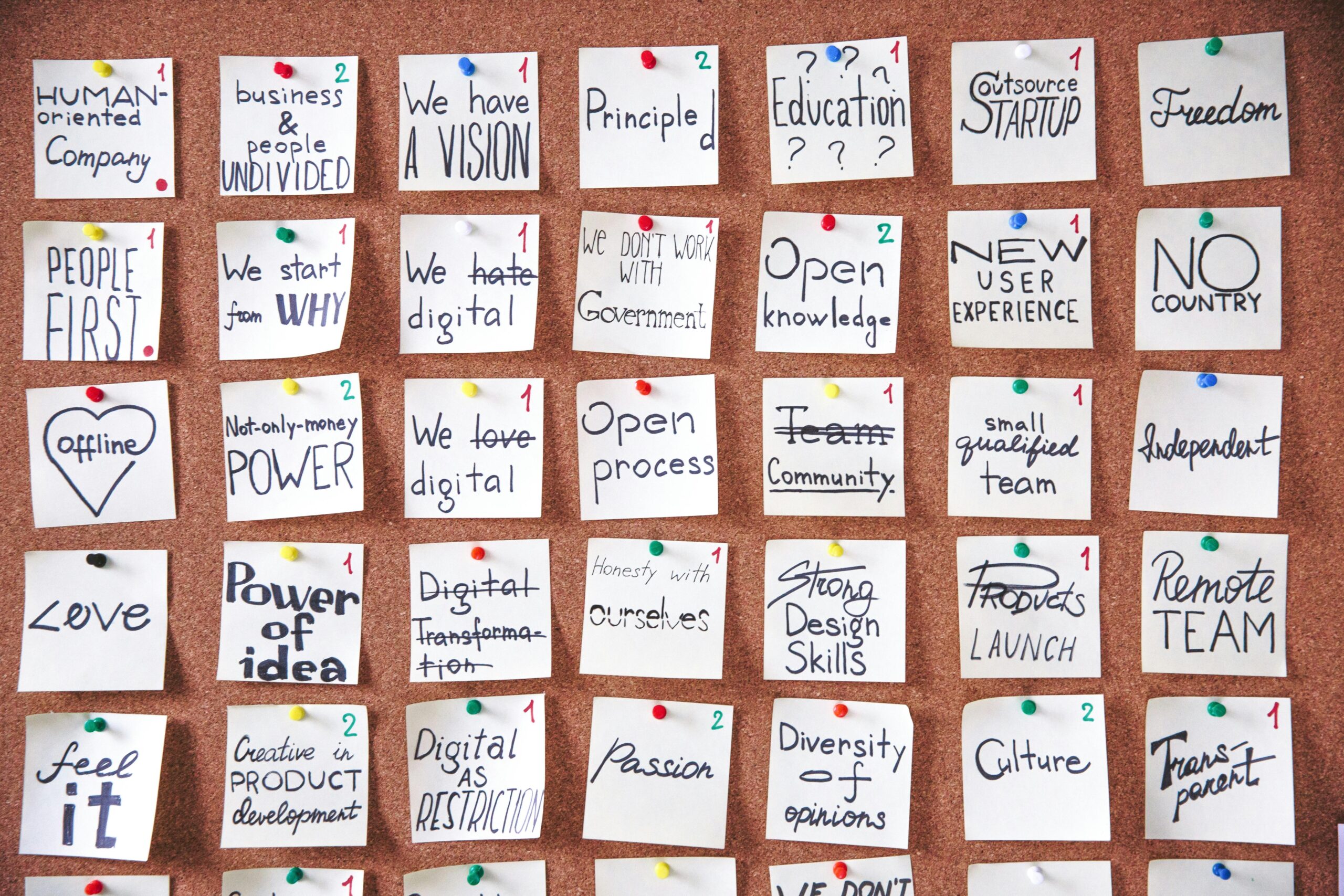
Cultivating the Collaborative Mindset for Transformative Design 🌟
The future of biophilic design depends not merely on technical innovation but on cultural transformation within the building industry. Creating truly regenerative environments that harmonize human wellbeing with ecological health requires professionals who see themselves as collaborators in complex systems rather than specialists defending disciplinary territories. This shift demands humility, curiosity, and genuine respect for diverse forms of expertise.
Organizations that foster collaborative cultures attract talented professionals seeking meaningful work that addresses pressing environmental and social challenges. Projects that embrace cross-disciplinary integration generate not only superior outcomes but also more satisfying professional experiences, as team members witness how their contributions combine with others to create something greater than any individual could achieve alone.
As climate change intensifies and urbanization accelerates, the imperative to design buildings and cities that restore rather than degrade natural systems becomes increasingly urgent. Cross-disciplinary collaboration in biophilic projects offers a proven pathway toward this regenerative future—one where innovation and nature work in partnership rather than opposition, creating environments where both people and planet can thrive together.
The power of bringing together diverse minds and skill sets creates possibilities that transcend conventional practice. When ecologists, architects, engineers, psychologists, and technologists unite around shared biophilic visions, they demonstrate that human ingenuity can solve complex challenges while reconnecting with the natural world that sustains all life. This collaboration represents not merely better design practice but a more hopeful vision for how we might inhabit our planet in the decades ahead.