Virtual reality has evolved from science fiction fantasy into a transformative technology that’s reshaping how we connect with nature, even when we’re surrounded by concrete and steel.

🌿 The Digital Revolution Meets Mother Nature
We live in an increasingly urbanized world where more than half of humanity resides in cities, often disconnected from natural environments. This separation from nature has given rise to what researchers call “nature deficit disorder,” contributing to stress, anxiety, and a general decline in well-being. But what if technology—the very thing many blame for distancing us from nature—could actually bridge that gap?
Virtual reality and digital biophilic experiences represent a groundbreaking convergence of cutting-edge technology and our innate human need to connect with the natural world. These immersive experiences aren’t just entertaining diversions; they’re potentially transformative tools that can bring the therapeutic benefits of nature into our homes, offices, and healthcare facilities.
Biophilia, a term popularized by biologist E.O. Wilson, refers to humanity’s inherent tendency to seek connections with nature and other forms of life. Digital biophilic experiences leverage this evolutionary predisposition by creating virtual environments that trigger similar psychological and physiological responses as actual nature exposure.
The Science Behind Virtual Nature Experiences 🧠
Research has consistently demonstrated that exposure to natural environments reduces stress, lowers blood pressure, improves mood, and enhances cognitive function. The fascinating discovery is that virtual representations of nature can elicit many of these same benefits.
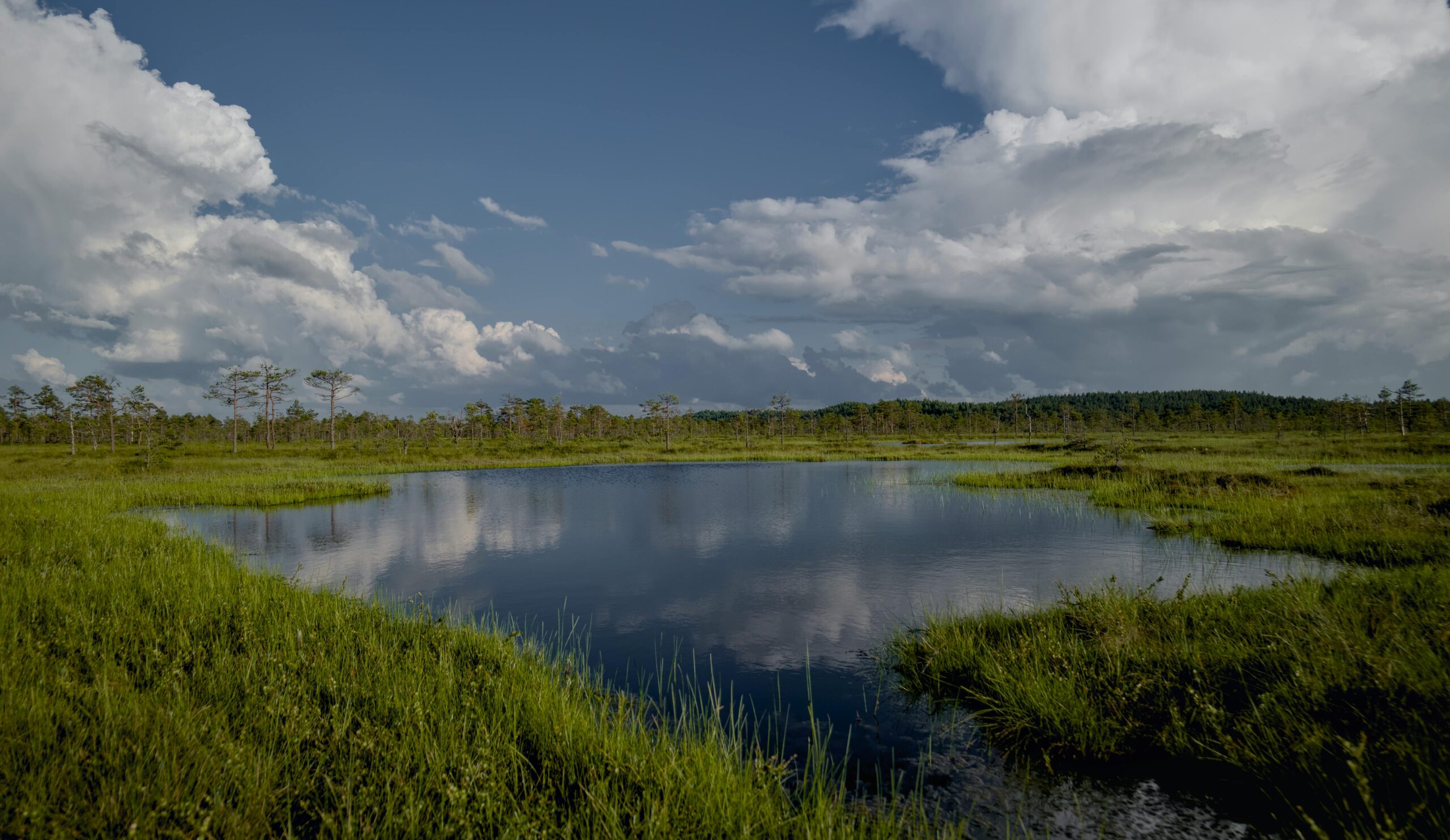
Studies using functional MRI scans have shown that viewing natural scenes—even digitally—activates the same reward centers in our brains as actual nature exposure. The parasympathetic nervous system, responsible for rest and relaxation, shows increased activity when people are immersed in virtual natural environments.
A Stanford University study found that participants who experienced virtual nature walks showed measurable decreases in anxiety levels and increased positive emotions compared to those who walked through virtual urban environments. The immersive quality of VR appears to amplify these effects beyond what traditional screens can achieve.
Physiological Responses to Digital Nature
When we immerse ourselves in virtual natural environments, our bodies respond in measurable ways:
- Heart rate variability improves, indicating better stress management
- Cortisol levels decrease, reducing physiological stress markers
- Muscle tension diminishes, promoting physical relaxation
- Attention restoration occurs, improving focus and reducing mental fatigue
- Mood enhancement happens within minutes of exposure
🎮 The Technology Making It Possible
Modern virtual reality has reached a level of sophistication that makes truly immersive biophilic experiences possible. High-resolution displays, accurate motion tracking, spatial audio, and increasingly affordable hardware have democratized access to these transformative experiences.
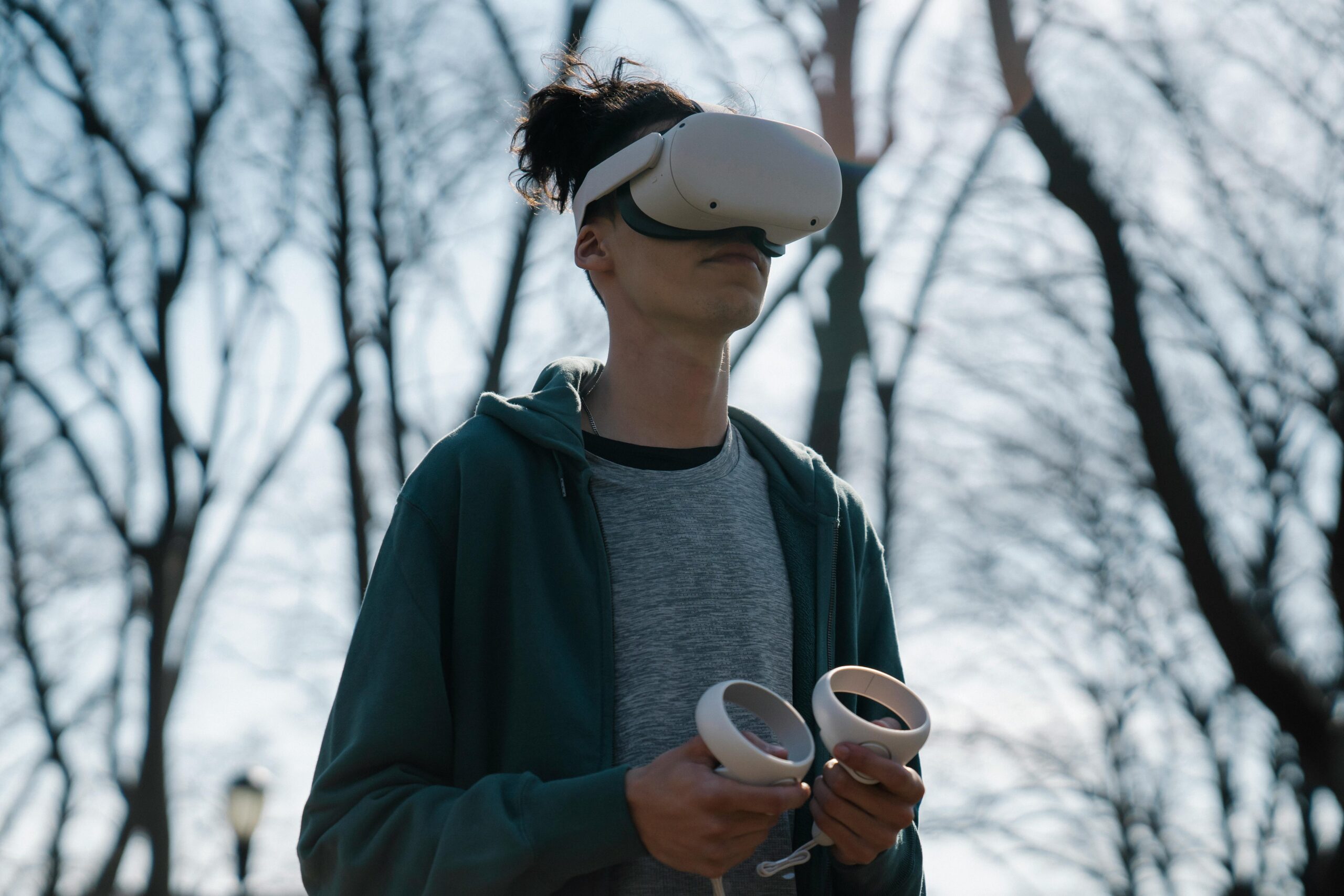
Contemporary VR headsets like the Meta Quest series, PlayStation VR2, and VIVE XR Elite offer room-scale tracking and hand presence that allows users to interact naturally with virtual environments. The sense of embodiment—feeling genuinely present in the digital space—is crucial for triggering authentic psychological responses.
Spatial audio technology deserves particular attention in biophilic VR experiences. The rustling of leaves, bird songs positioned accurately in three-dimensional space, and the distant sound of flowing water create an auditory landscape that significantly enhances immersion and therapeutic effect.
Photogrammetry and Nature Capture
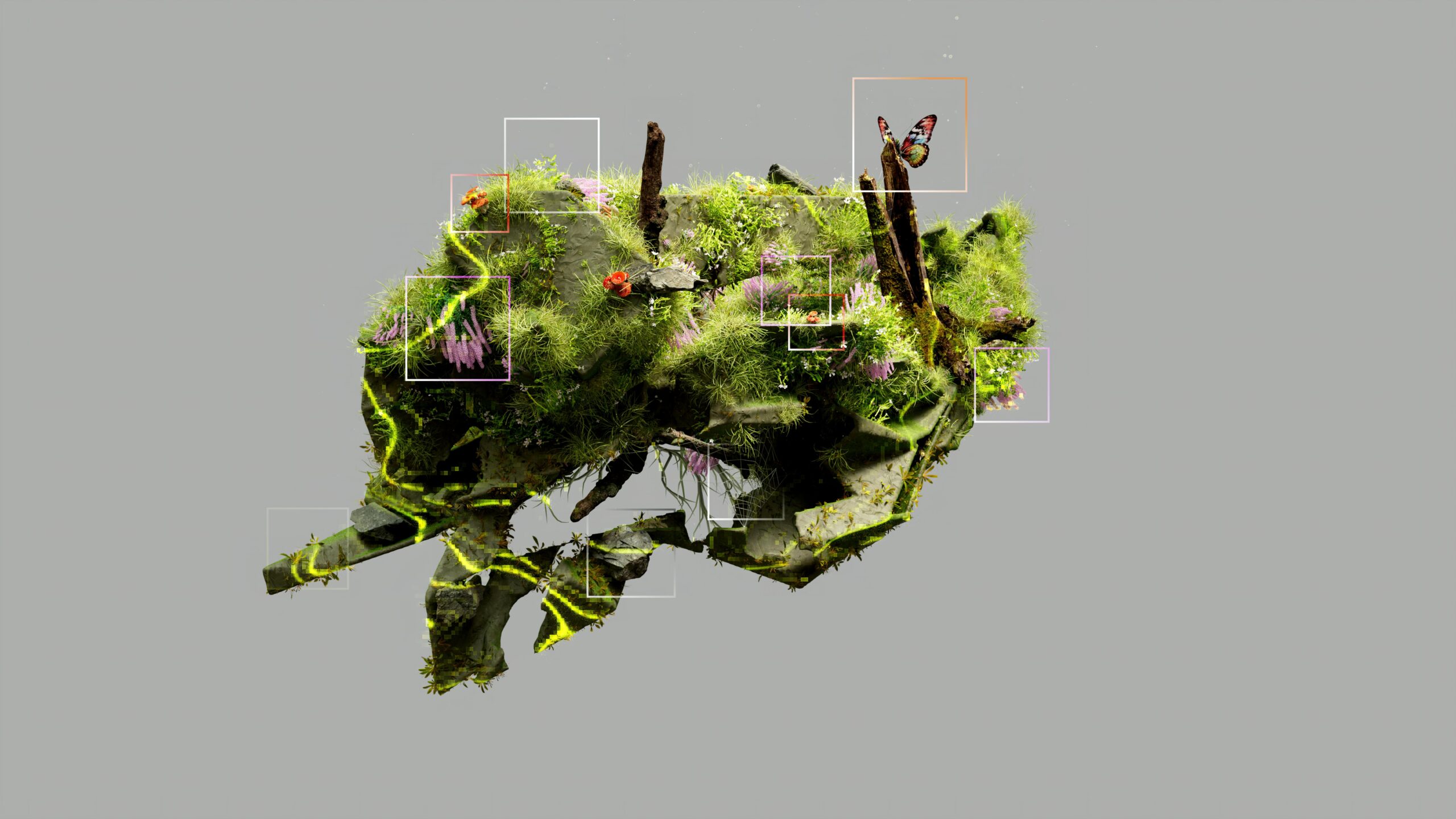
Advanced photogrammetry techniques now allow developers to capture real natural locations with stunning accuracy. By photographing an environment from thousands of angles and using sophisticated algorithms, creators can build virtual replicas of actual forests, beaches, and mountains that preserve the authentic character of these spaces.
Some experiences even incorporate seasonal changes, weather patterns, and time-of-day variations, allowing users to experience a virtual forest at dawn or watch a sunset over digital mountains that mirror real geographical locations.
Applications Beyond Entertainment 🏥
While virtual nature experiences can certainly be enjoyed recreationally, their applications extend far into healthcare, education, and workplace wellness programs.
Clinical and Therapeutic Uses
Healthcare facilities are increasingly incorporating VR nature experiences into treatment protocols. Patients awaiting surgery, undergoing chemotherapy, or recovering from procedures have shown reduced anxiety and pain perception when using virtual nature immersion as a complementary therapy.
Mental health practitioners are integrating these tools into treatment for anxiety disorders, PTSD, and depression. The controlled environment of VR allows therapists to gradually expose patients to calming natural settings while maintaining a safe, clinical space.
Elderly care facilities have found particular value in these technologies. Residents with limited mobility can “visit” beaches, forests, and gardens they may never physically access again, providing emotional comfort and cognitive stimulation.
Educational Opportunities
Virtual reality offers unprecedented educational possibilities for understanding ecosystems and environmental processes. Students can explore coral reefs, witness glacier formation, or walk through rainforests while learning about biodiversity and conservation—all without leaving the classroom.
This experiential learning creates stronger emotional connections to environmental topics than traditional textbook approaches. When students feel they’ve “been to” the Amazon rainforest, they develop a more personal stake in its preservation.
🌍 Leading Virtual Reality Nature Experiences
The market for biophilic VR experiences has expanded rapidly, with numerous applications offering unique approaches to digital nature immersion.
Nature Treks VR stands out as one of the most comprehensive options, offering multiple biomes including forests, beaches, and winter landscapes. Users can interact with wildlife, adjust time of day, and even customize environmental elements to create their ideal natural sanctuary.
Guided Meditation VR combines natural environments with mindfulness practices, offering guided sessions in stunning locations from mountain peaks to tropical paradises. The integration of meditation techniques with immersive nature visuals creates a powerful tool for stress reduction.
Real VR Fishing might seem purely recreational, but it provides a surprisingly effective biophilic experience. The meditative quality of fishing combined with photorealistic natural environments offers genuine relaxation benefits while simulating a popular outdoor activity.
Emerging Platforms and Innovations
ForestVR is developing experiences that incorporate actual field recordings from protected natural areas, partnering with conservation organizations to create authentic soundscapes. Users can explore endangered ecosystems while learning about conservation efforts.
Some applications now incorporate biometric feedback, adjusting the environment based on the user’s heart rate and stress levels. If sensors detect increased anxiety, the experience might shift to calmer scenes or adjust lighting and sounds to promote relaxation.
The Social Dimension of Virtual Nature 👥
Contrary to the stereotype of VR as an isolating technology, many biophilic experiences now include social features that allow friends or family members to share virtual nature experiences together, regardless of physical distance.
Multiplayer nature experiences enable people to walk through virtual forests together, sharing observations and conversations as they would on an actual nature walk. This social dimension addresses loneliness while providing the restorative benefits of nature exposure.
Virtual nature meetups and guided group meditations have emerged as a new form of social wellness activity, particularly valuable for people with mobility limitations or those living in urban areas with limited green space access.
🎨 The Art and Design of Digital Biophilia
Creating effective biophilic VR experiences requires more than technical capability—it demands an understanding of why nature affects us as it does and how to translate those elements into virtual form.
Effective digital biophilic design incorporates principles identified by attention restoration theory, including fascination (elements that capture interest without demanding effort), extent (sufficient richness to create a sense of being in another place), being away (psychological distance from daily concerns), and compatibility (matching the experience to the user’s purpose).
Visual Complexity and Natural Patterns
Nature’s visual complexity follows patterns that humans find inherently appealing—fractals, golden ratios, and organic irregularity. Effective biophilic VR experiences replicate these patterns rather than creating artificially perfect or symmetrical environments that feel unnatural.
The interplay of light and shadow, the variation in textures, and the presence of both focal points and ambient detail all contribute to creating environments that feel genuinely natural and hold attention without causing fatigue.
Challenges and Limitations ⚠️
Despite tremendous promise, digital biophilic experiences face legitimate challenges that developers and users should acknowledge.
Motion sickness remains an issue for some users, particularly in experiences with artificial locomotion. Developers continuously refine comfort settings, but individual susceptibility varies.
The question of whether virtual nature can truly substitute for actual outdoor experiences requires nuanced consideration. While research supports therapeutic benefits from digital nature, most experts view these technologies as complementary to rather than replacements for actual nature contact.
Hardware costs, though decreasing, still present barriers to access for many people. The very populations who might benefit most from virtual nature access—people in low-income urban areas or elderly individuals with mobility limitations—may face financial obstacles to adoption.
The Future of Immersive Biophilic Technology 🚀
The trajectory of virtual reality and biophilic design points toward increasingly sophisticated and accessible experiences in the coming years.
Haptic feedback systems will soon allow users to “feel” virtual rain, wind, or the texture of tree bark. Temperature modulation could add thermal dimensions to experiences—the warmth of sunlight or coolness of forest shade.
Artificial intelligence will enable more responsive, personalized environments that adapt to individual preferences and therapeutic needs. Machine learning could identify which natural elements most effectively reduce stress for specific users and customize experiences accordingly.
Integration with Physical Spaces
Mixed reality technologies will blur boundaries between physical and digital nature, allowing biophilic elements to be projected into actual office spaces or homes. Imagine walls that transform into forest views or ceilings that display moving clouds and sky.
Architects and designers are already exploring how to integrate these technologies into building design, creating spaces that combine physical biophilic elements like natural light and plants with digital enhancements that extend nature’s presence throughout interior environments.
🌱 Making Virtual Nature Part of Your Wellness Routine
For those interested in incorporating these experiences into daily life, starting requires less investment than many assume. Entry-level VR headsets now cost comparable amounts to smartphones, and many biophilic applications are free or inexpensive.
Begin with short sessions—even five to ten minutes of virtual nature immersion can provide measurable stress reduction. Establish a consistent routine, perhaps starting your day with a virtual sunrise or unwinding in the evening with a forest walk.
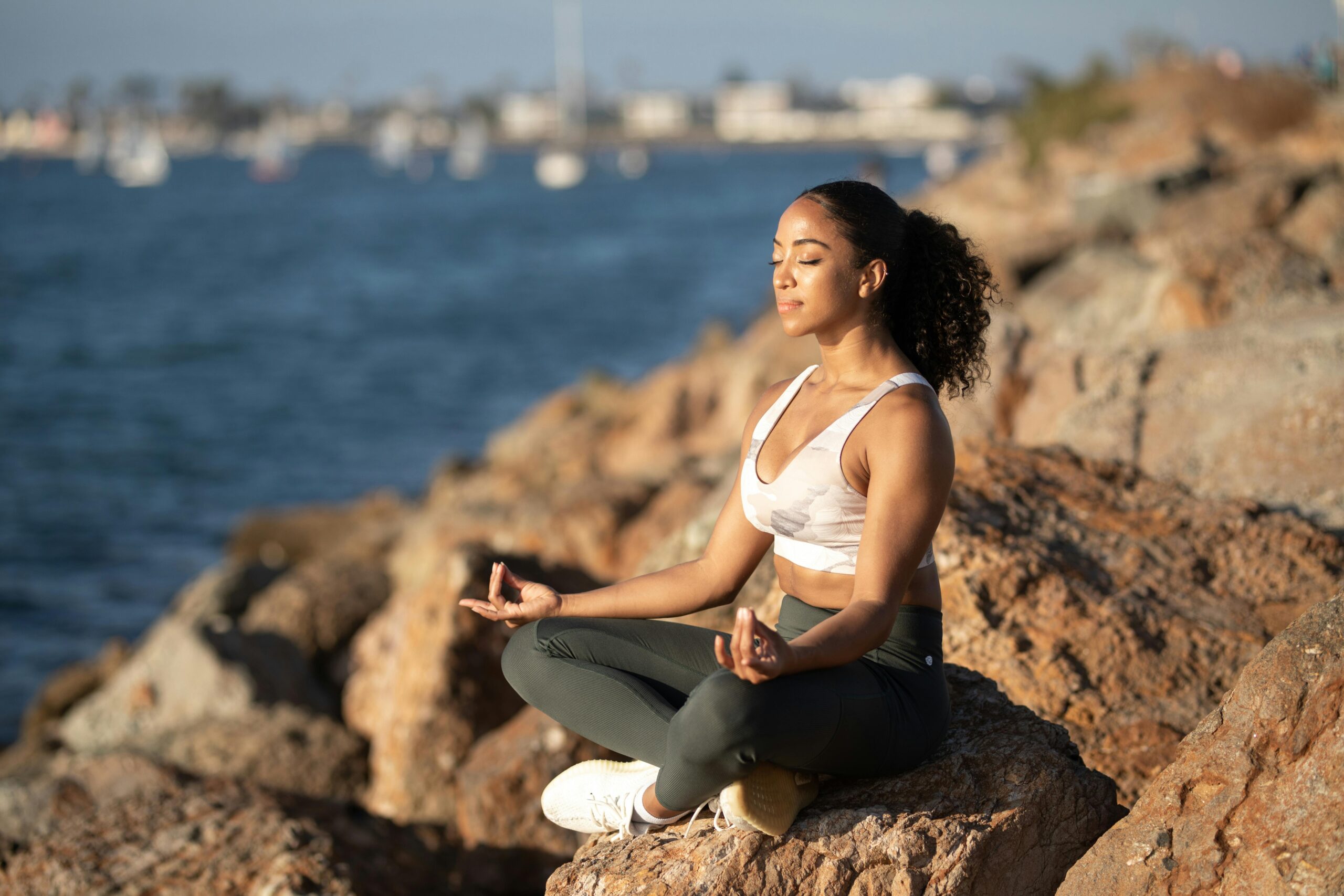
Combine virtual nature experiences with other wellness practices. Use them as settings for meditation, gentle stretching, or simply quiet reflection. The immersive quality enhances these practices beyond what traditional screens offer.
Bridging Technology and Humanity’s Ancient Needs 🌐
Virtual reality biophilic experiences represent something profound: technology serving humanity’s deepest, most ancient needs rather than distancing us from them. These digital forests and virtual oceans don’t replace nature—they extend our access to its benefits when circumstances prevent physical contact.
As urbanization continues and climate change alters natural landscapes, these technologies may become increasingly important tools for maintaining psychological health and environmental connection. They also serve conservation by creating emotional bonds with ecosystems people might never physically visit but can still value and advocate for protecting.
The intersection of virtual reality and biophilic design isn’t about escaping reality—it’s about enriching it, providing restorative experiences that help us navigate increasingly complex modern lives while maintaining connection to the natural world that shaped our evolution and continues to influence our well-being.
Whether you’re seeking stress relief, exploring new forms of meditation, or simply curious about how technology can enhance rather than diminish human experience, immersive biophilic VR offers a frontier worth exploring. The forests may be digital, but the peace they provide is entirely real.