Transforming our built environments into healthier, more sustainable spaces isn’t just a trend—it’s a necessity for human wellbeing and planetary survival.

As we spend approximately 90% of our time indoors, the spaces we inhabit profoundly impact our physical health, mental clarity, and overall quality of life. The conventional approach to building design has often prioritized efficiency and cost-effectiveness while inadvertently creating environments that disconnect us from nature. This disconnection has contributed to rising stress levels, decreased productivity, and various health concerns collectively known as “sick building syndrome.”
Biophilic design offers a revolutionary alternative—a framework that intentionally reconnects people with natural elements within the built environment. By integrating sustainable building practices with biophilic principles, we can create spaces that not only minimize environmental impact but actively enhance human health and wellbeing. This holistic approach represents the future of architecture and interior design, where ecological responsibility and human flourishing become inseparable goals.
🌿 Understanding Biophilic Design: More Than Just Adding Plants
Biophilic design goes far beyond simply placing a few potted plants around a room. It’s a comprehensive design philosophy rooted in humanity’s innate biological connection to nature—a concept known as biophilia. This approach systematically incorporates natural elements, patterns, and processes into the built environment to create spaces that resonate with our evolutionary programming.
The framework encompasses three main categories: direct experience of nature, indirect experience of nature, and experience of space and place. Direct experiences include actual contact with natural elements like daylight, plants, water features, and fresh air. Indirect experiences involve representations of nature through materials, colors, patterns, and artwork that evoke natural settings. The spatial category addresses how we arrange and configure spaces to create feelings of refuge, prospect, and mystery—all qualities found in natural environments that humans instinctively seek.
Research consistently demonstrates that biophilic design delivers measurable benefits. Studies show that access to natural light and views of nature can reduce stress hormones by up to 15%, improve cognitive function by 25%, and accelerate healing times in healthcare settings by 8.5%. These aren’t subjective improvements—they’re quantifiable enhancements to human performance and wellbeing.
🏗️ Sustainable Building Materials: The Foundation of Green Design
Creating truly sustainable biophilic spaces requires careful selection of building materials that minimize environmental impact while supporting healthy indoor environments. The material choices we make have ripple effects throughout the entire lifecycle of a building, from extraction and manufacturing through daily use and eventual disposal or recycling.
Natural materials like bamboo, cork, reclaimed wood, and natural stone serve dual purposes in biophilic sustainable design. They reduce embodied carbon compared to synthetic alternatives while simultaneously providing the textures, patterns, and sensory qualities that connect occupants to nature. Bamboo, for instance, grows rapidly without pesticides, sequesters significant carbon, and provides excellent structural properties while offering distinctive grain patterns that create visual interest.
Low-VOC (volatile organic compound) paints, adhesives, and finishes are essential for maintaining healthy indoor air quality. Traditional building products often off-gas harmful chemicals for months or years after installation, contributing to respiratory issues, headaches, and long-term health problems. Choosing certified low-emission products protects both construction workers and eventual occupants while reducing environmental pollution.
Innovative Sustainable Material Options
The sustainable building materials landscape is rapidly evolving with exciting innovations. Mycelium-based materials grown from fungal networks offer biodegradable alternatives to foam insulation and acoustic panels. Hempcrete—a mixture of hemp fibers and lime—provides excellent insulation, carbon sequestration, and natural pest resistance. Recycled materials like reclaimed brick, salvaged timber, and repurposed metal reduce waste while adding character and history to new construction.
Cross-laminated timber (CLT) is revolutionizing structural systems by offering a renewable alternative to concrete and steel for mid-rise buildings. CLT sequesters carbon, provides natural aesthetic appeal, and can be prefabricated for efficient construction. This technology demonstrates how sustainability and biophilic design can converge at the structural level, not just in surface treatments.
💧 Natural Light and Water: Essential Elements for Living Spaces
Natural light stands as perhaps the most critical element in biophilic design, profoundly influencing our circadian rhythms, mood, and productivity. Human biology evolved under natural light cycles, and our hormonal systems, sleep patterns, and cognitive functions all depend on appropriate light exposure. Buildings that maximize daylight while managing glare and heat gain create environments that support natural biological processes.
Strategic window placement, skylights, light shelves, and reflective surfaces can distribute natural light deep into building interiors. When combined with dynamic shading systems that respond to sun angles, these passive design strategies reduce artificial lighting needs by 40-60% while creating more pleasant, health-supporting environments. The quality of light—its color temperature and spectral distribution—matters as much as quantity, with morning blue-rich light promoting alertness and warm evening light supporting relaxation.
Water features create multisensory experiences that engage sight, sound, and even touch. The sound of flowing water masks distracting noise, creates a sense of tranquility, and can actually lower blood pressure and reduce stress markers. Indoor water walls, fountains, or even aquariums introduce movement and life into static environments while naturally humidifying air and cooling spaces through evaporation.
🌱 Living Walls and Indoor Gardens: Bringing Nature Inside
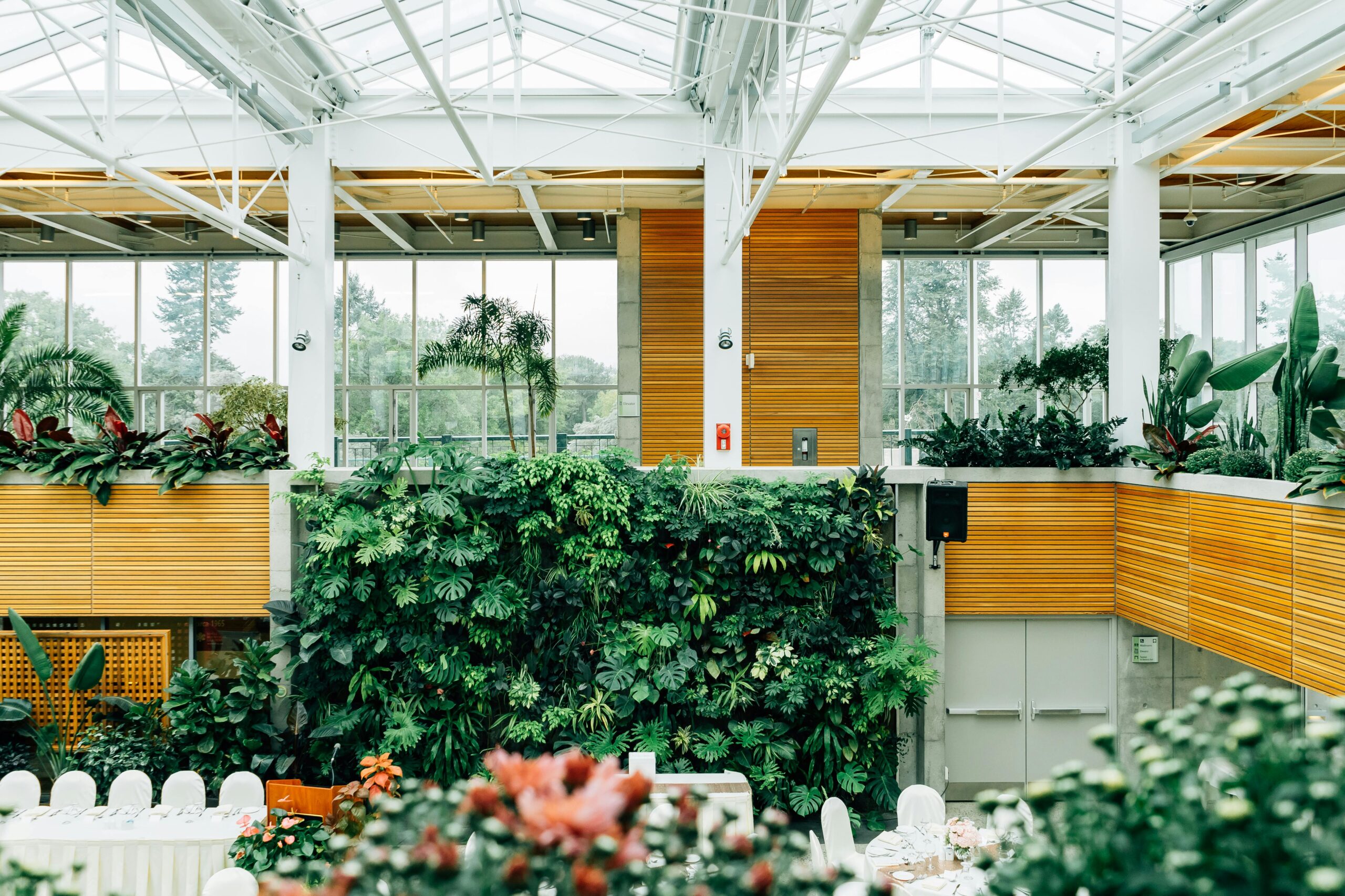
Vertical gardens and living walls represent one of the most dramatic expressions of biophilic design, transforming vertical surfaces into thriving ecosystems. These installations do more than provide visual appeal—they actively improve air quality by filtering pollutants, increase humidity to comfortable levels, provide acoustic dampening, and create habitats for beneficial insects in some applications.
Successful indoor gardens require careful planning around irrigation systems, appropriate plant selection for available light conditions, and structural support for the added weight. Modular systems have made living walls more accessible and maintainable, with options ranging from simple mounted planters to sophisticated hydroponic systems with automated watering and nutrient delivery.
Beyond walls, indoor gardens can incorporate edible plants, creating opportunities for occupants to engage in nurturing activities and harvest fresh herbs, vegetables, or microgreens. This active participation strengthens the human-nature connection while providing tangible benefits and educational opportunities, especially valuable in urban settings where access to outdoor growing space is limited.
Practical Considerations for Indoor Greenery
Plant selection should account for maintenance capabilities, light availability, and desired air-purifying functions. Low-maintenance options like pothos, snake plants, spider plants, and ZZ plants tolerate variable light and occasional watering lapses. For air purification, research by NASA identified species particularly effective at removing specific pollutants—peace lilies for benzene, Boston ferns for formaldehyde, and rubber plants for multiple toxins.
Watering systems range from manual care to fully automated drip irrigation with moisture sensors. The appropriate choice depends on the scale of plantings, budget, and available oversight. Even simple self-watering containers can dramatically reduce maintenance demands while ensuring consistent moisture levels that support plant health.
🪟 Design Patterns and Natural Geometries
Nature rarely produces straight lines or perfect symmetry—instead, natural forms follow fractal patterns, organic curves, and mathematical proportions like the golden ratio. Incorporating these patterns into built environments through architectural details, surface textures, artwork, and spatial configurations creates subconscious comfort and visual interest that feels inherently pleasing.
Fractal patterns—self-similar forms that repeat at different scales—appear throughout nature in tree branching, fern leaves, coastlines, and clouds. Research indicates that viewing fractal patterns with mid-range complexity (neither too simple nor too complex) reduces physiological stress and enhances cognitive restoration. These patterns can be incorporated through screen designs, textile choices, flooring patterns, and facade treatments.
Natural color palettes drawn from earth tones, plant greens, sky blues, and warm wood browns create cohesive environments that feel grounded and calming. These colors trigger positive associations with safe, resource-rich natural environments, reducing stress responses and promoting relaxation. Accent colors can introduce variety and energy while maintaining an overall harmony inspired by natural landscapes.
♻️ Energy Efficiency and Passive Design Strategies
Sustainable buildings integrate passive design strategies that work with natural forces rather than against them, dramatically reducing energy consumption while enhancing comfort. Proper building orientation takes advantage of solar patterns, positioning major glazing to capture winter sun while minimizing summer heat gain through strategic overhangs and shading devices.
Thermal mass in floors and walls absorbs heat during the day and releases it at night, naturally moderating temperature swings. Combined with high-performance insulation and air-sealing, thermal mass strategies can reduce heating and cooling loads by 30-50% compared to conventional construction. Natural ventilation strategies that allow cross-breezes to cool and refresh interior air reduce mechanical system runtime while providing the variability and fresh air humans find inherently pleasing.
Green roofs and living roofs provide multiple benefits—stormwater management, urban heat island mitigation, insulation value, and opportunities for rooftop gardens or natural habitats. These systems transform building tops from wasted space into productive ecosystems that extend the benefits of biophilic design while supporting urban biodiversity.
🏡 Creating Restorative Residential Spaces
Applying biophilic sustainable design principles to residential projects creates homes that actively support health and wellbeing. Bedrooms benefit particularly from connections to nature, with views of greenery, natural materials, and careful attention to acoustics and air quality creating optimal sleep environments. Morning light exposure helps regulate circadian rhythms, while evening dimming cues the production of sleep-promoting melatonin.
Living areas designed with multiple zones—including intimate refuge spaces and open prospect spaces—accommodate different activities and moods throughout the day. Window seats, reading nooks, and partially enclosed areas provide psychological refuge while maintaining visual connection to larger spaces, satisfying the human need for both safety and openness.
Kitchens and dining areas can incorporate herb gardens, natural wood surfaces, and connections to outdoor cooking or dining spaces. These design choices support healthy eating patterns by making fresh foods accessible and creating pleasant environments that encourage mindful eating and social connection around meals.
🏢 Workplace Applications: Productivity Through Nature
Commercial applications of biophilic sustainable design deliver impressive returns on investment through reduced absenteeism, improved productivity, and enhanced employee recruitment and retention. Studies consistently show that workers in biophilically designed offices report higher job satisfaction, better concentration, and fewer health complaints.
Collaborative workspaces benefit from varied environments that include both open areas and enclosed spaces, with natural elements helping to define zones without rigid barriers. Plants can create soft divisions between workstations while maintaining visual permeability and improving acoustics. Natural materials in furniture and finishes create warmth that counteracts the potentially sterile feel of technology-dense environments.
Breakroom and common areas designed as restorative spaces with ample natural light, comfortable seating with views of nature, and perhaps water features or living walls provide crucial opportunities for mental restoration during the workday. These spaces acknowledge that productivity depends on recovery, and that brief nature connections can effectively reduce stress and restore directed attention.
🌍 Community and Environmental Impact
Individual building projects contribute to larger community and environmental benefits when designed sustainably. Buildings that manage stormwater onsite through rain gardens, bioswales, and permeable surfaces reduce strain on municipal systems while creating attractive landscape features. Native plantings support local pollinator populations and bird species, contributing to urban biodiversity conservation.
The cumulative effect of multiple biophilic sustainable buildings can transform neighborhoods, creating cooler microclimates, cleaner air, and more pleasant pedestrian experiences. Green infrastructure networks that connect parks, green streets, and building-integrated vegetation create corridors for wildlife movement and enhance ecosystem resilience in urban environments.
Community engagement around sustainable building projects educates and inspires broader adoption. Demonstration projects, tours, and shared learning opportunities help normalize biophilic design approaches, gradually shifting cultural expectations about what buildings should look and feel like.
🔮 Future Directions and Emerging Technologies
The convergence of biophilic design principles with emerging technologies promises exciting future possibilities. Smart glass that automatically tints in response to sun intensity maximizes natural light while managing heat gain and glare. Circadian lighting systems that adjust color temperature throughout the day support natural biological rhythms even in spaces without direct sunlight access.
Biointegrated building systems are exploring possibilities like algae facades that produce energy, sequester carbon, and provide food production. Living mycelium structures that grow into specific shapes and then harden offer potential for truly biodegradable temporary structures. These innovations push beyond sustainability toward regenerative design that actively heals environmental damage while supporting human flourishing.
Virtual and augmented reality technologies may eventually supplement physical biophilic design, particularly in constrained urban environments. While not replacing actual nature connection, immersive nature experiences could provide psychological benefits in settings where physical nature integration faces limitations.
🎯 Taking Action: Starting Your Biophilic Journey
Implementing biophilic sustainable design doesn’t require complete building overhauls—incremental improvements create meaningful benefits. Start by maximizing natural light through window treatments that allow maximum daylight while managing privacy and glare. Remove heavy drapes in favor of lighter options or top-down/bottom-up shades that enable light admission while maintaining privacy.
Add plants strategically, beginning with hardy species appropriate for your light conditions. Position them where you spend the most time—near workstations, in relaxation areas, and in sight lines from seating positions. Group plants at varying heights to create more naturalistic arrangements that increase visual interest and psychological impact.
Incorporate natural materials through textiles, area rugs, wooden furniture, or stone accessories. Even small touches—a wooden bowl, linen curtains, a wool throw—begin establishing the material palette and sensory qualities that characterize biophilic spaces. As budgets and opportunities allow, expand to more significant interventions like natural flooring, wood paneling, or stone features.
Consider air quality improvements through both plants and mechanical solutions. HEPA filtration systems remove particulates, while attention to moisture management prevents mold growth. Natural ventilation whenever weather permits refreshes air and provides the variability humans find inherently satisfying.
💚 Designing Spaces That Nurture Life
The integration of sustainable building practices with biophilic design principles represents more than an aesthetic choice or environmental responsibility—it’s a recognition of humanity’s fundamental dependence on and connection to the natural world. As urbanization continues and climate challenges intensify, creating built environments that support both ecological health and human wellbeing becomes increasingly critical.
These design approaches work because they align with millions of years of human evolution in natural environments. Our biology hasn’t adapted to the stark, disconnected spaces that characterize much modern architecture. By thoughtfully reintroducing natural elements, patterns, and processes into our buildings, we create spaces that feel inherently right, reducing stress and supporting the full expression of human potential.
The financial case for biophilic sustainable design grows stronger as research quantifies benefits and initial cost premiums diminish through market maturation. Green buildings command higher rents, sell faster, and maintain value better than conventional alternatives. Healthcare costs decrease when people live and work in healthier environments. Productivity gains alone often justify investments in improved design.
Perhaps most importantly, these spaces reconnect us to the natural world in our daily lives, fostering environmental awareness and stewardship. When people experience tangible benefits from nature connection, they become more motivated to protect natural systems beyond building walls. This cultural shift—from viewing nature as separate from human spaces to understanding our deep interdependence—may prove biophilic design’s most significant contribution to a sustainable future.
Every project, whether new construction or renovation, residential or commercial, small or large, presents opportunities to integrate these principles. The journey toward greener, healthier spaces begins with single decisions—to maximize daylight, choose natural materials, add living plants, or design with nature-inspired patterns. These individual choices accumulate into transformed environments that nurture both people and planet, creating spaces where life truly flourishes. 🌿