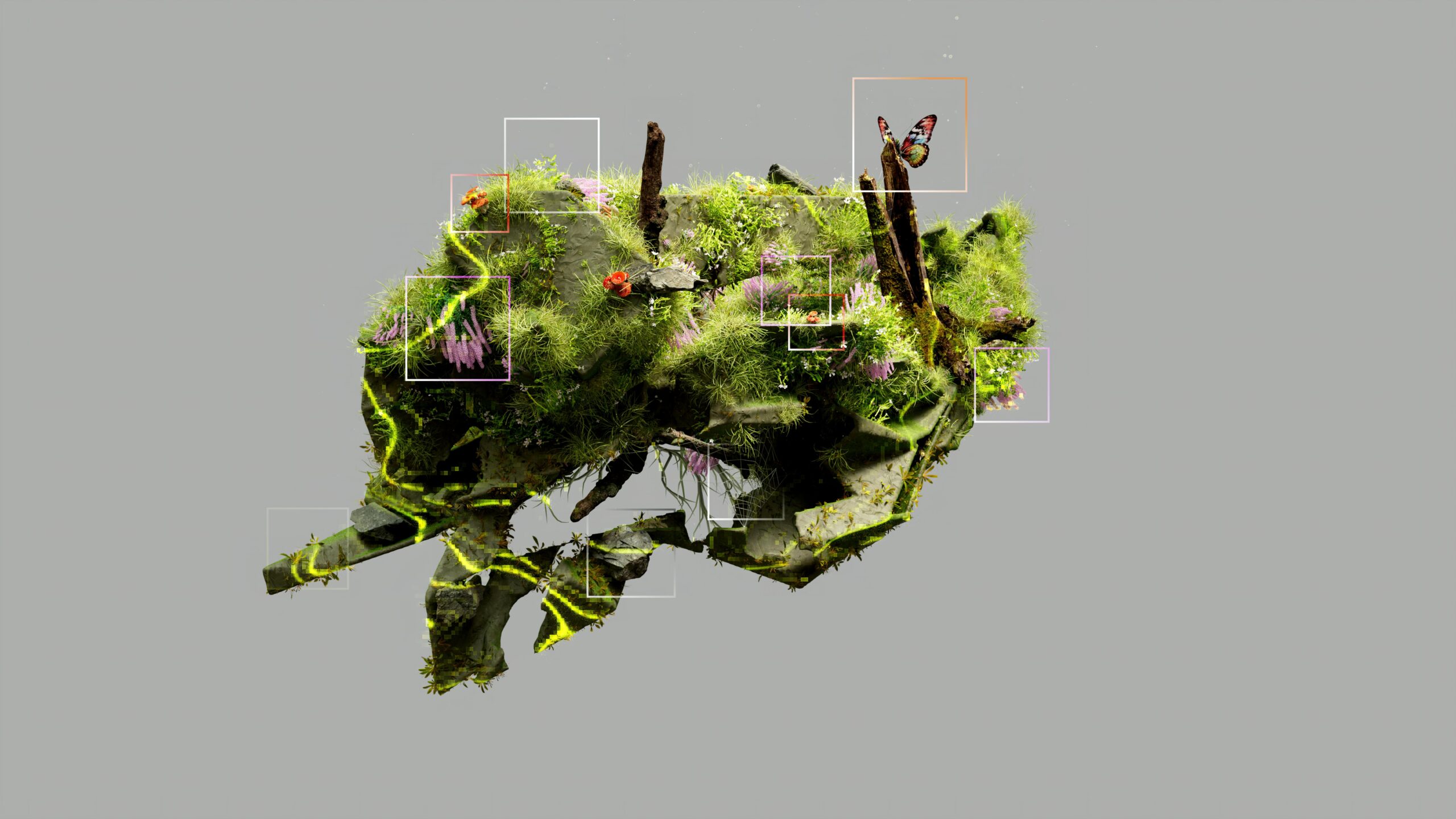
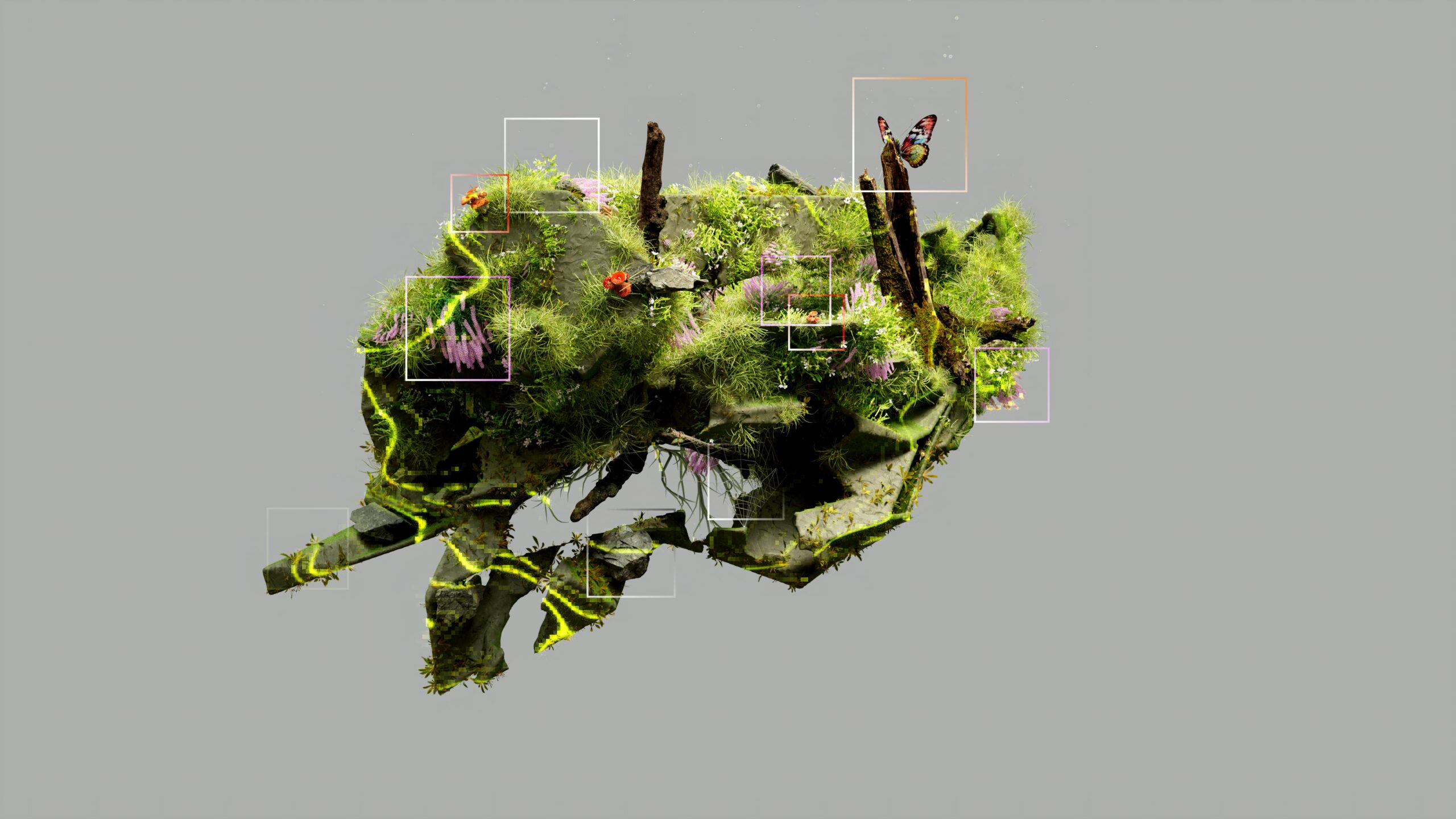
Artificial intelligence is revolutionizing how we understand and recreate natural environments, opening unprecedented possibilities for biophilic design and ecological simulation at scales previously unimaginable.

🌿 The Convergence of Technology and Nature
The relationship between humanity and the natural world has always been fundamental to our wellbeing, productivity, and creativity. Today, we stand at a remarkable intersection where cutting-edge technology meets ancient biological wisdom. Biophilic simulations—digital recreations of natural environments and processes—are emerging as powerful tools for understanding ecosystems, designing sustainable spaces, and reconnecting urban populations with nature’s rhythms.
Machine learning algorithms can now process massive datasets from forests, oceans, and wilderness areas, identifying patterns that would take human researchers lifetimes to discover. These AI-powered systems don’t just collect information; they learn, adapt, and predict how natural systems behave under various conditions. The implications span architecture, urban planning, mental health treatment, environmental conservation, and educational experiences.
Understanding Biophilic Design Through Data
Biophilic design isn’t merely about adding plants to office spaces or incorporating natural materials into buildings. It represents a comprehensive approach to creating environments that satisfy our innate need to connect with nature. This design philosophy, championed by biologist E.O. Wilson and further developed by practitioners like Stephen Kellert, recognizes that humans evolved in natural settings and continue to require those connections for optimal health.
Data analytics now enable designers to measure the actual impact of biophilic elements with unprecedented precision. Sensors track how natural light patterns affect circadian rhythms, how views of greenery influence stress hormone levels, and how natural ventilation patterns improve cognitive performance. AI systems synthesize these complex data streams into actionable design recommendations.
Quantifying Nature’s Impact 📊
Research institutions worldwide are deploying sophisticated monitoring systems in biophilic spaces. These systems measure:
- Heart rate variability and stress markers in occupants exposed to natural elements
- Productivity metrics in workspaces with varying levels of natural integration
- Recovery rates in healthcare facilities designed with biophilic principles
- Student attention spans and learning outcomes in nature-connected classrooms
- Air quality improvements from living wall systems and indoor ecosystems
Machine learning models process this multidimensional data to identify which specific natural elements produce the strongest positive effects for different populations and purposes. The results are transforming how architects and designers approach their work.
AI-Powered Ecosystem Modeling
Creating accurate simulations of natural ecosystems requires processing enormous amounts of interconnected data. Every forest, wetland, or coral reef represents a complex web of relationships between species, climate patterns, soil chemistry, water cycles, and countless other variables. Traditional modeling approaches struggled to capture this complexity with sufficient fidelity.
Deep learning neural networks have changed this landscape dramatically. These AI systems can ingest data from satellite imagery, ground sensors, wildlife cameras, acoustic monitors, and genetic databases simultaneously. They identify relationships that weren’t apparent through conventional analysis, predicting how ecosystems will respond to climate change, invasive species, or restoration efforts.
Real-World Applications in Conservation 🌍
Conservation organizations are deploying AI-driven biophilic simulations to guide critical decisions. When planning habitat corridors for endangered species, algorithms can simulate how animals will move through proposed landscapes under various scenarios. Forest restoration projects use simulations to determine which combinations of tree species will create resilient ecosystems adapted to future climate conditions.
Marine biologists employ underwater sensor networks connected to AI systems that model coral reef dynamics. These simulations help identify which reef structures are most likely to survive warming ocean temperatures and guide interventions like coral transplantation efforts. The ability to run thousands of virtual scenarios before committing resources to physical interventions dramatically improves conservation outcomes.
Virtual Nature Experiences and Mental Health
The global mental health crisis has intensified interest in nature-based therapeutic interventions. However, access to natural environments remains limited for billions of urban residents. High-quality biophilic simulations offer a partial solution, providing nature experiences to those who cannot easily access wilderness areas.
Virtual reality systems powered by AI create remarkably convincing natural environments. Unlike static videos or simple graphics, these simulations respond dynamically to user behavior. Machine learning algorithms ensure that wind patterns move vegetation realistically, that animal behaviors follow authentic patterns, and that soundscapes shift appropriately as users move through virtual forests or along simulated coastlines.
Therapeutic Applications 🧠
Clinical research demonstrates that even simulated nature exposure produces measurable health benefits. Studies show reductions in cortisol levels, blood pressure, and anxiety symptoms following sessions in high-quality VR nature environments. Hospitals are installing VR systems in patient rooms, while therapists incorporate nature simulations into treatment protocols for PTSD, anxiety disorders, and depression.
AI personalization takes these experiences further. Systems learn individual preferences and physiological responses, adapting virtual environments to maximize therapeutic effects for each person. Someone who finds ocean sounds calming might receive coastal simulations, while another person responds better to forest environments with bird songs and rustling leaves.
Training Neural Networks on Natural Patterns
One of the most fascinating developments involves training AI systems directly on patterns found in nature. Natural systems have evolved over millions of years to optimize efficiency, resilience, and adaptation. These time-tested patterns offer valuable lessons for solving human challenges.
Researchers feed neural networks data about how mycelial networks distribute nutrients in forests, how termite mounds regulate temperature without mechanical systems, or how bird flocks coordinate movement without central control. The AI systems extract underlying principles that can be applied to challenges like network design, climate control in buildings, or logistics optimization.
Biomimetic Innovation 🦋
This approach, called biomimicry, is accelerated exponentially through AI analysis. Where human researchers might spend years studying a single natural system, machine learning algorithms can analyze thousands of biological strategies simultaneously, identifying common principles and novel applications.
Companies are using these insights to design more efficient solar panels based on leaf structures, create stronger materials inspired by spider silk and abalone shells, and develop adhesives that work like gecko feet. Each breakthrough emerges from AI-powered analysis of natural patterns captured through extensive data collection.
Generative Design for Biophilic Spaces
Generative design represents another frontier where AI and biophilic principles intersect. Designers specify goals and constraints—natural lighting requirements, views to greenery, ventilation patterns, structural limitations, and budget parameters. AI algorithms then generate hundreds or thousands of design options that meet those criteria, many incorporating solutions human designers wouldn’t have conceived.
These systems understand the principles of biophilic design at a deep level. They know that fractal patterns found in nature are inherently calming, that certain proportions recur throughout natural forms, and that humans respond positively to specific types of complexity and order. The algorithms incorporate these principles automatically, creating spaces that feel instinctively comfortable and connected to nature.
Optimizing Urban Environments 🏙️
City planners are applying these tools to large-scale urban design challenges. AI simulations model how proposed green corridors would affect temperature, air quality, and resident wellbeing across entire neighborhoods. They optimize tree placement to maximize shade and cooling while minimizing root conflicts with infrastructure. They identify opportunities to transform underutilized spaces into pocket parks or community gardens that provide maximum biophilic benefit.
These simulations consider complex interactions between built and natural elements. How will new construction affect wind patterns and natural ventilation? Will proposed vegetation provide adequate habitat corridors for urban wildlife? Do sight lines preserve views of nature from residential and work spaces? AI systems evaluate all these factors simultaneously, proposing integrated solutions that balance multiple objectives.
Sensor Networks and Real-Time Ecosystem Monitoring
The foundation of accurate biophilic simulation is comprehensive data about how natural systems actually function. IoT sensor networks deployed across ecosystems provide this essential information stream. Modern sensors monitor soil moisture, air quality, temperature gradients, light levels, sound environments, and the presence of specific species through visual, acoustic, and chemical detection.
These distributed networks generate massive data volumes that only AI systems can effectively process. Machine learning algorithms continuously analyze incoming information, identifying anomalies that might indicate emerging problems, detecting subtle trends that reveal ecosystem changes, and updating simulation models to maintain accuracy as conditions evolve.
Adaptive Management Strategies 🔄
Real-time monitoring combined with AI prediction enables adaptive management approaches. Rather than implementing fixed plans, managers receive continuous feedback about how interventions are actually affecting ecosystems. If restoration efforts aren’t producing expected results, AI analysis might reveal unexpected limiting factors or suggest modified strategies.
This responsive approach has proven particularly valuable in rapidly changing environments affected by climate change. As temperature and precipitation patterns shift, AI systems help managers understand how ecosystems are responding and adjust conservation strategies accordingly. The technology enables evidence-based decision making at a pace that matches the speed of environmental change.
Challenges and Ethical Considerations
While AI-powered biophilic simulations offer tremendous potential, they also raise important questions. Can virtual nature experiences truly substitute for time in actual wild places? Will convincing simulations reduce motivation to protect real ecosystems? How do we ensure these powerful technologies remain accessible rather than becoming luxuries available only to wealthy populations?
There are also concerns about data privacy as sensor networks become more sophisticated. Systems that monitor how humans respond to natural elements necessarily collect sensitive physiological and behavioral information. Establishing appropriate safeguards and ethical guidelines represents an ongoing challenge as capabilities expand.
Maintaining Authenticity 🎯
Another consideration involves maintaining authentic connections to actual nature rather than settling for simulated substitutes. Most researchers and practitioners view high-quality simulations as supplements to rather than replacements for genuine nature experiences. The goal is expanding access and understanding, not creating a fully virtual relationship with the natural world.
Indigenous communities and traditional ecological knowledge holders offer valuable perspectives on these questions. Their time-tested understanding of relationships between humans and nature provides essential context for developing technology that respects rather than commodifies natural systems. Collaborative approaches that integrate traditional wisdom with modern data science often produce the most meaningful and culturally appropriate outcomes.
The Future Landscape of Biophilic Technology
Emerging developments promise even more powerful capabilities for understanding and simulating natural systems. Quantum computing may eventually enable simulation of ecosystems at molecular levels, modeling how individual organisms interact with their environments in unprecedented detail. Advanced sensors will detect ever more subtle aspects of natural environments, from electromagnetic fields to chemical signals between plants.
Brain-computer interfaces could eventually enable direct neural experiences of simulated nature that feel indistinguishable from physical presence in wild places. While such technology remains largely speculative, the rapid pace of development in related fields suggests these capabilities may emerge sooner than many expect.
Integration Into Daily Life 🌱
The most transformative potential may lie in seamlessly integrating biophilic simulations and nature-based design throughout daily environments. Imagine buildings that continuously adjust lighting, air quality, and acoustic environments based on AI analysis of occupant needs and natural patterns. Work and living spaces could provide personalized nature experiences optimized for each individual’s wellbeing.
Educational systems might use immersive simulations to teach ecological principles, allowing students to explore ecosystems from cellular to global scales. Medical facilities could prescribe precisely calibrated nature experiences as therapeutic interventions, with AI systems monitoring responses and adjusting parameters for maximum benefit.
Building a Nature-Connected Future
The convergence of AI, data science, and biophilic design represents more than technological advancement. It offers an opportunity to fundamentally reshape our relationship with the natural world. By deeply understanding how nature functions and affects human wellbeing, we can design civilization to work in harmony with rather than opposition to ecological systems.
Success requires interdisciplinary collaboration bringing together ecologists, data scientists, designers, health professionals, and communities. It demands ethical frameworks that prioritize both environmental conservation and equitable access to nature experiences. Most importantly, it requires maintaining humility about technology’s role—viewing these tools as means to deepen appreciation and care for actual living systems rather than as substitutes for genuine ecological relationships.
The data streams from forests, the algorithms learning natural patterns, and the simulations recreating ecosystem dynamics all serve a fundamental purpose: helping humanity remember and honor our intrinsic connection to the living world. Technology becomes transformative when it helps us see more clearly, understand more deeply, and act more wisely in service of both human flourishing and ecological health.
As these capabilities continue developing, they offer hope for addressing seemingly intractable challenges from climate change to mental health crises. By unlocking nature’s secrets through AI and data science, we gain not just knowledge but wisdom—understanding not just how natural systems work, but how to live as integral parts of those systems rather than separate from them. This shift in perspective, enabled by technology but grounded in respect for the natural world, may prove to be the most valuable contribution of biophilic simulations to human civilization.