Nature belongs to everyone, yet far too many people face barriers that prevent them from experiencing the healing power of the great outdoors. 🌿

Imagine standing at the edge of a forest trail, wheelchair in hand, only to find stairs blocking your path. Or being a parent with sensory-sensitive children, searching desperately for a calm natural space that won’t overwhelm them. These scenarios play out daily for millions of people who want nothing more than to connect with nature but encounter obstacles at every turn. The good news? Communities worldwide are reimagining outdoor spaces to ensure that everyone, regardless of physical ability, neurodiversity, age, or economic status, can unleash their wild side and experience the transformative power of nature.
🌍 Why Accessible Nature Spaces Matter More Than Ever
The mental and physical health benefits of spending time in nature are well-documented. Studies show that regular exposure to natural environments reduces stress hormones, lowers blood pressure, improves mood, and enhances cognitive function. Yet these benefits remain out of reach for roughly one billion people worldwide who live with disabilities, not to mention countless others facing socioeconomic, geographic, or cultural barriers to outdoor recreation.
When we create inclusive nature spaces, we’re not just building ramps and widening paths—we’re acknowledging that the healing power of forests, mountains, rivers, and meadows should be a fundamental right, not a privilege reserved for the able-bodied and affluent. Accessible outdoor spaces strengthen community bonds, promote equity, and enrich the experiences of all visitors, not just those with specific needs.
The pandemic amplified our collective need for outdoor spaces as people sought refuge from lockdowns and social isolation. This surge in outdoor recreation highlighted existing inequities: crowded urban parks in low-income neighborhoods versus well-maintained trails in affluent areas, inaccessible facilities at state parks, and a troubling lack of representation in outdoor media and marketing.
🚧 Breaking Down the Barriers: What Keeps People Away
Understanding the obstacles is the first step toward dismantling them. Barriers to nature access fall into several overlapping categories, each requiring thoughtful, multifaceted solutions.
Physical and Infrastructure Barriers
These are often the most visible obstacles. Narrow trails with uneven surfaces prevent wheelchair users from exploring. Lack of accessible parking, restrooms, and picnic facilities creates immediate challenges. Stairs without ramp alternatives, absence of handrails, and poorly maintained pathways exclude people with mobility limitations. Even seemingly minor issues like high door handles, inaccessible water fountains, or picnic tables without wheelchair clearance send an unwelcoming message.
Sensory and Cognitive Considerations
People with autism, ADHD, PTSD, or sensory processing disorders may find crowded, noisy, or overstimulating environments overwhelming. The lack of quiet zones, sensory-friendly programming, or clear wayfinding signage can make nature spaces feel chaotic rather than calming. Visual impairments require tactile elements, audio descriptions, and high-contrast signage that many parks simply don’t provide.
Economic Obstacles
Entry fees, parking costs, equipment rentals, and transportation expenses create financial barriers for low-income families. Even “free” parks may be effectively inaccessible to those without reliable transportation. Specialized adaptive equipment for outdoor activities often comes with prohibitive price tags, putting activities like adaptive kayaking or handcycling out of reach.
Social and Cultural Barriers
Marketing and programming that features only young, athletic, able-bodied individuals sends a clear message about who belongs in outdoor spaces. Historical exclusion of people of color from many natural areas has created generational disconnection. Language barriers, lack of culturally relevant programming, and unwelcoming or unsafe environments prevent many communities from engaging with nature.
🌟 Design Principles for Truly Inclusive Outdoor Spaces
Creating accessible nature spaces requires moving beyond minimum ADA compliance toward genuinely welcoming design that considers diverse needs from the planning stage.
Universal Design in Practice
Universal design creates spaces usable by all people to the greatest extent possible without specialized adaptation. In nature settings, this means firm, stable trail surfaces with gentle grades. It includes multiple loop options of varying lengths and difficulties. Rest areas with benches and shade should be positioned regularly along trails. Information should be available in multiple formats: large print, braille, audio, and digital.
Consider the principle of “multiple means of engagement.” A nature interpretive program might include tactile elements visitors can touch, audio descriptions via QR codes, visual displays with high contrast, and hands-on activities that don’t require specific physical abilities. This approach enriches everyone’s experience while ensuring no one is excluded.
Sensory-Friendly Natural Environments
Designating quiet hours or zones helps people who struggle with sensory overload. Creating smaller, enclosed garden spaces within larger parks provides retreat options. Clear, consistent signage reduces anxiety for those who find navigation challenging. Sensory gardens featuring plants with interesting textures, scents, and colors offer therapeutic experiences for people across the ability spectrum.
Adaptive Equipment and Programs
Forward-thinking park systems and organizations are investing in adaptive equipment lending libraries. Track wheelchairs with large wheels navigate rough terrain that standard wheelchairs cannot. Adaptive bikes, handcycles, and kayaks with specialized seating and controls open up activities previously considered impossible. Beach wheelchairs with balloon tires make sandy shores accessible.
Beyond equipment, adaptive programming makes all the difference. Guided nature walks paced for various mobility levels, seated yoga in natural settings, adaptive fishing clinics, and accessible birding programs demonstrate commitment to inclusion. Training staff and volunteers in disability awareness and communication creates welcoming interactions that matter as much as physical accessibility.
🏞️ Success Stories: Places Getting It Right
Around the globe, innovative projects demonstrate what’s possible when accessibility becomes a priority rather than an afterthought.
The Infinite Forest in Europe
Belgium’s Bosland region created raised wooden pathways that wind through pristine forest canopy, allowing wheelchair users to experience the forest from an elevated perspective previously accessible only to hikers. The architectural marvel combines stunning design with functional accessibility, proving that accommodation and aesthetics aren’t mutually exclusive.
Urban Oases for Everyone
New York’s Freshkills Park, built on a former landfill, prioritizes accessibility throughout its design. Wide, level paths connect different park zones. Accessible overlooks provide views of the harbor. Diverse programming includes adaptive sports, sensory-friendly nature education, and multilingual interpretation reflecting the city’s diversity.
Beach Access Innovations
Coastal communities worldwide are installing beach access mats, specialized wheelchair-accessible pathways that stretch from parking areas across sand to the water’s edge. Beach wheelchair programs allow people with mobility limitations to feel sand and surf, experiences many thought they’d lost forever. Some beaches now feature adapted changing facilities, accessible beach umbrellas, and staff trained in accessibility assistance.
Technology Bridging Gaps
Digital tools increasingly help people assess accessibility before visiting. Apps like AccessNow and AllTrails allow users to share detailed accessibility information about trails, parks, and facilities. Virtual reality experiences bring nature to people who cannot physically access outdoor spaces due to severe disabilities or health conditions.
💚 The Ripple Effects of Inclusive Design
When we design for accessibility, everyone benefits—a concept known as the “curb-cut effect.” Curb cuts were designed for wheelchair users but help parents with strollers, travelers with luggage, delivery workers with carts, and countless others.
In nature spaces, the same principle applies. Smooth, wide trails help wheelchair users but also accommodate families with young children in strollers, older adults with limited mobility, and people recovering from injuries. Clear signage assists people with cognitive disabilities while helping every visitor navigate confidently. Benches placed regularly along trails serve people with disabilities and also provide rest for seniors, pregnant individuals, and anyone needing a moment to catch their breath and enjoy the view.
Inclusive spaces foster community connection. When outdoor areas welcome everyone, they become true gathering places where people of all abilities interact, breaking down social barriers and reducing the isolation many people with disabilities experience. Children growing up with accessible playgrounds and trails normalize diversity and develop empathy naturally.
🛠️ Practical Steps Toward Greater Accessibility
Creating accessible nature spaces requires coordinated effort from planners, managers, advocates, and community members. Whether you’re involved in park planning, community activism, or simply care about equity, you can contribute to positive change.
For Park Managers and Planners
Conduct comprehensive accessibility audits of existing facilities using both professional standards and input from people with diverse disabilities. Prioritize improvements based on impact and feasibility. Consider quick wins like adding benches, improving signage, or designating accessible parking alongside longer-term infrastructure improvements.
Involve people with disabilities in planning processes from the beginning. Advisory committees with diverse representation ensure that solutions address real needs rather than making assumptions. Test new designs with actual users before full implementation.
Provide detailed accessibility information on websites and in materials. Describe trail surfaces, gradients, width, rest areas, and potential obstacles. Include photos showing actual conditions. This transparency helps people make informed decisions about whether a space meets their needs.
For Advocates and Community Members
Document accessibility barriers and successes in your local parks. Share information through social media, accessibility apps, and direct communication with park managers. Positive recognition of improvements encourages continued progress, while constructive feedback identifies ongoing needs.
Build coalitions connecting disability advocates, environmental organizations, community groups, and park systems. Collective voices create more powerful advocacy. Share successful models from other communities to inspire local action.
Support organizations working on accessibility initiatives through volunteering, donations, or spreading awareness. Many programs rely on grants and community support to purchase adaptive equipment and develop inclusive programming.
For Individuals Seeking Nature Connection
Research accessible options in your area. Connect with disability-focused outdoor recreation organizations that provide adaptive equipment, trained guides, and supportive communities. Many areas have groups specifically for adaptive hiking, paddling, cycling, or other activities.
Don’t let barriers stop you from advocating for your right to nature access. Contact park managers to request accessibility improvements. Your voice matters, and managers often lack awareness of specific needs until users speak up.
Consider starting small if access feels overwhelming. Even short visits to accessible urban nature spaces provide benefits. Gradually build confidence and discover what works for your specific needs and preferences.
🌱 Cultivating an Inclusive Outdoor Culture
Physical accessibility is essential, but equally important is creating a welcoming culture where everyone feels they belong in nature spaces. This cultural shift requires examining representation, addressing historical exclusion, and actively working to make outdoor recreation communities more diverse and welcoming.
Media representation matters enormously. When outdoor brands, magazines, and social media accounts feature only able-bodied athletes, they reinforce the idea that nature is exclusively for the young, fit, and adventurous. Showcasing people of all abilities enjoying nature—not as inspiration porn but as authentic representation—helps everyone envision themselves in outdoor spaces.
Language shapes perceptions. Moving away from terms like “confined to a wheelchair” (wheelchairs provide freedom, not confinement) or “suffering from” disabilities (many disabled people don’t view their disabilities as suffering) demonstrates respect and understanding. Person-first versus identity-first language preferences vary individually, so following someone’s lead shows consideration.
Education programs should include disability awareness training for staff, volunteers, and outdoor recreation providers. Understanding appropriate terminology, etiquette, and practical accommodations creates genuinely welcoming interactions. Training should come from people with disabilities themselves rather than relying on assumptions.
🚀 Looking Forward: The Future of Accessible Nature
The movement toward inclusive outdoor spaces continues gaining momentum. Emerging technologies offer exciting possibilities: exoskeletons allowing paralyzed individuals to walk trails, augmented reality enhancing nature interpretation for people with sensory disabilities, and artificial intelligence providing real-time navigation assistance.
Climate change and environmental justice concerns intersect with accessibility issues. As climate impacts intensify, ensuring vulnerable populations have access to cooling green spaces and natural areas becomes critical for public health equity. Urban greening projects must prioritize accessibility to serve communities most affected by environmental hazards.
Policy changes at local, national, and international levels increasingly recognize nature access as an equity issue. New accessibility standards, funding for inclusive park development, and legal protections strengthen the foundation for continued progress. Advocacy efforts push beyond minimum compliance toward truly excellent, thoughtfully designed spaces.
The outdoor recreation industry is slowly recognizing the enormous market of people with disabilities eager to engage with nature. More companies now offer adaptive equipment, inclusive guided trips, and accessibility-focused services. As this market grows, economic incentives align with social justice imperatives to expand access.
🌈 Unleashing Everyone’s Wild Side
Nature holds transformative power—the ability to heal, inspire, challenge, calm, and connect us to something larger than ourselves. For too long, barriers have prevented millions of people from experiencing this magic. Creating truly accessible and inclusive nature spaces isn’t about charity or special favors; it’s about recognizing fundamental rights and enriching our communities.
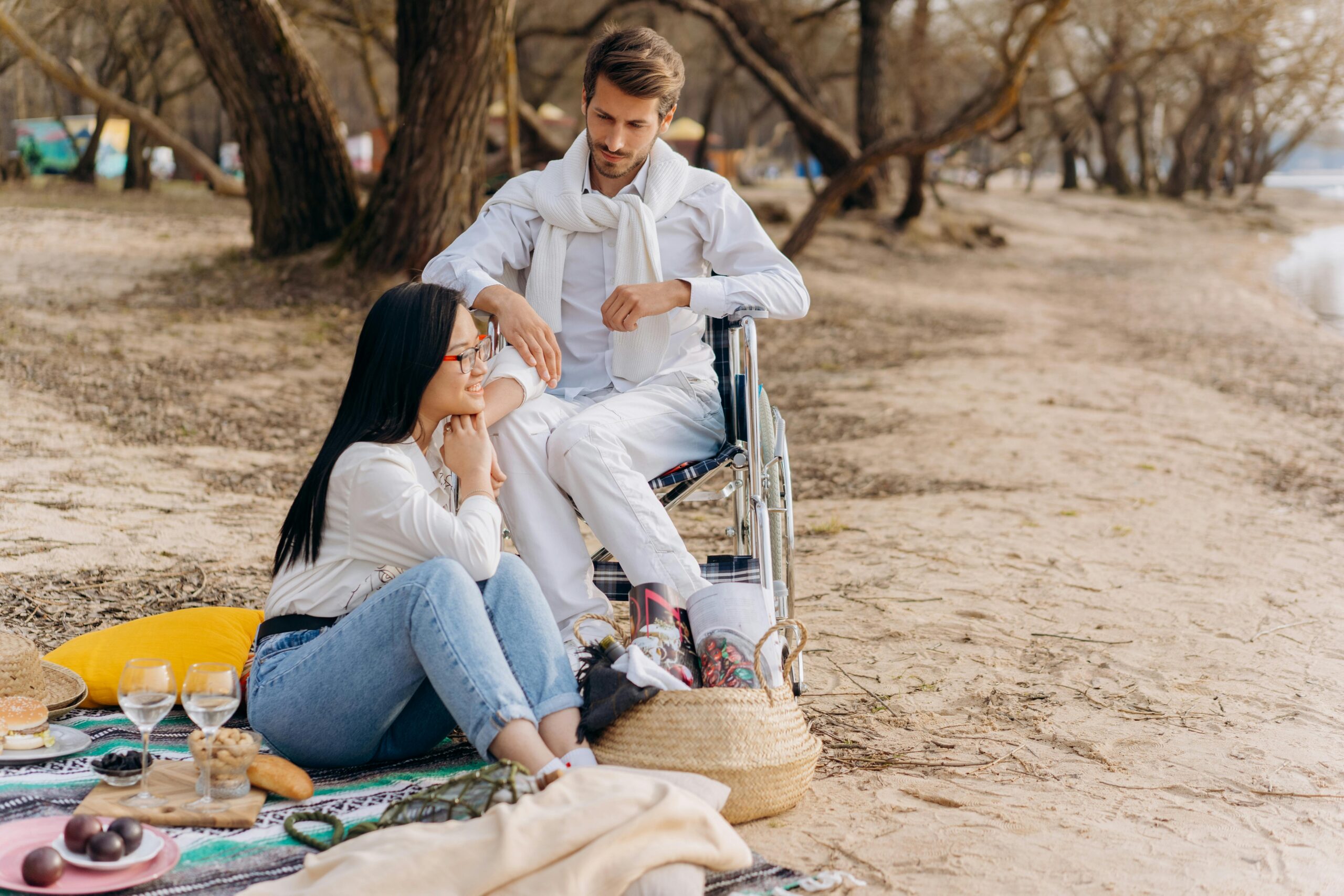
Every person who gains access to nature spaces represents a victory for equity and human dignity. The child with autism who finds peace in a sensory garden, the veteran with PTSD who rediscovers calm on an accessible trail, the wheelchair user who experiences the forest canopy from an elevated walkway—these experiences matter profoundly.
But beyond individual experiences, inclusive nature spaces strengthen the entire community. They demonstrate our collective values and commitment to ensuring everyone can unleash their wild side. They break down social barriers and normalize diversity. They remind us that nature belongs to all of us, and protecting access for everyone means protecting the very essence of what makes these spaces valuable.
The work continues. Every accessible trail, every adaptive program, every thoughtful accommodation moves us closer to a world where nature access isn’t determined by physical ability, economic status, or social identity. Whether you’re a planner, advocate, outdoor enthusiast, or simply someone who believes in equity, you have a role to play in this transformation.
Together, we can ensure that the call of the wild reaches every ear, that forest trails welcome every traveler, and that nature’s healing embrace extends to all who seek it. The wilderness within each of us deserves the chance to connect with the wilderness around us—without barriers, without exclusion, without limits. 🌲✨