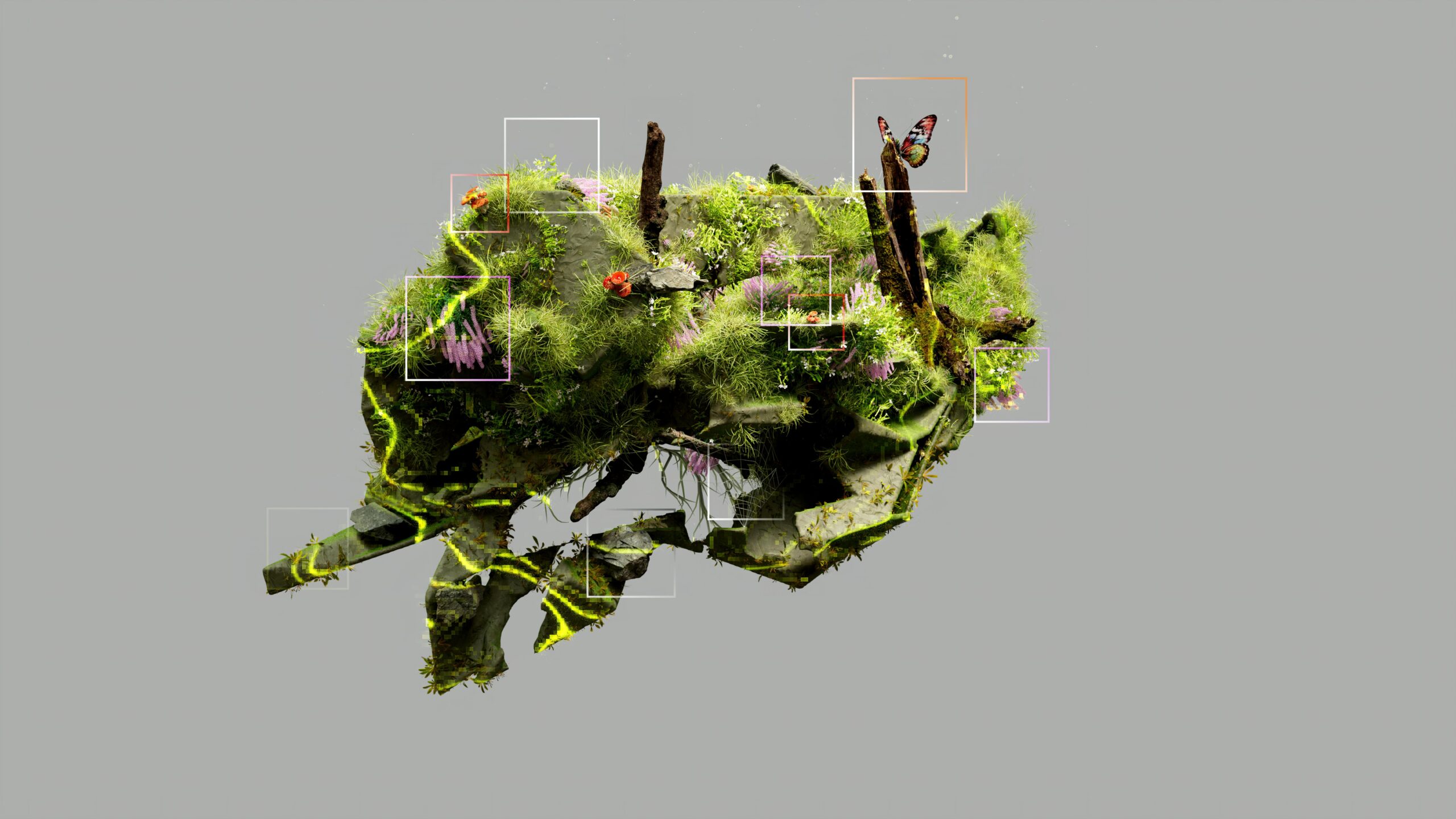
Technology is reshaping how we experience healing environments, merging digital innovation with nature’s restorative power to create transformative wellness experiences.

🌿 The Digital Evolution of Healing Spaces
The intersection of technology and therapeutic landscapes represents one of the most exciting frontiers in modern wellness. As our lives become increasingly digitized, the paradox of using technology to reconnect with nature and ourselves has emerged as a powerful solution to contemporary health challenges. Therapeutic landscapes—environments designed to promote physical, mental, and emotional healing—are no longer limited to traditional gardens, spas, or retreat centers. Today, they encompass virtual reality forests, app-guided meditation trails, and biometric-monitored healing spaces that adapt in real-time to our physiological needs.
This revolutionary approach addresses a critical challenge of our time: the growing disconnection between humans and restorative environments. Urban populations, particularly those in developed nations, spend approximately 90% of their time indoors, contributing to a phenomenon researchers call “nature deficit disorder.” Technology, ironically both part of the problem and the solution, now offers unprecedented opportunities to bridge this gap and democratize access to therapeutic experiences.
Understanding Therapeutic Landscapes in the Digital Age
Therapeutic landscapes have traditionally been defined as places, settings, situations, or locales that promote wellness through a combination of physical, psychological, and social elements. These environments facilitate healing through sensory engagement, stress reduction, and the promotion of positive emotions. The concept dates back centuries, from ancient healing gardens in Persia to Japanese Zen gardens designed for contemplation.
Modern interpretations expand this definition considerably. Today’s therapeutic landscapes might include augmented reality nature experiences accessible from hospital rooms, smartphone applications that guide users through mindfulness practices in urban parks, or wearable devices that provide real-time feedback on how different environments affect our stress levels. The key distinction lies not in replacing natural healing environments but in enhancing, extending, and democratizing access to them.
The Science Behind Technology-Enhanced Wellness
Research increasingly validates the effectiveness of technology-mediated therapeutic experiences. Studies have demonstrated that even virtual representations of nature can produce measurable physiological benefits, including reduced cortisol levels, lowered blood pressure, and improved heart rate variability. When combined with actual natural settings, technology can amplify these effects through guided attention, personalized experiences, and sustained engagement.
Neuroscience reveals that our brains respond to well-designed digital therapeutic experiences in remarkably similar ways to physical healing environments. The key lies in creating immersive, multi-sensory experiences that engage the parasympathetic nervous system—our body’s natural relaxation response. Technologies like binaural audio, haptic feedback, and high-resolution visual displays work together to create convincing therapeutic environments that our nervous systems recognize as genuinely restorative.
🚀 Innovative Technologies Transforming Wellness Landscapes
Virtual and Augmented Reality Healing Environments
Virtual reality (VR) has emerged as a powerful tool for creating immersive therapeutic experiences. Healthcare facilities worldwide now use VR to transport patients to calming natural environments during painful procedures, reducing anxiety and the need for sedation. These digital landscapes can be customized to individual preferences—whether ocean waves, mountain vistas, or forest scenes—providing personalized healing experiences impossible in physical spaces.
Augmented reality (AR) takes a different approach by overlaying digital healing elements onto physical spaces. Imagine walking through a city park while your smartphone guides you through a structured mindfulness practice, highlighting specific natural features and providing contextual information about their therapeutic benefits. AR applications can transform mundane environments into engaging wellness experiences, making therapeutic landscapes accessible even in dense urban settings.
Biometric Monitoring and Responsive Environments
Wearable technology has revolutionized how therapeutic landscapes respond to individual needs. Devices that monitor heart rate, skin conductance, breathing patterns, and other physiological markers can provide real-time data about our stress levels and emotional states. When integrated with environmental controls, these systems create truly responsive healing spaces that adapt lighting, soundscapes, temperature, and even scent based on what each person needs in the moment.
Smart therapeutic gardens represent an exciting application of this technology. Sensors embedded throughout these spaces monitor environmental conditions while visitors wear devices tracking their physiological responses. The space can then adjust features—activating water features to mask urban noise when stress levels rise, or adjusting shade structures as temperature discomfort increases—creating an optimized healing environment for each visitor.
Mobile Applications Bridging Digital and Natural Worlds
Smartphone applications have become perhaps the most accessible form of technology-enhanced therapeutic landscapes. These apps range from simple guided meditation tools to sophisticated platforms that combine GPS navigation, environmental sensing, and evidence-based therapeutic protocols to guide users through healing experiences in nature.
Forest bathing apps, inspired by the Japanese practice of shinrin-yoku, guide users through immersive experiences in natural settings. These applications provide structured activities, sensory awareness exercises, and educational content about the therapeutic properties of different ecosystems. By combining traditional healing practices with modern technology, they help users develop deeper, more intentional relationships with natural environments.
💡 Practical Applications Across Healthcare Settings
Hospital and Clinical Environments
Healthcare facilities have been early adopters of technology-enhanced therapeutic landscapes. Evidence shows that patients in rooms with nature views or access to healing gardens experience faster recovery times, require less pain medication, and report higher satisfaction with their care. Technology amplifies these benefits by bringing nature to patients who cannot physically access outdoor spaces.
Pediatric hospitals particularly benefit from these innovations. Children undergoing treatment can use VR headsets to escape to fantastical healing landscapes, reducing procedure-related anxiety and pain. Interactive displays in hospital corridors and waiting rooms create engaging, calming environments that help families manage the stress of medical situations.
Mental Health Treatment and Therapy
Mental health practitioners increasingly incorporate technology-enhanced therapeutic landscapes into treatment protocols. Exposure therapy for phobias, PTSD treatment, and anxiety management programs all benefit from controlled, graduable virtual environments. Therapists can precisely adjust the intensity of environmental stimuli, creating safe spaces for patients to confront challenges while developing coping skills.
Teletherapy platforms now integrate virtual backgrounds that serve therapeutic purposes beyond simple aesthetics. Therapists and clients can “meet” in calming natural settings, creating a sense of shared space even when physically distant. This approach proves particularly valuable for clients who find traditional clinical settings intimidating or those with mobility limitations.
Workplace Wellness Programs
Forward-thinking organizations recognize that employee wellbeing directly impacts productivity, creativity, and retention. Technology-enabled therapeutic spaces within offices range from VR meditation rooms to biophilically-designed work areas with smart environmental controls. Employees can access guided stress-reduction programs through company wellness apps, often integrated with wearable devices that track progress and provide personalized recommendations.
Some companies have created hybrid digital-physical therapeutic landscapes: rooftop gardens equipped with sensors and mobile apps that guide employees through restorative breaks, tracking usage patterns to demonstrate return on investment through reduced sick days and improved engagement metrics.
🌍 Democratizing Access to Healing Environments
Breaking Geographic and Economic Barriers
One of technology’s most profound contributions to therapeutic landscapes is increased accessibility. Individuals living in urban environments far from natural spaces, those with mobility limitations, or people in regions lacking well-designed healing environments can now access therapeutic experiences previously unavailable to them.
Free and low-cost mobile applications put evidence-based wellness practices in the hands of millions. Virtual reality equipment, while still representing an investment, continues to decrease in price while improving in quality. Public libraries, community centers, and healthcare facilities increasingly offer free access to these technologies, ensuring economic barriers don’t prevent people from benefiting from therapeutic landscapes.
Cultural Customization and Inclusivity
Digital therapeutic landscapes offer unprecedented opportunities for cultural customization. Traditional healing gardens might reflect specific cultural aesthetics, but digital environments can instantly adapt to individual cultural preferences and healing traditions. Someone might choose a Mediterranean coastal setting, while another finds healing in Nordic forests or tropical rainforests—all accessible through the same platform.
This customization extends to language, symbolic elements, and therapeutic practices, making wellness more inclusive and personally meaningful. Technology enables the preservation and sharing of indigenous healing traditions, allowing communities to maintain connection with ancestral wellness practices regardless of geographic displacement.
📊 Measuring Impact and Effectiveness
The integration of technology into therapeutic landscapes provides unprecedented opportunities for measuring effectiveness. Unlike traditional healing gardens where benefits might be intuited or measured through periodic surveys, technology-enhanced environments generate continuous data streams about usage patterns, physiological responses, and outcomes.
This data serves multiple purposes. Researchers gain insights into which environmental features produce the strongest therapeutic effects, allowing evidence-based refinement of both digital and physical healing spaces. Healthcare providers can track patient progress, adjusting treatment plans based on objective measures. Individuals gain awareness of their own patterns, learning which types of environments and activities provide the greatest personal benefit.
Key Metrics and Outcomes
- Physiological markers: Heart rate variability, cortisol levels, blood pressure, and sleep quality improvements
- Psychological measures: Reduced anxiety and depression scores, improved mood states, enhanced emotional regulation
- Behavioral outcomes: Increased engagement with wellness practices, sustained behavior change, improved treatment adherence
- Usage patterns: Frequency and duration of engagement, preferred environmental features, optimal timing for therapeutic interventions
- Long-term wellbeing: Quality of life improvements, resilience building, reduced healthcare utilization
⚡ Challenges and Considerations
Balancing Technology and Authenticity
Critics reasonably question whether technology-mediated experiences can truly replace direct contact with nature. Research suggests the answer is nuanced: digital therapeutic landscapes work best as complements rather than complete replacements for natural environments. The goal shouldn’t be eliminating nature contact but rather extending and enhancing access to healing experiences.
Designers of technology-enhanced therapeutic landscapes must carefully balance innovation with authenticity. Overly gamified or artificial experiences may fail to produce genuine therapeutic benefits. The most effective approaches maintain respect for the inherent healing properties of nature while using technology to make those properties more accessible and personally relevant.
Privacy and Data Security
As therapeutic landscapes become increasingly data-driven, privacy and security concerns intensify. Biometric data, location information, and detailed records of wellness practices require robust protection. Users need transparency about what data is collected, how it’s used, and who has access. Regulatory frameworks must evolve to address these unique challenges at the intersection of healthcare, technology, and personal wellness.
Digital Divide and Equity Concerns
While technology can democratize access to therapeutic landscapes, it can also create new forms of inequality. Communities without reliable internet access, individuals lacking digital literacy, and those unable to afford devices risk exclusion from these benefits. Addressing this requires intentional efforts to ensure technology-enhanced wellness doesn’t become a privilege of the affluent.
🔮 The Future of Technology-Enhanced Wellness
Emerging technologies promise even more sophisticated therapeutic landscapes. Artificial intelligence will enable environments that learn individual preferences and adapt in real-time with increasing precision. Brain-computer interfaces may allow direct monitoring of mental states, creating feedback loops between environment and consciousness that optimize healing. Haptic technologies will add tactile dimensions to virtual experiences, further blurring lines between digital and physical therapeutic spaces.
The concept of therapeutic landscapes will likely expand beyond discrete experiences or locations to become integrated throughout our daily lives. Smart cities might incorporate therapeutic design principles into urban planning, with technology guiding residents to optimal routes based on their current stress levels and wellness needs. Our homes could transform into responsive healing environments that support circadian rhythms, emotional states, and recovery from daily stressors.
Integration with Preventive Healthcare
Healthcare systems are shifting from reactive treatment toward proactive prevention. Technology-enhanced therapeutic landscapes will play crucial roles in this transition, providing accessible, cost-effective interventions that maintain health rather than merely treating illness. Insurance companies may incentivize engagement with these tools, recognizing their potential to reduce long-term healthcare costs.

🌟 Embracing a Holistic Vision
The revolution in technology-enhanced therapeutic landscapes represents more than gadgets and apps—it reflects a fundamental reimagining of how we approach wellness in modern life. By thoughtfully integrating digital innovation with time-honored healing practices and respect for nature’s restorative power, we create new possibilities for human flourishing.
Success requires maintaining perspective about technology’s role: it serves as a bridge, not a destination. The ultimate goal remains connecting people with healing experiences, whether those occur in physical gardens, virtual forests, or hybrid spaces that blend both. Technology should enhance our capacity for restoration, deepen our relationship with healing environments, and extend access to those who need it most.
As we continue developing these innovations, maintaining human-centered design principles ensures technology serves our wellbeing rather than dominating it. The most powerful therapeutic landscapes will be those that use technology invisibly, creating seamless experiences where the focus remains on healing, growth, and connection rather than the tools themselves.
This revolution in wellness offers tremendous promise for addressing the health challenges of our age, from chronic stress and mental health crises to lifestyle diseases and social isolation. By embracing technology’s potential while honoring the fundamental human need for restorative environments, we create a future where therapeutic landscapes become accessible to all, regardless of circumstance or location. The power lies not in choosing between nature and technology, but in discovering how they can work together to support human flourishing in an increasingly complex world.