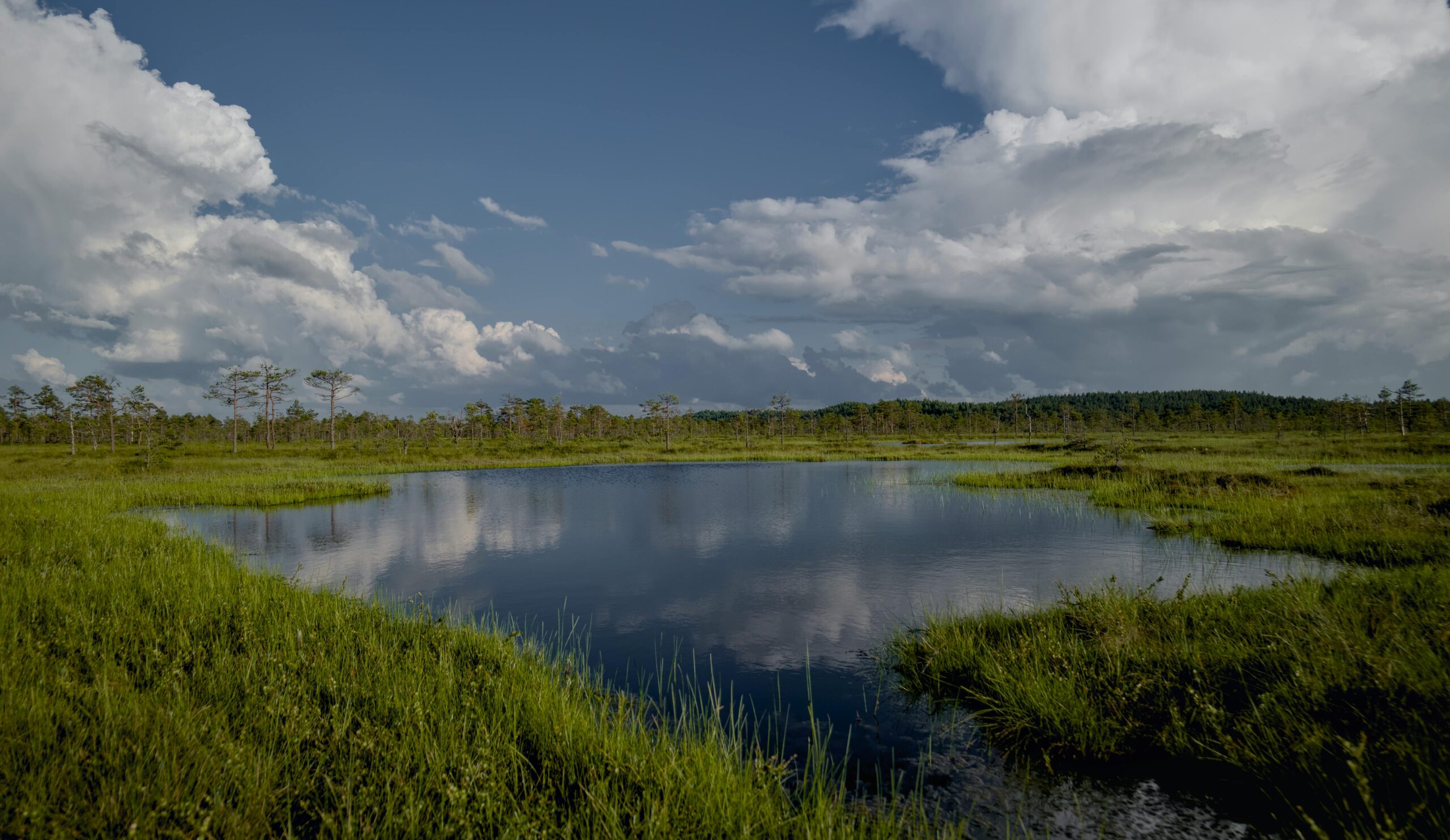
Therapeutic landscape architecture merges design with healing, creating outdoor spaces that nurture physical, mental, and emotional wellbeing through intentional environmental transformation.

🌿 Understanding the Healing Power of Designed Landscapes
The concept of therapeutic landscapes extends far beyond aesthetic appeal. These carefully crafted environments serve as vital instruments in healthcare, rehabilitation, and community wellness. Research consistently demonstrates that access to thoughtfully designed outdoor spaces can reduce stress hormones, lower blood pressure, accelerate recovery times, and improve overall quality of life.
Landscape architects working in this specialized field draw from environmental psychology, neuroscience, horticulture therapy, and evidence-based design principles. Their work transforms ordinary outdoor areas into restorative environments that actively contribute to healing processes. These spaces are not merely beautiful—they are functional, purposeful, and scientifically grounded in their approach to human wellbeing.
The therapeutic value of nature has been recognized throughout human history, but only recently have designers begun systematically applying this knowledge to create intentional healing environments. From hospital gardens to memory care facilities, from rehabilitation centers to community parks, therapeutic landscape architecture is reshaping how we think about the relationship between place and health.
🏥 Hospital Healing Gardens: Medicine Beyond Walls
Hospital healing gardens represent some of the most compelling examples of therapeutic landscape architecture in action. These spaces provide respite for patients, families, and healthcare workers who spend extended periods in clinical environments. The transition from sterile interiors to vibrant outdoor spaces offers psychological relief and tangible health benefits.
The Legacy Emanuel Medical Center Children’s Garden in Portland, Oregon, exemplifies this approach. Designed specifically for pediatric patients and their families, the space features interactive water elements, sensory plantings, and flexible seating arrangements that accommodate medical equipment. Children undergoing treatment can experience normal outdoor play, which research shows reduces anxiety and supports immune function.
Similarly, the Knight Cancer Institute’s Schnitzer Healing Garden at Oregon Health & Science University incorporates native plantings, water features, and carefully planned circulation paths. The design team consulted with oncologists, nurses, and patients to ensure the space met specific needs: gentle walking paths for those recovering from surgery, private seating areas for difficult conversations, and sunny spots that provide vitamin D exposure for patients who spend weeks indoors.
Design Elements That Make Hospital Gardens Therapeutic
Effective hospital healing gardens share several key characteristics that distinguish them from conventional landscaping:
- Accessibility: Wide, smooth pathways accommodate wheelchairs, walkers, and medical equipment while providing safe navigation for individuals with limited mobility.
- Sensory Engagement: Fragrant herbs, textured foliage, bird-attracting plants, and water features stimulate multiple senses without overwhelming vulnerable patients.
- Privacy Options: Strategic placement of plantings and seating creates both social gathering areas and intimate spaces for reflection or personal conversations.
- Year-Round Interest: Evergreen plantings, winter-blooming species, and structural elements ensure the garden provides value during all seasons.
- Safety Considerations: Non-toxic plants, rounded edges, appropriate lighting, and clear sightlines address the specific vulnerabilities of medical populations.
🧠 Memory Gardens for Dementia Care
Perhaps nowhere is therapeutic landscape architecture more impactful than in environments designed for individuals living with dementia and Alzheimer’s disease. These specialized gardens address cognitive decline while maintaining dignity and providing meaningful engagement opportunities.
The Silverado Memory Care Community gardens represent a pioneering approach to dementia-specific landscape design. These secure outdoor spaces feature continuous walking loops that satisfy the wandering behavior common in dementia patients while eliminating dead-ends that cause anxiety and confusion. Familiar plantings from earlier decades—victory gardens vegetables, old-fashioned roses, and heritage fruit trees—trigger positive memories and encourage social interaction.
Color theory plays a crucial role in these environments. High-contrast pathways help individuals with visual-spatial difficulties navigate safely. Bright flowers in reds, oranges, and yellows capture attention more effectively than pale pastels, which can appear washed out to aging eyes. Tactile elements like lamb’s ear, ornamental grasses, and smooth stones invite gentle interaction without requiring complex cognitive processing.
Wayfinding and Orientation Strategies
Memory gardens employ sophisticated yet subtle orientation cues. Rather than relying on signs that dementia patients may not process, designers use landmark plantings, distinctive garden “rooms,” and sensory markers. A fragrant lavender hedge might signal the approach to a seating area, while a distinctive red Japanese maple marks a pathway intersection. These environmental cues work with remaining cognitive abilities rather than against declining faculties.
The Enabling Garden at the Chicago Botanic Garden demonstrates how therapeutic landscapes can serve as both destination and model. Raised beds at various heights accommodate seated gardening for wheelchair users, while vertical growing systems allow individuals with limited reach to tend plants independently. The garden serves as a living laboratory where occupational therapists study how horticultural activities support cognitive function and fine motor skills.
♿ Rehabilitation Centers and Adaptive Landscapes
Therapeutic landscapes designed for physical rehabilitation transform outdoor environments into extension of therapy spaces. These gardens incorporate features that challenge and support recovering individuals, providing motivation and measurable progress tracking beyond traditional clinical settings.
The Rusk Institute of Rehabilitation Medicine’s Enid A. Haupt Glass Garden in New York City pioneered this approach. The space includes varying terrain grades that help patients rebuild strength and balance, handrails integrated into garden structures, and strategically placed benches that encourage incremental distance goals. Therapists use the garden’s features for structured therapy sessions, turning rehabilitation exercises into purposeful activities within a naturalistic setting.
Pathway surfaces vary intentionally—from smooth concrete to textured pavers to stabilized gravel—allowing therapists to progressively challenge patients’ balance and gait. Steps of varying heights provide practice for individuals learning to navigate home environments after injury or surgery. Raised planter edges double as parallel bars for supported walking practice, seamlessly integrating therapeutic function into attractive design elements.
Horticultural Therapy in Action
Many rehabilitation-focused therapeutic landscapes incorporate active gardening spaces. The physical motions of planting, weeding, and harvesting provide meaningful occupational therapy while producing tangible results. Veterans Administration hospitals have particularly embraced this approach, with therapeutic gardens serving both physical rehabilitation and PTSD treatment for military veterans.
The Atlanta VA Medical Center’s therapeutic garden includes raised beds at standard and wheelchair-accessible heights, a greenhouse for year-round programming, and demonstration areas where veterans learn techniques they can apply at home. The program tracks participants’ improvements in grip strength, range of motion, social engagement, and reported depression symptoms—consistently showing positive outcomes across all measures.
🌳 Community Healing Landscapes
While institutional therapeutic landscapes serve specific populations, community-scale healing environments demonstrate how therapeutic landscape architecture principles can benefit entire neighborhoods. These public spaces acknowledge that mental health, stress reduction, and community cohesion are public health concerns requiring designed interventions.
The Maggie’s Centers, located at cancer hospitals throughout the UK, exemplify architecture and landscape working in harmony to support wellbeing. Each center features extensive gardens that provide outdoor destinations visible from every interior space. The landscape design emphasizes seasonal change, growth cycles, and natural beauty—metaphors that resonate with cancer patients navigating their own journeys of transformation and renewal.
Urban therapeutic parks like Seattle’s Therapy Garden at Seattle Children’s Hospital blur the boundary between institutional and public space. While serving hospital patients and families, the garden is also open to surrounding neighborhoods, normalizing the integration of healing landscapes into everyday urban life. This accessibility demonstrates that therapeutic design benefits everyone, not just those in medical crisis.
Designing for Social Connection and Solitude
Effective community healing landscapes balance spaces for gathering with opportunities for solitude. The Post-Traumatic Stress Disorder (PTSD) garden at Camp Pendleton creates private contemplation areas shielded by evergreen screening, while also providing group gathering spaces around fire features and open lawns. This spatial diversity acknowledges that healing is not a uniform process—different individuals and different moments require different environmental supports.
Biophilic design principles inform these community spaces, incorporating natural patterns, materials, and processes that humans instinctively find restorative. Fractal patterns in branching trees and flowing water, natural material palettes, dynamic rather than static compositions—these elements engage evolutionary preferences that make natural environments inherently stress-reducing.
📊 Measuring Success: Evidence-Based Design Outcomes
The therapeutic landscape architecture field increasingly relies on measurable outcomes to validate design decisions and secure funding for future projects. This evidence-based approach transforms subjective impressions of “nice gardens” into quantifiable health improvements that healthcare administrators and policymakers can evaluate.
| Measurement Category | Assessment Methods | Typical Outcomes |
|---|---|---|
| Physiological Indicators | Blood pressure, heart rate, cortisol levels, pain medication requirements | 10-20% reduction in stress markers; decreased pain medication usage |
| Psychological Wellbeing | Standardized depression/anxiety scales, mood assessments, patient surveys | Significant improvements in reported mood, reduced anxiety scores |
| Behavioral Observations | Space utilization rates, duration of visits, activity participation | Increased outdoor time, higher engagement in social activities |
| Recovery Metrics | Length of hospital stay, readmission rates, complication frequencies | Reduced hospital stays by 8-12%, fewer post-operative complications |
Roger Ulrich’s landmark 1984 study demonstrated that surgical patients with views of trees recovered faster and required less pain medication than those facing brick walls. This research catalyzed the evidence-based healthcare design movement and provided the scientific foundation for investing in therapeutic landscapes. Subsequent studies have consistently reinforced these findings across diverse populations and medical conditions.
Contemporary research employs sophisticated methodologies including heart rate variability monitoring, electroencephalography (EEG) brain pattern analysis, and longitudinal health outcome tracking. These tools reveal not just that therapeutic landscapes work, but how they work at neurological and physiological levels, informing increasingly refined design approaches.
🎨 Design Principles for Therapeutic Effectiveness
Successful therapeutic landscape architecture adheres to specific design principles derived from environmental psychology research and clinical observation. These guidelines help designers create spaces that reliably produce therapeutic benefits rather than relying on intuition alone.
Prospect and Refuge Theory suggests humans seek environments offering both open views (prospect) for orientation and security, and enclosed spaces (refuge) for safety and privacy. Therapeutic gardens incorporate both: open lawns or clearings provide prospect, while alcove seating, pergolas, and dense plantings offer refuge. This combination addresses fundamental psychological needs, creating spaces that feel simultaneously secure and expansive.
Attention Restoration Theory explains why natural environments combat mental fatigue. Directed attention—the focused concentration required for most work and healthcare experiences—depletes cognitive resources. Natural settings engage “soft fascination,” capturing attention effortlessly through movement, patterns, and sensory variety. This allows directed attention capacity to recover. Therapeutic landscapes maximize these restorative qualities through water features, wildlife habitat, and dynamic planting compositions.
Sensory Design Considerations
Multi-sensory engagement distinguishes therapeutic landscapes from purely visual design. Fragrance gardens featuring lavender, rosemary, and jasmine provide aromatherapy benefits. Textured plantings—from velvety lamb’s ear to architectural grasses—invite touch interaction. Bird-attracting plantings and water features create soundscapes that mask urban noise while providing positive auditory stimulation.
Careful attention to color psychology influences plant selection. Blues and greens generally promote calm and reduce blood pressure, making them ideal for high-anxiety environments like emergency departments. Warmer colors—reds, oranges, and yellows—stimulate energy and social interaction, appropriate for rehabilitation settings where motivation is essential. Seasonal color progression provides visual interest while connecting residents to natural rhythms beyond clinical walls.
🌍 Cultural Responsiveness in Therapeutic Design
Effective therapeutic landscape architecture acknowledges that relationships with nature, healing, and outdoor space are culturally situated. A garden that feels restorative to one population may not resonate with another, making cultural competency essential for designers working in diverse communities.
Indigenous healing gardens incorporate traditional medicinal plants, sacred geometries, and culturally significant features like medicine wheels or ceremonial spaces. These elements validate traditional knowledge systems and provide culturally appropriate healing environments for Native American, First Nations, and Aboriginal populations who have experienced cultural erasure in mainstream healthcare settings.
Urban community gardens in immigrant neighborhoods often include raised beds where residents can grow traditional foods unavailable in mainstream markets. These spaces function therapeutically by maintaining cultural connections, providing familiar flavors, and creating social spaces where language and cultural practices can be shared. The therapeutic value extends beyond horticulture to encompass cultural preservation and community identity.
💡 Looking Forward: Innovations in Therapeutic Landscape Architecture
The field continues evolving as new research, technologies, and social awareness shape design approaches. Climate change adaptation increasingly influences plant selection and water management strategies, with designers prioritizing resilient native species and sustainable irrigation systems. These practical considerations align with therapeutic goals, as healthy, thriving landscapes provide superior restorative benefits compared to struggling, maintenance-intensive designs.
Virtual and augmented reality technologies are beginning to complement physical therapeutic landscapes, particularly for patients unable to access outdoor spaces. While technology cannot replace direct nature contact, virtual nature experiences show measurable stress reduction benefits for immobile patients, suggesting hybrid approaches may expand therapeutic landscape reach.
Pollinator gardens and wildlife habitat integration represent converging environmental and therapeutic priorities. Observing butterflies, bees, and birds provides the “soft fascination” that supports attention restoration while contributing to urban biodiversity. Educational signage transforms these ecological features into engagement opportunities that support environmental stewardship values alongside personal wellbeing.

🌱 Transformative Potential of Designed Healing Environments
Therapeutic landscape architecture represents a fundamental shift in how we understand the relationship between environment and health. These spaces acknowledge that healing is not solely a medical process occurring within bodies, but an ecological phenomenon influenced by surroundings, experiences, and connections to living systems.
The case studies explored demonstrate that thoughtful design transforms outdoor spaces from amenities into essential healthcare infrastructure. Whether supporting cancer patients, individuals with dementia, rehabilitation clients, or entire communities experiencing collective stress, therapeutic landscapes provide measurable health benefits while honoring human dignity and the healing power of nature.
As healthcare systems increasingly recognize prevention and holistic wellness alongside treatment, therapeutic landscape architecture will continue gaining importance. These designed environments offer low-cost, sustainable interventions that improve multiple health outcomes simultaneously without pharmaceutical side effects or technological complexity.
The power of therapeutic landscape architecture lies in its accessibility. While sophisticated design expertise creates optimal outcomes, the fundamental principle—that contact with living, growing, natural systems supports human wellbeing—can inform decisions at every scale. From urban parks to backyard gardens, from hospital courtyards to nursing home patios, opportunities exist to transform environments into healing landscapes that nurture body, mind, and spirit. The evidence is clear: designed nature heals, and therapeutic landscape architecture provides the framework for systematically harnessing that healing power.