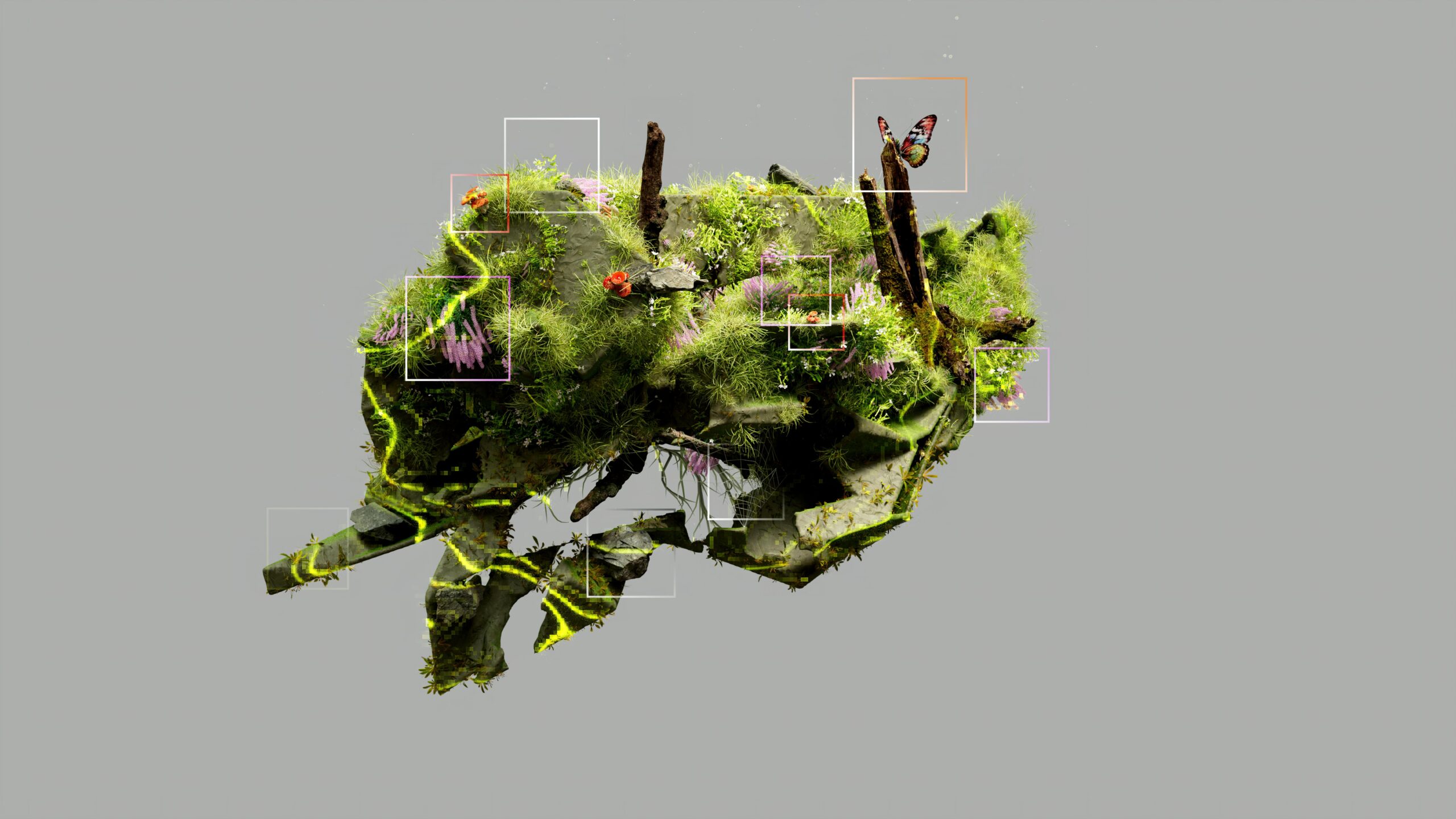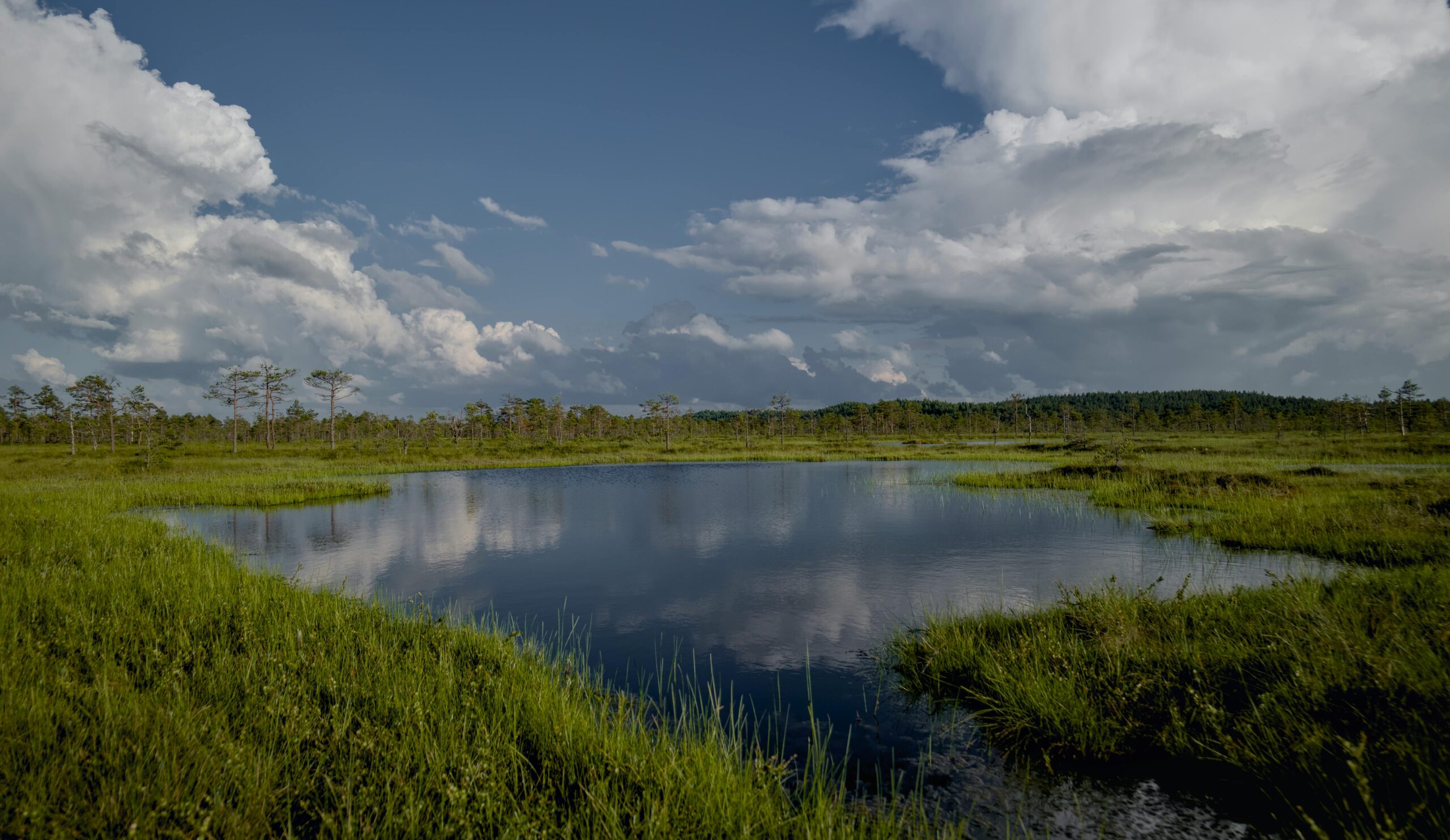
The intersection of nature, architecture, and medicine is creating revolutionary spaces where healing transcends traditional clinical boundaries, ushering in an era of therapeutic ecospaces. 🌿

Understanding the Therapeutic Ecoscape Revolution
Healthcare innovation has traditionally focused on pharmaceutical breakthroughs, surgical techniques, and diagnostic technologies. However, a growing body of evidence suggests that the physical environment plays a crucial role in patient outcomes, staff wellbeing, and overall healthcare effectiveness. Therapeutic ecospaces represent a paradigm shift in how we conceptualize healing environments, integrating biophilic design principles with evidence-based environmental psychology to create spaces that actively participate in the healing process.
These healing havens are not simply hospitals with better landscaping. They represent a fundamental reconceptualization of healthcare infrastructure, where every element—from air quality and natural light to acoustic design and access to nature—is intentionally orchestrated to support physiological and psychological recovery. The concept draws from diverse disciplines including environmental psychology, neuroscience, landscape architecture, and traditional healing practices from cultures worldwide.
The Scientific Foundation: Why Nature Heals 🧬
Research has consistently demonstrated that exposure to natural environments produces measurable physiological changes that support healing. Studies show that patients with views of nature from their hospital rooms recover faster, require less pain medication, and experience fewer complications than those facing brick walls or urban landscapes. This isn’t merely psychological comfort—it represents genuine biological responses.
The mechanisms behind nature’s healing power are multifaceted. Natural environments reduce cortisol levels, lower blood pressure, decrease heart rate variability, and modulate inflammatory responses. Visual engagement with natural elements activates the parasympathetic nervous system, shifting the body from stress response to restoration mode. The fractal patterns found in nature—repetitive patterns at different scales—have been shown to reduce physiological stress by up to 60% within just three minutes of exposure.
Furthermore, exposure to biodiversity has been linked to improved immune function. The microbiome benefits from interaction with diverse natural environments, and phytoncides—airborne chemicals produced by plants—have demonstrated antimicrobial properties and immune-boosting effects. These findings provide a compelling scientific rationale for integrating therapeutic ecospaces into healthcare infrastructure.
Design Principles for Healing Havens 🏥
Creating effective therapeutic ecospaces requires more than adding plants to existing structures. It demands a comprehensive understanding of how environmental factors interact to influence human health and wellbeing. Several core design principles guide the development of these innovative spaces.
Biophilic Integration and Sensory Engagement
Biophilic design goes beyond aesthetics to create meaningful connections between people and nature. This includes direct experiences of nature through gardens, water features, and wildlife, as well as indirect experiences through natural materials, colors, and patterns. Successful therapeutic ecospaces engage multiple senses simultaneously—the sound of water, the scent of healing plants like lavender and rosemary, the tactile experience of natural textures, and dynamic visual engagement with changing natural elements.
Natural light optimization is paramount. Circadian-effective lighting that mimics natural daylight patterns supports healthy sleep-wake cycles, crucial for immune function and healing. Strategic placement of windows, skylights, and light tubes maximizes daylight penetration while managing glare and heat gain. Some innovative facilities now incorporate tunable LED systems that adjust color temperature throughout the day to support circadian rhythms when natural light is insufficient.
Therapeutic Gardens and Outdoor Spaces
Therapeutic gardens represent perhaps the most tangible expression of healing ecospaces. Unlike decorative landscaping, these gardens are designed with specific therapeutic outcomes in mind. They may include meditation areas, gentle walking paths for physical rehabilitation, horticultural therapy zones where patients actively engage in gardening, and quiet contemplation spaces for psychological restoration.
The selection of plant species goes beyond aesthetics to consider therapeutic properties, seasonal interest, sensory stimulation, and safety for immunocompromised patients. Native plants that support local biodiversity create dynamic ecosystems that change throughout seasons, providing ongoing interest and connection to place. Edible gardens serve dual purposes, providing fresh produce for hospital kitchens while offering meaningful activities for patients in recovery.
Technology Meets Nature: Smart Ecospaces 📱
The future of therapeutic ecospaces lies in the seamless integration of natural elements with intelligent building systems. Smart sensors monitor air quality, temperature, humidity, and light levels, making real-time adjustments to optimize healing conditions. These systems can personalize environmental conditions based on individual patient needs, medical conditions, and preferences.
Virtual and augmented reality technologies are expanding access to nature experiences for patients unable to physically access outdoor spaces. Immersive nature experiences have shown remarkable therapeutic benefits, reducing pain perception, anxiety, and depression. These technologies don’t replace actual nature contact but serve as valuable complements, particularly in intensive care units, isolation rooms, or urban facilities with limited access to outdoor spaces.
Data analytics are helping healthcare administrators understand how environmental factors impact outcomes. By correlating environmental conditions with recovery rates, medication usage, and patient satisfaction, facilities can optimize their therapeutic ecospaces based on evidence rather than assumptions. This data-driven approach is accelerating the refinement and adoption of healing haven principles across diverse healthcare settings.
Case Studies: Pioneering Healing Havens Worldwide 🌍
Several healthcare facilities worldwide are demonstrating the transformative potential of therapeutic ecospaces, serving as models for future development.
Khoo Teck Puat Hospital, Singapore
This facility has integrated over 700 plant species throughout its buildings, creating a vertical garden that covers much of the structure. The hospital features therapeutic gardens on multiple levels, a 700-meter jogging track surrounded by greenery, and water features throughout. The design has reduced ambient temperatures by several degrees, decreased energy consumption, and created habitats for over 100 bird species. Patient satisfaction scores consistently exceed national averages, and staff report reduced burnout and increased job satisfaction.
Maggie’s Centres, United Kingdom
These cancer care centers embody therapeutic ecoscape principles through architectural designs that maximize natural light, create intimate connections with gardens, and use natural materials throughout. Each center is unique but shares core principles: welcoming entrances, domestic-scale spaces, abundant natural light, and gardens accessible from all rooms. Research has demonstrated significant improvements in psychological wellbeing, reduced anxiety, and enhanced coping abilities among users.
Oregon Burn Center, United States
This specialized facility incorporates healing gardens specifically designed for burn patients and their families. The gardens provide graduated sun exposure areas crucial for burn recovery, water features that create soothing soundscapes to mask treatment noises, and private spaces for emotional processing. Clinical outcomes show reduced pain medication requirements and shorter hospital stays compared to pre-redesign metrics.
Implementation Challenges and Solutions 💡
Despite compelling evidence and successful examples, scaling therapeutic ecospaces faces significant challenges. Understanding and addressing these barriers is essential for widespread adoption.
Financial Considerations
Initial construction costs for therapeutic ecospaces typically exceed conventional healthcare facilities. However, lifecycle cost analyses increasingly demonstrate long-term financial benefits through reduced energy consumption, improved staff retention, shorter patient stays, and enhanced reimbursement rates linked to improved patient satisfaction scores. The challenge lies in helping decision-makers adopt longer planning horizons that capture these benefits.
Innovative financing models are emerging. Some facilities partner with horticultural therapy programs that offset maintenance costs while providing therapeutic services. Others leverage community volunteers for garden maintenance, creating meaningful engagement opportunities while managing expenses. Green building certifications often qualify facilities for tax incentives, grants, and preferential lending rates that offset initial investments.
Maintenance and Operations
Living systems require ongoing care, creating operational complexities unfamiliar to traditional facility management teams. Successful programs invest in staff training, partner with horticultural experts, and incorporate maintenance considerations during the design phase. Selecting appropriate plant species—prioritizing native, low-maintenance varieties—significantly reduces long-term care requirements. Automated irrigation systems with weather-responsive controls optimize water usage while reducing labor demands.
Infection Control Concerns
Infection prevention specialists sometimes resist indoor plants and outdoor access, concerned about pathogen exposure. However, research has not supported these concerns when appropriate precautions are taken. Guidelines now exist for safely incorporating plants in healthcare settings, addressing soil pathogens, water quality, and pest management. Many facilities use hydroponics or sealed planters that eliminate soil-related concerns while maintaining therapeutic benefits.
The Future Landscape: Emerging Trends and Innovations 🚀
The therapeutic ecoscape movement continues evolving, with several emerging trends likely to shape future development.
Precision Environmental Medicine
Just as precision medicine tailors treatments to individual genetics, precision environmental medicine will customize healing environments to individual needs. Wearable sensors monitoring physiological responses to environmental factors will enable real-time adjustments. Patients might receive personalized environmental prescriptions specifying optimal lighting, temperature, humidity, nature exposure, and acoustic environments based on their conditions and responses.
Urban Forest Hospitals
Some visionaries propose entirely reconceptualizing hospital design by distributing facilities throughout urban forests rather than concentrating them in isolated buildings. This radical approach would create networks of specialized care pavilions connected by healing pathways through therapeutic landscapes. While logistically complex, pilot projects are exploring how this model might function for rehabilitation facilities, mental health services, and chronic disease management.
Regenerative Healthcare Campuses
Beyond sustainability, regenerative design aims to create healthcare facilities that actively improve environmental conditions. These campuses generate more energy than they consume, improve soil and water quality, increase biodiversity, and serve as ecological anchors for surrounding communities. Early examples demonstrate that this ambitious goal is achievable while creating extraordinary healing environments.
Therapeutic Ecoscape Certification
Professional organizations are developing certification programs specifically for therapeutic ecospaces, establishing evidence-based standards and best practices. These certifications will help facility planners, provide quality assurance for patients, and accelerate knowledge transfer across the field. As the evidence base grows, therapeutic ecoscape features may eventually become requirements for healthcare facility accreditation.
Policy Implications and Healthcare Transformation 📋
Widespread adoption of therapeutic ecospaces requires supportive policy frameworks at multiple levels. Healthcare reimbursement systems must recognize and reward environmental quality as a component of care delivery. Building codes and healthcare facility standards should incorporate therapeutic ecoscape principles rather than treating them as optional amenities.
Professional education for healthcare administrators, architects, and clinicians needs to include training on environmental health and therapeutic ecoscape principles. Currently, few professionals receive comprehensive education in these areas, limiting innovation and implementation. Forward-thinking institutions are developing interdisciplinary programs that prepare the next generation of healthcare and design professionals to create healing havens.
Public health policy increasingly recognizes environmental factors as social determinants of health. This broader context supports investments in therapeutic ecospaces as preventive healthcare infrastructure. Some jurisdictions now require health impact assessments for major development projects, creating opportunities to advocate for therapeutic ecoscape features in healthcare facilities.
Bridging Traditional Wisdom and Modern Innovation 🌺
Many cultures have long traditions of healing environments that integrate nature, though these practices were often dismissed by modern medicine. The therapeutic ecoscape movement represents a return to these wisdom traditions, now validated by contemporary science. Japanese forest bathing (shinrin-yoku), Ayurvedic healing gardens, Indigenous medicine wheels, and monastic healing gardens all offer insights for contemporary practice.
Respectful integration of traditional knowledge with scientific methodology creates richer, more culturally responsive healing environments. Some facilities partner with Indigenous communities to incorporate traditional healing practices and plant species into therapeutic ecospaces. This approach not only enhances therapeutic effectiveness but also promotes cultural preservation and reconciliation.

Creating Your Own Healing Haven: Practical Steps Forward 🌱
Healthcare professionals, administrators, and community members can contribute to the therapeutic ecoscape movement regardless of their roles or resources. Start by advocating for small changes—adding plants to waiting areas, improving access to windows, creating small outdoor spaces. Document outcomes through patient and staff feedback, building the local evidence base for expanded investments.
Engage diverse stakeholders in planning processes. Include patients, families, clinicians, facility staff, and community members in design discussions. Their insights often identify opportunities and solutions that designers might overlook. Form partnerships with local horticultural societies, landscape architecture programs, and environmental organizations that can provide expertise and support.
Remember that therapeutic ecospaces exist on a continuum. Not every facility can immediately become a forest hospital, but every facility can move in that direction. Each improvement—better lighting, a therapeutic garden, green walls, improved air quality—contributes to healing outcomes. The journey toward healing havens is incremental, with each step building momentum and demonstrating value for subsequent investments.
The future of healthcare increasingly recognizes that healing happens not just through what we do to patients, but through the environments we create around them. Therapeutic ecospaces represent a profound shift toward truly holistic care that honors the deep connections between human health and natural systems. As evidence accumulates and successful examples multiply, these healing havens will transition from innovative exceptions to standard practice, fundamentally transforming the landscape of healthcare delivery for generations to come. 🌿✨