
The way we live, work, and restore energy in our spaces has transformed dramatically with artificial intelligence reshaping interior optimization and environmental wellness strategies.

🏠 The Dawn of Intelligent Space Restoration
Our living and working environments profoundly impact our well-being, productivity, and mental clarity. Traditional approaches to space optimization relied heavily on intuition, trial and error, or expensive consultations with interior designers. Today, artificial intelligence has democratized access to sophisticated spatial analysis, enabling anyone to transform their environment into a restorative sanctuary.
AI modeling represents a quantum leap in how we understand and manipulate our surroundings. By processing vast datasets about human behavior, environmental psychology, lighting dynamics, and acoustic properties, machine learning algorithms can now predict how specific changes will affect our mood, energy levels, and overall satisfaction with our spaces.
The concept of restorative optimization extends beyond aesthetics. It encompasses the strategic arrangement of furniture, calibration of lighting systems, acoustic treatment, air quality management, and even the psychological impact of color schemes. AI systems can analyze these interconnected variables simultaneously, something human consultants struggle to accomplish with the same precision and speed.
Understanding AI-Powered Spatial Intelligence
Artificial intelligence approaches space optimization through multiple analytical lenses. Computer vision algorithms can scan your room using smartphone cameras, creating detailed 3D models that capture dimensions, existing furniture placement, natural light sources, and architectural features. This digital twin becomes the foundation for all subsequent optimization recommendations.
Machine learning models trained on thousands of successfully optimized spaces can identify patterns that correlate with reported satisfaction, productivity improvements, and stress reduction. These patterns inform personalized recommendations that account for your specific needs, preferences, and constraints.
Natural language processing enables conversational interfaces where you can describe your goals in plain English. Whether you’re seeking a calming bedroom environment, an energizing home office, or a social living room layout, AI systems interpret your intentions and translate them into actionable design strategies.
The Science Behind Restorative Environments
Environmental psychology research has established clear connections between spatial characteristics and human well-being. AI modeling incorporates these evidence-based principles into its recommendations, ensuring that suggested changes aren’t merely aesthetically pleasing but functionally restorative.
Biophilic design elements, which integrate natural features into built environments, have demonstrated measurable stress reduction and cognitive performance benefits. AI systems can suggest optimal placement for plants, water features, and natural materials based on your space’s specific lighting conditions and traffic patterns.
Circadian lighting strategies align artificial illumination with natural daily rhythms, supporting healthy sleep-wake cycles. AI algorithms calculate the ideal color temperature and intensity for different times of day, considering your room’s orientation, window placement, and intended activities.
🔍 Key Applications of AI Modeling in Space Optimization
The practical applications of AI-driven space restoration span residential, commercial, and hybrid environments. Each context presents unique challenges that artificial intelligence addresses through specialized modeling approaches.
Residential Wellness Optimization
Home environments serve multiple functions—rest, work, recreation, and social connection. AI modeling helps differentiate these zones within limited square footage, suggesting furniture arrangements that psychologically separate activities while maintaining visual coherence.
Bedroom optimization focuses on sleep quality enhancement. AI analyzes factors including bed orientation relative to doors and windows, optimal blackout solutions, sound dampening strategies, and temperature regulation approaches. Studies show properly optimized bedrooms can improve sleep quality by up to 40%, with corresponding benefits for daytime energy and mood.
Kitchen and dining areas benefit from AI-assisted workflow optimization. By analyzing your cooking habits and entertaining patterns, algorithms suggest layouts that minimize unnecessary movement while maximizing social interaction opportunities. This approach transforms meal preparation from a isolated chore into an engaging, restorative activity.
Productive Workspace Configuration
The explosion of remote work has intensified focus on home office optimization. AI modeling addresses the unique challenge of creating professional environments within residential contexts, balancing productivity requirements with comfort and sustainability.
Ergonomic analysis through computer vision identifies suboptimal desk heights, monitor positions, and seating arrangements that contribute to physical strain. AI recommendations consider both immediate comfort and long-term musculoskeletal health, potentially preventing chronic pain conditions that plague desk workers.
Cognitive performance optimization extends beyond ergonomics. AI systems evaluate acoustic properties, suggesting soundproofing solutions or background noise strategies that enhance focus. Research demonstrates that optimized acoustic environments can improve concentration by 30-50%, depending on individual sensitivity profiles.
The Technology Stack Powering Space Intelligence
Modern AI spatial optimization relies on converging technologies that were science fiction just a decade ago. Understanding these underlying systems helps users leverage their full potential and set realistic expectations.
Computer Vision and 3D Reconstruction
Smartphone cameras have evolved into sophisticated spatial scanners. Photogrammetry algorithms process multiple images from different angles, constructing accurate 3D models of your space. LIDAR sensors, now included in premium mobile devices, accelerate this process while improving precision.
These digital representations enable virtual experimentation without physical disruption. You can visualize furniture rearrangements, wall color changes, or lighting modifications before committing time and resources to implementation.
Predictive Analytics and Outcome Modeling
The true power of AI emerges in predictive capabilities. By analyzing correlations between spatial characteristics and user-reported outcomes across large datasets, machine learning models forecast how specific changes will affect your experience.
These predictions account for individual differences. Two people might receive different recommendations for similar spaces based on personality traits, work styles, sensory sensitivities, and lifestyle patterns. This personalization represents a fundamental advantage over generic design advice.
💡 Implementing AI-Driven Space Transformation
Theoretical understanding means little without practical implementation strategies. Successfully integrating AI recommendations requires a systematic approach that balances algorithmic suggestions with personal intuition and budget constraints.
Assessment and Baseline Establishment
Begin by documenting your current space comprehensively. Photograph from multiple angles, noting problem areas, existing furniture dimensions, and features you wish to preserve. Many AI platforms guide this process through structured questionnaires that capture both objective measurements and subjective experiences.
Establish clear goals before engaging with AI tools. Are you addressing specific problems like poor sleep quality or back pain? Pursuing general wellness enhancement? Creating a more inspiring creative environment? Defined objectives help algorithms prioritize recommendations effectively.
Phased Implementation Strategy
Resist the temptation to implement all AI recommendations simultaneously. Gradual changes allow you to evaluate each modification’s impact, building confidence in the process and avoiding overwhelming disruption.
Start with high-impact, low-cost interventions. Furniture rearrangement, strategic decluttering, and lighting adjustments often produce significant improvements without financial investment. Reserve major purchases or renovations for later phases after validating the AI system’s understanding of your preferences.
Document changes and track subjective well-being metrics. Simple daily ratings of energy, mood, and satisfaction create feedback loops that help you identify which recommendations delivered genuine value versus those that sounded good theoretically but didn’t translate to personal benefit.
🎯 Measuring Success and Iterative Refinement
Optimization is inherently iterative. Even the most sophisticated AI models require human feedback to calibrate recommendations for individual preferences and circumstances. Establishing measurement frameworks ensures continuous improvement.
Quantitative Metrics
Wearable devices and smart home sensors provide objective data about sleep quality, activity patterns, and environmental conditions. Comparing pre- and post-optimization metrics reveals whether changes delivered measurable benefits.
Sleep trackers can document improvements in sleep duration, disturbances, and restfulness. Activity monitors show whether workspace changes influenced daily movement patterns. Environmental sensors track air quality, temperature stability, and humidity levels—all factors that subtly influence comfort and health.
Qualitative Assessment
Numerical data tells only part of the story. Regular journaling about your experience in optimized spaces captures nuanced changes in mood, creativity, social interactions, and general life satisfaction.
Weekly reflection prompts might include: Do I feel more energized in the mornings? Has my focus during work improved? Do I enjoy spending time in this space more than before? Am I using the space in new, unexpected ways?
These qualitative insights often reveal benefits that aren’t easily quantified but profoundly impact quality of life. They also help identify areas where AI recommendations missed the mark, requiring human judgment to override algorithmic suggestions.
Overcoming Common Implementation Challenges
Despite sophisticated technology, space optimization encounters predictable obstacles. Anticipating these challenges and developing mitigation strategies increases success likelihood.
Budget Constraints and Creative Solutions
AI systems sometimes suggest ideal solutions without accounting for financial limitations. When encountering expensive recommendations, request alternative approaches that achieve similar goals through different means.
For example, custom built-in storage might be ideal but cost-prohibitive. AI systems can suggest modular furniture solutions, creative shelving arrangements, or decluttering strategies that accomplish similar organizational goals at a fraction of the cost.
DIY implementation of professional recommendations represents another cost-saving strategy. Many spatial improvements—painting, furniture rearrangement, minor acoustic treatments—require more time than skill. AI platforms increasingly provide step-by-step implementation guides for common optimization tasks.
Balancing AI Recommendations with Personal Aesthetics
Algorithms optimize for measurable outcomes like productivity and wellness, sometimes at the expense of personal style preferences. The most successful implementations blend data-driven recommendations with individual aesthetic sensibilities.
Treat AI suggestions as a starting point rather than rigid prescriptions. If an algorithm recommends a furniture arrangement that feels sterile despite theoretical advantages, modify it until you achieve both functional optimization and emotional satisfaction.
🚀 The Future of AI-Powered Space Intelligence
Current AI spatial optimization capabilities represent merely the beginning. Emerging technologies promise increasingly sophisticated, personalized, and seamless integration between artificial intelligence and our living environments.
Augmented Reality Visualization
AR platforms will soon enable real-time visualization of AI recommendations overlaid on your actual space. Point your smartphone at a room and see proposed furniture arrangements, color schemes, or lighting changes instantly rendered in context, eliminating the imagination gap between recommendation and implementation.
Predictive Adaptation and Automation
Smart home integration will enable AI systems to automatically adjust environmental parameters based on learned preferences and predicted needs. Your space will anticipate your arrival, adjusting lighting, temperature, and ambiance without manual intervention.
Seasonal optimization algorithms will suggest modifications as daylight patterns change, ensuring your space remains optimally restorative throughout the year. This dynamic approach replaces static design with continuously evolving environments.
Biometric Feedback Integration
Future systems will incorporate real-time biometric data from wearables, creating closed-loop optimization cycles. If sensors detect elevated stress during work hours, AI might automatically adjust lighting, suggest break timing, or recommend spatial modifications to address the underlying environmental trigger.
Ethical Considerations and Privacy Protection
As AI systems become more sophisticated and data-hungry, protecting privacy while benefiting from personalization requires conscious attention. Understanding data collection practices and implementing appropriate safeguards ensures technology enhances life without compromising autonomy.
Evaluate AI platform privacy policies carefully. Prefer services that process data locally on your device rather than uploading detailed home information to cloud servers. When cloud processing is necessary, ensure providers employ robust encryption and offer transparent data deletion options.
Consider the implications of camera-based spatial scanning. While convenient, visual data about your home’s interior represents sensitive information. Use platforms that allow you to review and control exactly what images are retained versus processed and discarded.
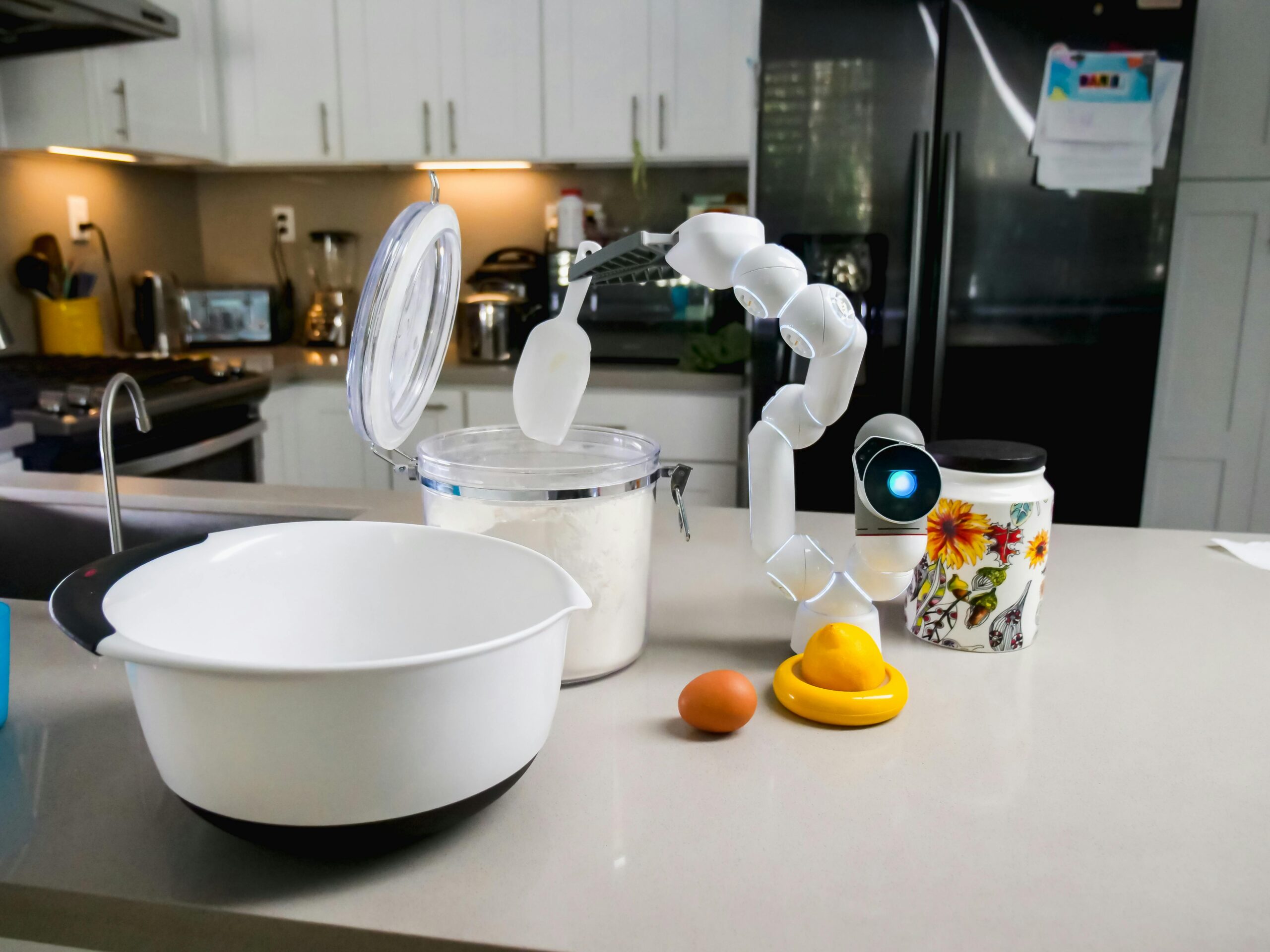
Transforming Theory into Lived Experience ✨
The ultimate measure of AI spatial optimization isn’t technological sophistication but tangible life quality improvement. Success manifests in better sleep, enhanced focus, reduced stress, and spaces that energize rather than drain you.
Begin your optimization journey with curiosity and patience. Allow time for adjustments to demonstrate their effects. Trust both algorithmic insights and personal intuition, recognizing that the ideal outcome blends data-driven optimization with deeply personal preferences.
Your space shapes your life in countless subtle ways. By harnessing AI modeling for restorative optimization, you reclaim agency over these influences, transforming passive environments into active contributors to your well-being, productivity, and happiness.
The technology exists today to revolutionize how you experience your surroundings. The only remaining question is whether you’ll take advantage of these powerful tools to unlock your space’s full potential for supporting the life you want to live.