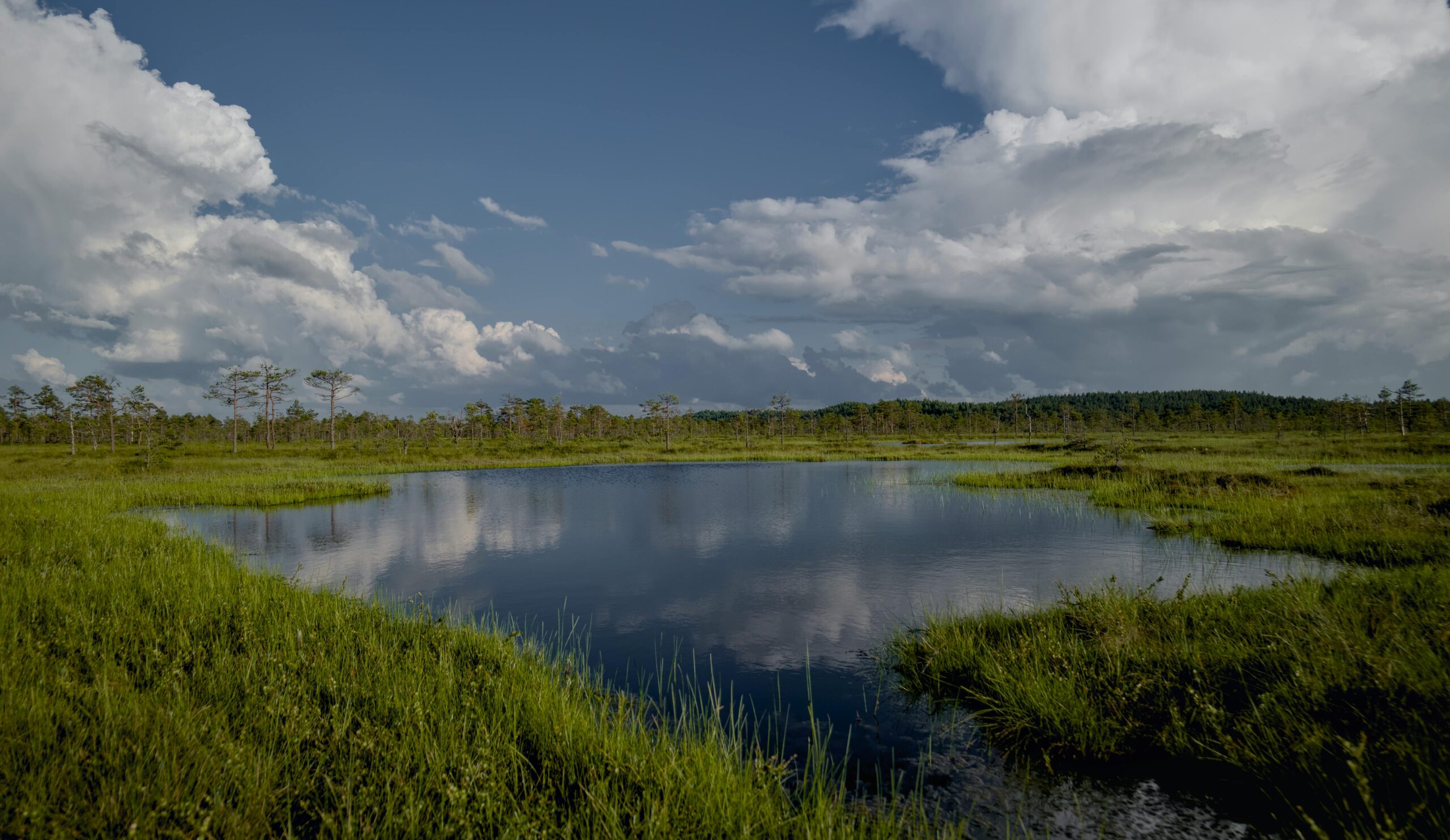
Healing gardens offer a sanctuary where nature and design unite to restore mental clarity, reduce stress, and nurture the soul through intentional, therapeutic landscapes.

🌿 Understanding the Philosophy Behind Healing Garden Design
The concept of healing gardens stretches back centuries, rooted in ancient traditions where gardens served as places of meditation, recovery, and spiritual renewal. From the cloistered gardens of medieval monasteries to the therapeutic landscapes of modern healthcare facilities, these spaces have consistently demonstrated the profound connection between nature and human wellbeing.
Healing garden design transcends mere aesthetics. It represents a thoughtful integration of horticultural knowledge, environmental psychology, and spatial planning to create environments that actively support physical and emotional restoration. These gardens function as outdoor therapy rooms, offering respite from the chaos of daily life while engaging all five senses in a symphony of natural elements.
Contemporary research in environmental psychology confirms what our ancestors intuitively understood: exposure to nature significantly reduces cortisol levels, lowers blood pressure, and enhances cognitive function. The Japanese practice of “forest bathing” or shinrin-yoku exemplifies this understanding, demonstrating measurable health benefits from simply being present in natural settings.
Essential Elements That Define a Restorative Garden Space
Creating an effective healing garden requires careful consideration of multiple design components that work synergistically to promote peace and restoration. The foundation begins with accessibility, ensuring that individuals of all abilities can navigate and enjoy the space comfortably.
Sensory Engagement Through Thoughtful Plant Selection 🌺
Plants form the living heart of any healing garden. Strategic selection focuses on varieties that engage multiple senses throughout the seasons. Fragrant herbs like lavender, rosemary, and jasmine stimulate the olfactory system, triggering memories and emotional responses that can reduce anxiety and promote relaxation.
Textural diversity adds another dimension to the sensory experience. Soft lamb’s ear leaves invite gentle touching, while ornamental grasses create soothing rustling sounds in the breeze. Visual variety through foliage colors, flower forms, and seasonal changes maintains interest and provides evolving focal points for contemplation.
Consider incorporating plants with proven therapeutic properties. Chamomile, mint, and lemon balm offer both visual beauty and practical herbal benefits. Native plants attract butterflies, bees, and birds, introducing dynamic movement and wildlife sounds that enhance the garden’s living quality.
Water Features as Focal Points for Meditation
The presence of water transforms a garden into a truly restorative environment. Whether through a simple birdbath, a flowing fountain, or a naturalistic pond, water features provide visual interest, ambient sound, and symbolic meaning that resonates deeply with the human psyche.
Flowing water creates white noise that masks urban sounds while promoting mental clarity and focus. The reflective qualities of still water surfaces invite contemplation and self-reflection. Even modest water elements, such as a wall-mounted fountain or a ceramic water bowl, can significantly enhance the healing atmosphere.
Spatial Organization for Maximum Therapeutic Impact
The layout of a healing garden should guide visitors through a purposeful journey that facilitates different types of restoration. Creating distinct zones within the garden allows for varied experiences, from active engagement to passive observation.
Creating Intimate Sanctuary Spaces 🏡
Enclosed or semi-enclosed areas provide psychological safety and privacy essential for deep relaxation. Arbors draped with climbing vines, strategically placed hedges, or curved garden walls create these protective pockets without complete isolation from the broader garden environment.
Seating placement within these sanctuary spaces requires thoughtful consideration. Benches positioned to overlook flowering beds or water features encourage prolonged engagement with nature. Multiple seating options accommodate different preferences, from sun-warmed stone benches to shaded wooden seats.
Circulation Paths That Encourage Mindful Movement
Garden pathways serve as more than functional connectors; they choreograph the visitor’s experience and pace. Gently curving paths slow movement and create anticipation about what lies around each bend. Wider sections accommodate wheelchairs and walkers, ensuring inclusive access.
Path surface materials contribute to the sensory experience. Smooth pavers provide stable footing for those with mobility challenges, while gravel paths offer satisfying crunching sounds. Consider incorporating stepping stones through groundcovers, allowing visitors to literally ground themselves by walking slowly and deliberately.
Color Psychology in Healing Garden Palettes 🎨
Color selection extends beyond personal preference to embrace psychological principles that influence mood and emotional states. Cool colors like blues, purples, and whites generally promote calmness and reduce anxiety, making them ideal for meditation areas and quiet zones.
Warmer tones such as yellows, oranges, and soft pinks energize and uplift spirits, suitable for areas designed to combat depression or seasonal affective disorder. Green, the dominant color in most gardens, provides balance and represents renewal, making it the foundation for any healing landscape.
Seasonal color progression maintains interest throughout the year while providing metaphorical connections to cycles of growth, rest, and rebirth. Spring bulbs symbolize hope and new beginnings, while autumn foliage reminds us of transformation and letting go.
Incorporating Nature-Based Activities for Active Healing
Passive observation offers tremendous benefits, but active engagement with nature amplifies therapeutic effects. Horticultural therapy—the practice of gardening as treatment—demonstrates measurable improvements in mental health, cognitive function, and physical rehabilitation.
Raised Beds and Container Gardens for Accessibility ♿
Elevated planting areas eliminate the need for bending or kneeling, making gardening accessible to individuals with limited mobility or chronic pain. Raised beds can be designed at various heights to accommodate seated gardeners or those using wheelchairs.
Container gardens offer flexibility and control, allowing gardeners to adjust plant locations based on sunlight needs or personal preference. They also provide opportunities for small-space gardening in urban environments or therapeutic settings with limited ground area.
Edible Gardens That Nourish Body and Spirit
Growing food connects us to fundamental life processes while providing tangible rewards. Herbs, vegetables, and fruit plants engage multiple senses and offer the satisfaction of nurturing living things from seed to harvest.
The act of tending edible plants creates routine and purpose, valuable for individuals recovering from illness or managing mental health challenges. Sharing harvested produce builds community connections and reinforces the garden’s role in broader wellness practices.
Seasonal Considerations for Year-Round Restoration 🍂
A truly effective healing garden provides comfort and interest throughout all seasons. Winter gardens, often overlooked, offer unique opportunities for reflection through stark beauty, sculptural branches, and evergreen structure.
Evergreen plantings ensure the garden never appears lifeless. Conifers, broad-leaved evergreens like rhododendrons, and winter-flowering plants such as witch hazel and hellebores maintain visual interest when deciduous plants rest.
Seasonal transitions themselves provide therapeutic value, reminding us that change is natural and cyclical. The gradual awakening of spring, lush abundance of summer, dramatic transformation of autumn, and quiet dormancy of winter mirror human emotional experiences and life phases.
Wildlife Integration for Dynamic Living Spaces 🦋
Inviting wildlife into healing gardens adds unpredictability and wonder that purely designed elements cannot replicate. Birds, butterflies, bees, and beneficial insects create movement, sound, and ecological connections that deepen the nature experience.
Native plants form the foundation of wildlife-friendly gardens, providing appropriate food sources and habitat for local species. Avoiding pesticides protects beneficial insects while maintaining a healthier environment for human visitors as well.
Birdhouses, insect hotels, and brush piles support wildlife populations while offering observation opportunities. Watching birds at a feeder or butterflies visiting flowers provides meditative focus and connects observers to natural cycles beyond human control.
Lighting Design for Extended Garden Enjoyment 💡
Thoughtful illumination extends the garden’s usability into evening hours while creating entirely different atmospheric experiences. Soft, warm lighting enhances feelings of safety and comfort without overwhelming the natural ambiance.
Uplighting specimen trees or architectural features adds drama and visual interest after dark. Path lighting ensures safe navigation while solar-powered options provide sustainability and eliminate wiring concerns.
Avoiding harsh overhead lighting preserves the garden’s intimate character. Instead, layer lighting at different heights, using bollards, accent lights, and subtle spotlights to guide visitors and highlight special features without creating glare.
Maintenance Strategies That Support Sustainability 🌱
A healing garden should not create stress through demanding maintenance requirements. Selecting appropriate plants for local conditions, implementing efficient irrigation systems, and embracing naturalistic aesthetics reduces upkeep while supporting environmental health.
Native and adapted plants require less water, fertilizer, and pest management than exotic species. Mulching conserves moisture, suppresses weeds, and improves soil health over time. Composting returns organic matter to the garden, closing nutrient loops naturally.
Accepting some imperfection aligns with the garden’s healing purpose. Slightly wild edges, self-seeding plants, and naturally occurring changes reflect nature’s authentic character more than rigidly controlled landscapes.
Personalizing Your Healing Garden Space 🏵️
While design principles provide guidance, the most effective healing gardens reflect the personalities, memories, and preferences of those who use them. Personal elements transform generic green spaces into deeply meaningful sanctuaries.
Memorial plants, stones inscribed with meaningful words, or artwork created by family members add layers of significance. Collections reflecting personal interests—perhaps specific flower colors, herb varieties, or plant species from meaningful places—deepen emotional connections.
Flexibility allows the garden to evolve with changing needs and preferences. Container plants can be rearranged, seasonal annuals provide variety, and new features can be added gradually as the relationship with the space deepens.
Bringing Healing Garden Principles to Small Spaces
Limited square footage need not limit healing potential. Balcony gardens, courtyard spaces, and even window boxes can incorporate restorative design principles when thoughtfully planned.
Vertical gardening maximizes planting area in compact spaces. Wall-mounted planters, trellises supporting climbing plants, and tiered shelving create lush environments without requiring extensive ground space.
Focusing on quality over quantity proves especially important in small gardens. A few carefully selected, multi-sensory plants provide more therapeutic value than overcrowded spaces filled with random specimens.

The Transformative Power of Green Sanctuary Spaces 🌟
Healing gardens represent more than beautiful outdoor spaces—they embody humanity’s essential connection to the natural world and its capacity to restore us physically, mentally, and spiritually. Whether grand therapeutic landscapes at healthcare facilities or modest backyard retreats, these purposefully designed environments offer refuge in an increasingly demanding world.
Creating your own healing garden begins with intention and observation. Notice which natural elements bring you peace, which colors calm your mind, and which activities connect you most deeply to the living world. Start small, allowing the garden to develop organically as you learn what your spirit needs.
The journey of creating and tending a healing garden becomes therapeutic in itself. Each plant placed, each pathway swept, and each moment spent in quiet observation contributes to restoration. These gardens remind us that we are not separate from nature but part of its ongoing cycles of growth, rest, and renewal.
As you nurture your garden, it nurtures you in return, offering lessons in patience, acceptance, and the profound healing that comes from simply being present with the natural world. This reciprocal relationship between gardener and garden forms the true art of healing landscape design.