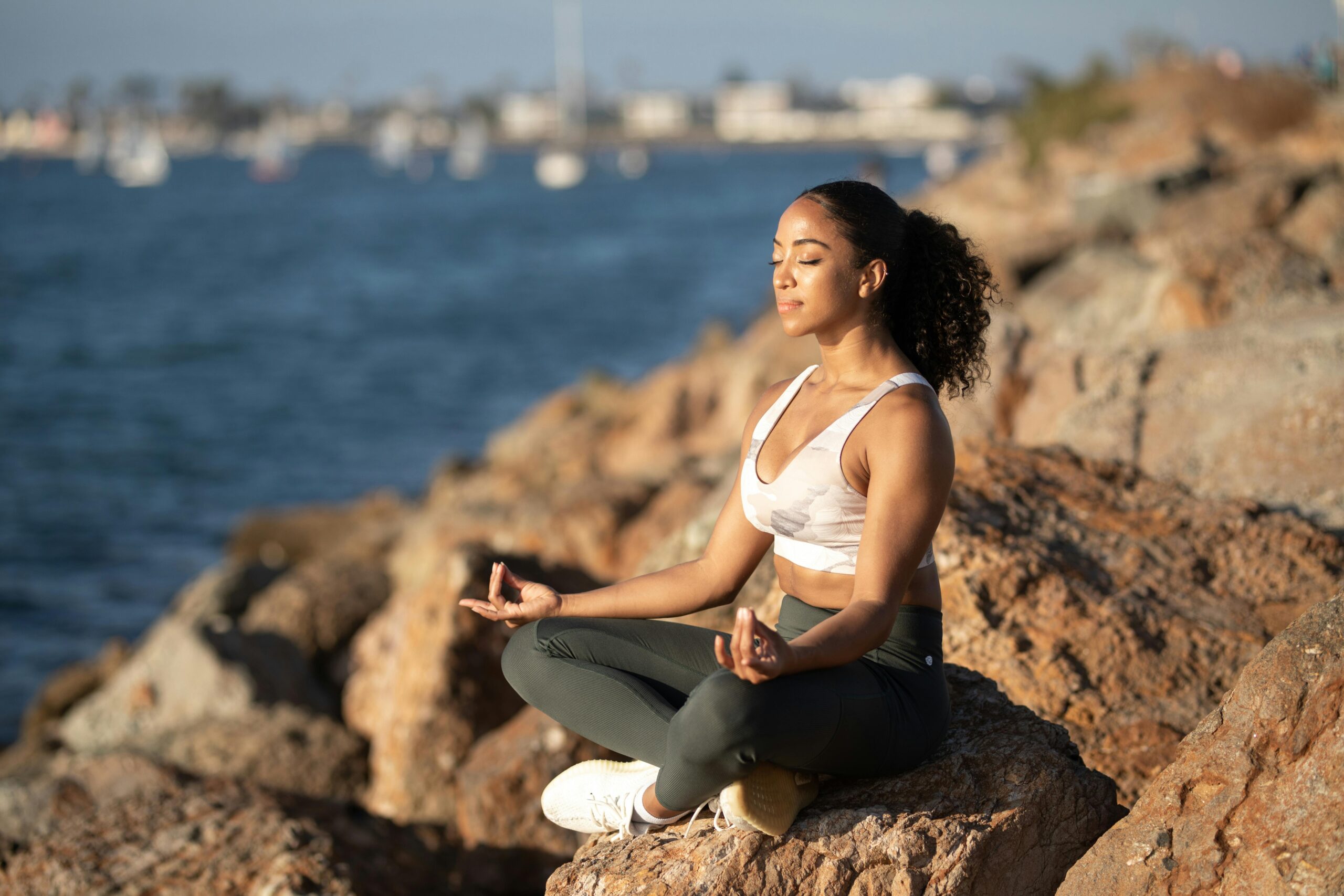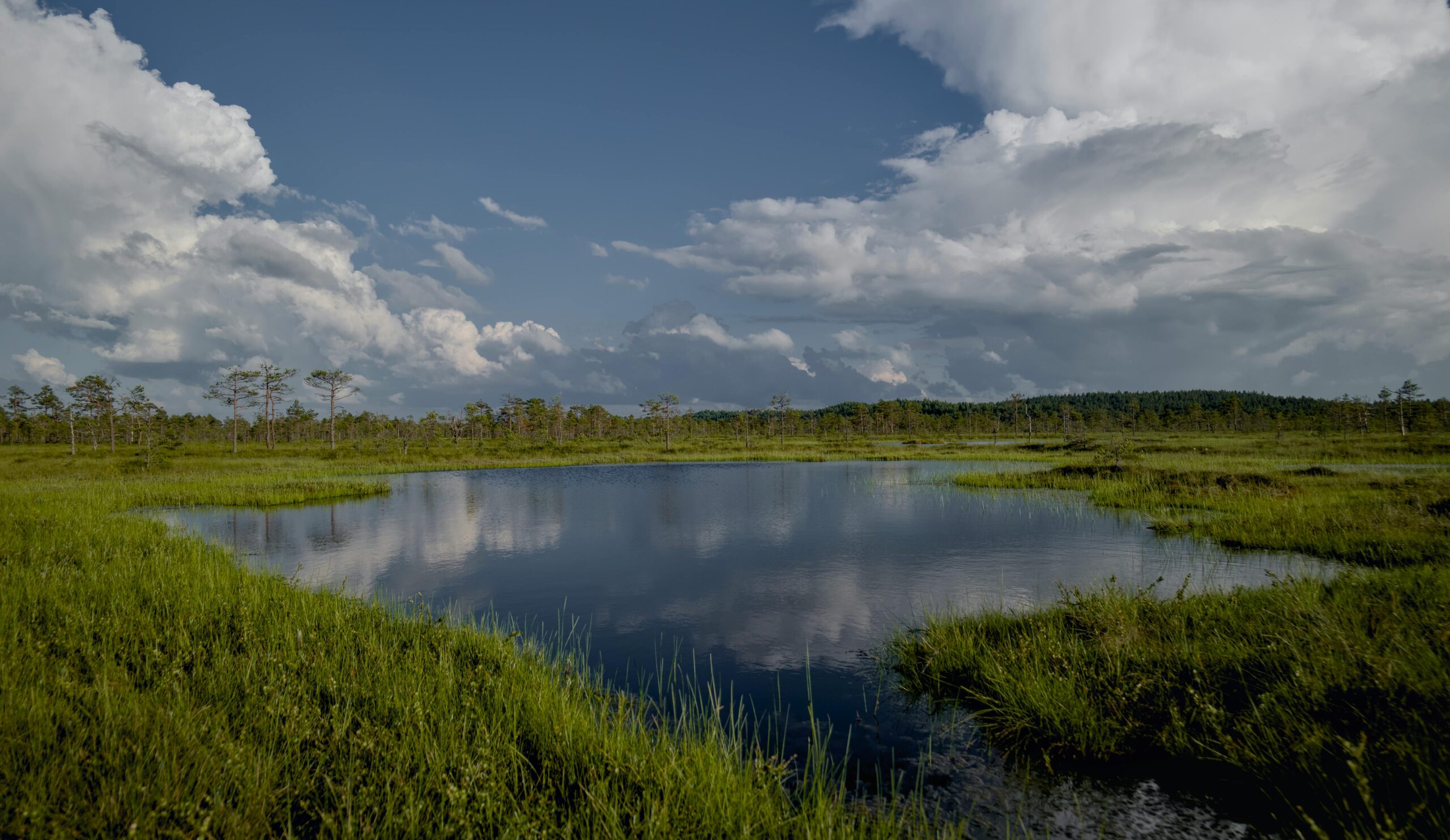
The spaces we inhabit profoundly influence our emotional state, mental clarity, and overall well-being in ways we often overlook daily.

When we think about mental health and emotional wellness, we typically consider therapy, meditation, exercise, or medication. Yet, one of the most overlooked therapeutic tools is literally right outside our door—or could be, with intentional landscape design. The environment surrounding our homes and workplaces isn’t merely decorative; it’s a powerful force that shapes our mood, reduces stress, and enhances our quality of life.
Research in environmental psychology has consistently demonstrated that our surroundings directly impact our mental state. Natural elements, thoughtful spatial arrangements, and carefully selected colors can either energize or calm us, inspire creativity or promote relaxation. Understanding this connection opens remarkable possibilities for using landscape design as a tool for emotional and mental wellness.
🌿 The Science Behind Nature’s Healing Power
The relationship between nature and mental health isn’t just anecdotal—it’s backed by decades of scientific research. Studies have shown that exposure to natural environments reduces cortisol levels, lowers blood pressure, and decreases symptoms of anxiety and depression. This phenomenon, sometimes called “biophilia,” describes humanity’s innate connection to the natural world.
Japanese researchers studying “forest bathing” (shinrin-yoku) discovered that spending time in wooded areas significantly improves psychological well-being. Participants showed reduced stress hormones, improved mood, and enhanced immune function after just 15 minutes in natural settings. These benefits weren’t exclusive to forests—any thoughtfully designed green space can provide similar advantages.
Neuroscientific studies using fMRI technology reveal that viewing natural landscapes activates brain regions associated with emotional stability, empathy, and positive outlook. Conversely, urban environments without green elements activate areas linked to anxiety and rumination. This neurological evidence reinforces what many instinctively feel: nature soothes our minds in fundamental ways.
Designing Your Outdoor Sanctuary: Key Elements for Mental Wellness
Creating a landscape that supports emotional health doesn’t require vast acreage or professional expertise. Small, strategic choices can transform even modest outdoor spaces into powerful wellness tools. The key lies in understanding which elements promote specific psychological benefits.
Water Features: The Sound of Serenity 💧
Water has captivated human attention since our earliest ancestors. The sound of flowing water masks disruptive noise pollution while creating a meditative auditory experience. Even small fountains or birdbaths introduce this calming element, reducing mental fatigue and promoting contemplative states.
Research indicates that water sounds activate the parasympathetic nervous system, triggering relaxation responses. A simple tabletop fountain on a patio or a recirculating stream in a garden can significantly reduce perceived stress levels. The visual appeal of water—its movement, reflections, and changing patterns—also provides gentle stimulation that holds attention without overwhelming the senses.
Layered Planting: Creating Visual Depth and Interest
Strategic plant placement using varied heights, textures, and colors creates visual complexity that engages the mind without causing overstimulation. This layering mimics natural ecosystems, which our brains find inherently appealing. Tall background trees, mid-height shrubs, and ground-level plants create a sense of enclosure and safety—psychologically important for relaxation.
Native plants deserve special consideration. They thrive with minimal intervention, reducing the maintenance stress that can undermine wellness benefits. Additionally, native species support local wildlife, bringing birds, butterflies, and beneficial insects that add movement and life to your space. Observing wildlife has documented therapeutic benefits, including improved attention span and reduced symptoms of ADHD in children.
Color Psychology in the Garden 🎨
Plant color isn’t merely aesthetic—it directly influences emotional states. Cool colors like blues, purples, and soft greens promote calmness and reduce anxiety. These hues are ideal for meditation spaces or areas designated for quiet reflection. Warm colors like yellows, oranges, and reds energize and stimulate, making them suitable for social gathering spaces or areas where you want to encourage activity and conversation.
White and silver plants create luminosity in shade and evening hours, extending usability of outdoor spaces while promoting tranquility. Variegated foliage adds visual interest without the intensity of bright blooms. Seasonal color changes provide natural variety, keeping the landscape engaging throughout the year and marking time’s passage in meaningful ways.
Functional Spaces That Nurture Different Mental States
Effective therapeutic landscape design creates distinct zones that support various emotional needs. Like different rooms in a house serve different functions, outdoor spaces can be designed to facilitate specific mental states and activities.
Contemplation Corners
Dedicate a quiet zone specifically for meditation, journaling, or simply being present. These spaces benefit from partial enclosure—using hedges, trellises, or strategic plantings to create a sense of refuge. A comfortable seating area, perhaps with cushions or a bench, invites extended stays. Fragrant plants like lavender, jasmine, or rosemary enhance the sensory experience and promote relaxation through aromatherapy.
The concept of “prospect and refuge,” developed by environmental psychologist Jay Appleton, explains why we find certain spaces particularly appealing. We prefer locations offering views (prospect) while also providing shelter (refuge)—an evolutionary preference for spots where we can see without being seen. Incorporate this principle by positioning seating with pleasant views while backed by protective elements.
Active Engagement Areas
Not all therapeutic outdoor experiences are passive. Gardening itself offers tremendous mental health benefits, providing physical activity, accomplishment, and connection to growth cycles. Design accessible raised beds or container gardens where you can engage in cultivation without overwhelming commitment.
Vegetable and herb gardens add purposeful productivity to your landscape. The act of nurturing plants from seed to harvest creates meaningful goals, offers regular accomplishment feedback, and provides healthy, fresh food—compounding wellness benefits. Touching soil has been linked to increased serotonin production, potentially due to beneficial bacteria naturally present in earth.
Social Connection Spaces ☀️
While solitude supports certain aspects of mental wellness, social connection is equally important for psychological health. Design areas that facilitate comfortable gatherings—perhaps a fire pit surrounded by seating, a shaded dining area, or an open lawn for activities. These spaces reduce isolation and strengthen relationships, both crucial for emotional resilience.
Small Space Solutions: Wellness Landscaping for Any Situation
Limited outdoor space doesn’t preclude therapeutic landscape design. Balconies, patios, even windowsills can become wellness-supporting environments with thoughtful planning.
Container gardening offers flexibility and accessibility. Group pots of varying heights to create layering effects. Choose plants with sensory appeal—soft textures, pleasant scents, edible herbs. Vertical gardens maximize limited square footage while providing substantial green coverage. Wall-mounted planters, trellises with climbing plants, or vertical hydroponic systems bring nature into tight spaces.
Indoor plants bridge the gap when outdoor access is severely limited. While not technically landscaping, incorporating substantial indoor greenery provides measurable mental health benefits. Large floor plants, hanging varieties, or grouped collections on shelves introduce natural elements into daily environments. Studies show that even viewing plants through windows reduces stress and improves concentration.
Seasonal Changes and Mental Adaptation 🍂
Rather than viewing seasonal changes as limitations, embrace them as opportunities for varied experiences. Different seasons support different aspects of wellness, and landscapes designed with year-round interest maintain engagement throughout annual cycles.
Spring’s emergence provides hope and renewal—powerful antidotes to depression. Design for early bloomers like crocuses, daffodils, and flowering trees that signal winter’s end. Summer’s abundance supports active outdoor living and social connection. Ensure adequate shade and cooling elements to maintain comfort during peak heat.
Autumn’s transformation demonstrates natural change and letting go—metaphorically valuable for mental health. Select plants with spectacular fall color or interesting seed heads that persist into dormancy. Winter landscapes often seem barren, but evergreens, persistent berries, interesting bark textures, and strategic lighting maintain visual interest and provide reasons to venture outside even during challenging weather.
Seasonal Affective Disorder (SAD) affects many people during shorter, darker days. Landscape design can mitigate these effects through strategic use of reflective surfaces, light-colored elements, and plantings that encourage outdoor time even in winter. Bird feeders attract wildlife activity that draws attention outward during isolating months.
Maintenance: Balancing Care and Stress
The psychological benefits of landscape design can be undermined if maintenance becomes overwhelming. The key is finding your personal balance—enough engagement to feel accomplished without creating burdensome obligations.
Begin conservatively with low-maintenance designs, then add complexity as you gauge your interest and capacity. Mulching reduces weeding while improving soil health. Automated irrigation systems eliminate watering stress during busy periods. Choosing appropriate plants for your climate and conditions—especially native species—dramatically reduces required intervention.
Reframe maintenance activities as therapeutic practices rather than chores. Gentle physical activity like pruning, weeding, or deadheading provides exercise, outdoor time, and meditative repetition. Research shows that regular gardening activities improve mood and reduce anxiety symptoms as effectively as conventional exercise programs.
Professional Guidance: When to Seek Help 🌱
While many wellness landscaping projects are entirely DIY-friendly, professional landscape designers can maximize impact, especially for larger properties or complex goals. Designers trained in therapeutic horticulture understand the specific elements that promote mental health and can create comprehensive plans balancing aesthetics, function, and wellness.
Landscape architects can address challenging site conditions—drainage issues, difficult topography, or problematic existing features—that might otherwise limit therapeutic potential. They also navigate practical considerations like local regulations, utility locations, and long-term maintenance implications that amateur planners might overlook.
For those specifically seeking mental health benefits, horticultural therapists combine landscape knowledge with therapeutic expertise. These professionals work in clinical settings but also offer consultations for residential projects, ensuring designs effectively support specific psychological goals.
Transforming Indoor-Outdoor Connections
Maximize landscape wellness benefits by strengthening connections between indoor and outdoor spaces. Large windows, glass doors, or skylights bring natural views into living areas, extending benefits beyond time actually spent outside. Position desks, seating areas, and frequently used spaces to face gardens or natural elements.
Transitional spaces like porches, sunrooms, or covered patios blur indoor-outdoor boundaries, making nature accessible regardless of weather. These areas encourage more frequent outdoor interaction, accumulating wellness benefits throughout ordinary days rather than requiring dedicated “nature time.”
Bring outdoor elements inside through cut flowers, branches, or collected natural objects. This practice, common in Japanese ikebana tradition, maintains connection with seasonal cycles and natural beauty throughout living spaces. Even photographs or artwork depicting your garden reinforce positive associations and extend psychological benefits.
Community and Shared Green Spaces 🤝
Personal landscape design provides individual benefits, but community green spaces offer additional advantages through shared experience and social connection. Community gardens combine gardening’s therapeutic benefits with relationship building and collective purpose.
Volunteer for local park maintenance, tree planting initiatives, or neighborhood beautification projects. These activities provide physical exercise, outdoor time, social interaction, and community contribution—multiple wellness factors combined. Research consistently shows that volunteering improves mental health, and nature-based volunteering compounds these benefits.
Advocate for green infrastructure in your community. Urban planning that prioritizes parks, street trees, and accessible natural spaces benefits entire populations. Individual wellness improves within communities that value and maintain green spaces, creating positive feedback loops of environmental and psychological health.
Measuring Your Personal Transformation
As you implement landscape changes, pay attention to subtle shifts in your mental and emotional state. Keep a simple journal noting mood, stress levels, and time spent outdoors. You’ll likely notice gradual improvements—better sleep, reduced anxiety, increased moments of contentment.
Take periodic photographs of your developing landscape. Visual documentation reveals progress that’s invisible day-to-day, providing satisfaction and motivation. These images also capture seasonal changes and the maturation of plantings, demonstrating nature’s patient transformation—a valuable metaphor for personal growth.
Remember that therapeutic landscapes evolve continuously. Plants grow, seasons change, and your needs shift over time. View your outdoor space as a living, developing entity rather than a finished project. This perspective reduces pressure for immediate perfection while encouraging ongoing engagement and adaptation.
Beginning Your Landscape Wellness Journey Today 🌻
Transforming your space to transform your mind doesn’t require dramatic changes or significant investment. Start with one small area—perhaps a corner of your yard, a section of patio, or even a windowsill. Select a few plants that appeal to you, add a comfortable place to sit, and commit to spending a few minutes there daily.
Notice what draws your attention. Which colors calm you? Which textures invite touch? What sounds enhance your experience? Let your responses guide development. Therapeutic landscape design isn’t about following rigid rules—it’s about creating spaces that resonate with your unique needs and preferences.
As your outdoor sanctuary develops, you’ll discover something remarkable: by intentionally shaping your environment, you simultaneously reshape your inner landscape. The care you invest in plants mirrors self-care. The patience required for growth teaches acceptance. The cycles of seasons normalize change and impermanence.
Your landscape becomes more than decoration or property value—it transforms into a genuine wellness tool, a daily practice, a living meditation. In nurturing your garden, you nurture yourself. In designing your outdoor space thoughtfully, you design a framework for emotional health and mental clarity that supports you through all of life’s seasons.
The power of landscape design for emotional and mental wellness lies not in expensive installations or exotic plants, but in the fundamental human connection to nature. By bringing that connection intentionally into your daily environment, you create ongoing opportunities for restoration, reflection, and renewal. Your transformed space becomes the foundation for a transformed mind—more peaceful, more present, and more resilient.