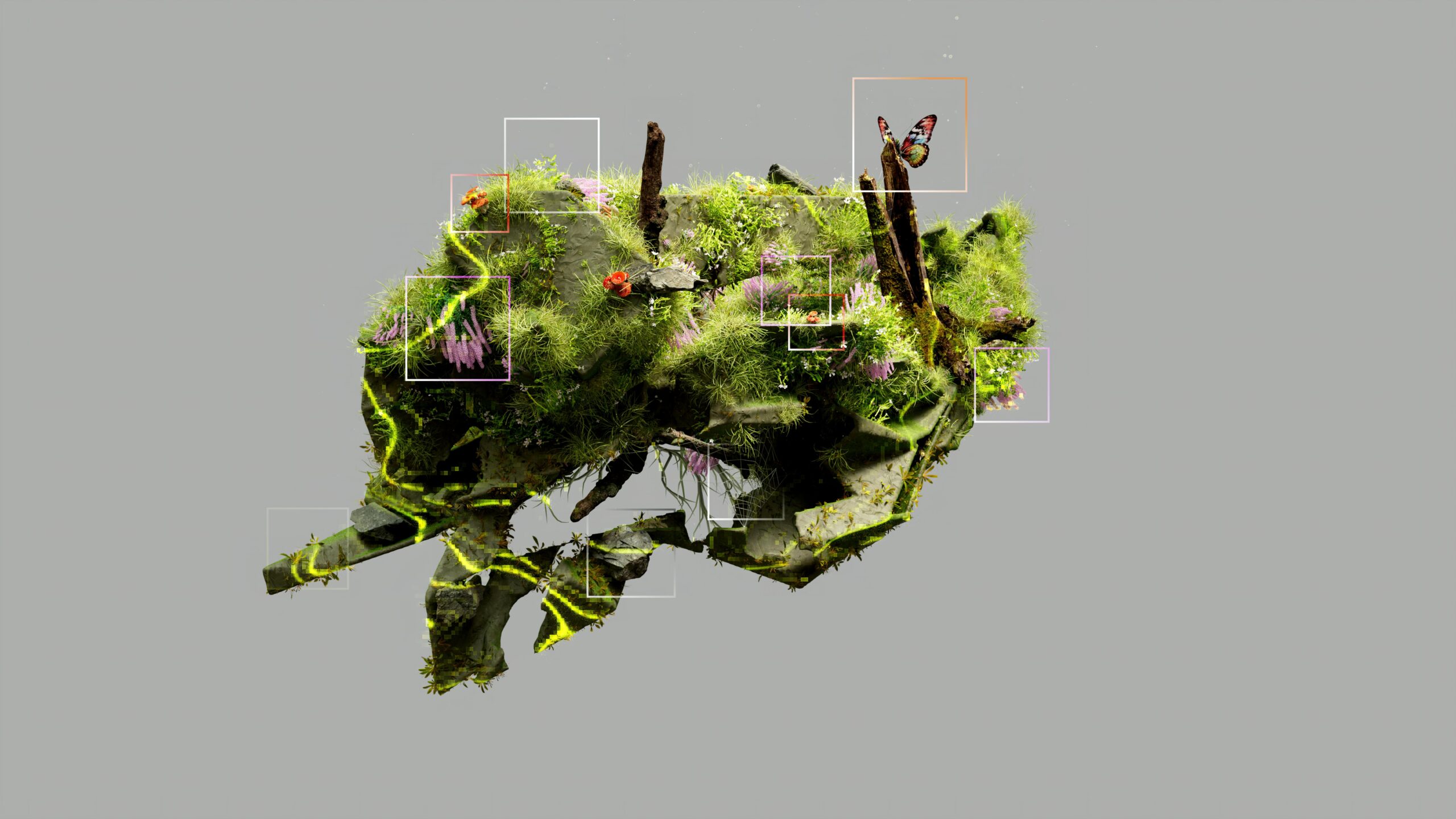
Rewilding and ecological restoration are transforming degraded landscapes worldwide, proving that nature can recover when given the chance and appropriate support. 🌱

From abandoned agricultural lands returning to wilderness to carefully managed reintroduction programs bringing extinct species back from the brink, these initiatives demonstrate humanity’s capacity to heal environmental damage. The success stories emerging from rewilding projects across continents offer valuable lessons for conservation, climate action, and biodiversity recovery. Understanding these case studies helps us appreciate the resilience of natural systems and the potential for widespread ecological renewal.
🦬 The Yellowstone Wolf Reintroduction: A Trophic Cascade Success Story
Perhaps no rewilding case study captures public imagination quite like the reintroduction of gray wolves to Yellowstone National Park in 1995. After seventy years of absence, fourteen wolves from Canada were released into the park, fundamentally transforming the ecosystem in ways scientists continue to study.
The wolves’ return created what ecologists call a trophic cascade—a domino effect through the food chain that reshaped the entire landscape. Elk populations, which had grown unchecked during the wolves’ absence, began behaving differently. Instead of leisurely grazing in valleys and near riverbanks, they moved more frequently and avoided vulnerable areas.
This behavioral shift allowed vegetation to recover in areas that had been overgrazed for decades. Willow, aspen, and cottonwood trees regenerated along streams and valleys. The returning vegetation stabilized riverbanks, reduced erosion, and created habitat for countless other species. Beaver populations increased as their preferred trees returned, and their dam-building activities created wetlands that benefited amphibians, fish, and waterfowl.
The ripple effects extended throughout the ecosystem. Bears found more berries on recovering shrubs. Birds returned to nest in regenerated forests. Even the physical geography changed as stronger vegetation prevented soil erosion and altered stream patterns. This single intervention demonstrated how keystone species can drive ecosystem recovery at landscape scale.
🌳 Knepp Estate: Britain’s Rewilding Pioneer
In West Sussex, England, the Knepp Estate represents one of Europe’s most ambitious lowland rewilding projects. In 2001, owners Isabella Tree and Charlie Burrell made the radical decision to abandon intensive farming on their 3,500-acre property and allow natural processes to take the lead.
The transformation has been remarkable. Former agricultural fields have become a mosaic of habitats including thorny scrub, wood pasture, and wetlands. The project introduced free-roaming herbivores—longhorn cattle, Exmoor ponies, Tamworth pigs, and fallow and red deer—that act as proxies for extinct megafauna, creating the disturbance patterns that drive habitat diversity.
Biodiversity results have exceeded expectations. Nightingales, which had disappeared from the area, returned in record numbers. Rare species like purple emperor butterflies and turtle doves now thrive. Peregrine falcons hunt across the estate. In 2020, white storks successfully bred at Knepp—the first time in Britain for over 600 years.
The project also demonstrates economic viability. Knepp generates income through eco-tourism, glamping, organic meat sales, and carbon sequestration. This business model challenges the assumption that land must be intensively farmed to be financially productive, offering an alternative vision for rural economies.
🐆 The Iberá Wetlands: Bringing Back South America’s Lost Predators
In Argentina’s Iberá Wetlands, Conservation Land Trust (now Rewilding Argentina) has undertaken one of the most comprehensive species reintroduction programs in the Americas. Since 2005, the project has worked to restore ecosystems across 1.8 million acres by bringing back locally extinct species.
The giant anteater, pampas deer, and bare-faced curassow have all been successfully reestablished. Perhaps most ambitiously, jaguars—extinct in the region for seventy years—are being reintroduced through a careful breeding and release program. In 2021, cubs born to released jaguars marked the first wild births in decades.
The project also reintroduced giant river otters, which had been hunted to local extinction for their valuable pelts. These charismatic predators now patrol waterways, helping control fish populations and indicating healthy aquatic ecosystems. Red-and-green macaws, once common but lost to habitat destruction and capture for the pet trade, now fly over the wetlands again.
Beyond species recovery, the project transformed the regional economy. Former cattle ranches became nature reserves. Local communities found employment in conservation, tourism, and park management. The Iberá project demonstrates that rewilding can drive economic development in rural areas while restoring ecological integrity.
🦅 Vulture Restaurants and Conservation Breeding in Europe
Europe’s vulture recovery represents a multinational conservation success involving coordinated efforts across borders. Griffon vultures, once widespread, had declined drastically due to poisoning, persecution, and food scarcity caused by livestock disposal regulations.
Conservation organizations established “vulture restaurants”—feeding stations where safe carcasses are provided. Combined with legal protection, habitat conservation, and captive breeding programs, these interventions reversed population declines. Griffon vulture populations in Spain and France have recovered substantially, and the species has recolonized former territories.
The bearded vulture, or lammergeier, has benefited from even more intensive intervention. Captive breeding programs in zoos provided birds for release in the Alps, where the species had been extinct since the early 20th century. Today, over 250 bearded vultures soar above Alpine peaks, a population derived entirely from reintroduction efforts.
These programs highlight how targeted interventions can reverse even severe population declines. They also demonstrate the importance of addressing root causes—poisoning, persecution, and food availability—rather than simply releasing animals into unchanged conditions.
🌾 Restoring American Prairie: The Great Plains Initiative
The American Prairie Reserve in Montana aims to create the largest nature reserve in the continental United States by connecting 3.5 million acres of public and private land. This ambitious project seeks to restore the prairie ecosystem that once dominated the Great Plains before agricultural conversion.
The reserve is rebuilding bison herds, which once numbered tens of millions but were reduced to fewer than 1,000 by 1900. These keystone herbivores shape prairie ecosystems through grazing patterns, wallowing behavior, and nutrient distribution. Their return is facilitating the recovery of grassland plant communities and associated wildlife.
Black-footed ferrets, North America’s most endangered mammal, have been reintroduced to parts of the reserve. These specialist predators depend on prairie dogs, and their return indicates recovering prey populations and healthy grassland ecosystems. Swift foxes, prairie dogs, and numerous grassland bird species benefit from expanding protected areas.
The project faces challenges including fragmented land ownership, economic pressures favoring agriculture, and cultural resistance to changing land use. Nevertheless, it demonstrates that landscape-scale restoration is possible even in heavily modified ecosystems, offering a vision for prairie recovery across the Great Plains.
🌊 Marine Protected Areas: Ocean Rewilding Success
While terrestrial rewilding captures headlines, marine ecosystems are also experiencing remarkable recoveries where protection allows. The Cabo Pulmo National Park in Mexico’s Sea of Cortez provides compelling evidence for ocean rewilding potential.
When established in 1995, Cabo Pulmo was a depleted reef system with collapsed fish populations. Local fishing communities agreed to create a no-take marine reserve, sacrificing short-term income for long-term ecosystem health. Within a decade, biomass increased by over 460%—one of the most dramatic marine recoveries documented.
Large predators including sharks, groupers, and jacks returned in abundance. Reef structures recovered as herbivorous fish controlled algae growth, allowing corals to thrive. The ecosystem restoration created a thriving eco-tourism industry that generates more sustainable income than extraction ever did.
Similar patterns emerge globally where marine protection is enforced. New Zealand’s marine reserves show rapid increases in fish size and abundance. Mediterranean protected areas have seen recovering monk seal and grouper populations. These successes demonstrate that ocean ecosystems retain remarkable capacity for recovery when given refuge from exploitation.
🦎 Ecosystem Engineering: The Return of Beavers to Britain
Beavers, extinct in Britain for 400 years, are making a carefully managed comeback that showcases their role as ecosystem engineers. Reintroduction projects in Scotland and England have yielded surprising benefits beyond biodiversity.
Beaver dam-building creates wetlands that increase water retention, reduce downstream flooding, and filter pollutants. During Britain’s increasingly common droughts and floods, these natural water management systems provide valuable ecosystem services. Studies show beaver-created wetlands support 50% more species than adjacent areas.
The animals’ activities benefit fish populations by creating diverse aquatic habitats with varying water speeds and depths. Amphibians thrive in beaver ponds. Birds including herons and kingfishers hunt in beaver-modified waterways. Plant diversity increases in the mosaic of wetland habitats beavers create.
Initial concerns from farmers about flooding and crop damage have been addressed through management strategies including flow devices and fencing. The experience demonstrates that rewilding can coexist with human land use when carefully planned and adaptively managed.
🌿 Measuring Success: What Makes Rewilding Work?
Analyzing successful rewilding projects reveals common factors that contribute to positive outcomes. Understanding these elements helps inform future restoration efforts and increases the likelihood of success.
- Landscape connectivity: Successful projects often involve large areas or connected habitat networks allowing species movement and genetic exchange
- Keystone species focus: Reintroducing or protecting species with disproportionate ecosystem impacts generates cascading benefits
- Community engagement: Projects involving local people in planning, implementation, and benefits achieve better long-term outcomes
- Adaptive management: Flexibility to adjust approaches based on monitoring results improves effectiveness
- Economic viability: Sustainable funding models including eco-tourism ensure long-term project continuation
- Legal protection: Formal designation as protected areas prevents reversal of restoration gains
- Patience: Ecological recovery operates on timescales of decades; successful projects maintain commitment long-term
These principles apply across different ecosystems and geographies, providing a framework for restoration planning. However, each project requires adaptation to local ecological, social, and economic contexts.
💚 Challenges and Lessons From the Field
Not every rewilding attempt succeeds immediately, and challenges provide valuable learning opportunities. Understanding what can go wrong helps improve future projects and manage expectations realistically.
Species reintroductions sometimes fail when habitat quality proves insufficient or when released animals cannot survive without continued support. The initial lynx reintroduction in Switzerland struggled until managers improved connectivity between populations and addressed human-wildlife conflict issues.
Social opposition can undermine otherwise well-designed projects. Wolf reintroduction in Europe and North America continues generating controversy despite ecological benefits, requiring ongoing dialogue with affected communities. Successful projects invest heavily in stakeholder engagement from the earliest planning stages.
Funding uncertainty threatens long-term project viability. Many rewilding initiatives depend on philanthropic support or government grants that may not continue indefinitely. Developing diverse revenue streams including eco-tourism, carbon markets, and sustainable products improves financial resilience.
Climate change adds uncertainty to restoration planning. Species may need to shift ranges as temperatures change, requiring flexible approaches that anticipate movement rather than static preservation. Assisted migration and creating climate corridors become important considerations.
🌍 The Global Movement Toward Ecological Recovery
Rewilding is expanding from isolated projects to a global movement reshaping conservation philosophy. The United Nations Decade on Ecosystem Restoration (2021-2030) provides international momentum for scaling up restoration efforts worldwide.
In Costa Rica, decades of reforestation have doubled forest cover since the 1980s, demonstrating that tropical deforestation can be reversed. China’s Loess Plateau restoration transformed one of the world’s most eroded landscapes into productive green hillsides. These large-scale efforts show that restoration can succeed even in heavily degraded systems.
Indigenous communities are increasingly recognized as essential partners in restoration. Traditional ecological knowledge provides insights into historical ecosystem states and management practices that sustained biodiversity for millennia. Projects co-managed with Indigenous peoples often achieve better outcomes for both nature and communities.
Urban rewilding is emerging as cities recognize the value of nature-based solutions. Green infrastructure including restored wetlands, urban forests, and wildlife corridors provides ecosystem services while reconnecting city dwellers with nature. Singapore’s biophilic city design and London’s National Park City initiative exemplify this trend.
🔬 Technology and Innovation in Restoration
Emerging technologies are enhancing restoration effectiveness and efficiency. DNA analysis helps managers understand genetic diversity and plan breeding programs that maintain healthy populations. Remote sensing and drones enable monitoring vast areas efficiently, tracking vegetation recovery and wildlife populations.
Artificial intelligence analyzes camera trap images, acoustic recordings, and satellite data at scales impossible for human observers alone. These tools help assess restoration progress and detect problems early. Environmental DNA sampling from water or soil reveals species presence without direct observation.
Seed banks preserve genetic diversity for future restoration efforts. Assisted evolution techniques help develop plant and coral strains resilient to changing conditions. While controversial, these interventions may prove necessary in rapidly changing environments where natural adaptation cannot keep pace.
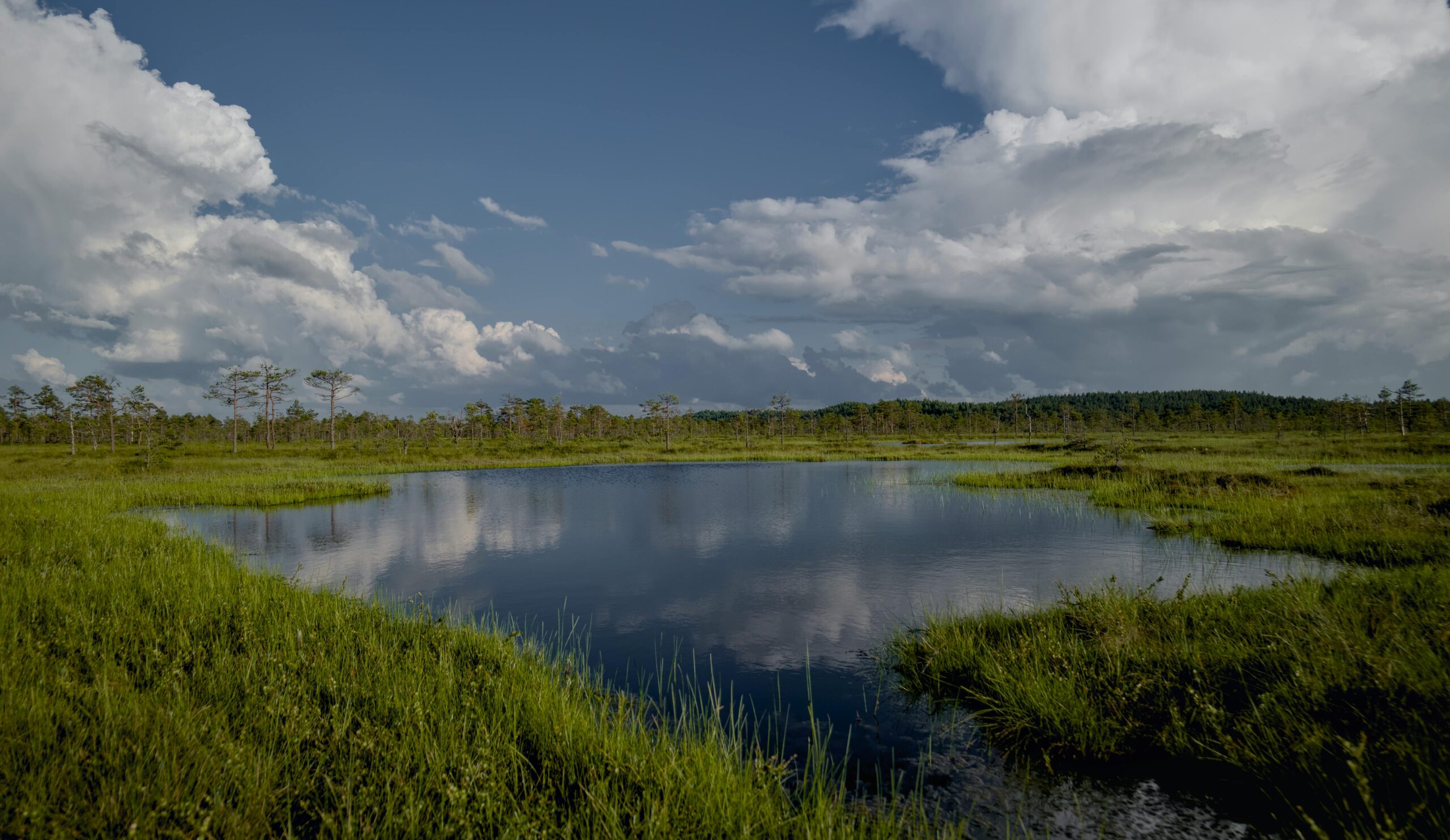
🦋 Looking Forward: Nature’s Resilience and Our Responsibility
The success stories from rewilding and restoration projects worldwide demonstrate nature’s remarkable capacity for recovery when degradation pressures are reduced. From Yellowstone’s wolves to Britain’s beavers, from Argentina’s jaguars to Europe’s vultures, ecosystems show impressive resilience.
These projects provide hope amid widespread environmental degradation and biodiversity loss. They prove that extinction is not inevitable, that degraded landscapes can recover, and that human activity can facilitate rather than only harm nature. The cascading benefits extend beyond conservation to include climate regulation, water management, and human wellbeing.
Scaling up these successes requires political will, adequate funding, community support, and long-term commitment. The ecological knowledge exists; the challenge lies in implementation at the scale necessary to address global biodiversity crisis. Every restored hectare, every reintroduced population, and every protected area contributes to a healthier planet.
As climate change and habitat loss accelerate, restoration becomes increasingly urgent. The projects explored here provide blueprints for action, demonstrating that it is possible to restore nature’s balance. The question is whether humanity will embrace this opportunity before more species and ecosystems pass irreversible tipping points. The evidence suggests that when we give nature space and time, it will recover—often in ways that exceed our expectations. 🌎