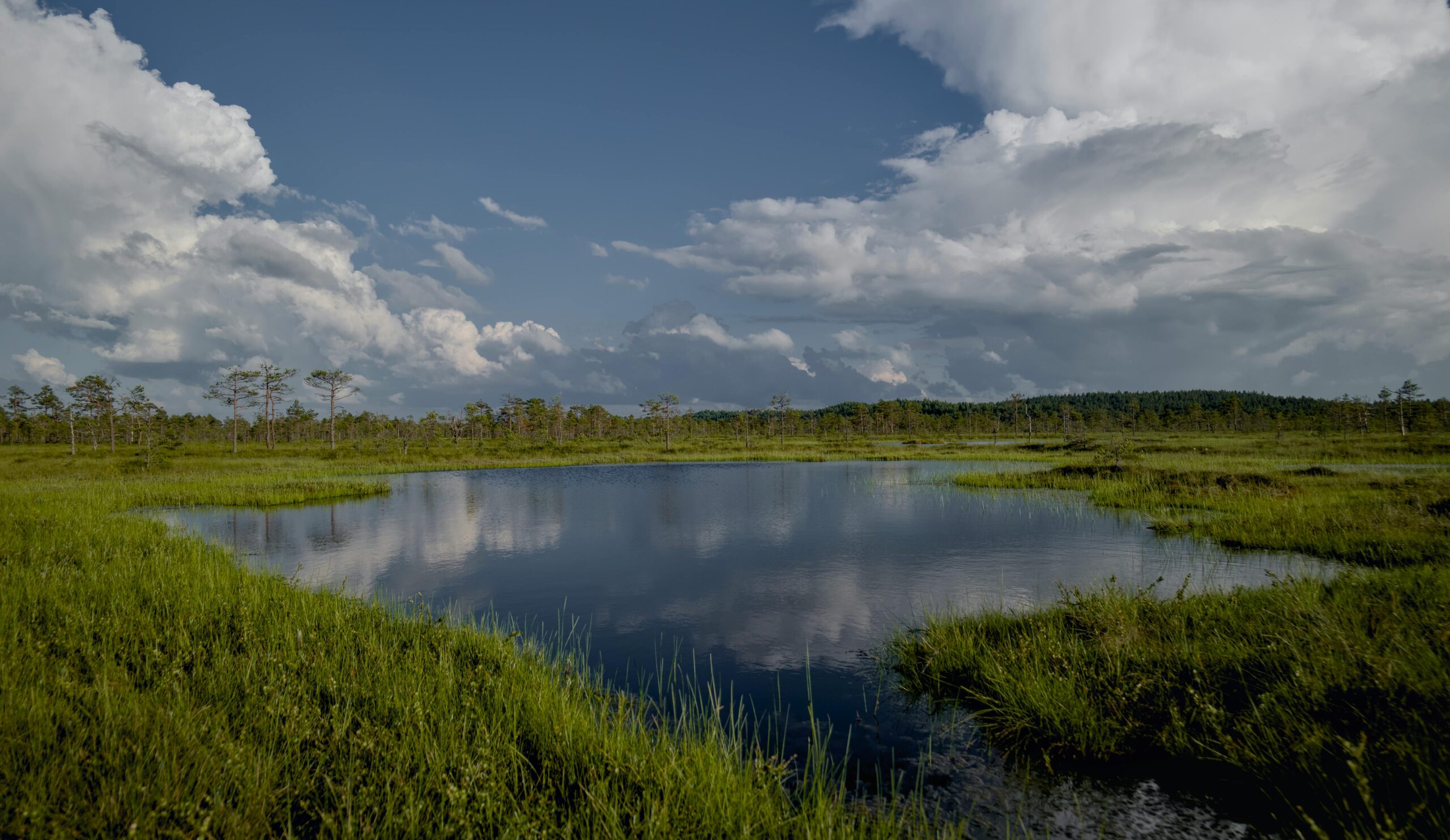
Climate grief is no longer a fringe emotion—it’s a growing reality affecting millions worldwide as environmental degradation accelerates and our planet’s future grows uncertain.

From devastating wildfires to unprecedented floods, rising temperatures to species extinction, the evidence of our changing climate surrounds us daily. For many people, these changes trigger profound emotional responses that mental health professionals now recognize as climate grief, eco-anxiety, or environmental distress. Understanding how to navigate these difficult emotions while building emotional resilience has become essential for maintaining our mental wellbeing in an era of environmental uncertainty.
This article explores the psychological dimensions of climate grief and provides practical strategies for developing the emotional resilience needed to face our environmental challenges without becoming overwhelmed by despair.
🌍 Understanding Climate Grief: More Than Just Worry
Climate grief encompasses a complex range of emotional responses to environmental loss and anticipated future losses. Unlike traditional grief, which typically follows a specific loss like the death of a loved one, climate grief often involves mourning things that are slowly disappearing or may never exist for future generations.
This type of grief manifests in various ways. Some people experience profound sadness when witnessing environmental destruction in their local communities. Others feel overwhelming anxiety about what the future holds for their children. Many carry a persistent sense of loss for ecosystems, species, and ways of life that are vanishing.
Mental health researchers have identified several distinct emotional responses within the climate grief spectrum:
- Anticipatory grief – mourning losses that haven’t yet occurred but seem inevitable
- Ecological grief – sorrow specifically related to environmental and ecosystem losses
- Solastalgia – distress caused by environmental change in one’s home environment
- Climate anxiety – chronic fear about climate change and its consequences
- Environmental guilt – shame about one’s own contribution to environmental problems
Recognizing that these feelings are legitimate psychological responses—not signs of weakness or mental instability—represents the first step toward healing and building resilience.
The Psychological Impact of Environmental Loss 💔
The mental health implications of climate change extend far beyond abstract worry. Studies show that climate-related events directly impact psychological wellbeing, with increased rates of depression, anxiety, post-traumatic stress disorder, and even suicide following extreme weather events.
But even for those not directly affected by climate disasters, the constant stream of environmental bad news creates what psychologists call “apocalypse fatigue”—a state of emotional exhaustion from continuous exposure to existential threats. This chronic stress can lead to feelings of helplessness, hopelessness, and disconnection from others.
Young people appear particularly vulnerable to climate distress. Research indicates that significant percentages of young adults experience climate anxiety that affects their daily functioning and life decisions, including whether to have children.
The isolation that often accompanies climate grief compounds these challenges. Many people hesitate to discuss their environmental fears with friends or family, worried about being dismissed as overly dramatic or pessimistic. This silence prevents the social connection and validation that typically help people process grief.
🌱 Emotional Resilience: Your Foundation for Climate Action
Emotional resilience doesn’t mean suppressing difficult feelings or maintaining constant optimism in the face of genuine threats. Instead, it involves developing the psychological flexibility to experience difficult emotions without being overwhelmed by them, and the capacity to continue engaging meaningfully with life despite uncertainty.
For climate grief specifically, emotional resilience means finding ways to acknowledge the severity of our environmental crisis while maintaining hope, purpose, and the emotional energy needed for constructive action.
Building this resilience requires intentional practice across several key areas:
Acknowledge and Validate Your Emotions
Pushing away climate-related feelings often intensifies them. Instead, practice recognizing and naming your emotions without judgment. When you feel climate grief arising, try saying to yourself: “I’m feeling sadness about environmental loss right now, and that’s a reasonable response to what’s happening.”
Journaling can provide a valuable outlet for processing these emotions. Writing about your climate fears and sorrows helps externalize them, making them more manageable and less overwhelming.
Cultivate Realistic Hope
Resilience requires balancing honest acknowledgment of challenges with realistic optimism about possibilities for positive change. This isn’t about toxic positivity or denying problems—it’s about consciously seeking evidence of progress alongside awareness of setbacks.
Follow environmental success stories as well as crisis reports. Track technological innovations in renewable energy, policy victories for conservation, and examples of ecosystem recovery. These reminders that positive change is possible provide emotional fuel for continued engagement.
🧘 Practical Strategies for Managing Climate Anxiety
Beyond conceptual understanding, managing climate grief requires concrete practices that regulate your nervous system and provide emotional stability during difficult moments.
Establish Information Boundaries
Constant exposure to climate news creates persistent anxiety without necessarily increasing your ability to respond effectively. Set boundaries around your media consumption:
- Designate specific times for checking environmental news rather than scrolling continuously
- Curate your social media feeds to balance climate information with other content
- Allow yourself complete breaks from climate content when needed
- Choose one or two trusted, solutions-focused environmental news sources rather than consuming all available content
This isn’t about ignorance—it’s about sustainable engagement. You can’t maintain long-term climate action from a place of chronic overwhelm.
Ground Yourself in the Present Moment
Climate grief often involves anxious thoughts about future scenarios. Mindfulness practices help anchor you in the present, reducing anxiety and increasing your capacity to respond thoughtfully rather than react emotionally.
Simple grounding techniques include focused breathing exercises, body scans, and sensory awareness practices. When climate anxiety rises, try the 5-4-3-2-1 technique: identify five things you can see, four you can hear, three you can touch, two you can smell, and one you can taste.
Regular meditation practice, even just 10 minutes daily, significantly improves emotional regulation and resilience over time. Apps designed for mindfulness can provide guided support for developing this practice.
Connect with Nature Directly 🌳
Paradoxically, spending time in nature—the very thing you’re grieving—often provides comfort and perspective. Direct contact with natural environments reduces stress, improves mood, and strengthens your sense of connection to what you’re working to protect.
Make time for regular nature exposure, whether that means walking in a local park, tending a garden, watching birds, or simply sitting under a tree. These experiences remind you that nature’s beauty and resilience persist despite challenges, and that your efforts to protect these places have tangible meaning.
Finding Purpose Through Climate Action 💪
One of the most effective antidotes to climate grief is channeling your emotions into meaningful action. Purpose-driven engagement transforms helplessness into agency and connects you with others who share your values.
Effective climate action doesn’t require grand gestures. Small, consistent contributions create both practical impact and psychological benefits:
Choose Your Focus Area
The scope of environmental challenges can feel paralyzing. Rather than trying to address everything, identify specific issues that resonate most deeply with you—whether that’s ocean conservation, renewable energy advocacy, sustainable agriculture, or protecting local green spaces.
Focusing your efforts creates a sense of competence and visible progress, both of which build resilience and motivation.
Engage Collectively
Individual action matters, but collective engagement provides both greater impact and crucial social support. Join environmental organizations, participate in community initiatives, attend climate rallies, or start a neighborhood sustainability group.
These connections combat the isolation that intensifies climate grief while providing perspective, encouragement, and shared purpose. Finding your climate community often transforms anxiety into empowerment.
🤝 Building Your Climate Resilience Support System
No one navigates climate grief alone successfully. Building a robust support system provides essential emotional scaffolding during difficult periods.
Talk About Your Climate Feelings
Break the silence around climate emotions by initiating conversations with trusted friends, family members, or colleagues. You’ll often discover that others share similar feelings but have also been hesitant to speak up.
These conversations normalize climate grief and create space for mutual support. Consider establishing a regular climate feelings check-in with friends who understand these challenges.
Seek Professional Support When Needed
If climate anxiety or grief significantly impacts your daily functioning, relationships, or quality of life, consider working with a mental health professional. An increasing number of therapists specialize in climate psychology and can provide targeted support.
Therapy offers tools for processing complex emotions, challenging unhelpful thought patterns, and developing personalized coping strategies. There’s no shame in seeking professional help—it’s a sign of strength and self-awareness.
Create Climate Conversations Spaces
Organized support groups specifically for climate emotions provide powerful validation and collective wisdom. These might be formal therapy groups, peer support circles, or informal gatherings focused on processing environmental feelings.
Many communities now offer climate café gatherings—informal meetings where people discuss climate feelings in a supportive, non-judgmental environment without pressure to find solutions or take action.
🌟 Sustaining Long-Term Resilience
Building emotional resilience for climate challenges isn’t a one-time achievement but an ongoing practice that requires regular attention and renewal.
Prioritize Self-Care
Sustainable climate engagement requires protecting your own wellbeing. Prioritize adequate sleep, nutritious food, regular physical activity, and activities that bring you joy unrelated to environmental issues.
Self-care isn’t selfish—it’s essential maintenance that ensures you can continue contributing to environmental solutions over the long term. You can’t pour from an empty cup.
Celebrate Progress and Wins
Actively recognize both collective environmental victories and your personal contributions. Keep a record of positive developments, successful campaigns, and your own climate actions.
Celebrating progress counterbalances the negative bias that makes threats more psychologically salient than improvements, helping maintain motivation and hope.
Embrace Complexity and Uncertainty
Developing comfort with ambiguity reduces anxiety in the face of climate uncertainty. Practice accepting that you can’t control outcomes or predict the future precisely while still taking meaningful action based on current knowledge.
This psychological flexibility—holding concern and hope simultaneously, acknowledging problems while recognizing possibilities—represents mature resilience that sustains engagement despite challenges.
Teaching Climate Resilience to the Next Generation 👨👩👧👦
If you’re a parent, teacher, or mentor, helping young people develop climate resilience constitutes one of your most important responsibilities. Children and teenagers are particularly vulnerable to climate anxiety while also being essential to long-term solutions.
Model healthy emotional responses by acknowledging climate challenges honestly while demonstrating active hope through your own engagement. Avoid both dismissing young people’s concerns and overwhelming them with worst-case scenarios.
Involve children in age-appropriate environmental actions that give them agency and competence. Whether planting trees, reducing household waste, or participating in community cleanups, these activities teach that individuals can make a difference.
Create space for children to express their climate feelings and validate their emotional responses. Help them develop the same resilience skills you’re cultivating—emotional awareness, problem-solving, connection with nature, and collective action.
🌈 Transforming Grief into Generative Action
The goal isn’t to eliminate climate grief—these feelings reflect legitimate losses and appropriate concern. Instead, the aim is transforming potentially paralyzing emotions into what psychologists call “generative” responses—feelings that motivate constructive engagement rather than withdrawal.
This transformation happens when you channel grief into purpose, anxiety into preparation, and guilt into accountability. Your emotional responses to climate change can become the fuel for sustained commitment to environmental protection rather than sources of debilitating despair.
Many climate activists report that their grief, once acknowledged and channeled appropriately, deepened their commitment and sharpened their focus. The pain they feel about environmental loss reminds them why their work matters and sustains them through setbacks.
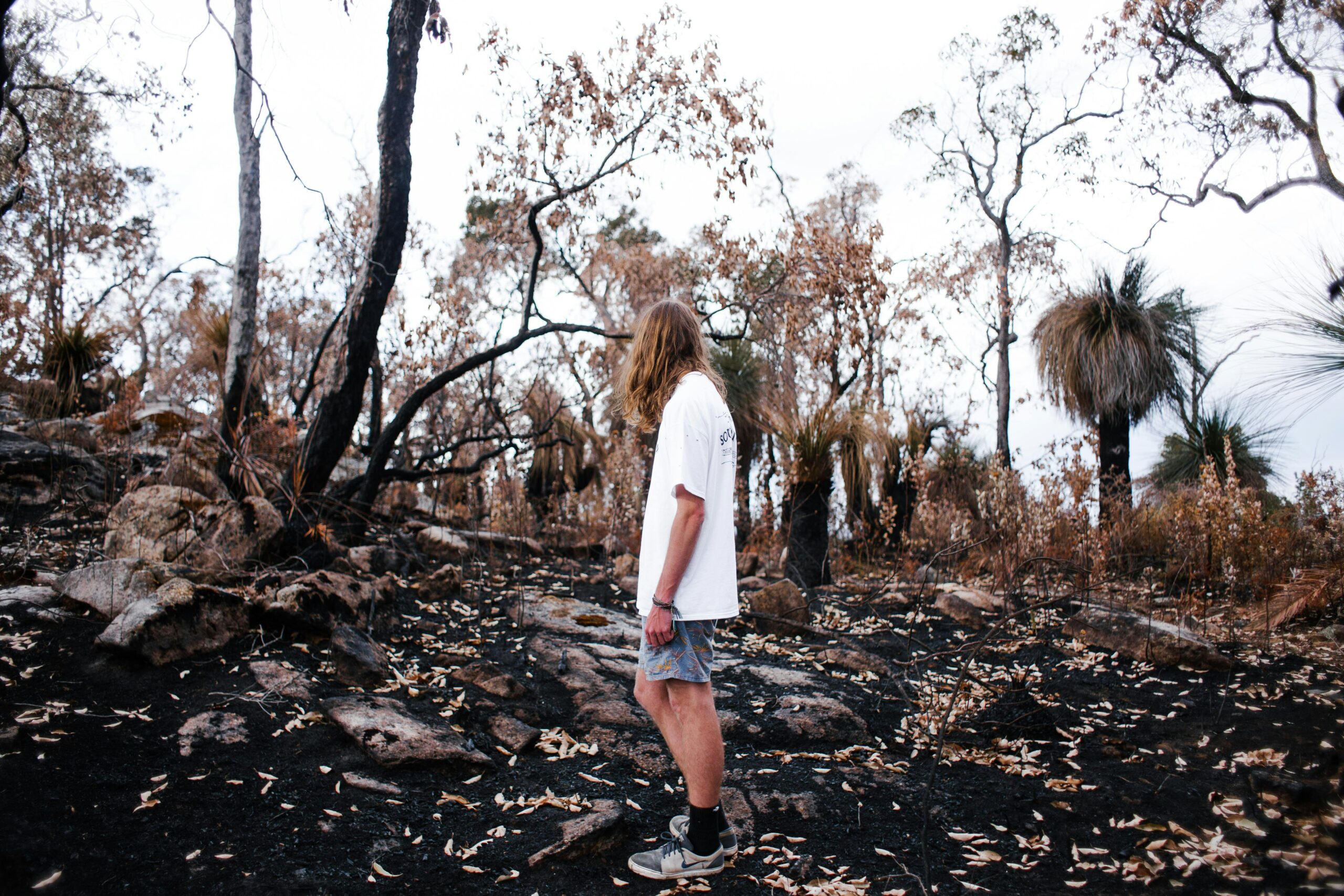
Moving Forward with Eyes Wide Open 👁️
Rising above climate grief doesn’t mean rising away from it—it means rising through it, carrying awareness of environmental challenges while refusing to let that awareness crush your spirit or paralyze your agency.
Emotional resilience in the climate context means developing the psychological strength to face difficult truths without turning away, to feel appropriate grief without drowning in it, and to maintain hope and engagement even when outcomes remain uncertain.
This balanced approach—clear-eyed about challenges, committed to solutions, compassionate toward yourself and others, connected to both nature and community—provides the foundation for sustainable climate engagement over the years and decades ahead.
The climate crisis will define much of our lives and our children’s lives. Building emotional resilience isn’t preparation for a distant threat—it’s essential work for navigating our present reality. By developing these capacities now, you equip yourself not just to survive the emotional challenges of our environmental moment but to contribute meaningfully to creating a more sustainable and just future.
Your climate grief reflects love for this planet and its inhabitants. Channeled wisely, that love becomes the most powerful force for positive change available to us. By building emotional resilience, you protect that love and ensure it can guide you through whatever challenges lie ahead. 🌍💚