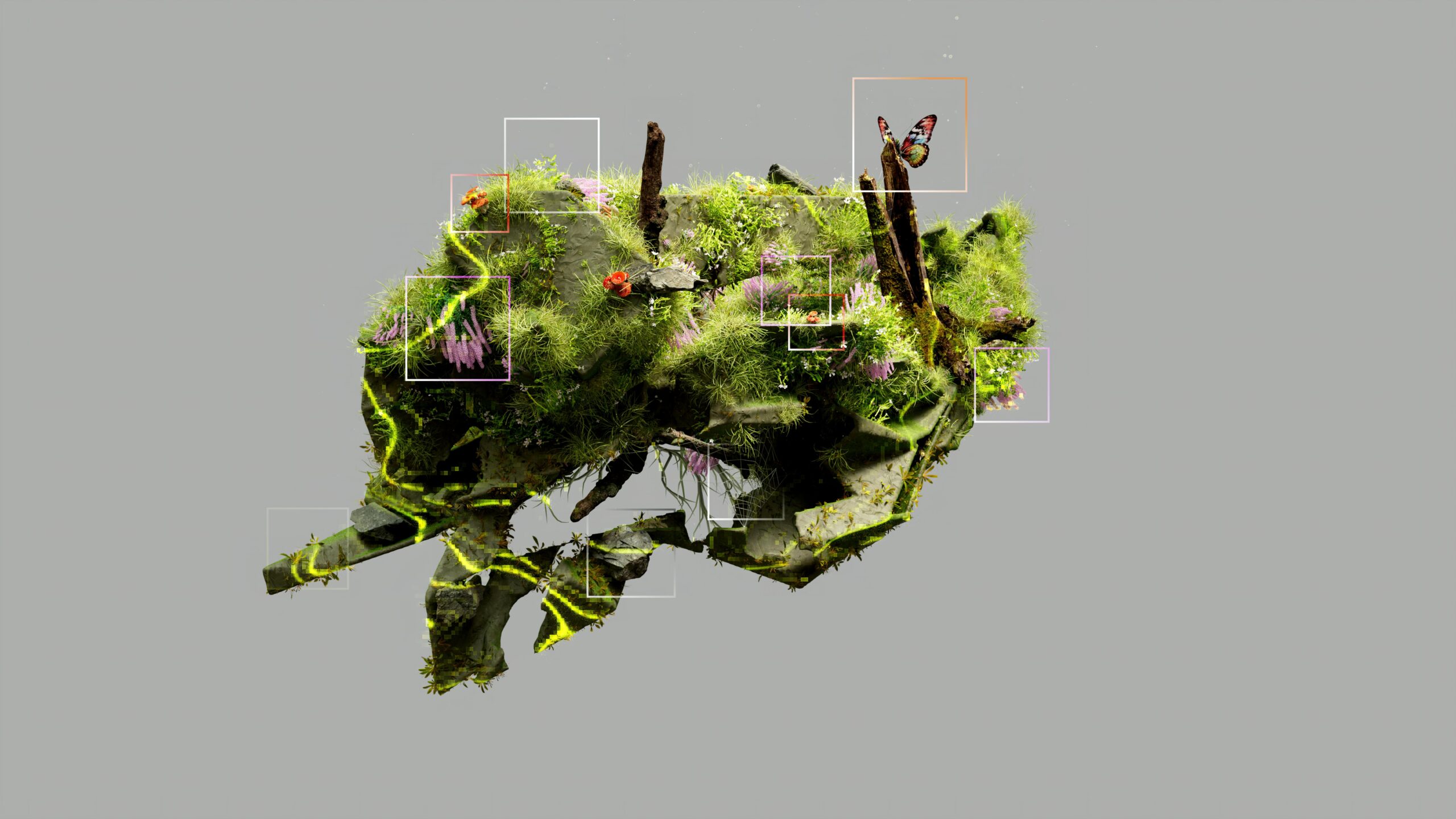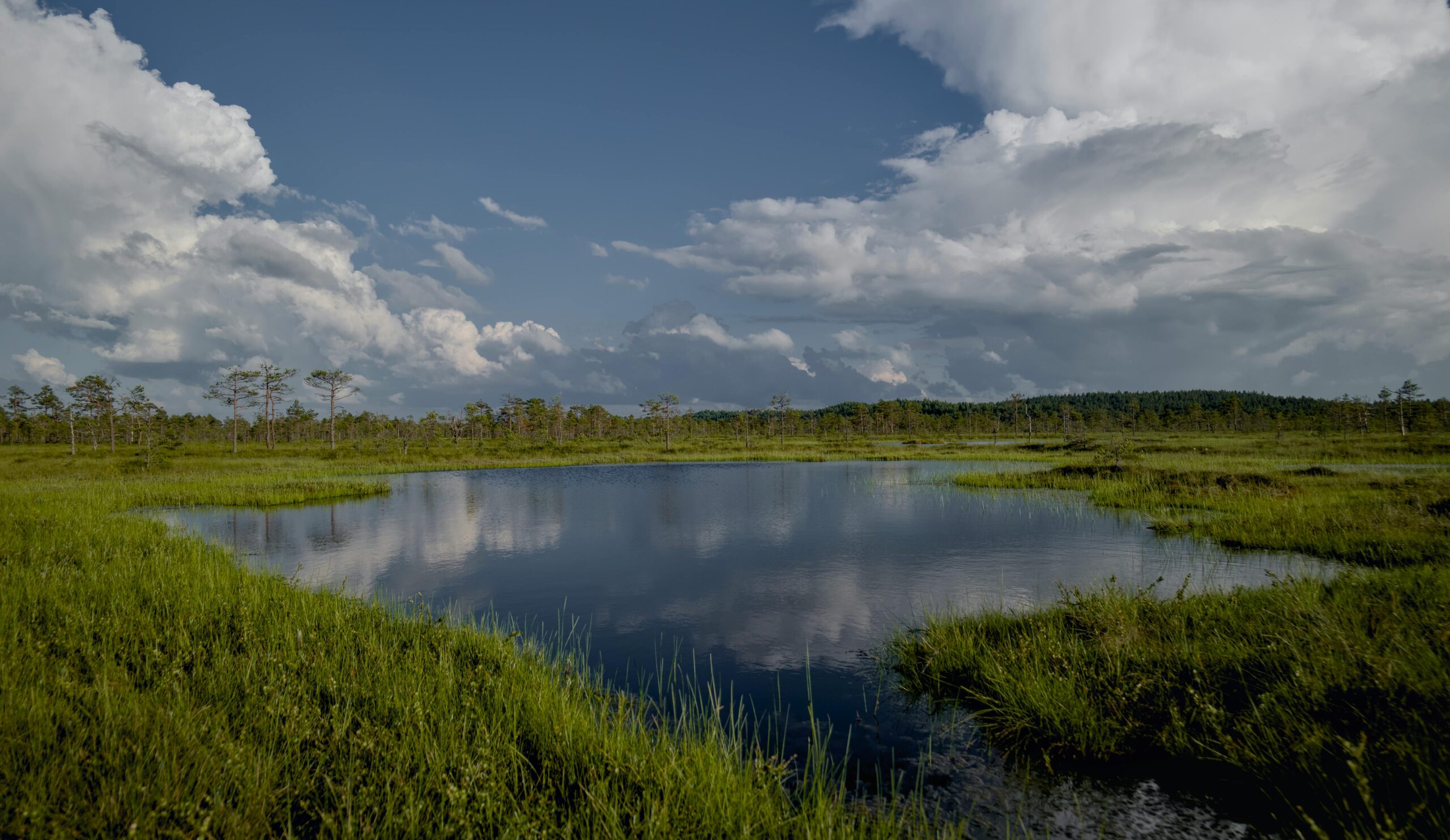
Environmental mindfulness represents a transformative approach to understanding our relationship with the planet, merging ancient wisdom with contemporary ecological challenges to create meaningful change.

🌱 Understanding the Roots of Environmental Consciousness
The journey toward environmental mindfulness begins with recognizing our intrinsic connection to the natural world. This relationship extends far beyond simple observation or appreciation—it involves cultivating a deep awareness of how our daily choices ripple through ecosystems, communities, and future generations. Environmental mindfulness asks us to pause, reflect, and consciously engage with our surroundings in ways that honor both planetary health and personal well-being.
Throughout history, indigenous cultures worldwide have practiced forms of environmental mindfulness long before the term gained academic recognition. These communities understood that human survival depended on maintaining harmonious relationships with natural systems. Their practices included seasonal observations, resource management based on regeneration cycles, and spiritual traditions that honored the interconnectedness of all living beings.
Modern environmental mindfulness builds upon these foundations while incorporating contemporary scientific understanding. We now recognize that climate change, biodiversity loss, and resource depletion represent not merely technical problems but symptoms of a disconnected consciousness. Addressing these challenges requires more than technological innovation—it demands a fundamental shift in how we perceive our place within Earth’s living systems.
The Psychology Behind Sustainable Thinking 🧠
Environmental mindfulness operates at the intersection of psychology, ecology, and behavioral science. Research demonstrates that individuals who practice mindfulness techniques show increased pro-environmental behaviors and stronger emotional connections to nature. This correlation suggests that cultivating present-moment awareness naturally extends to caring about environmental outcomes.
Cognitive scientists have identified several psychological barriers that prevent sustainable action, including psychological distance, where environmental threats feel remote in time or space. Environmental mindfulness helps bridge this gap by grounding abstract concepts in immediate, sensory experiences. When we mindfully observe a local park, for instance, we develop emotional investment that transcends statistical data about global deforestation.
The concept of ecological identity also plays a crucial role. This refers to how we incorporate natural environments into our sense of self. People with strong ecological identities tend to experience environmental degradation as personal loss, motivating protective behaviors. Developing this identity requires regular, mindful engagement with natural spaces, creating memories and associations that deepen over time.
Breaking Through Eco-Anxiety and Overwhelm
Many individuals experience eco-anxiety—distress related to environmental crises. While this concern reflects legitimate threats, unchecked anxiety can lead to paralysis rather than action. Environmental mindfulness offers tools for processing these emotions constructively. By acknowledging feelings without judgment and focusing on actionable steps within our control, we transform anxiety into motivated engagement.
Mindfulness practices teach us to distinguish between productive concern and counterproductive worry. This distinction proves essential for sustained environmental activism. Those who balance awareness of environmental challenges with self-compassion and realistic goal-setting demonstrate greater resilience and longer-term commitment to sustainability efforts.
🌍 Practical Foundations for Daily Environmental Awareness
Integrating environmental mindfulness into everyday life requires practical strategies that fit within existing routines. The goal isn’t perfection but consistent, conscious decision-making that gradually reshapes our relationship with consumption, waste, and natural resources.
Mindful Consumption Practices
Before making purchases, pause to consider the full lifecycle of products. This includes raw material extraction, manufacturing processes, transportation, usage, and eventual disposal. Asking simple questions transforms shopping from automatic behavior into conscious choice:
- Do I genuinely need this item, or am I responding to artificial wants?
- What materials comprise this product, and where did they originate?
- Can I borrow, rent, or purchase this item secondhand instead?
- How long will this product last, and can it be repaired?
- What happens to this item at the end of its useful life?
These reflections slow down consumption patterns, creating space for values-aligned decisions. Over time, this practice becomes intuitive, requiring less conscious effort while yielding significant environmental benefits.
Creating Rituals Around Resource Use
Water, energy, and food represent daily touchpoints for environmental mindfulness. Establishing small rituals around their use cultivates gratitude and reduces waste. Consider turning off water while brushing teeth not as deprivation but as acknowledgment of water’s precious nature. View energy conservation as respect for the ecosystems disrupted by power generation rather than mere cost savings.
Food offers particularly rich opportunities for mindfulness practice. Understanding where meals originate, how they traveled to your plate, and what resources went into their production transforms eating into an act of environmental awareness. Reducing food waste becomes easier when we truly appreciate the energy, water, and labor embedded in each ingredient.
Connecting With Nature as Fundamental Practice 🌲
Regular, meaningful contact with natural environments forms the cornerstone of environmental mindfulness. This connection needn’t require wilderness expeditions—urban parks, community gardens, and even potted plants provide opportunities for engagement. The key lies in quality of attention rather than exotic locations.
Forest bathing, or shinrin-yoku, exemplifies structured nature connection. This Japanese practice involves slow, deliberate walking through forests while engaging all senses. Research shows that forest bathing reduces stress hormones, lowers blood pressure, and increases feelings of vitality. Beyond personal benefits, regular practitioners develop stronger conservation ethics and environmental advocacy behaviors.
Observation as Gateway to Understanding
Systematic nature observation deepens ecological literacy. Tracking seasonal changes, identifying local species, and noticing ecosystem interactions builds knowledge that informs environmental decision-making. This practice can be enhanced through nature journaling, photography, or citizen science projects that contribute data to research initiatives.
Many people find that establishing a “sit spot”—a regular outdoor location visited repeatedly—accelerates ecological understanding. Returning to the same place across seasons reveals patterns invisible to casual observers. You might notice which birds arrive first in spring, how water levels fluctuate, or which plants provide resources at different times.
🔄 Building Sustainable Community Connections
Environmental mindfulness extends beyond individual practice to include community engagement. Sustainable futures require collective action, and mindful communities amplify individual efforts while providing support networks that sustain long-term commitment.
Community-supported agriculture programs, repair cafes, tool libraries, and neighborhood composting initiatives exemplify structures that facilitate environmental mindfulness at scale. These programs create infrastructure for sustainable living while building social connections that make such practices enjoyable rather than burdensome.
Sharing Knowledge and Mentorship
Experienced practitioners of environmental mindfulness have responsibility to share insights with others. This teaching needn’t be formal—modeling sustainable behaviors, answering questions with patience, and creating welcoming spaces for environmental exploration all constitute valuable mentorship.
Intergenerational learning proves particularly powerful. Elders often possess traditional ecological knowledge and practical skills that younger generations need, while youth bring fresh perspectives and technological literacy that can enhance sustainability efforts. Creating opportunities for cross-generational environmental projects strengthens both community bonds and environmental outcomes.
Technology’s Role in Environmental Awareness 📱
While environmental mindfulness emphasizes direct experience, technology offers tools that can enhance awareness and facilitate sustainable choices. Applications that track carbon footprints, identify plants and animals, connect users with local environmental groups, or coordinate resource sharing demonstrate how digital tools can support ecological goals.
The key lies in using technology mindfully—as enhancement rather than replacement for direct experience. Apps that gamify sustainable behaviors or provide real-time feedback on environmental impact can motivate behavioral change, particularly when integrated with reflective practices that deepen understanding.
🌟 Cultivating Long-Term Environmental Commitment
Sustaining environmental mindfulness over years and decades requires strategies that prevent burnout and maintain motivation through inevitable setbacks. Movement building research shows that lasting commitment stems from multiple reinforcing factors rather than single motivations.
Celebrating Progress Without Complacency
Acknowledging improvements in personal practice and broader environmental indicators provides necessary encouragement. However, celebration must be balanced with honest assessment of remaining challenges. This dual awareness—appreciating progress while maintaining commitment to further action—characterizes mature environmental mindfulness.
Tracking personal metrics can illustrate impact over time. Documenting waste reduction, miles traveled by various transportation modes, or local biodiversity observations creates tangible records of change. These data points serve both as motivation during difficult periods and as education tools when sharing your journey with others.
Adapting Practices Across Life Stages
Environmental mindfulness looks different at various life stages. Students face different constraints and opportunities than parents of young children or retirees. Effective practice requires flexibility, adapting core principles to changing circumstances rather than abandoning commitment when situations shift.
Life transitions often provide opportunities to reset habits. Moving to a new home, changing jobs, or experiencing major personal events create openings for establishing fresh patterns aligned with environmental values. Recognizing these windows and intentionally designing new routines around them increases likelihood of lasting change.
Integrating Mindfulness Meditation With Environmental Goals 🧘
Formal mindfulness meditation complements environmental awareness by training attention and emotional regulation. Regular meditators develop capacity to observe thoughts and impulses without automatically acting on them—a skill directly applicable to resisting consumerist pressures and maintaining sustainable choices despite social norms pulling toward excess.
Specific meditation practices can be adapted for environmental focus. Loving-kindness meditation traditionally directs compassion toward self, loved ones, neutral people, difficult people, and all beings. This final category can be expanded to explicitly include non-human species and ecosystems, cultivating felt sense of kinship with all life.
Breath-focused meditation takes on additional meaning when we reflect that the oxygen we breathe was produced by plants through photosynthesis, while the carbon dioxide we exhale feeds those same plants. This exchange represents our most fundamental, constant connection to the broader ecosystem—a connection made vivid through meditative attention to breathing.
Education and Advocacy as Mindful Practice ✊
Environmental mindfulness naturally extends into advocacy and education as practitioners recognize that individual actions alone cannot address systemic challenges. However, activism undertaken mindfully differs from approaches driven by anger or despair. Mindful advocacy maintains awareness of shared humanity even when confronting opposition, seeks understanding of different perspectives, and balances urgency with sustainability of effort.
Effective environmental education embodies the principles it teaches. Rather than merely transmitting information about environmental problems, transformative education creates experiences that foster direct connection with nature, supports development of ecological identity, and empowers learners to envision and create sustainable alternatives.

🌈 Embracing the Journey Forward
Environmental mindfulness represents an ongoing practice rather than a destination. Perfection is neither possible nor the point—what matters is consistent effort to align actions with values, willingness to learn from mistakes, and commitment to continuous improvement. Each mindful choice, however small, contributes to personal transformation and collective movement toward sustainability.
The challenges facing our planet are real and urgent, yet despair serves no constructive purpose. Environmental mindfulness offers a middle path between denial and paralysis, acknowledging difficulties while maintaining agency and hope. By grounding ourselves in present-moment awareness, cultivating deep connections with natural systems, and taking consistent action aligned with our values, we participate in creating the sustainable future our world urgently needs.
This green enlightenment—awakening to our true relationship with Earth and all its inhabitants—may be humanity’s most important evolutionary step. Through mindfulness, we rediscover what indigenous cultures never forgot: we are not separate from nature but integral threads in life’s magnificent tapestry. Living this truth through daily practice creates ripples that extend far beyond individual lives, contributing to the collective transformation necessary for genuine sustainability. The journey begins not tomorrow or when circumstances are perfect, but now, with the next conscious choice we make.