In our fast-paced digital world, reconnecting with nature through mindfulness practices offers a powerful pathway to restore balance, reduce stress, and revitalize our overall wellness.

🌿 The Intersection of Nature and Mindfulness
Nature-based mindfulness represents a holistic approach to wellness that combines the therapeutic benefits of natural environments with the mental clarity achieved through mindful awareness. This practice isn’t merely about spending time outdoors—it’s about cultivating a deep, intentional connection with the natural world that transforms both body and mind.
Research consistently demonstrates that exposure to natural environments reduces cortisol levels, lowers blood pressure, and enhances immune function. When combined with mindfulness techniques, these benefits multiply exponentially. The Japanese practice of “shinrin-yoku” or forest bathing has been scientifically validated, showing significant improvements in psychological well-being and physiological markers of health.
Understanding the Science Behind Nature’s Healing Power
The human brain evolved in natural environments, and our neurological systems remain deeply attuned to nature’s rhythms and patterns. When we immerse ourselves in natural settings, our nervous systems automatically shift from sympathetic (fight-or-flight) to parasympathetic (rest-and-digest) dominance.
Studies utilizing functional MRI technology reveal that viewing natural landscapes activates brain regions associated with emotional stability, empathy, and love, while simultaneously quieting areas linked to stress and anxiety. This neurological response occurs within minutes of nature exposure and intensifies with sustained engagement.
The phytoncides released by trees—natural oils that protect plants from harmful insects and bacteria—have been shown to increase human natural killer cell activity, boosting our immune defenses for days after forest exposure. These biochemical interactions demonstrate that our relationship with nature extends beyond psychological benefits to tangible physiological improvements.
🧘♀️ Core Practices for Nature-Based Mindfulness
Implementing nature-based mindfulness doesn’t require exotic locations or extensive time commitments. The following practices can be adapted to various environments and schedules, making wellness accessible to everyone.
Sensory Awareness Walking
This foundational practice involves moving slowly through a natural environment while systematically engaging each sense. Begin by focusing on what you see—the play of light through leaves, the textures of bark, the colors of flowers. Then shift attention to sounds: birdsong, rustling leaves, flowing water. Continue with touch, smell, and even taste when appropriate.
The key is maintaining present-moment awareness without judgment. When your mind wanders to daily concerns, gently redirect attention to sensory input. This practice strengthens neural pathways associated with attention regulation and emotional balance.
Grounding Meditation in Natural Settings
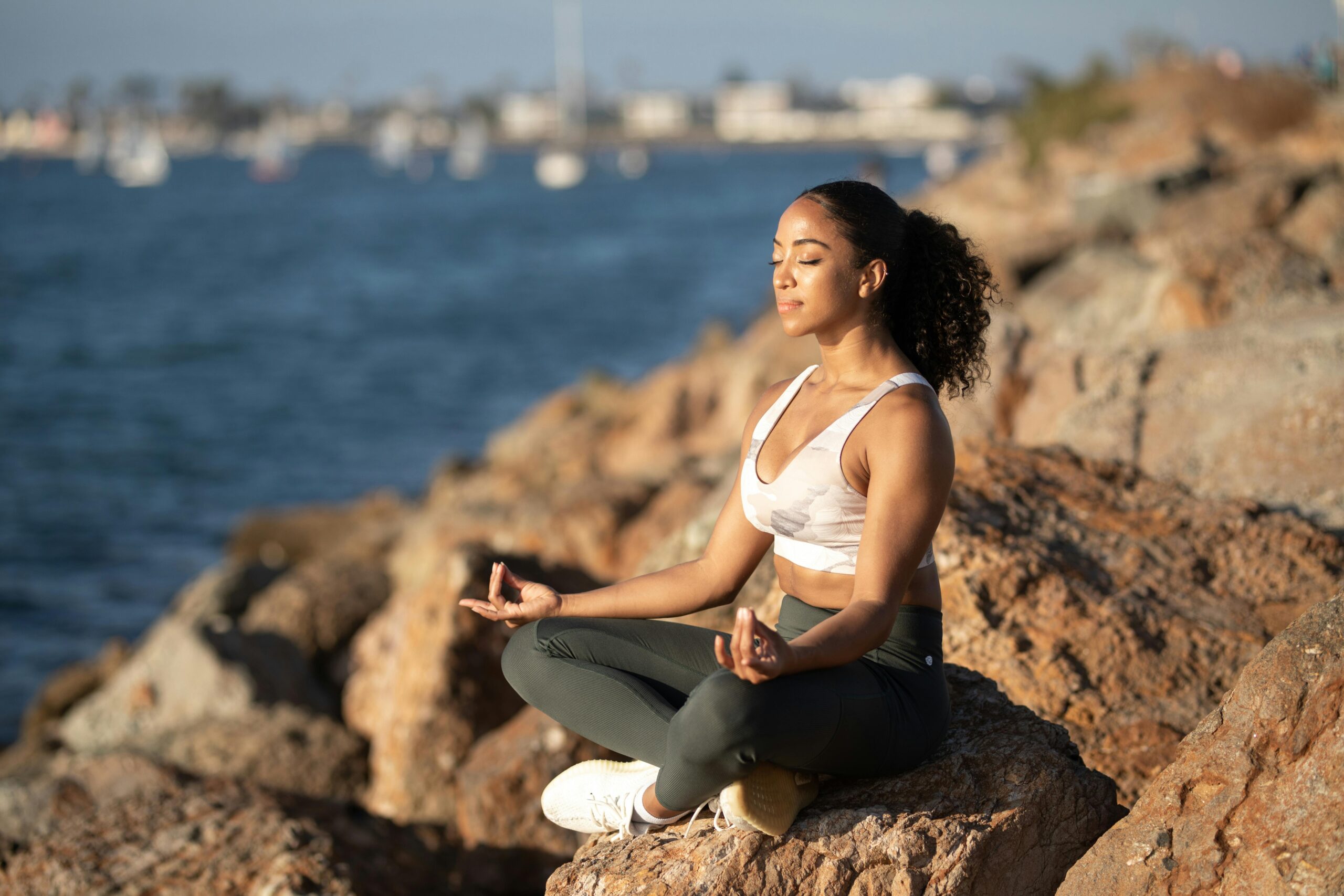
Find a comfortable spot outdoors where you can sit or stand undisturbed. Remove your shoes if possible and feel the earth beneath your feet. Close your eyes and bring awareness to your breath, then gradually expand attention to include the sensations of air on your skin, sounds around you, and the feeling of connection to the ground supporting you.
Visualize roots extending from your body into the earth, anchoring you while simultaneously drawing nourishing energy upward. This practice combats the disconnection characteristic of modern life and activates the body’s natural healing responses.
Nature Journaling with Mindful Observation
Combining artistic expression with mindfulness deepens engagement with natural environments. Select a natural object—a leaf, flower, rock, or insect—and observe it with complete attention for at least five minutes. Notice details you initially overlooked: subtle color variations, intricate patterns, unique characteristics.
Then sketch or write about your subject, allowing the creative process to deepen your connection. This practice develops sustained attention capacity and cultivates appreciation for nature’s complexity and beauty.
Creating a Personal Nature-Based Wellness Routine 🌻
Consistency transforms occasional practices into transformative lifestyle habits. Building a personalized routine ensures that nature-based mindfulness becomes an integral part of your wellness strategy rather than an occasional indulgence.
Morning Nature Rituals
Begin your day with even ten minutes outdoors. Watch the sunrise, practice yoga in your garden, or simply sit with morning coffee while observing birds and insects beginning their daily activities. Morning nature exposure helps regulate circadian rhythms, improving sleep quality and energy levels throughout the day.
This practice also establishes a mindful tone for your entire day, making it easier to maintain centered awareness during stressful situations.
Midday Nature Breaks
Combat the afternoon energy slump with a brief nature immersion. Rather than reaching for caffeine, step outside for a mindful walk around your block or sit in a park. This reset reduces decision fatigue, refreshes mental clarity, and provides necessary movement to counteract prolonged sitting.
For those working from home, consider creating a small nature space near your workspace—plants, natural light, and views of outdoor greenery provide continuous wellness benefits.
Evening Wind-Down in Nature
Transitioning from work to rest becomes more effective with nature-based mindfulness. An evening walk helps process the day’s events while signaling to your body that it’s time to shift into relaxation mode. The combination of gentle movement, fresh air, and natural beauty promotes better sleep quality and emotional regulation.
🌲 Overcoming Common Obstacles
Many people express interest in nature-based mindfulness but encounter barriers to consistent practice. Understanding and addressing these challenges increases the likelihood of long-term success.
Limited Access to Natural Spaces
Urban environments present unique challenges, but nature exists everywhere if we train ourselves to notice it. Window boxes with herbs, rooftop gardens, street trees, and even potted plants indoors provide opportunities for nature connection. Research shows that even viewing images of nature produces measurable wellness benefits, though direct interaction remains ideal.
Seek out local parks, botanical gardens, or community gardens. Many cities now offer “pocket parks” and green corridors specifically designed to bring nature into urban settings.
Time Constraints and Busy Schedules
The misconception that meaningful practice requires hours in wilderness areas prevents many from starting. In reality, brief but consistent nature exposure produces significant benefits. Five minutes of mindful observation in your backyard surpasses an hour of distracted hiking while checking your phone.
Integrate nature mindfulness into existing routines: eat lunch outside, take phone calls while walking in a park, practice breathing exercises near a window with a plant view.
Weather and Seasonal Challenges
Each season offers unique opportunities for nature-based mindfulness. Rain provides soothing sounds and fresh scents, snow creates peaceful silence and visual beauty, and even extreme heat or cold heightens sensory awareness. Appropriate clothing and adjusted expectations allow year-round practice.
During genuinely prohibitive weather, bring nature indoors through plants, natural materials like stones or shells, nature sounds, and aromatherapy using essential oils derived from plants.
Enhancing Your Practice with Digital Tools 📱
While nature-based mindfulness encourages disconnection from technology, certain applications can support your practice, especially when beginning or when seeking structured guidance.
Meditation apps with nature-specific programs can provide guided sessions for outdoor practice. Apps featuring nature sounds help create calming environments indoors when outdoor access is limited. Plant identification apps transform walks into learning experiences, deepening engagement with your environment.
However, maintain mindful boundaries with technology. Use apps as tools for learning and initial guidance, but gradually reduce dependence to experience unmediated nature connection.
🌺 Measuring Progress and Deepening Your Connection
Unlike fitness tracking with quantifiable metrics, nature-based mindfulness progress manifests subtly through improved emotional regulation, enhanced sensory awareness, and deepened appreciation for natural beauty.
Signs of Deepening Practice
You’ll notice you naturally gravitate toward outdoor spaces when stressed. Your ability to identify plants, birds, and natural patterns increases. Time in nature feels restorative rather than merely pleasant. You experience spontaneous moments of wonder and gratitude when observing natural phenomena.
These qualitative changes indicate that nature-based mindfulness is becoming integrated into your identity and lifestyle rather than remaining an external practice you occasionally perform.
Expanding Your Nature Mindfulness Repertoire
As basic practices become comfortable, explore variations: sunrise/sunset meditation, moon gazing, weather observation, seasonal awareness practices, and nature-based creative expression through photography, art, or writing.
Consider joining nature-based mindfulness groups or participating in organized activities like outdoor yoga, hiking clubs, or environmental conservation projects that combine physical activity, social connection, and nature immersion.
The Ripple Effects of Nature-Based Wellness
Individual wellness practices create broader positive impacts. As you develop deeper connection with nature, environmental awareness naturally increases. This often translates into more sustainable lifestyle choices and advocacy for natural space preservation.
Research demonstrates that people who regularly practice nature-based mindfulness report increased pro-environmental behaviors, from reducing consumption to supporting conservation initiatives. This creates a positive feedback loop: caring for nature because it cares for you.
Additionally, your personal transformation inspires others. Family members, friends, and colleagues notice your increased calm, resilience, and vitality, often asking about your practices and beginning their own nature-based wellness journeys.
🌍 Building Long-Term Sustainable Practice
The ultimate goal isn’t perfection but sustainable integration of nature-based mindfulness into your daily life. This requires realistic expectations, self-compassion, and flexibility.
Some days you’ll have extended periods for deep practice; other days, you’ll manage only brief moments of nature connection. Both contribute to overall wellness. The consistency of attempting practice matters more than the duration or intensity of any single session.
Create accountability structures that support rather than pressure you. This might include practice partners, calendar reminders, or simple tracking methods that celebrate small victories rather than highlighting missed opportunities.

Embracing the Journey Toward Natural Wellness
Nature-based mindfulness offers a return to our biological and psychological roots, providing the restoration and revitalization that modern life often depletes. By intentionally cultivating connection with natural environments through mindful awareness, we access powerful healing resources that have sustained human wellness for millennia.
The beauty of this approach lies in its simplicity and accessibility. You don’t need expensive equipment, specialized training, or exotic locations. Nature exists everywhere, waiting to support your wellness journey. Your body already knows how to respond to natural environments—you simply need to create opportunities for that innate wisdom to activate.
Start today, start small, and start where you are. Step outside, take a conscious breath, and notice one beautiful thing about the natural world around you. That single moment of connection represents the beginning of a transformative wellness practice that will continue enriching your life for years to come. 🌿