Modern workplaces are undergoing a transformation as companies discover the profound impact of bringing nature indoors through biophilic design principles.

The corporate world is experiencing a wellness revolution, and at its heart lies a surprisingly simple yet powerful concept: reconnecting employees with nature. Biophilic workspaces represent more than just aesthetic upgrades—they’re strategic investments in human performance, mental health, and organizational productivity. As research continues to validate what many intuitively understood, forward-thinking companies are reimagining their office environments to include natural elements that our biology inherently craves.
This shift toward greening the office isn’t merely following a trend; it’s responding to compelling evidence that demonstrates measurable improvements in employee well-being, creativity, and retention rates. From living walls that purify air to natural lighting that regulates circadian rhythms, biophilic design principles are reshaping how we think about where we work.
🌿 Understanding Biophilic Design in Corporate Environments
Biophilic design stems from humanity’s innate connection to nature—a relationship that evolved over millennia but has been largely severed by industrialization and urbanization. The term “biophilia,” popularized by biologist E.O. Wilson, describes our inherent tendency to seek connections with nature and other forms of life.
In workplace contexts, biophilic design translates this biological need into architectural and interior design choices that incorporate natural elements, patterns, and processes. This approach goes far beyond placing a few potted plants around the office. It’s a comprehensive design philosophy that considers light, air, water, vegetation, natural materials, views, and spatial configurations that echo natural environments.
Research from the Human Spaces report, which surveyed 7,600 office workers across 16 countries, revealed that employees in workspaces with natural elements reported 15% higher well-being scores and 6% higher productivity levels. These aren’t marginal improvements—they represent significant competitive advantages in today’s talent-driven economy.
The Science Behind Nature’s Impact on Corporate Wellness
The benefits of biophilic workspaces aren’t anecdotal—they’re grounded in neuroscience and environmental psychology. When humans interact with natural elements, several physiological and psychological responses occur simultaneously, creating a cascade of positive effects.
Exposure to nature reduces cortisol levels, the hormone associated with stress. A study published in the Journal of Physiological Anthropology found that interaction with indoor plants can reduce psychological and physiological stress. Participants who spent time caring for plants showed decreased blood pressure and increased feelings of comfort compared to those performing computer tasks.
Natural light exposure plays a crucial role in regulating circadian rhythms, which govern sleep-wake cycles, hormone production, and cognitive function. Northwestern Medicine and the University of Illinois research discovered that workers in offices with windows received 173% more white light exposure during work hours and slept an average of 46 minutes more per night than those without natural light access.
Furthermore, visual connections to nature engage what attention restoration theory calls “soft fascination”—a state where the mind can recover from directed attention fatigue. This restorative quality explains why employees report feeling mentally refreshed after brief interactions with natural elements during their workday.
🏢 Practical Applications: Bringing Nature Into Your Workspace
Implementing biophilic design doesn’t require complete office renovations or unlimited budgets. Strategic interventions at various scales can yield significant improvements in employee well-being and productivity.
Living Walls and Vertical Gardens
Vertical gardens serve multiple functions: they improve air quality, reduce noise pollution, regulate humidity, and create striking visual focal points. Companies like Amazon have installed massive living walls in their Seattle headquarters, featuring over 40,000 plants from cloud forest ecosystems. While your office may not accommodate such grandeur, even smaller vertical installations can transform sterile walls into breathing ecosystems.
These installations require maintenance planning, including irrigation systems and appropriate lighting, but many companies report that the investment pays dividends through improved employee satisfaction and reduced sick days. Some organizations have found that involving employees in plant care creates opportunities for mindful breaks and builds community.
Natural Lighting Optimization
Maximizing natural light should be a priority in biophilic workspace design. This might involve removing or replacing solid walls with glass partitions, repositioning workstations closer to windows, or installing skylights where architecturally feasible.
For spaces where natural light is limited, circadian lighting systems can simulate natural light patterns throughout the day. These systems adjust color temperature and intensity to match the sun’s progression, supporting employees’ biological rhythms even in interior spaces. Research from Rensselaer Polytechnic Institute’s Lighting Research Center found that office workers exposed to circadian-effective lighting experienced better sleep quality and mood.
Natural Materials and Textures
Incorporating natural materials like wood, stone, bamboo, cork, and wool creates tactile connections to nature. Exposed wooden beams, stone feature walls, or bamboo flooring introduce organic patterns and textures that our brains are programmed to recognize and respond positively toward.
Google’s offices globally showcase this principle through extensive use of reclaimed wood, living moss installations, and natural fiber furnishings. These materials also typically have lower volatile organic compound (VOC) emissions than synthetic alternatives, contributing to better indoor air quality.
Strategic Plant Selection for Maximum Impact 🌱
Not all plants deliver equal benefits in office environments. Strategic selection based on maintenance requirements, air-purifying capabilities, and aesthetic qualities ensures successful implementation.
NASA’s Clean Air Study identified several plants particularly effective at removing common indoor air pollutants. Snake plants (Sansevieria), pothos, peace lilies, and spider plants excel at filtering toxins while requiring minimal care—ideal for busy office environments where dedicated horticultural staff may not exist.
Consider creating diverse planting schemes that include various sizes, leaf patterns, and colors. Larger statement plants like fiddle leaf figs or rubber plants can define spaces, while smaller succulents and air plants work well on individual desks. This variety mimics natural biodiversity and provides visual interest throughout the workspace.
For offices with limited natural light, shade-tolerant species like ZZ plants, philodendrons, and Chinese evergreens thrive in lower-light conditions. Conversely, south-facing spaces can accommodate light-loving species like herbs, which offer the additional benefit of engaging employees’ senses of smell and taste.
Water Features: The Sound of Productivity
Water elements introduce multiple sensory connections to nature simultaneously—visual movement, soothing sounds, and increased humidity. The white noise generated by water features can mask distracting office sounds, creating better acoustic environments for concentration.
Research published in the Journal of Environmental Psychology found that natural sounds, including water, improved cognitive performance and enhanced mood more effectively than silence or urban soundscapes. Even small desktop fountains can create these benefits at the individual workspace level.
Larger installations—from aquariums to floor fountains—serve as gathering points and conversation starters, facilitating the informal interactions that build organizational culture. The maintenance requirements for water features vary significantly, so selecting appropriate scale and complexity for your organization’s capacity is essential.
🎨 Biophilic Patterns and Artwork
When direct nature incorporation faces limitations, biomorphic patterns and nature-inspired artwork provide alternative connections. Fractal patterns—the repeating geometric patterns found throughout nature—have been shown to reduce stress and improve cognitive function even when viewed in abstract representations.
Nature photography, particularly images featuring water, forests, or expansive landscapes, can provide restorative benefits similar to actual views. University of Melbourne research demonstrated that even 40-second micro-breaks spent viewing natural scenes improved concentration and reduced errors.
Textile choices offer additional opportunities for biophilic pattern integration. Fabrics featuring organic shapes, leaf patterns, or natural color palettes reinforce nature connections throughout the workspace. These subtle cues collectively influence how employees experience their environment.
Creating Nature Views and Visual Connections
Views to outdoor nature consistently rank among the most valued workplace amenities. When exterior views exist, maximizing their accessibility benefits everyone. This might mean rotating desk assignments to ensure equitable access or creating shared spaces near windows where employees naturally gather.
For windowless spaces or urban environments where exterior views lack natural elements, consider installing large-format nature photography or video displays showing real-time nature feeds. While not equivalent to actual windows, research suggests these technological alternatives provide meaningful benefits, particularly when displaying dynamic content rather than static images.
Japanese companies have pioneered “forest bathing” rooms—interior spaces designed to simulate forest environments through immersive projections, natural scents, and soundscapes. While requiring significant investment, such dedicated wellness spaces signal organizational commitment to employee well-being.
📊 Measuring ROI: The Business Case for Biophilic Investment
Forward-thinking organizations increasingly view biophilic design through a return-on-investment lens, recognizing that employee well-being directly impacts the bottom line.
The World Green Building Council’s report “Health, Wellbeing & Productivity in Offices” found that better indoor environmental quality, including biophilic elements, could increase productivity by 8-11%. For a company with 100 employees earning average salaries, this productivity improvement could translate to hundreds of thousands of dollars annually.
Recruitment and retention benefits add another dimension to ROI calculations. LinkedIn’s Global Talent Trends report indicates that wellness programs, including environmental quality, significantly influence candidate decisions. Companies known for exceptional workplace environments enjoy advantages in competitive talent markets.
Absenteeism reduction represents another measurable benefit. The Human Spaces study found that employees in biophilic environments took 10% fewer sick days. Healthcare costs associated with stress-related conditions also decrease when workplace environments support mental health.
🚀 Implementation Strategies for Organizations
Successfully greening corporate spaces requires thoughtful planning and phased implementation that considers organizational culture, budget constraints, and space limitations.
Start With Assessment and Engagement
Begin by surveying employees about their current workspace experience and desires for improvement. This engagement builds buy-in while providing valuable data about what matters most to your specific workforce. Some employees may prioritize quiet zones with plants, while others value collaborative spaces with natural lighting.
Conduct an environmental audit identifying opportunities for biophilic interventions. Which areas receive natural light? Where could plants thrive with minimal maintenance? What spaces feel particularly sterile or uninviting? This assessment creates a roadmap for prioritized improvements.
Pilot Programs and Iterative Improvement
Rather than attempting comprehensive transformation immediately, consider pilot programs in specific departments or floors. This approach allows learning and adjustment before broader implementation. Document baseline metrics—employee satisfaction scores, sick day rates, productivity measures—to demonstrate impact as changes occur.
Create feedback mechanisms so employees can report on their experiences with biophilic additions. Some interventions will resonate more than others, and this information guides future investments.
Maintenance Planning
Beautiful biophilic installations quickly become liabilities without proper maintenance. Dead plants and non-functioning water features send negative messages about organizational attention to detail. Establish clear responsibility for care—whether through facility management staff, contracted plant services, or employee volunteer programs.
Some companies have successfully created “green teams” of employee volunteers who care for plants, enjoying the therapeutic benefits while ensuring ongoing maintenance. Others prefer professional services that guarantee consistent care and replace failing specimens promptly.
🌍 Sustainability and Biophilic Design Synergies
Biophilic design naturally aligns with broader sustainability initiatives, creating multiple organizational benefits simultaneously. Plants improve indoor air quality while reducing reliance on mechanical systems. Natural lighting reduces electricity consumption. Natural materials often have lower environmental impacts than synthetic alternatives.
Green building certifications like LEED and WELL Building Standard increasingly incorporate biophilic design principles, recognizing their contributions to both environmental sustainability and human health. Organizations pursuing these certifications find that biophilic investments support multiple criteria.
Communicating these sustainability stories enhances corporate reputation among environmentally conscious consumers, investors, and potential employees. The visible commitment to both planetary and employee wellness demonstrates values alignment increasingly important to stakeholders.
Overcoming Common Implementation Challenges
Despite compelling benefits, organizations face predictable challenges when implementing biophilic design. Addressing these proactively increases success likelihood.
Budget constraints often top the list of concerns. However, biophilic improvements span enormous cost ranges. Starting small with high-impact, low-cost interventions—desk plants, nature artwork, improved window access—demonstrates value before larger investments. Many companies discover that employee enthusiasm following initial improvements generates momentum for expanded programs.
Maintenance concerns, particularly regarding plants, warrant serious consideration but shouldn’t become insurmountable barriers. Selecting appropriate low-maintenance species, establishing clear care protocols, and considering professional services mitigates these risks. Self-watering planters and drought-tolerant species further reduce care requirements.
Space limitations in dense urban offices require creative solutions. Vertical gardens maximize impact in minimal footprints. Hanging plants utilize overhead space. Even single statement plants in common areas provide benefits. The perfection fallacy—believing comprehensive transformation or nothing—prevents many beneficial incremental improvements.
Looking Forward: The Future of Biophilic Workspaces 🔮
As remote and hybrid work models reshape corporate real estate strategies, biophilic design becomes even more critical. Offices must offer compelling reasons for employees to commute rather than work from home. Exceptional environments that support well-being provide this differentiation.
Technological integration will likely enhance biophilic experiences. Smart glass that optimizes natural light, AI-driven climate controls that maintain ideal conditions for both humans and plants, and virtual reality nature experiences for meditation rooms represent emerging possibilities.
The wellness real estate market is projected to grow significantly as organizations recognize that their greatest assets—their people—perform best in environments that honor human biology. Companies investing in biophilic design today position themselves as employers of choice for tomorrow’s talent.
Cultivating Workplace Transformation Through Nature
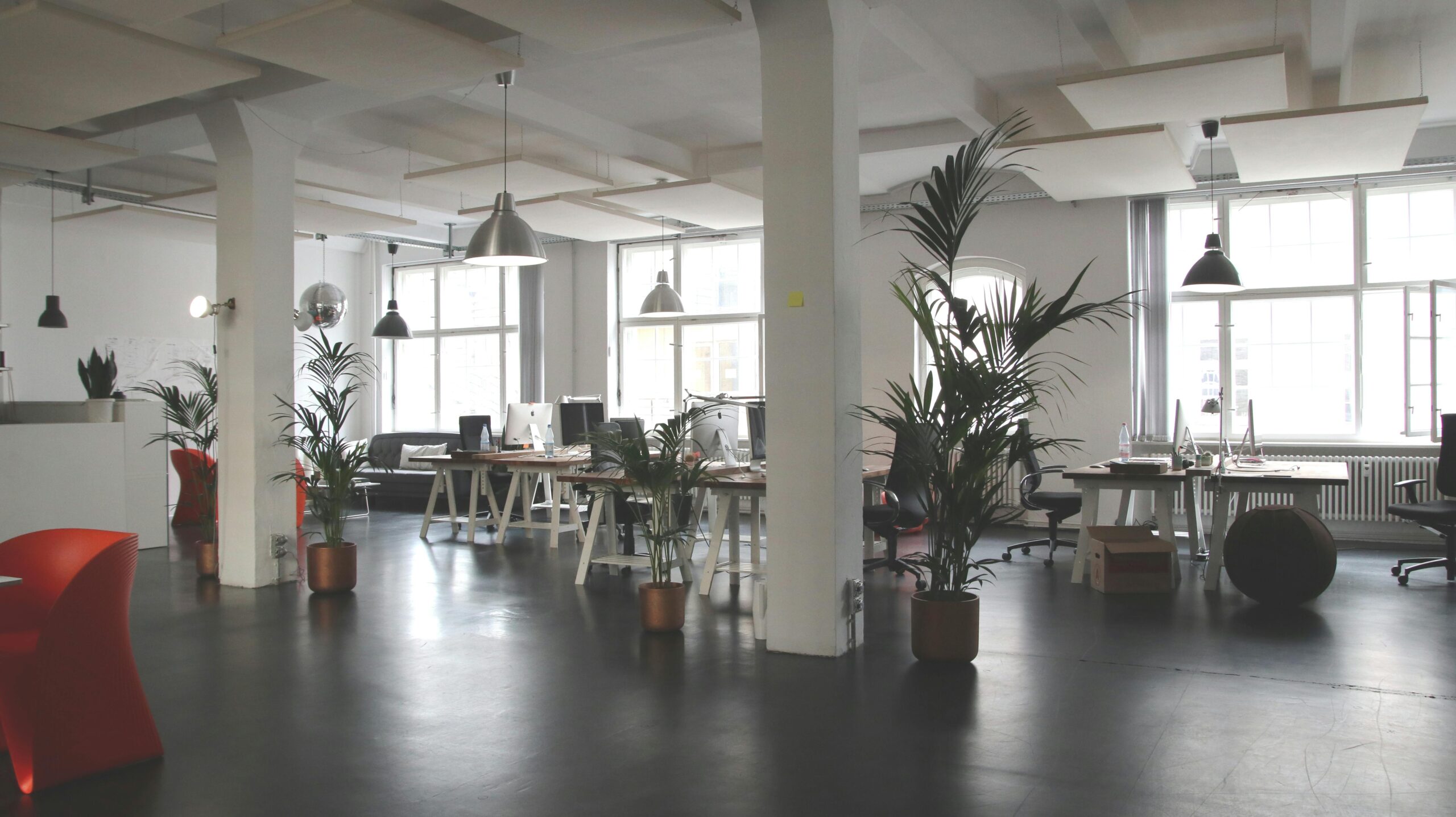
Greening the office through biophilic design represents more than aesthetic improvement—it’s a strategic response to mounting evidence that our disconnection from nature harms individual and organizational health. By thoughtfully incorporating natural elements, patterns, and processes into workspaces, companies create environments where employees thrive rather than merely survive.
The implementation journey need not be overwhelming or prohibitively expensive. Starting with employee engagement, conducting environmental assessments, piloting targeted interventions, and iterating based on feedback creates sustainable transformation that builds momentum over time.
As the corporate wellness movement continues evolving, biophilic workspaces will likely transition from competitive advantage to basic expectation. Organizations embracing this shift now will reap benefits in productivity, recruitment, retention, and reputation—all while honoring the fundamental human need for connection with the natural world that shaped our species.
The question isn’t whether to green your office, but how to begin this transformation in ways appropriate for your organization’s unique context, culture, and resources. Every plant added, every wall transformed, every window unobstructed represents a step toward workplaces that support the whole human being—mind, body, and spirit. 🌿