
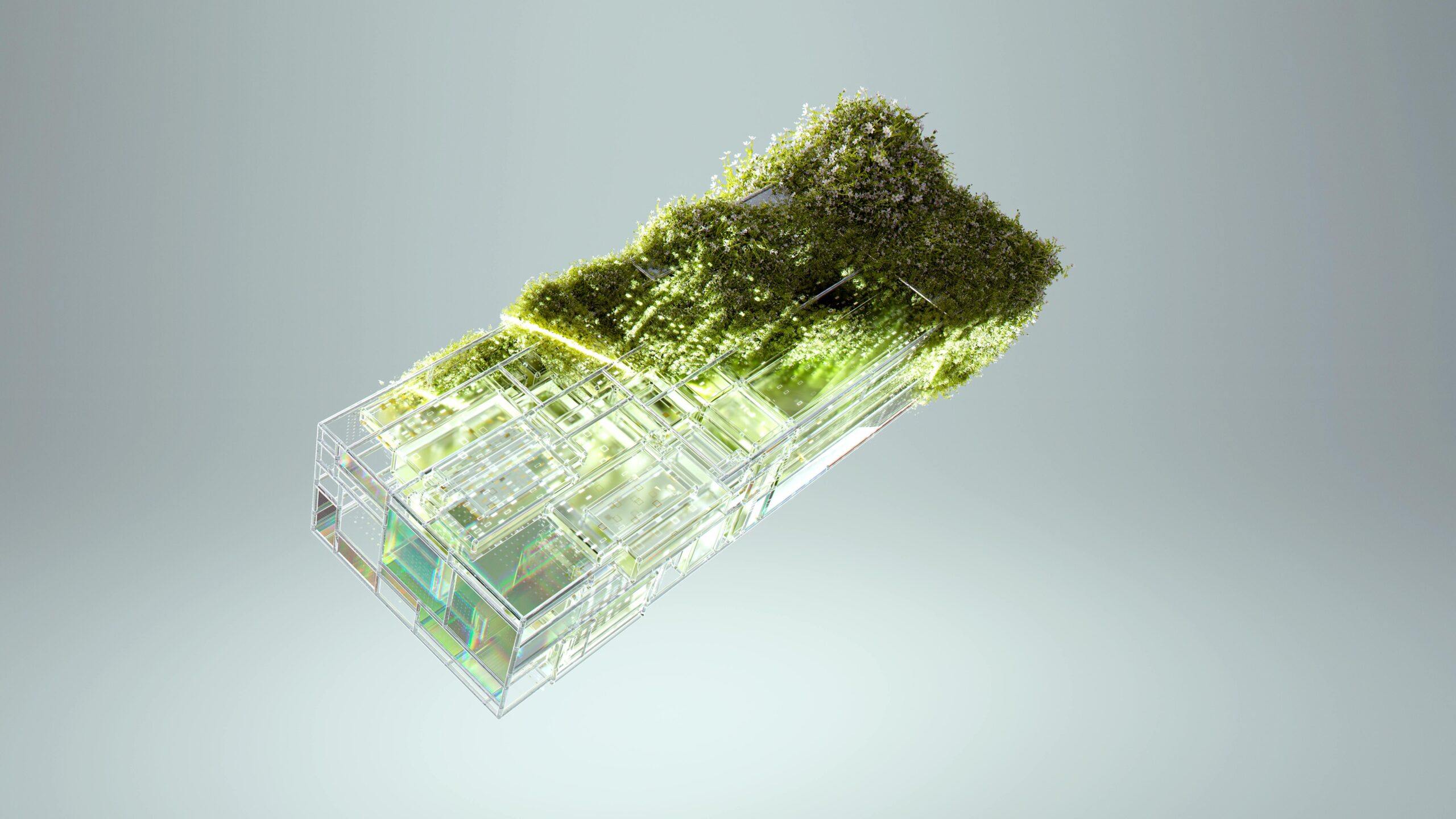
Biophilic design transforms architectural spaces by integrating natural elements, creating environments that enhance human well-being, productivity, and connection to nature through measurable performance metrics.

🌿 The Science Behind Biophilic Architecture
The relationship between humans and nature runs deeper than aesthetic preference—it’s embedded in our biology. Biophilic design acknowledges this fundamental connection by incorporating natural elements into built environments. When we measure the impact of these integrations through biophilic metrics, we unlock unprecedented insights into how spaces truly perform for their occupants.
Research consistently demonstrates that exposure to natural elements reduces stress hormones, lowers blood pressure, and improves cognitive function. These aren’t subjective feelings but quantifiable outcomes that architects and designers can now target through deliberate design choices. The emerging field of biophilic metrics provides the tools to measure, optimize, and validate these benefits in real-world applications.
Understanding biophilic metrics begins with recognizing that not all “green” spaces are created equal. A single potted plant in a corner delivers vastly different results than a living wall integrated with natural lighting patterns. Metrics help us distinguish between superficial greening and truly transformative biophilic interventions that optimize architectural performance.
Measuring Nature’s Impact: Key Biophilic Performance Indicators
Effective biophilic design requires moving beyond intuition to data-driven decision making. Several key performance indicators have emerged as critical measures for evaluating how successfully a space integrates natural elements and the resulting benefits for occupants.
Visual Connection Metrics 🔍
The percentage of occupied space with views to natural elements serves as a fundamental biophilic metric. Studies show that employees with window views of nature report 23% higher levels of well-being and 6% higher productivity scores. Measuring view quality involves calculating the proportion of workstations with unobstructed sightlines to vegetation, water features, or natural landscapes.
Architects can quantify this through view analysis software that maps sightlines from various positions within a space. The goal isn’t merely providing windows but ensuring meaningful visual engagement with nature throughout the environment. This metric directly correlates with reduced eye strain, improved circadian rhythm regulation, and enhanced mental restoration.
Daylight Autonomy and Natural Illumination
Daylight autonomy measures the percentage of occupied hours when natural light alone provides adequate illumination without artificial supplementation. High-performing biophilic spaces achieve daylight autonomy rates above 75%, significantly reducing energy consumption while supporting human biological rhythms.
This metric connects directly to circadian health, as exposure to natural light patterns helps regulate sleep-wake cycles, hormone production, and metabolic function. Architects can model daylight autonomy during the design phase using simulation tools, ensuring spaces maximize natural illumination while controlling glare and heat gain through strategic orientation and shading.
Air Quality and Biofiltration Performance
Indoor air quality represents a critical yet often overlooked biophilic metric. Living plants provide natural biofiltration, removing volatile organic compounds and improving oxygen levels. Measuring particulate matter (PM2.5), carbon dioxide concentration, and VOC levels before and after biophilic interventions demonstrates tangible health benefits.
Research indicates that incorporating sufficient plant density—approximately one plant per 100 square feet—can reduce airborne pollutants by up to 30%. Green walls and integrated planting systems offer particularly effective biofiltration when properly maintained, with measurable improvements in respiratory health and cognitive performance among occupants.
Quantifying Human Response: Biometric and Behavioral Data
The most compelling biophilic metrics measure actual human responses to naturalistic design interventions. Advanced monitoring technologies now enable architects to gather real-time data on how occupants physiologically and behaviorally respond to their environments.
Stress Reduction and Physiological Markers
Cortisol levels, heart rate variability, and blood pressure provide objective measures of stress reduction in biophilic environments. Studies using these biomarkers consistently show that spaces incorporating natural elements produce measurable stress reduction within minutes of exposure. Office environments with living walls demonstrate 37% lower stress indicators compared to conventional spaces.
These metrics prove particularly valuable in healthcare settings, where biophilic design interventions correlate with reduced patient recovery times, lower pain medication requirements, and improved clinical outcomes. Hospitals measuring these indicators report that patients in rooms with nature views require 8.5% shorter hospital stays on average.
Cognitive Performance and Productivity Measurements
Attention restoration theory suggests that exposure to natural elements replenishes depleted cognitive resources. Measuring this involves standardized cognitive tests assessing memory, attention span, and problem-solving capabilities. Workspaces scoring high on biophilic metrics show 15-20% improvements in cognitive performance tests.
Behavioral metrics such as collaborative interaction frequency, creative output, and task completion rates offer additional performance indicators. Organizations implementing biophilic design report measurable increases in employee engagement scores and reductions in absenteeism, with some studies showing absence rates dropping by up to 10%.
🏢 Implementing Biophilic Metrics in Architectural Practice
Translating biophilic theory into measurable architectural performance requires systematic integration throughout the design process. Forward-thinking firms now embed biophilic metrics from initial concept development through post-occupancy evaluation, creating feedback loops that continuously improve outcomes.
Pre-Design Assessment and Goal Setting
Establishing baseline biophilic performance targets begins with site analysis and stakeholder interviews. Understanding the local ecology, climate patterns, and occupant needs informs which metrics will deliver the greatest impact. A corporate office in a dense urban environment might prioritize visual connections and air quality, while a healthcare facility emphasizes stress reduction and circadian support.
Creating a biophilic scorecard specific to each project establishes accountability and provides clear targets. This scorecard might include minimum thresholds for daylight autonomy (75%), green visibility from workstations (90%), and measurable air quality improvements (25% VOC reduction). These concrete goals transform abstract biophilic principles into actionable design requirements.
Design Development and Metric Optimization
During design development, computational tools enable architects to test various biophilic configurations against established metrics. Digital modeling reveals how different plant arrangements, window placements, and material selections impact performance indicators before construction begins.
Iterative testing might reveal that relocating a living wall by three meters increases visual connection metrics by 18%, or that adjusting window aperture sizes improves daylight autonomy from 68% to 82%. This data-driven approach ensures that biophilic elements aren’t merely decorative additions but strategic interventions optimized for measurable performance.
Technology Tools for Measuring Biophilic Performance 📊
The proliferation of environmental sensors, mobile applications, and analytical platforms has democratized biophilic measurement, making sophisticated metrics accessible beyond specialized research contexts. Architects and facility managers now deploy various technologies to monitor and optimize biophilic performance.
Environmental Monitoring Systems
Internet-connected sensors continuously track air quality, temperature, humidity, light levels, and sound—all factors influenced by biophilic design elements. These systems generate longitudinal data revealing how biophilic interventions perform across seasons and occupancy patterns. Cloud-based dashboards aggregate this information, identifying optimization opportunities and validating design hypotheses.
Smart building platforms integrate biophilic metrics with other performance indicators, demonstrating how natural ventilation strategies reduce HVAC energy consumption or how daylighting decreases artificial lighting loads. This integration proves crucial for making business cases that justify biophilic investments through quantified operational savings.
Occupant Feedback and Experience Measurement
Digital survey tools and experience sampling applications gather subjective data on occupant satisfaction, perceived connection to nature, and environmental preferences. When correlated with objective environmental data, these subjective measures reveal which biophilic elements resonate most strongly with specific populations.
Periodic pulse surveys asking simple questions—”How connected to nature do you feel in this space?” or “Rate your ability to focus today”—generate valuable time-series data. Analyzing these responses alongside environmental sensor readings identifies causal relationships between specific biophilic conditions and human outcomes.
Case Studies: Biophilic Metrics in Action 🌱
Examining real-world implementations demonstrates how biophilic metrics translate into architectural success stories. Organizations pioneering metric-driven biophilic design report transformative results across diverse building types and geographic contexts.
Corporate Headquarters Transformation
A technology company renovating its 50,000-square-foot headquarters established ambitious biophilic targets: 85% of workstations with nature views, 300% increase in plant density, and measurable improvements in employee well-being scores. Post-occupancy monitoring revealed 92% daylight autonomy, 28% reduction in reported stress levels, and 19% improvement in self-reported productivity.
The financial impact proved equally compelling. Energy costs decreased 23% annually due to reduced artificial lighting and HVAC demands. Employee retention improved significantly, with exit interview data indicating the biophilic workspace as a key factor in decisions to remain with the company. These metrics justified the initial investment within 18 months.
Healthcare Facility Healing Environments
A regional hospital implemented comprehensive biophilic design in its new patient wing, incorporating healing gardens visible from 100% of patient rooms, living walls in circulation spaces, and natural material palettes throughout. Rigorous measurement protocols tracked patient outcomes, medication usage, and satisfaction scores.
Results demonstrated 8.7% shorter average length of stay, 22% reduction in pain medication administration, and patient satisfaction scores exceeding the 95th percentile nationally. Staff areas featuring biophilic elements showed 31% lower burnout indicators and 14% improvement in job satisfaction. These metrics provided compelling evidence for expanding biophilic strategies throughout the hospital system.
Overcoming Implementation Challenges and Barriers
Despite compelling evidence, implementing biophilic metrics faces practical obstacles ranging from initial costs to maintenance requirements. Addressing these challenges requires strategic approaches that demonstrate value while managing legitimate concerns.
Budget Considerations and ROI Justification
Upfront costs for biophilic interventions often exceed conventional finishes, creating initial resistance. However, comprehensive metrics reveal that these investments generate returns through reduced energy consumption, improved productivity, lower absenteeism, and enhanced property values. Presenting decision-makers with projected ROI timelines—typically 2-4 years for well-designed interventions—transforms budget conversations.
Phased implementation strategies allow organizations to test biophilic approaches in pilot areas, measure results, and expand based on demonstrated performance. This reduces financial risk while building internal support through tangible evidence. Starting with high-impact, lower-cost interventions like strategic plant placement and daylighting optimization creates momentum for more ambitious measures.
Maintenance and Long-Term Performance
Concerns about maintaining living systems represent valid implementation barriers. Establishing maintenance protocols and incorporating horticultural expertise into facility management ensures biophilic elements sustain their performance benefits. Automated irrigation systems, plant health monitoring sensors, and contracted maintenance services address these concerns systematically.
Selecting resilient plant species appropriate for specific light conditions and usage patterns reduces maintenance demands while ensuring longevity. Educational programs teaching occupants about biophilic elements create shared stewardship, transforming maintenance from a burden into an engagement opportunity that further strengthens nature connection.
🌍 Future Directions: Advancing Biophilic Measurement
The field of biophilic metrics continues evolving rapidly as researchers develop more sophisticated measurement techniques and architects gain experience implementing nature-based design strategies. Several emerging trends promise to expand our understanding and application of biophilic principles.
Artificial Intelligence and Predictive Modeling
Machine learning algorithms analyzing vast datasets from multiple biophilic projects identify patterns invisible to human observers. These systems predict which interventions will generate optimal performance for specific building types, climates, and user populations. AI-driven design tools suggest biophilic configurations customized to project-specific goals, accelerating the design process while improving outcomes.
Predictive maintenance systems use sensor data and AI analysis to anticipate plant health issues before visible symptoms appear, ensuring consistent biophilic performance. These technologies reduce maintenance costs while maximizing the longevity of living systems integrated into architectural environments.
Expanded Metric Development
Researchers continue developing new metrics capturing previously unmeasured aspects of biophilic experience. Emerging indicators assess acoustic ecology (measuring natural soundscapes), thermal comfort influenced by passive bioclimatic strategies, and olfactory experiences from aromatic plants. These multisensory metrics acknowledge that biophilic design engages all human senses, not just vision.
Social metrics examining how biophilic spaces foster community building, collaborative behavior, and inclusive environments represent another frontier. Understanding how shared gardens, naturalistic gathering spaces, and visible ecological systems strengthen social bonds adds important dimensions to performance evaluation.
Creating Your Biophilic Measurement Strategy ✨
Organizations beginning their biophilic journey benefit from structured approaches that build measurement capabilities progressively. Starting with fundamental metrics and expanding as expertise grows ensures sustainable implementation without overwhelming teams unfamiliar with nature-based design evaluation.
Begin by selecting three to five priority metrics aligned with organizational goals—perhaps daylight autonomy, plant visibility percentages, and occupant satisfaction scores. Establish baseline measurements before interventions, implement biophilic strategies, and remeasure after sufficient adaptation time (typically 3-6 months). This creates before-and-after comparisons demonstrating impact.
Document everything meticulously. Photographs, sensor data, survey responses, and observational notes create rich case studies informing future projects. Sharing results internally builds momentum and secures resources for expanded initiatives. Publishing findings externally contributes to the growing body of evidence supporting biophilic design while positioning your organization as a thought leader.
Collaborate with academic researchers, industry organizations, and other practitioners pioneering biophilic metrics. These partnerships provide access to latest methodologies, benchmark data, and peer learning opportunities. The biophilic design community actively shares knowledge, recognizing that collective advancement benefits everyone working toward healthier, more sustainable built environments.
Transforming Spaces Through Measured Nature Connection
Biophilic metrics represent far more than technical measurements—they embody a fundamental shift in how we conceive architectural performance. By quantifying nature’s impact on human well-being, productivity, and health, these metrics validate what humans have intuitively known for millennia: we thrive when connected to the natural world.
The architectural profession stands at an inflection point where sustainability requirements, wellness priorities, and technological capabilities converge. Biophilic metrics provide the measurement framework needed to design spaces that don’t merely reduce environmental harm but actively enhance human and ecological flourishing. Every project implementing these metrics contributes data advancing our collective understanding of optimal human environments.
As climate change intensifies and urbanization accelerates, reconnecting people with nature through thoughtfully designed built environments becomes increasingly critical. Biophilic metrics ensure these connections aren’t superficial greenwashing but meaningful interventions producing measurable benefits. They transform abstract concepts into concrete design requirements, creating accountability and driving continuous improvement.
The opportunity before architects, designers, developers, and facility managers is clear: embrace biophilic metrics as essential tools for creating high-performance spaces that serve both people and planet. The measurement frameworks exist, the evidence is compelling, and the need is urgent. Greening your space through strategic, measured biophilic design isn’t a luxury or trend—it’s the foundation of optimal architectural performance for the 21st century and beyond.