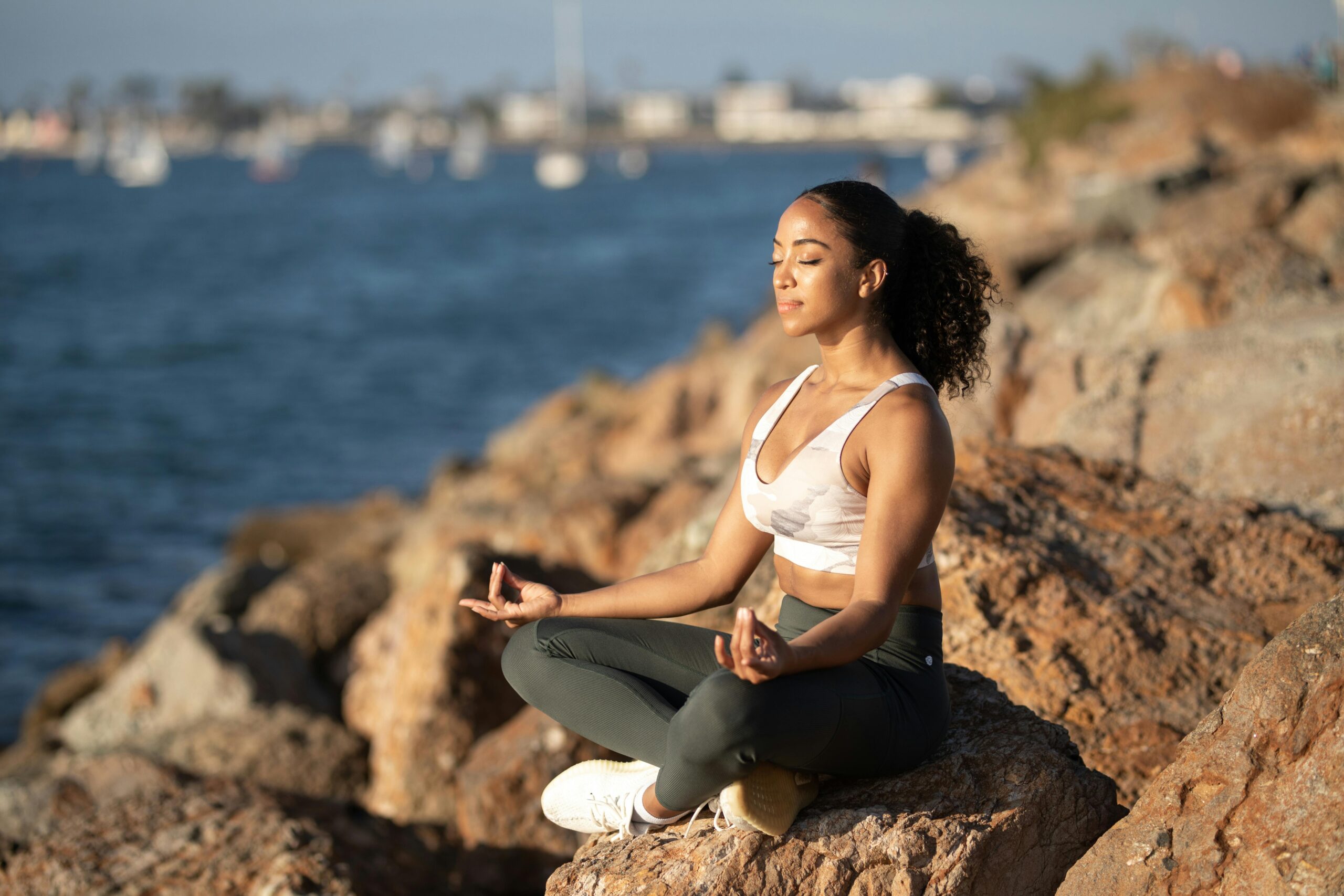
Our living environments profoundly influence mental well-being, with natural materials and lighting playing crucial roles in shaping our psychological health daily.

🌿 The Fundamental Connection Between Nature and Mental Wellness
Humans have evolved over millennia in natural environments, developing an innate connection to organic materials, natural light, and biophilic elements. This deep-rooted relationship explains why incorporating natural materials and proper lighting into our spaces significantly impacts our psychological state. Research consistently demonstrates that environments mimicking natural settings reduce stress hormones, lower blood pressure, and enhance overall emotional balance.
The concept of biophilic design recognizes this evolutionary bond, suggesting that our brains are hardwired to respond positively to natural elements. When we surround ourselves with wood, stone, natural fibers, and appropriate lighting that mimics outdoor conditions, we create spaces that resonate with our biological programming. This alignment between our environment and our evolutionary heritage forms the foundation for improved mental health outcomes.
Modern urban living often disconnects us from these natural elements, contributing to increased rates of anxiety, depression, and stress-related disorders. Understanding how to reintroduce natural materials and optimize lighting in our daily environments offers a practical pathway toward enhanced psychological wellness without requiring dramatic lifestyle changes.
💡 The Science of Natural Light and Circadian Rhythms
Natural light serves as the primary regulator of our circadian rhythms, the internal biological clock governing sleep-wake cycles, hormone production, and numerous physiological processes. When we receive adequate exposure to natural light, particularly during morning hours, our bodies produce optimal levels of serotonin—a neurotransmitter directly linked to mood stability and feelings of well-being.
The absence of sufficient natural light disrupts these delicate systems, potentially leading to seasonal affective disorder (SAD), sleep disturbances, and mood dysregulation. Studies show that workers in windowless environments experience higher levels of depression and anxiety compared to those with access to natural daylight. The quality and intensity of light exposure throughout the day directly influences melatonin production, affecting sleep quality and next-day cognitive performance.
Understanding Light Temperature and Psychological Impact
Light temperature, measured in Kelvin, significantly affects our psychological responses. Cool, blue-enriched light (5000-6500K) mimics midday sunlight, promoting alertness, focus, and productivity. This type of lighting proves beneficial in workspaces and areas requiring concentration. Conversely, warm light (2700-3000K) resembles sunset conditions, encouraging relaxation and preparing the body for rest.
Implementing dynamic lighting that shifts throughout the day—bright and cool in the morning, gradually warming toward evening—supports natural circadian patterns. This approach, called human-centric lighting, demonstrates measurable improvements in sleep quality, daytime alertness, and overall mood stability among users.
🪵 Natural Materials as Psychological Anchors
The materials surrounding us communicate on a subconscious level, influencing our stress responses and emotional states. Natural materials like wood, stone, bamboo, cork, and natural textiles create environments that feel instinctively safe and comfortable. These materials possess irregular patterns, varied textures, and organic imperfections that our brains process more easily than the stark uniformity of synthetic alternatives.
Wood, in particular, demonstrates remarkable psychological benefits. Research conducted in schools and offices incorporating wood elements shows reduced stress levels, lower heart rates, and improved cognitive performance. The visual warmth of wood grain, combined with its tactile properties, creates a sense of connection to nature even within entirely constructed spaces.
Texture and Tactile Experience in Wellness
Natural materials offer diverse tactile experiences that engage our senses beyond the visual. Running your hand across smooth stone, rough-hewn wood, or woven natural fibers provides sensory stimulation that grounds us in the present moment—a principle fundamental to mindfulness practices. This sensory engagement reduces rumination and anxiety by anchoring attention to immediate physical experience.
Synthetic materials, by contrast, often feel uniform and lifeless, providing minimal sensory feedback. The psychological difference between sitting on a natural wood chair versus a plastic one extends beyond aesthetics; it influences how grounded and connected we feel in our environment. These seemingly minor differences accumulate throughout daily life, significantly impacting overall psychological well-being.
🏡 Designing Healing Spaces with Natural Elements
Creating psychologically supportive environments requires thoughtful integration of natural materials and lighting strategies. Begin by maximizing natural light exposure, positioning workspaces and frequently used areas near windows when possible. For spaces lacking natural light, select full-spectrum bulbs that closely replicate sunlight’s spectral composition.
Incorporate natural materials strategically throughout your space. Wooden furniture, stone accents, bamboo flooring, or natural fiber rugs introduce organic elements without requiring complete renovations. Even small additions like wooden cutting boards, stone countertops, or cork bulletin boards contribute to the cumulative psychological benefits of natural material exposure.
Color Psychology and Natural Material Selection
Colors derived from nature—earth tones, forest greens, sky blues, and stone grays—promote psychological equilibrium more effectively than highly saturated or artificial colors. These hues activate the parasympathetic nervous system, reducing stress responses and encouraging relaxation. When selecting natural materials, consider their color contributions alongside texture and tactile properties.
Lighter woods like maple or birch create bright, energizing spaces appropriate for creative work areas. Darker woods such as walnut or mahogany lend gravity and focus to spaces intended for concentration or reflection. Stone materials introduce cool, grounding tones that balance warmer wood elements, creating visually harmonious environments that support psychological stability.
🌅 Seasonal Light Changes and Mental Health Strategies
Seasonal variations in daylight availability profoundly affect psychological health, particularly in higher latitudes where winter months bring significantly reduced sunlight. Understanding these patterns enables proactive strategies for maintaining mental wellness throughout the year. During darker months, intentionally increase artificial lighting intensity, particularly during morning hours, to compensate for reduced natural light exposure.
Light therapy lamps, which provide bright light at 10,000 lux, effectively treat seasonal affective disorder and support mood stability during winter months. Position these lamps to provide indirect exposure during morning routines, simulating sunrise conditions that signal wakefulness to your circadian system. Combining light therapy with natural material surroundings amplifies benefits, creating comprehensively supportive environments.
Outdoor Light Exposure Practices
No artificial lighting fully replicates the psychological benefits of outdoor natural light. Prioritize spending time outdoors, particularly during morning hours when sunlight exposure most effectively regulates circadian rhythms. Even brief outdoor periods—10 to 15 minutes—provide significant psychological benefits, reducing stress hormones and improving mood throughout the day.
For those with limited outdoor access, position seating areas directly adjacent to windows, maximizing exposure to natural daylight. Remove heavy curtains or blinds that block light, opting instead for sheer coverings that allow maximum light penetration while maintaining privacy. These simple adjustments significantly increase daily natural light exposure without requiring lifestyle disruption.
🧘 Mindful Integration: Awareness and Intentionality
The psychological benefits of natural materials and light intensify when combined with conscious awareness and intentional appreciation. Practice mindful observation of your environment, noticing how light changes throughout the day, observing the grain patterns in wood surfaces, or feeling the texture of natural materials. This practice cultivates present-moment awareness while deepening your connection to supportive environmental elements.
Create daily rituals that leverage natural light’s psychological benefits. Morning coffee near a bright window, afternoon breaks in naturally lit spaces, or evening relaxation in warm-lit environments all become wellness practices when approached with intention. These rituals provide structure while reinforcing positive associations between natural elements and psychological restoration.
🏢 Workplace Applications for Enhanced Productivity and Well-being
Professional environments significantly benefit from natural material and lighting integration. Offices incorporating biophilic design principles report increased employee satisfaction, reduced sick leave, and enhanced productivity. Employers increasingly recognize that environmental investment directly translates to workforce mental health and organizational performance.
If you lack control over workplace design, personalize your immediate workspace with natural elements. A wooden desk organizer, natural fiber desk mat, or small stone paperweight introduces organic materials into your visual field. Position your workspace to maximize natural light exposure, and if this proves impossible, invest in a quality desk lamp with adjustable color temperature to support circadian health.
Virtual Nature and Digital Alternatives
When physical access to natural materials or outdoor light remains limited, digital alternatives provide measurable psychological benefits. High-resolution nature imagery, virtual nature sounds, and circadian-supporting screen settings partially compensate for environmental limitations. While not equivalent to direct natural exposure, these digital tools demonstrate genuine efficacy in stress reduction and mood enhancement.
Numerous applications support circadian health through screen color temperature adjustment, automatically shifting displays toward warmer tones as evening approaches. This simple intervention reduces blue light exposure before sleep, supporting melatonin production and improving sleep quality—a fundamental component of psychological wellness.
🌱 Long-term Wellness Through Environmental Optimization
The cumulative effects of natural material exposure and optimized lighting compound over time, creating sustained improvements in psychological health. Unlike quick-fix solutions, environmental optimization works gradually, subtly recalibrating stress responses and emotional regulation systems. This makes the approach particularly sustainable, requiring minimal ongoing effort once implemented.
Track your psychological responses as you modify your environment. Notice changes in sleep quality, daytime energy levels, mood stability, and stress resilience. Most individuals report noticeable improvements within two to four weeks of environmental optimization, with benefits continuing to develop over months as circadian rhythms stabilize and stress responses recalibrate.
Budget-Friendly Implementation Strategies
Environmental optimization need not require substantial financial investment. Many effective strategies involve minimal cost—repositioning furniture to maximize natural light, removing light-blocking window coverings, or introducing affordable natural elements like river stones, wooden kitchen utensils displayed decoratively, or thrifted natural material items.
Prioritize changes offering maximum psychological impact relative to cost. Improving bedroom lighting to support sleep quality, for instance, yields disproportionate wellness benefits compared to investment required. Similarly, adding natural material elements to spaces where you spend most time—bedroom, primary living area, workspace—maximizes exposure and psychological benefit.
🔬 Evidence-Based Benefits Beyond Subjective Experience
Scientific research consistently validates the psychological benefits of natural materials and optimized lighting. Studies measuring cortisol levels, heart rate variability, brain activity patterns, and immune system markers demonstrate objective improvements when individuals occupy naturally designed spaces versus conventional environments.
Healthcare facilities incorporating natural light and materials report accelerated patient recovery times, reduced pain medication requirements, and improved patient satisfaction scores. Educational environments with optimized natural lighting show enhanced student performance, reduced behavioral problems, and improved attendance rates. These measurable outcomes confirm that environmental factors fundamentally influence psychological and physiological health.
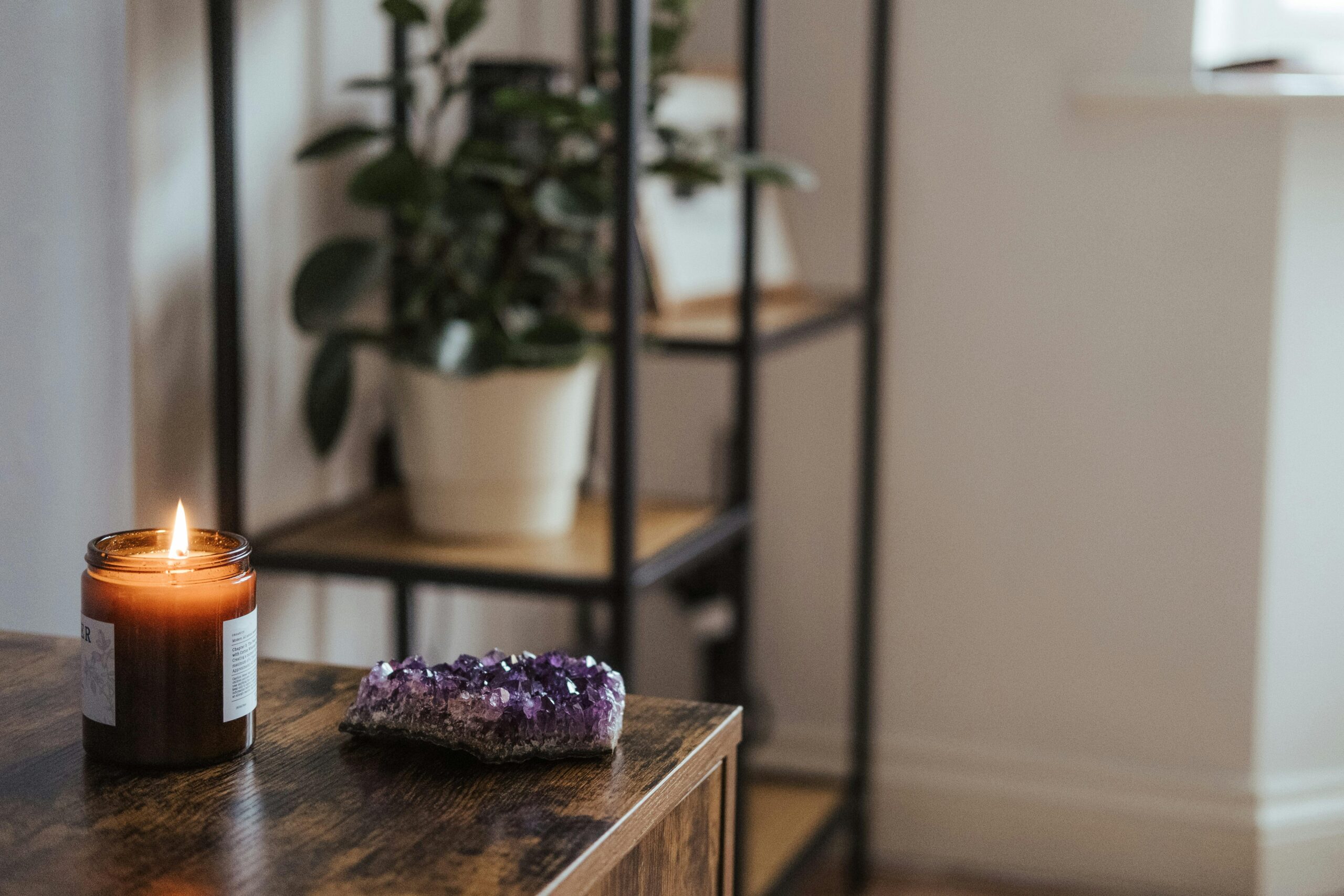
🌟 Transforming Daily Life Through Environmental Awareness
Understanding how natural materials and light influence psychological health empowers intentional environmental choices that compound into significant wellness improvements. This approach offers particular value because it requires no special skills, operates passively once implemented, and benefits everyone sharing the optimized space.
Begin with accessible changes—maximizing natural light exposure, introducing affordable natural materials, and establishing light-conscious daily routines. As you experience benefits, gradually expand implementation, creating comprehensively supportive environments aligned with your biological needs. This progressive approach prevents overwhelm while building sustainable wellness practices rooted in environmental optimization.
The relationship between environment and psychological health represents one of wellness science’s most actionable insights. By thoughtfully incorporating natural materials and optimizing light exposure, we create spaces that actively support mental health rather than passively housing our activities. This shift from environment as backdrop to environment as wellness tool offers profound potential for enhanced psychological health accessible to virtually everyone, regardless of life circumstances or geographic location.
Your environment constantly communicates with your nervous system, either supporting or undermining psychological wellness. Choosing natural materials and light-conscious design transforms passive spaces into active wellness resources, unlocking psychological health benefits through simple, evidence-based environmental optimization. The question becomes not whether to implement these strategies, but how quickly you can begin experiencing their transformative effects on your daily mental well-being.