Biophilic design is revolutionizing how we think about architecture by reconnecting us with nature through intentional design elements that enhance our well-being and productivity.

🌿 Understanding Biophilia: Our Innate Connection to Nature
The term “biophilia” was popularized by biologist Edward O. Wilson in 1984, describing humanity’s inherent tendency to seek connections with nature and other forms of life. This biological affinity isn’t merely a preference; it’s woven into our evolutionary fabric. For millennia, humans lived in direct contact with the natural world, and our physiological and psychological systems evolved in response to natural environments.
Modern architecture and urban planning, however, have increasingly distanced us from these natural connections. We spend approximately 90% of our time indoors, often in spaces dominated by artificial lighting, synthetic materials, and sealed windows. This disconnection has measurable consequences on our health, mood, and cognitive function.
Biophilic design emerged as a response to this growing divide, seeking to integrate natural elements, patterns, and processes into the built environment. It’s not simply about adding a few potted plants to a lobby; it’s a comprehensive approach that considers how every design decision can strengthen our relationship with the natural world.
The Scientific Foundation: Why Biophilic Design Works
The effectiveness of biophilic design isn’t based on aesthetics alone—it’s supported by robust scientific research demonstrating tangible benefits to human health and performance. Studies have consistently shown that exposure to natural elements, even in simulated indoor environments, triggers measurable physiological responses.
Research conducted at various universities has found that views of nature can reduce stress hormones like cortisol by up to 15% within minutes. Hospital patients with window views of natural settings have been shown to recover faster, require less pain medication, and report better overall experiences than those facing brick walls.
In workplace environments, biophilic design elements have demonstrated impressive results. A landmark study across 16 countries found that employees working in environments with natural elements reported a 15% increase in well-being, a 6% boost in productivity, and a 15% enhancement in creativity. These aren’t marginal improvements—they represent significant gains that impact both human flourishing and organizational success.
The Neurological Response to Natural Elements
Our brains respond distinctly to natural patterns and forms. Fractal patterns found in nature—the branching of trees, the spiral of shells, the meandering of rivers—have been shown to reduce stress and promote mental recovery. When we encounter these patterns indoors, our parasympathetic nervous system activates, promoting relaxation and restoration.
Natural light exposure regulates our circadian rhythms, improving sleep quality, mood stability, and hormonal balance. The dynamic quality of daylight—its changing intensity, color temperature, and direction throughout the day—provides essential biological cues that artificial lighting cannot replicate.
🏛️ Core Principles of Biophilic Design in Architecture
Implementing biophilic design requires understanding its foundational principles. Researcher Stephen Kellert identified three categories of biophilic experience: direct experience of nature, indirect experience of nature, and experience of space and place. These categories encompass 14 specific patterns that architects and designers can employ.
Direct Nature Integration
The most straightforward approach involves incorporating actual living elements into architectural spaces. Living walls, also called vertical gardens, have become increasingly popular in commercial and residential buildings. These installations don’t just provide visual interest—they improve air quality by filtering pollutants and producing oxygen, regulate humidity, and create dynamic, evolving features that change with seasons.
Interior courtyards and atriums bring outdoor environments into building cores, creating central gathering spaces bathed in natural light and populated with vegetation. The California Academy of Sciences in San Francisco exemplifies this approach with its living roof, which provides insulation, manages stormwater, and creates habitat for local species.
Water features represent another powerful direct connection. The sound of flowing water masks unwanted noise while creating a calming auditory environment. Whether through decorative fountains, reflecting pools, or aquarium installations, water elements add movement, sound, and visual interest that static design cannot achieve.
Indirect Natural Elements
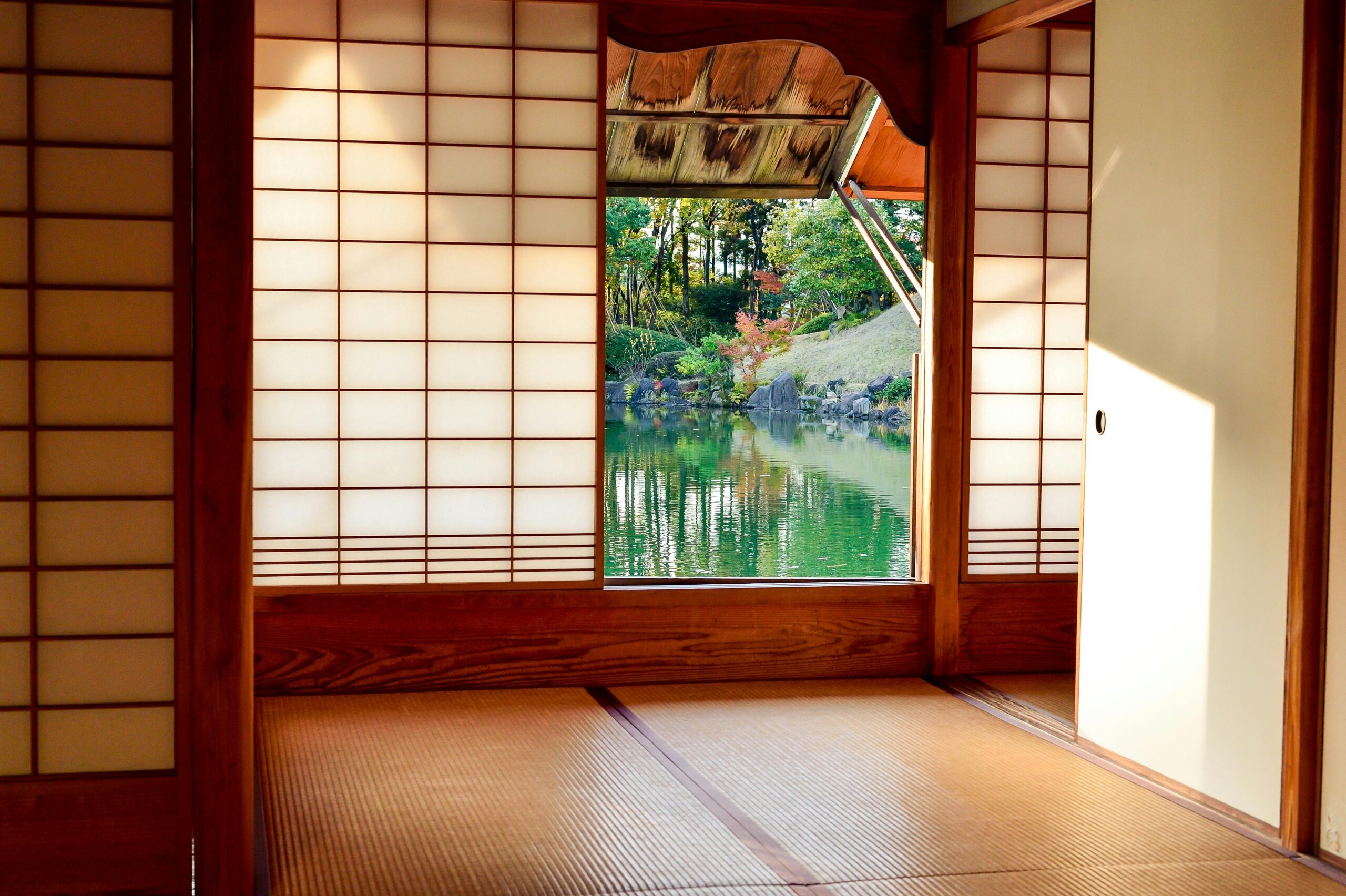
When direct nature integration isn’t feasible, indirect references can still provide biophilic benefits. Natural materials—wood, stone, bamboo, cork—carry sensory properties that synthetic alternatives cannot replicate. The visual grain of wood, the cool touch of stone, and the organic variations in natural materials engage multiple senses and create subconscious connections to nature.
Nature imagery and artistic representations serve important roles when living elements are impractical. Large-scale nature photography, botanical artwork, and nature-inspired murals can trigger similar neurological responses as viewing actual nature. Research has shown that even digital representations of nature—high-quality screens displaying forest scenes or ocean views—can reduce stress and improve focus.
Biomimicry takes inspiration from nature’s forms, patterns, and processes. The Eastgate Centre in Harare, Zimbabwe, uses passive cooling inspired by termite mounds, maintaining comfortable temperatures without conventional air conditioning. This approach not only creates visual connections to nature but also employs natural strategies for functional building performance.
Maximizing Natural Light and Ventilation 🌤️
Perhaps no element of biophilic design is more fundamental than natural light. Daylight affects every aspect of human functioning, from vitamin D production to neurotransmitter regulation. Architectural strategies for maximizing natural light include larger windows, skylights, light shelves that reflect daylight deeper into spaces, and open floor plans that allow light to penetrate throughout buildings.
The quality of light matters as much as quantity. South-facing windows in the Northern Hemisphere provide consistent natural light throughout the day, while east and west orientations create dramatic morning and evening effects. Clerestory windows—high windows that allow light to enter without compromising privacy—bring illumination to interior spaces while maintaining intimacy.
Natural ventilation complements daylighting strategies. Operable windows that allow fresh air circulation create dynamic environments that change with weather and seasons. The sensory experience of feeling breezes, hearing outdoor sounds, and smelling fresh air strengthens connections to the outdoor environment and provides health benefits that sealed buildings cannot offer.
Balancing Light with Energy Efficiency
Modern biophilic design must balance natural light access with energy performance. Smart glazing technologies, automated shading systems, and strategic building orientation allow architects to maximize daylight benefits while minimizing heat gain and energy consumption. These systems can respond to changing conditions throughout the day, providing optimal lighting while maintaining thermal comfort.
Biophilic Design Across Different Building Types
The application of biophilic principles varies depending on building function and occupant needs, but the underlying concepts remain consistent across contexts.
Residential Spaces
In homes, biophilic design creates environments that support relaxation, family connection, and personal well-being. Large windows that frame nature views, indoor plant displays, natural material selections, and connections to outdoor living spaces are fundamental strategies. Even small apartments can incorporate biophilic elements through herb gardens, natural textiles, and strategic plant placements near workspaces and relaxation areas.
Office and Workplace Environments
Commercial workplaces may benefit most dramatically from biophilic interventions. The Amazon Spheres in Seattle demonstrate an ambitious approach, creating greenhouse-like workspaces filled with thousands of plants from around the world. More modest applications include green walls in collaboration spaces, natural materials in furniture and finishes, and desk plants that give employees personal connections to nature.
Research consistently shows that biophilic offices reduce absenteeism, increase job satisfaction, and improve cognitive performance. In high-stress professional environments, these improvements translate directly to organizational outcomes and employee retention.
Healthcare Facilities
Hospitals and healthcare settings represent critical applications for biophilic design. Patient recovery times, pain management, and mental health outcomes all improve with nature exposure. Healing gardens, patient room views of nature, natural materials in waiting areas, and abundant natural light in clinical spaces all contribute to therapeutic environments that support healing processes.
The Khoo Teck Puat Hospital in Singapore integrates extensive landscaping, rooftop gardens, and open-air courtyards throughout the facility, creating an environment that feels more like a resort than a medical institution while delivering measurable improvements in patient outcomes.
Educational Institutions
Schools incorporating biophilic design elements report improved student concentration, reduced behavioral problems, and enhanced academic performance. Natural light in classrooms correlates with higher test scores and better attendance. Outdoor learning spaces, indoor plants, and views of nature from learning environments all contribute to educational success.
🌱 Practical Implementation Strategies
Translating biophilic principles into actual built environments requires practical strategies that work within budget constraints, building codes, and maintenance realities.
Starting Small: Budget-Friendly Biophilic Interventions
Not every project has the resources for elaborate living walls or extensive glazing. Fortunately, even modest interventions can provide benefits:
- Strategic plant placement in high-traffic areas and workspaces
- Natural wood accents or stone features as focal points
- Nature photography or artwork in prominent locations
- Rearranging furniture to maximize views of existing windows
- Installing bird feeders or creating wildlife habitat visible from interior spaces
- Replacing harsh artificial lighting with warmer, more natural alternatives
- Adding water features like desktop fountains or wall-mounted installations
Material Selection and Sourcing
Choosing materials with authentic natural characteristics enhances biophilic effects while supporting sustainability goals. Reclaimed wood, locally-sourced stone, natural fiber textiles, and finishes that reveal rather than conceal natural material properties all strengthen nature connections. Avoiding synthetic imitations preserves the sensory qualities that make natural materials effective.
Maintenance Considerations
Living elements require ongoing care, which must be factored into design decisions. Selecting plant species appropriate for available light conditions and regional climate ensures success. Automated irrigation systems reduce maintenance burden for living walls and large plant installations. Partnering with horticultural services for commercial installations ensures professional care that keeps biophilic elements thriving.
Overcoming Common Challenges and Misconceptions
Despite growing evidence supporting biophilic design, several misconceptions and legitimate challenges persist in its adoption.
Addressing the Cost Concern
Initial implementation costs for biophilic elements often exceed conventional design approaches. However, lifecycle cost analyses typically demonstrate net savings through reduced energy consumption, lower employee turnover, decreased absenteeism, and improved productivity. Healthcare facilities see reduced patient stays and medication costs. Educational institutions experience better academic outcomes.
Moreover, many biophilic strategies—maximizing natural light, natural ventilation, and strategic material selection—align with energy efficiency goals and may qualify for green building incentives and certifications.
Managing Indoor Plant Challenges
Concerns about plant maintenance, allergies, and pest issues are common but manageable. Selecting appropriate species, providing adequate light and water systems, and regular professional maintenance prevent most problems. For individuals with plant allergies, non-living biophilic elements—natural materials, nature imagery, water features, and natural light—provide alternatives.
🏗️ The Future of Biophilic Architecture
Biophilic design continues evolving as technology advances and our understanding of human-nature connections deepens. Several emerging trends promise to expand its application and effectiveness.
Technology Integration
Digital technologies are creating new possibilities for biophilic experiences. Virtual reality nature experiences, dynamic digital windows displaying real-time nature scenes, and responsive environments that adjust based on occupant stress levels represent frontier applications. While these technologies cannot replace authentic nature contact, they extend biophilic principles into contexts where direct nature integration is impossible.
Urban Agriculture and Food Production
Integrating food production into buildings through rooftop farms, hydroponic systems, and vertical farming combines biophilic benefits with local food security. These installations provide nature contact while serving functional purposes, engaging building occupants in growing processes and creating dynamic seasonal changes.
Biodiversity and Habitat Creation
Progressive biophilic design increasingly considers wildlife habitat creation. Green roofs designed for native pollinators, bird-friendly glazing treatments, and landscape selections supporting local ecosystems extend biophilic benefits beyond human occupants. This approach recognizes that authentic nature connection involves supporting broader ecological health.
Creating Your Own Biophilic Space 🪴
Whether you’re designing a new building, renovating an existing space, or simply looking to enhance your current environment, biophilic principles can guide your decisions. Begin by assessing your space’s current relationship with nature: How much natural light enters? What views are available? Where could plants thrive? What natural materials could replace synthetic finishes?
Prioritize interventions based on your circumstances and resources. In rental spaces with limited modification options, focus on movable elements like plants, natural textiles, and furniture arrangements that maximize window access. In owned properties, consider more substantial changes like window expansions, material replacements, and outdoor connections.
Remember that biophilic design is fundamentally about strengthening your relationship with nature. The most effective implementations reflect authentic connections rather than following prescriptive formulas. Choose plants you find personally appealing, select natural materials that resonate with your aesthetic, and create spaces that invite you to pause and notice natural elements throughout your day.
The Transformative Potential of Nature-Inspired Spaces
As we spend increasing amounts of time in built environments, the importance of maintaining connections to nature becomes more critical. Biophilic design offers a pathway to creating spaces that support human health, enhance performance, and foster well-being while potentially reducing environmental impacts through improved building performance and strengthened conservation values.
The evidence supporting biophilic design continues accumulating across disciplines—from neuroscience laboratories measuring stress responses to corporate offices tracking productivity metrics. These diverse research streams converge on a consistent finding: humans flourish in environments that maintain connections to the natural world.
Implementing biophilic principles doesn’t require dramatic gestures or unlimited budgets. Small, thoughtful interventions can create meaningful impacts. A strategically placed plant, a window with an unobstructed view, a wooden table replacing a plastic one—these modest changes accumulate into environments that feel fundamentally different from conventional indoor spaces.
As architects, designers, and building occupants increasingly recognize the power of biophilic design, we’re witnessing a quiet revolution in how we conceive of built environments. Rather than seeing buildings as barriers protecting us from nature, we’re learning to create structures that serve as bridges, connecting us more deeply to the natural world even as we go about our indoor lives. This shift represents more than an aesthetic trend—it’s a fundamental reimagining of architecture’s relationship with human well-being and the living world that sustains us all.