Urban green infrastructure is transforming cities worldwide, reconnecting residents with nature and creating healthier, more sustainable environments for everyone to enjoy.

🌿 Reconnecting Cities with Nature’s Wisdom
The concrete jungles we call home are undergoing a profound transformation. As urban populations swell and environmental challenges intensify, cities are rediscovering an ancient truth: humans thrive when surrounded by nature. This realization has sparked a global movement toward urban biophilia—the integration of natural elements into city design and everyday living spaces.
Biophilia, a term popularized by biologist E.O. Wilson, describes humanity’s innate tendency to seek connections with nature and other forms of life. In urban contexts, this translates into deliberate efforts to weave green elements throughout the built environment, from rooftop gardens to vertical forests, from pocket parks to bioswales that manage stormwater naturally.
The results speak for themselves: improved air quality, reduced urban heat island effects, enhanced mental health, increased biodiversity, and stronger community bonds. Green infrastructure isn’t just an aesthetic choice—it’s a necessity for creating livable, resilient cities in the 21st century.
The Science Behind Urban Green Spaces
Research consistently demonstrates the tangible benefits of incorporating nature into urban environments. Studies from institutions like Harvard’s T.H. Chan School of Public Health reveal that residents living near green spaces experience lower rates of depression, anxiety, and stress-related illnesses. The presence of trees, plants, and natural elements triggers physiological responses that calm our nervous systems and improve cognitive function.
Green infrastructure also addresses critical environmental challenges. A single mature tree can absorb up to 48 pounds of carbon dioxide annually while releasing oxygen sufficient for two people. Urban forests and green roofs reduce ambient temperatures by 2-5 degrees Celsius, significantly mitigating the urban heat island effect that makes cities unbearably hot during summer months.
Water management represents another crucial benefit. Permeable surfaces, rain gardens, and bioswales absorb stormwater runoff, reducing flood risks and filtering pollutants before they reach waterways. Philadelphia’s Green City, Clean Waters program demonstrates this approach’s effectiveness, using green infrastructure to manage billions of gallons of stormwater while beautifying neighborhoods.
Measurable Health Outcomes 💚
The health implications extend beyond stress reduction. Research published in Environmental Health Perspectives found that pregnant women living near green spaces had babies with higher birth weights and reduced premature birth rates. Another study tracking 108,000 women over eight years discovered that those surrounded by vegetation experienced 12% lower mortality rates than those in less green environments.
Children particularly benefit from exposure to urban nature. Schools incorporating green playgrounds and outdoor learning spaces report improved attention spans, better academic performance, and reduced behavioral problems. The natural environment provides sensory-rich experiences essential for healthy childhood development.
Transformative Green Infrastructure Solutions
Modern cities are deploying innovative green infrastructure solutions that blend functionality with beauty. These interventions range from small-scale residential projects to ambitious citywide transformations that reimagine urban landscapes.
Living Walls and Vertical Gardens 🏙️
When horizontal space is limited, cities are going vertical. Living walls—structures covered with vegetation—are appearing on building exteriors worldwide. Patrick Blanc’s pioneering vertical gardens adorn structures from Paris to Sydney, demonstrating how walls can become thriving ecosystems.
These installations provide insulation, reducing heating and cooling costs by up to 30%. They absorb sound pollution, filter airborne particles, and create habitat for urban wildlife. Shopping centers, office buildings, and residential complexes increasingly incorporate living walls as signature design features that deliver environmental benefits.
Green Roofs: The Sky Gardens Revolution
Rooftop transformation represents one of urban biophilia’s most promising frontiers. Green roofs convert unused spaces into productive gardens, recreation areas, and wildlife habitats. Copenhagen leads this movement, with municipal policies requiring green roofs on all new buildings with roof slopes less than 30 degrees.
Beyond their beauty, green roofs extend roof lifespan by protecting waterproofing membranes from UV radiation and temperature extremes. They create opportunities for urban agriculture, community gathering spaces, and even commercial rooftop restaurants that source ingredients from on-site gardens.
Urban Forests and Tree Canopy Expansion 🌳
Strategic tree planting initiatives are reshaping city microclimates. Melbourne’s Urban Forest Strategy aims to increase tree canopy coverage from 22% to 40% by 2040, planting thousands of trees selected for climate resilience. These efforts prioritize underserved neighborhoods that historically lacked green infrastructure investment.
Cities are also embracing “tiny forests”—dense native plantings using the Miyawaki method that creates biodiverse forest ecosystems in spaces as small as tennis courts. These accelerated-growth forests mature in 20-30 years rather than centuries, quickly delivering ecosystem services.
Community-Centered Green Spaces
The most successful green infrastructure projects prioritize community involvement and accessibility. When residents participate in planning and maintenance, green spaces become beloved community assets rather than top-down impositions.
Pocket Parks and Parklets
Not every city can create vast parks, but small interventions make significant impacts. Pocket parks transform vacant lots and underutilized spaces into neighborhood gathering places. New York’s Paley Park, though only 4,200 square feet, attracts thousands of visitors who seek its peaceful waterfall and lush vegetation amid Midtown Manhattan’s intensity.
Parklets—sidewalk extensions that convert parking spaces into public seating areas with plants—are democratizing street space. San Francisco pioneered this concept, inspiring hundreds of cities to reclaim pavement for people and nature.
Community Gardens: Growing More Than Food 🌱
Community gardens exemplify urban biophilia’s social dimensions. These shared spaces produce fresh vegetables while cultivating friendships, cultural exchange, and neighborhood pride. Studies show that communities with active garden programs experience reduced crime rates and stronger social cohesion.
Detroit’s urban agriculture movement transformed thousands of vacant lots into productive gardens following economic decline. Today, over 1,400 urban farms and gardens supply fresh produce to neighborhoods historically classified as food deserts, demonstrating green infrastructure’s role in addressing social equity.
Integrating Nature into Daily Urban Life
Urban biophilia extends beyond public parks into everyday environments where people live, work, and move through cities. This integration makes nature accessible regardless of proximity to traditional green spaces.
Biophilic Building Design
Architects are incorporating natural elements into building interiors through abundant natural light, indoor plants, water features, and materials that evoke nature. Amazon’s Seattle headquarters features three spherical conservatories housing 40,000 plants, creating a rainforest environment where employees work and meet.
These design choices aren’t purely aesthetic. Research from the Human Spaces report found that employees in offices with natural elements experienced 15% higher wellbeing scores and 6% higher productivity levels than those in environments lacking nature.
Green Streets and Active Transportation 🚴
Transportation infrastructure is being reimagined through a biophilic lens. Complete streets incorporate trees, planted medians, and permeable pavements alongside bike lanes and pedestrian pathways. These corridors move people efficiently while providing continuous green connections throughout cities.
Portland’s Green Streets program integrates stormwater management with streetscape beautification, using planted curb extensions to capture runoff while creating more walkable, attractive neighborhoods. The approach transforms infrastructure investment into multifunctional community assets.
Overcoming Implementation Challenges
Despite overwhelming benefits, green infrastructure implementation faces obstacles. Understanding these challenges helps cities develop effective strategies for successful integration.
Financial Considerations and Creative Funding
Initial costs often deter cities from green infrastructure investments, despite long-term savings. Innovative financing mechanisms are emerging to address this barrier. Green bonds, public-private partnerships, and stormwater utility fees that credit green infrastructure adoption help fund projects.
The economic case strengthens when considering avoided costs. Green infrastructure reduces infrastructure expenses by managing stormwater naturally rather than through expensive gray infrastructure like pipes and treatment plants. Property values increase near green spaces, expanding tax revenues.
Maintenance and Long-term Stewardship 🌿
Green infrastructure requires ongoing care. Cities are developing stewardship models involving community volunteers, local organizations, and professional maintenance crews. Philadelphia’s TreePhilly program trains and supports volunteers who plant and care for street trees, creating sustainable maintenance systems.
Native plant selection reduces maintenance demands while supporting local ecosystems. Drought-tolerant species adapted to regional conditions require less watering and intensive care, making green infrastructure more sustainable.
Technology Meets Nature: Smart Green Infrastructure
Digital tools are optimizing green infrastructure planning, implementation, and management. Geographic Information Systems (GIS) help cities identify optimal locations for tree planting based on heat island intensity, air quality concerns, and social equity considerations.
Sensor networks monitor soil moisture, plant health, and environmental conditions, enabling data-driven maintenance decisions. Copenhagen uses IoT sensors in green roofs to optimize irrigation, reducing water consumption while ensuring plant vitality.
Citizens are joining monitoring efforts through apps that report tree health issues, identify planting opportunities, and celebrate urban nature. This crowdsourced information helps municipalities respond quickly to maintenance needs while engaging residents as green infrastructure stewards.
Looking Forward: Cities as Living Ecosystems 🌍
The future of urban development lies in viewing cities as integrated ecosystems where human and natural systems coexist synergistically. This paradigm shift moves beyond adding isolated green features toward creating interconnected networks that support biodiversity while serving human needs.
Singapore exemplifies this vision with its “City in a Garden” approach. Extensive green corridors connect parks, nature reserves, and coastal areas, enabling wildlife movement throughout the island nation. Buildings incorporate mandatory green spaces, and innovative solutions like Supertrees—vertical gardens doubling as environmental engines—capture rainwater and generate solar power.
Climate resilience will drive green infrastructure expansion as cities confront extreme weather events. Nature-based solutions that absorb floodwaters, cool neighborhoods, and sequester carbon offer adaptive strategies that work with natural processes rather than against them.
Equity and Access: Green Infrastructure for All
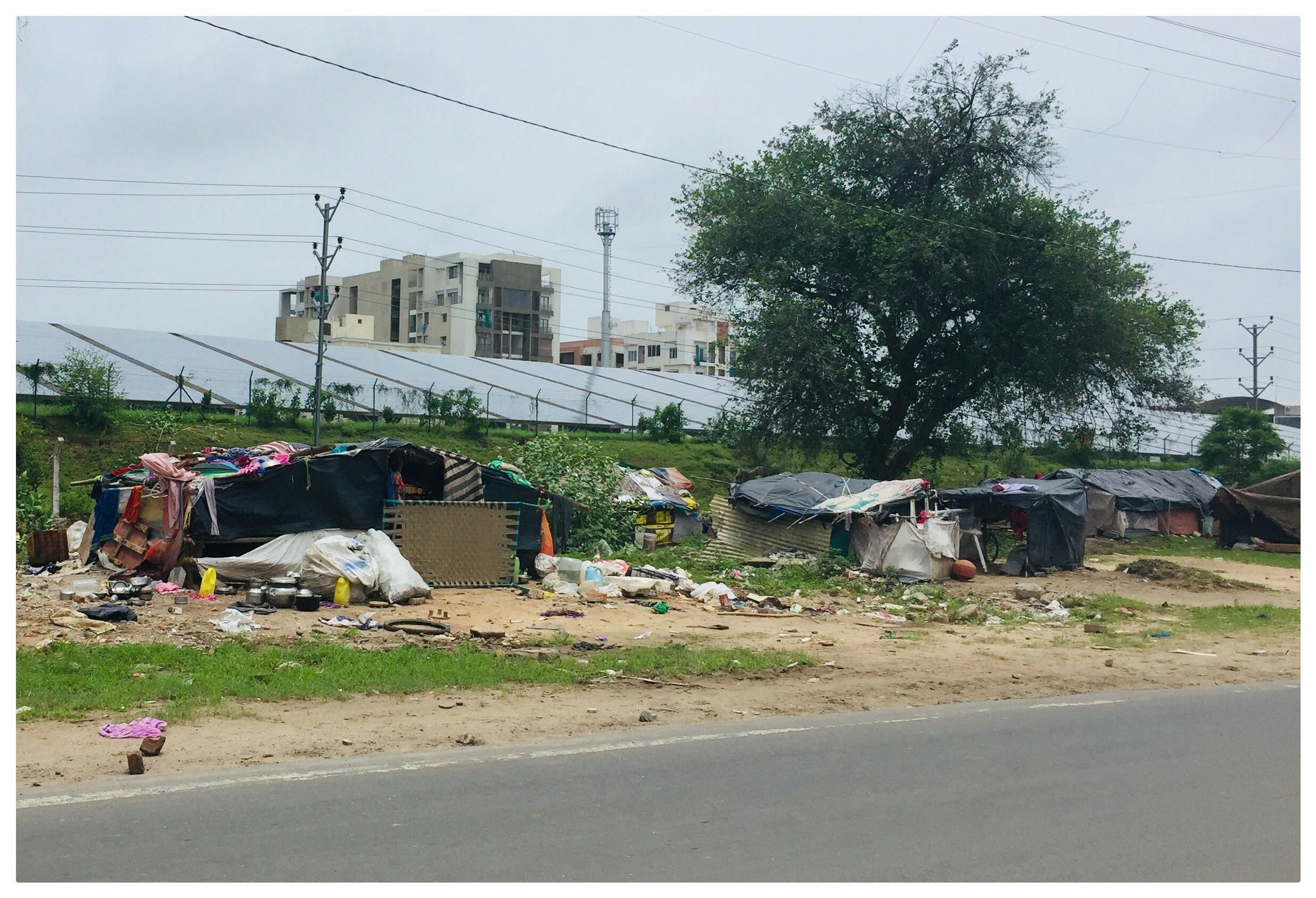
Ensuring equitable distribution of green infrastructure remains a critical priority. Historically, marginalized communities have suffered from environmental racism, with fewer trees, parks, and green amenities. Addressing this injustice requires intentional investment in underserved neighborhoods.
Anti-displacement strategies must accompany greening efforts to prevent “green gentrification,” where improvements drive up property values and displace existing residents. Community land trusts, affordable housing protections, and inclusive planning processes help ensure that all residents benefit from urban nature.
Personal Actions: Bringing Biophilia Home 🏡
Individual choices collectively transform cities. Residents can embrace urban biophilia through balcony gardens, window boxes, and indoor plants that improve home air quality and mental wellbeing. Supporting local tree-planting initiatives, participating in community gardens, and advocating for green infrastructure policies amplify individual impact.
Even small actions matter. Replacing portions of lawn with native plantings supports pollinators and reduces water consumption. Rain barrels capture roof runoff for irrigation while reducing stormwater burdens. These distributed interventions aggregate into significant environmental benefits.
Professional choices also make a difference. Architects, urban planners, developers, and policymakers can champion biophilic design principles, ensuring that new projects incorporate nature from conception rather than as afterthoughts. Building codes and zoning regulations can incentivize or require green infrastructure integration.
Cultivating Urban Resilience Through Nature
Urban biophilia represents more than aesthetic enhancement—it’s a fundamental strategy for creating resilient, equitable, and livable cities. As climate change accelerates and urbanization intensifies, integrating nature into city fabric becomes increasingly essential.
The evidence is clear: green infrastructure delivers measurable benefits for environmental health, human wellbeing, and community vitality. From reducing flood risks to improving mental health, from supporting biodiversity to strengthening social connections, urban nature performs multiple functions simultaneously.
Success requires collaboration across sectors and scales. Municipal governments, private developers, community organizations, and individual residents all play crucial roles in greening cities. By embracing biophilic principles and prioritizing nature-based solutions, we can transform urban environments into places where both people and planet thrive.
The cities of tomorrow will be greener, more livable, and more connected to the natural systems that sustain life. This transformation has already begun, with innovative projects demonstrating what’s possible when we design with nature rather than against it. By continuing this momentum and expanding access to urban nature, we create cities worthy of our highest aspirations—places that nourish body, mind, and spirit while treading lightly on Earth.
The power of green infrastructure lies not just in technical solutions but in reconnecting urban dwellers with the living world. When we embrace urban biophilia, we remember our place within nature’s web, fostering the care and stewardship essential for long-term sustainability. This journey toward greener cities is ultimately a journey toward understanding ourselves as part of nature, not separate from it—a realization that holds the key to creating truly flourishing urban futures. 🌱