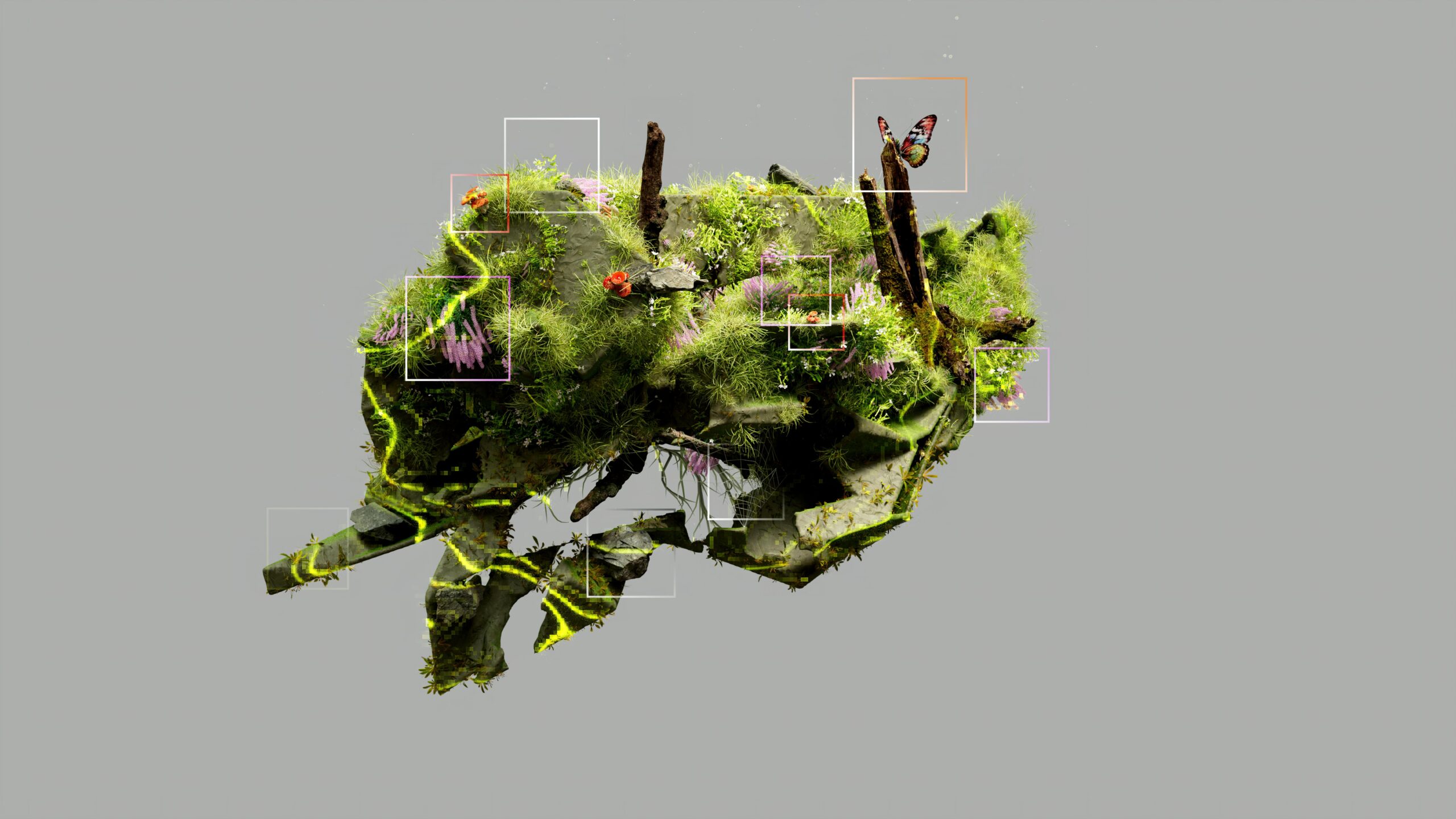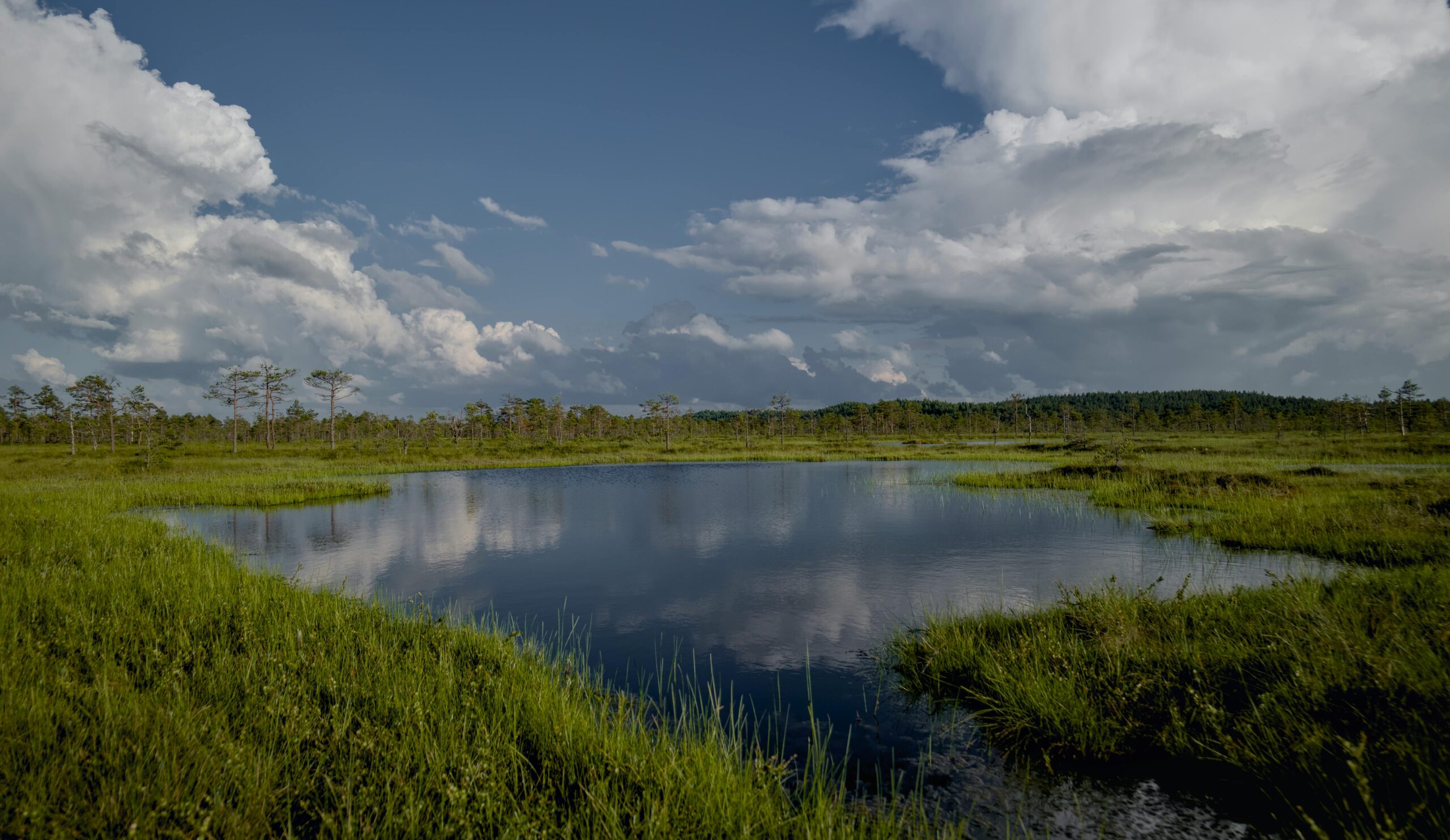
The fusion of ecological awareness and aesthetic sensibility is reshaping how we experience, design, and interact with our built and natural environments for generations to come.

🌿 Understanding the Foundation of Ecological Aesthetics
Ecological aesthetics represents far more than simply making things “look green.” It embodies a fundamental shift in how we perceive beauty, functionality, and our relationship with the natural world. This emerging field challenges traditional design paradigms by placing environmental harmony at the center of aesthetic judgment, asking us to reconsider what truly constitutes beauty in an era of climate urgency.
The concept draws from deep ecology, environmental philosophy, and indigenous wisdom traditions that have long recognized the intrinsic value of natural systems. Unlike conventional aesthetics that often prioritize human preferences detached from ecological consequences, ecological aesthetics embraces principles where visual appeal, environmental health, and sensory richness converge into a unified experience.
Contemporary designers, architects, and artists are increasingly recognizing that sustainable solutions need not sacrifice beauty for functionality. Instead, they’re discovering that genuine ecological integration often produces the most compelling aesthetic experiences—patterns inspired by nature’s efficiency, textures that celebrate raw materials, and forms that honor biological processes rather than concealing them.
🎨 Sensory Design: Engaging All Human Perceptions
Sensory design expands beyond the visual realm to embrace the full spectrum of human perception—touch, sound, smell, and even taste. This holistic approach acknowledges that our connection to environments is multidimensional, and truly sustainable spaces must nourish all our senses while respecting planetary boundaries.
Consider the acoustic environment of a green building. Natural ventilation systems create gentle air movement sounds that contrast sharply with the mechanical hum of conventional HVAC systems. Living walls not only purify air and regulate temperature but also introduce subtle fragrances and the soft rustle of leaves. These sensory elements contribute to psychological well-being while reducing environmental footprint.
Tactile Experiences in Sustainable Materials
The texture of reclaimed wood tells stories of its previous life. Cork flooring offers warmth underfoot while sequestering carbon. Hempcrete walls provide a subtly irregular surface that connects inhabitants to craft traditions and agricultural cycles. These materials engage our tactile sense in ways that synthetic alternatives cannot replicate, creating embodied experiences that reinforce ecological values through daily interaction.
Research in environmental psychology demonstrates that regular contact with natural textures reduces stress hormones, improves cognitive function, and enhances emotional regulation. Sensory design that incorporates these elements doesn’t just support sustainability—it actively contributes to human health and happiness.
🏗️ Biophilic Design Principles in Practice
Biophilic design translates our innate connection to nature into built environments through intentional aesthetic and sensory strategies. This approach goes beyond adding potted plants to lobbies, instead fundamentally rethinking how buildings can foster continuous dialogue between interior spaces and the living world.
The most successful biophilic projects incorporate both direct and indirect nature experiences. Direct experiences include living walls, interior gardens, water features, and maximized natural light. Indirect experiences manifest through natural materials, organic forms, nature-inspired patterns, and design elements that mimic natural processes like growth, adaptation, and seasonal change.
Case Studies in Green Harmony
The Bosco Verticale in Milan exemplifies vertical forest design, with over 900 trees integrated into residential towers. Residents experience changing seasons through the deciduous canopy that surrounds their homes, enjoy cleaner air filtered by the vegetation, and witness urban wildlife returning to the city center. The aesthetic impact is undeniable—these living towers have become architectural icons while demonstrating viable high-density ecological design.
In Singapore, the Gardens by the Bay project showcases how ecological aesthetics can function at the urban scale. The Supertree structures harvest solar energy while supporting vertical gardens, creating a visually stunning landscape that serves environmental functions. The sensory experience includes cooling effects from the canopy shade, ambient sounds from water features, and the play of light through vertical vegetation layers.
🌊 Water as Aesthetic and Ecological Element
Water design in sustainable projects balances aesthetic appeal with ecological function, moving away from purely decorative fountains toward systems that manage stormwater, support biodiversity, and create cooling microclimates. These functional water features engage multiple senses while addressing critical environmental challenges.
Rain gardens transform drainage infrastructure into seasonal aesthetic displays, with plant communities adapted to both flood and drought conditions. Bioswales guide water through landscapes while filtering pollutants, their meandering forms echoing natural watercourses. Constructed wetlands provide habitat for diverse species while treating wastewater through biological processes, creating contemplative spaces that reveal ecological processes rather than hiding them.
The sound of moving water has documented therapeutic effects, reducing stress and masking urban noise pollution. Designing water features that serve ecological functions while providing these sensory benefits demonstrates how sustainability and aesthetic experience can reinforce each other rather than existing in tension.
🌾 Material Honesty and Ecological Transparency
Ecological aesthetics embraces material honesty—celebrating the inherent qualities of sustainable materials rather than disguising them as conventional alternatives. This transparency extends to making environmental systems visible, allowing building inhabitants to understand and appreciate the ecological processes supporting their comfort.
Exposed structural timber demonstrates carbon sequestration in solid form. Natural fiber insulation reveals sustainable alternatives to petrochemical products. Visible rainwater collection systems educate users about water cycles and conservation. These design choices transform buildings into teaching tools that communicate ecological values through daily experience.
The Beauty of Patina and Aging
Unlike planned obsolescence that drives conventional design, ecological aesthetics values patina—the changes materials undergo through use and time. Weathered wood, oxidized copper, and worn stone tell stories of longevity and resilience. This aesthetic philosophy challenges disposable culture while celebrating durability and the beauty found in impermanence.
Japanese wabi-sabi traditions offer rich inspiration here, finding profound beauty in natural imperfection, transience, and the marks left by time and use. Applying these principles to contemporary sustainable design creates spaces that improve with age rather than requiring constant renovation to maintain appeal.
🦋 Designing for Biodiversity and Sensory Richness
Gardens and landscapes designed to support native species create dynamic sensory environments that change throughout seasons and years. Unlike static monoculture landscapes, biodiverse plantings offer constantly evolving visual interest, attract birds and beneficial insects that add movement and sound, and support complex ecological relationships visible to attentive observers.
Native plant communities adapted to local conditions require minimal irrigation and maintenance while providing maximum ecological value. Their aesthetic may challenge conventional landscape preferences shaped by water-intensive lawns and exotic ornamentals, but they offer richer sensory experiences for those who learn to observe them closely.
Creating Wildlife Corridors Through Design
Urban and suburban landscapes can function as wildlife corridors when designed with ecological connectivity in mind. Hedgerows of native shrubs, preserved tree canopies, and chemical-free management practices allow species to move through human-dominated landscapes. The resulting presence of birds, butterflies, and beneficial insects enriches the sensory experience of these spaces while supporting regional biodiversity.
Watching pollinators work through a native meadow, hearing birdsong from corridor plantings, or observing seasonal butterfly migrations creates profound connections between inhabitants and natural cycles. These experiences cultivate ecological awareness and appreciation that abstract environmental education cannot match.
💡 Lighting Design for Circadian Health and Dark Skies
Ecological lighting design considers both human circadian rhythms and the broader environmental impacts of artificial illumination. Light pollution disrupts wildlife behavior, obscures starry skies that connect us to cosmic scales, and wastes enormous amounts of energy. Thoughtful lighting creates beautiful nighttime environments while minimizing these negative effects.
Warm-spectrum lighting that doesn’t disrupt melatonin production supports healthy sleep cycles. Shielded fixtures that direct light only where needed reduce sky glow and glare. Dimmable systems that respond to natural light levels and occupancy patterns conserve energy while creating dynamic lighting environments that echo natural diurnal rhythms.
The aesthetic experience of darkness itself deserves reconsideration. Spaces designed to embrace night, with carefully controlled lighting that reveals rather than floods, create intimate atmospheres that honor our evolutionary relationship with light and dark cycles.
🎵 Acoustic Ecology and Soundscape Design
The acoustic environment profoundly affects our experience of space, yet conventional design often treats sound as an afterthought or problem to eliminate. Acoustic ecology approaches sound as a design medium, shaping soundscapes that support well-being while reducing environmental impact.
Natural ventilation systems eliminate the constant mechanical noise of forced air systems. Living walls and vegetated roofs absorb sound while providing other ecological benefits. Material choices affect acoustic character—soft natural fibers absorb sound differently than hard synthetic surfaces, creating warmer acoustic environments.
Preserving Natural Soundscapes
Beyond buildings, landscape design can protect natural soundscapes threatened by urban noise. Strategic placement of earthforms, dense vegetation buffers, and sound-absorbing materials can create quiet zones where natural sounds predominate. Hearing wind in trees, water flowing over stones, or birdsong without mechanical interference provides increasingly rare opportunities for acoustic connection to nature.
Recording and analyzing existing soundscapes before development allows designers to identify valuable acoustic features worth preserving and understand how proposed changes might affect the sonic environment. This practice treats sound as an ecological and aesthetic resource deserving protection.
🌺 Seasonal Expression and Temporal Beauty
Ecological aesthetics embraces change rather than pursuing static perfection. Landscapes designed to express seasonal transitions create living calendars that reconnect inhabitants to natural cycles. Spring blooms, summer abundance, autumn color, and winter structure each offer distinct aesthetic experiences while supporting ecological functions.
Deciduous trees provide summer cooling and winter solar gain while marking seasonal progression through their foliage changes. Perennial gardens die back gracefully, offering winter interest through seed heads that feed birds. Allowing fallen leaves to remain as mulch supports soil health while celebrating autumn’s transformation.
This seasonal aesthetic challenges the expectation of unchanging appearance that characterizes conventional landscaping. Rather than fighting natural processes to maintain constant visual uniformity, it celebrates the beauty found in natural cycles and the ecological wisdom of working with rather than against these rhythms.
🌍 Cultural Dimensions of Ecological Aesthetics
Ecological aesthetics isn’t culturally neutral—different traditions offer varied perspectives on the relationship between beauty and environmental harmony. Indigenous design traditions often demonstrate sophisticated ecological integration developed over centuries of place-based observation and adaptation.
Vernacular architecture worldwide reveals climate-responsive design strategies that create culturally distinctive aesthetics while achieving remarkable sustainability. Adobe construction in arid regions, elevated structures in tropical flood zones, and earth-sheltered buildings in cold climates all demonstrate how environmental constraints can generate unique beauty rather than limiting aesthetic expression.
Contemporary ecological design benefits from learning these traditional approaches while adapting them to current contexts and technologies. This cross-cultural exchange enriches the aesthetic vocabulary of sustainable design while honoring diverse ways of understanding human relationships with nature.
🔮 Emerging Technologies and Eco-Aesthetic Innovation
New technologies are expanding possibilities for ecological aesthetics in exciting directions. Mycelium-based materials grow into custom forms with unique textures. Algae bioreactors provide building facades that sequester carbon while creating dynamic living surfaces. Phase-change materials regulate temperature while offering visual interest through their transformation cycles.
Digital fabrication allows precise use of materials, minimizing waste while creating complex forms inspired by natural geometries. Parametric design tools can optimize buildings for solar orientation, natural ventilation, and daylighting while generating aesthetically compelling results that would be impossible to achieve through conventional methods.
These technological innovations succeed aesthetically when they enhance rather than replace fundamental ecological principles. The most compelling examples combine cutting-edge capabilities with timeless wisdom about material properties, climate response, and human sensory needs.
🌱 Cultivating Ecological Sensibility Through Design
Ultimately, ecological aesthetics and sensory design serve a deeper purpose beyond creating pleasant sustainable spaces. They cultivate ecological sensibility—an embodied understanding of our interdependence with natural systems that motivates continued environmental care.
When we experience daily beauty in sustainable systems, witness ecological processes through thoughtful design, and find sensory richness in environmentally responsible choices, we internalize values that extend beyond any single project. These experiences shape preferences, inform future decisions, and build cultural momentum toward sustainability.
The aesthetic dimension of ecological design isn’t superficial decoration—it’s fundamental to making sustainable futures desirable rather than merely necessary. By creating environments where environmental responsibility produces genuine sensory pleasure and aesthetic satisfaction, we build cultural foundations for lasting change.

🏡 Practical Steps Toward Green Harmony
Individuals can incorporate ecological aesthetics and sensory design principles into existing spaces through thoughtful modifications. Introducing native plants creates dynamic seasonal interest while supporting local biodiversity. Choosing natural materials for renovations brings tactile richness and reduced environmental impact. Opening windows to enable natural ventilation connects inhabitants to weather patterns and outdoor sounds.
Even small changes create cumulative effects. Replacing a lawn section with native meadow plants, installing a rain barrel that becomes a design feature, or choosing natural fiber textiles introduces ecological aesthetics into daily life. These modifications educate through experience, demonstrating that sustainable choices offer sensory rewards rather than requiring sacrifice.
The journey toward green harmony begins with attention—noticing how environments affect all our senses, observing natural patterns and processes, and questioning design conventions that separate us from ecological awareness. This cultivated attention transforms how we inhabit spaces and informs more sustainable choices across all aspects of life.
As we face unprecedented environmental challenges, ecological aesthetics and sensory design offer pathways toward futures that are not just survivable but genuinely flourishing. By recognizing that beauty and sustainability can enhance rather than compromise each other, we open possibilities for lives and landscapes characterized by green harmony—where human creativity and natural wisdom combine to create environments that nourish both people and planet for generations to come.