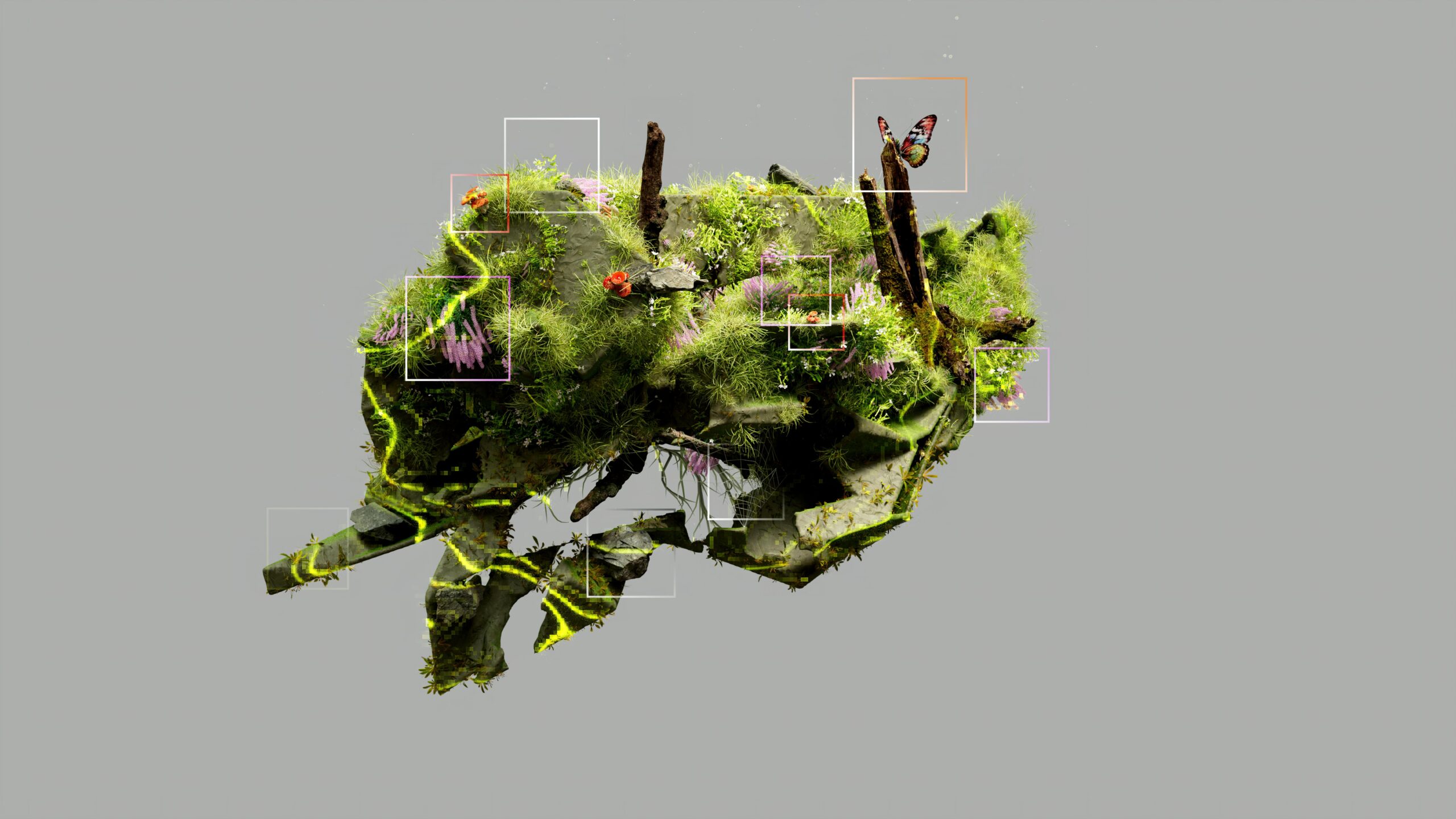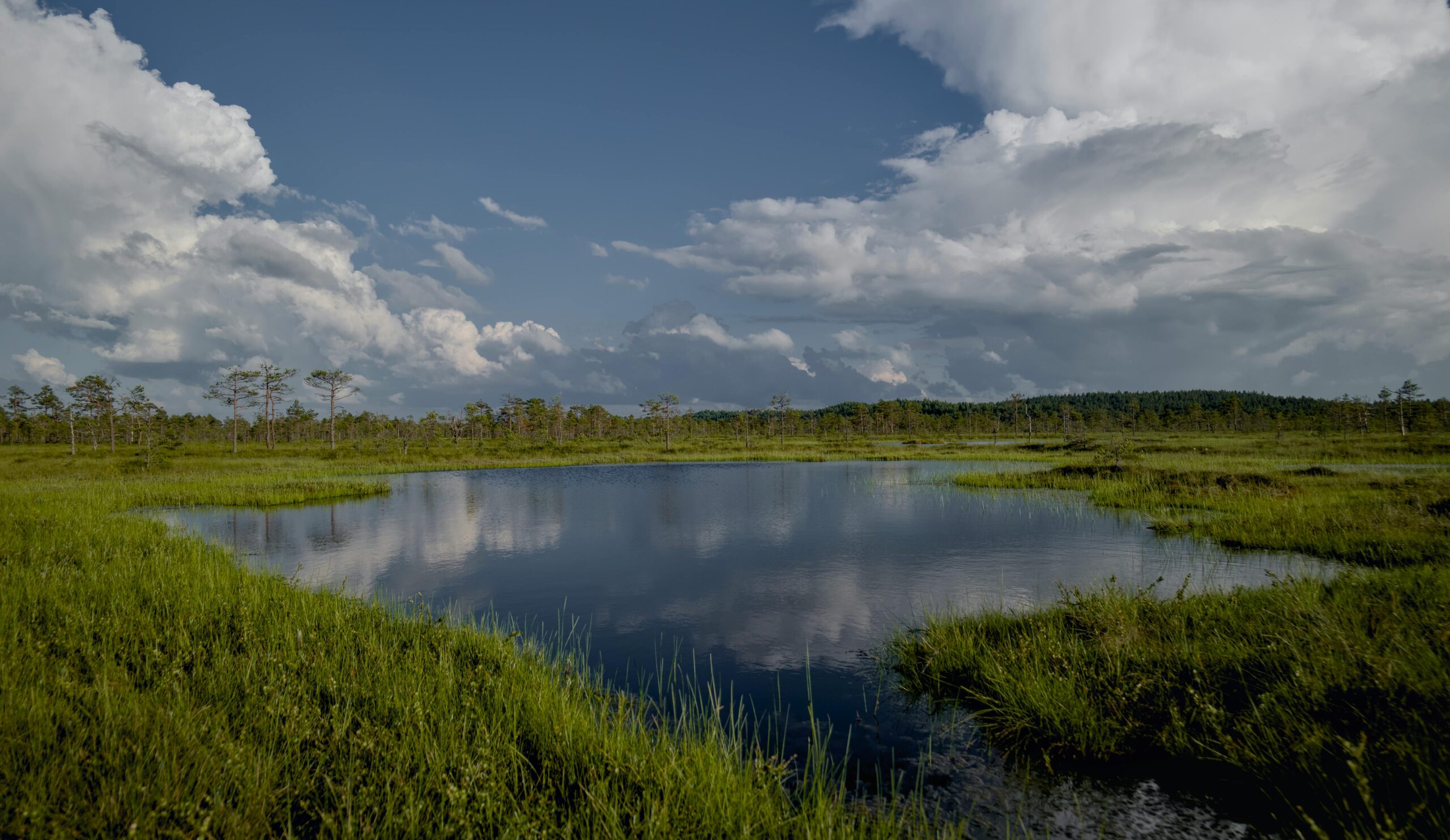
In a world overflowing with noise and constant stimulation, ecospaces emerge as sanctuaries where nature and spirituality intertwine, offering profound peace and contemplative renewal.

🌿 The Awakening: Understanding Ecospaces as Sacred Territories
Ecospaces represent far more than simple natural environments or conservation areas. They embody a revolutionary concept that bridges ecological awareness with spiritual practice, creating intentional spaces where humanity can reconnect with the divine essence present in nature. These carefully curated environments serve as modern-day temples, where the architecture is composed of living trees, flowing water, and the symphony of wildlife.
The emergence of ecospaces reflects a collective yearning for authenticity in an increasingly digitized existence. As urbanization continues to separate people from natural rhythms, these spaces function as counterbalances, offering opportunities for deep introspection and spiritual recalibration. They provide what indigenous cultures have always known: nature is not merely a resource to exploit but a teacher, healer, and gateway to higher consciousness.
What distinguishes ecospaces from conventional parks or nature reserves is their intentional design for contemplative practice. Every element—from the placement of meditation platforms to the selection of native plants—serves to facilitate inner exploration. These spaces honor both ecological integrity and spiritual accessibility, creating environments where environmental stewardship and personal transformation naturally coexist.
🧘 The Neuroscience of Nature: How Ecospaces Transform Consciousness
Scientific research increasingly validates what mystics and contemplatives have long proclaimed: immersion in natural environments fundamentally alters brain function and consciousness. Studies using electroencephalography (EEG) reveal that time spent in ecospaces increases alpha wave activity, associated with relaxed alertness and creative insight, while simultaneously reducing beta waves linked to anxiety and scattered thinking.
The Japanese practice of shinrin-yoku, or forest bathing, has demonstrated measurable physiological benefits including reduced cortisol levels, lowered blood pressure, and enhanced immune function. When practiced in intentionally designed ecospaces, these benefits amplify as the environment itself supports deeper engagement with present-moment awareness.
Ecospaces trigger the parasympathetic nervous system, shifting the body from stress response to restoration mode. This biological transition creates optimal conditions for meditation, prayer, and contemplative practices. The sensory richness of these environments—the rustling of leaves, dappled sunlight, earth beneath feet—anchors attention in the present while simultaneously opening consciousness to transcendent experiences.
The Attention Restoration Theory in Practice
Environmental psychologists Stephen and Rachel Kaplan developed Attention Restoration Theory, which explains how natural environments replenish cognitive resources depleted by modern life’s demands. Ecospaces provide what they term “soft fascination”—gently captivating stimuli like clouds drifting or water flowing that engage attention without exhausting it.
This soft fascination allows the prefrontal cortex, responsible for executive function and willpower, to rest and recover. The result is enhanced clarity, improved decision-making, and increased capacity for spiritual insight. Regular visitors to ecospaces report heightened intuition, creative breakthroughs, and resolution of previously intractable problems.
🌍 Sacred Geometry in Natural Architecture
Ecospaces reveal the inherent sacred geometry present throughout nature—patterns that have inspired spiritual traditions across millennia. The Fibonacci sequence appears in unfurling ferns and spiraling shells, while fractals repeat at every scale from tree branches to coastline contours. Contemplating these patterns in ecospaces facilitates recognition of the mathematical elegance underlying existence.
Many ecospace designers intentionally incorporate these sacred proportions into pathways, gathering circles, and viewing platforms. The golden ratio, found abundantly in nature, creates aesthetic harmony that resonates with something deep in human consciousness. Walking a labyrinth built according to sacred geometry within an ecospace becomes a moving meditation, integrating body, mind, and spirit.
The arrangement of elements in ecospaces often mirrors traditional sacred site design—central clearings flanked by protective elements, threshold spaces marking transitions from ordinary to contemplative zones, and viewpoints oriented toward significant celestial or geographical features. This conscious design amplifies the natural spiritual potency of these environments.
🕊️ Practices That Deepen Ecospace Experience
While simply being present in an ecospace offers benefits, specific contemplative practices unlock deeper dimensions of these environments. Mindful walking transforms a simple trail into a profound spiritual exercise. By coordinating breath with footsteps and maintaining awareness of sensory input, practitioners enter moving meditation states that dissolve the boundary between self and surroundings.
Sit spot practice involves returning repeatedly to the same natural location within an ecospace, developing intimate familiarity with its rhythms, inhabitants, and seasonal transformations. This practice, drawn from indigenous tracking traditions, cultivates patience, humility, and expanded sensory awareness. Over time, practitioners report feeling recognized and welcomed by the place itself, experiencing a reciprocal relationship with the land.
Contemplative Photography and Artistic Expression
Engaging ecospaces through artistic practice adds another dimension to spiritual exploration. Contemplative photography—approaching image-making as meditation rather than documentation—sharpens perception and reveals the extraordinary within the ordinary. Sketching, poetry, and nature journaling similarly transform observation into devotion, each recorded detail becoming an act of reverence.
These creative practices slow down perception, requiring sustained attention that opens doors to deeper seeing. A single leaf examined with artistic intention reveals universe-spanning complexity. This shift from casual glancing to devoted gazing represents the essence of contemplative engagement with ecospaces.
🌙 Seasonal Rhythms and Spiritual Cycles
Ecospaces make visible the cyclical nature of existence, offering lessons in impermanence, renewal, and acceptance. Witnessing the same space through seasonal transitions provides embodied understanding of spiritual teachings found across traditions—that life contains both death and resurrection, that apparent endings precede new beginnings, that change itself is the only constant.
Spring’s explosive growth demonstrates creation’s generative abundance. Summer’s fullness teaches receptivity and ripening. Autumn’s release models letting go and graceful surrender. Winter’s dormancy reveals the productivity of rest and the vitality contained within apparent emptiness. Regular engagement with an ecospace through these transitions aligns personal spiritual practice with nature’s wisdom.
Many spiritual traditions structure their liturgical calendars around natural cycles—solstices, equinoxes, planting and harvest times. Ecospaces provide the ideal settings for marking these transitions through ceremony and contemplation, reconnecting modern practitioners with ancestral patterns of meaning-making rooted in earth’s rhythms.
💚 The Ethics of Reciprocity in Sacred Spaces
Approaching ecospaces with a contemplative mindset naturally gives rise to ethical considerations. Indigenous wisdom traditions emphasize reciprocity—the understanding that receiving gifts obligates giving in return. When ecospaces offer spiritual nourishment, healing, and insight, practitioners naturally ask: how do I give back?
This reciprocity might take practical forms like participating in restoration work, removing invasive species, or supporting conservation efforts. It might involve ceremonial offerings appropriate to one’s tradition—biodegradable gifts of gratitude placed with intention. Or it might manifest as commitment to carry lessons learned in ecospaces into daily life, allowing personal transformation to ripple outward as changed behavior.
The ethic of reciprocity transforms visitors into participants, consumers into caretakers. This shift in relationship—from extractive to reciprocal—represents a spiritual maturation with profound implications for both individual consciousness and collective environmental action.
Avoiding Spiritual Bypassing and Ecotourism Pitfalls
As ecospaces gain popularity, vigilance against spiritual bypassing becomes essential. Using nature as escape from difficult emotions or avoiding necessary psychological work represents a misuse of these spaces’ gifts. Authentic spiritual practice in ecospaces involves facing what arises—discomfort, boredom, difficult insights—rather than seeking only pleasant experiences.
Similarly, ecotourism can degrade the very qualities that make ecospaces spiritually potent. Overcrowding, inappropriate behavior, and commercialization threaten these sanctuaries. Practitioners committed to preserving ecospace integrity support sustainable access, respect capacity limits, and advocate for protections that prioritize ecological health over profit.
🌟 Creating Personal Ecospaces in Any Environment
While pristine wilderness areas offer powerful ecospace experiences, the contemplative approach can transform any natural setting—urban parks, backyard gardens, even potted plants on balconies. What matters most is not the scale or wildness of the space but the quality of attention brought to it.
A small courtyard intentionally designed with native plants, a water feature, and seating for contemplation can serve as a powerful ecospace. Even tending houseplants with mindfulness transforms routine maintenance into spiritual practice. The key lies in establishing sacred relationship with living beings, regardless of setting.
Urban practitioners might designate a particular tree in a nearby park as a sit spot, returning regularly to observe and commune. This practice demonstrates that ecospace benefits stem not from exotic locations but from committed, reverent attention. Anywhere we meet nature with presence becomes sacred ground.
🔮 The Future of Spiritual Ecology
As climate change and biodiversity loss intensify, ecospaces gain urgency beyond personal spiritual development. They become laboratories for reimagining human relationship with earth, spaces where new stories about our place in the web of life can emerge and take root in consciousness.
The integration of traditional ecological knowledge with contemporary science occurring in many ecospaces points toward regenerative futures. Indigenous land management practices like controlled burning, reciprocal harvesting, and species partnerships offer tested wisdom for restoration. When combined with modern conservation biology and practiced with spiritual intentionality, these approaches heal landscapes while transforming practitioners.
Future ecospaces may incorporate technologies that enhance rather than diminish contemplative engagement. Augmented reality might overlay information about ecological relationships or historical land use. Biofeedback devices could help practitioners recognize physiological shifts accompanying deepened states. Used mindfully, technology might support rather than obstruct spiritual connection with nature.
🌺 Transformation Through Presence
The true gift of ecospaces lies not in momentary peace or temporary stress relief, but in their capacity to fundamentally shift perception and identity. Prolonged, repeated immersion in these environments dissolves the illusion of separateness that causes so much suffering. Direct experience replaces intellectual understanding: we are not separate observers of nature but integral participants in its unfolding.
This recognition carries revolutionary implications. Environmental destruction becomes self-harm. Species extinction represents loss of family members. Climate stability transforms from political issue to spiritual imperative. The contemplative depths accessed in ecospaces generate not just personal serenity but passionate commitment to planetary healing.
As more people discover ecospaces and allow them to work their transformative magic, collective consciousness shifts. What begins as individual practice ripples outward, creating communities of practitioners who carry ecospace wisdom into workplaces, families, and civic engagement. This represents spiritual ecology’s greatest promise: that personal transformation and planetary healing are inseparable aspects of a single sacred work.
The invitation stands open. Ecospaces await with their patient, persistent offer of sanctuary, wisdom, and transformation. All that’s required is showing up with open heart and willing spirit, ready to receive teachings available nowhere else. In these spaces where earth and consciousness meet, where silence speaks volumes and stillness contains infinite movement, we discover not just serenity but our truest nature reflected back through ten thousand living mirrors. The journey inward and the journey into wildness converge, revealing they were always the same path.