Trauma can deeply affect the mind and spirit, but reconnecting with nature offers a powerful pathway to healing and renewal that transforms lives.

🌿 The Profound Connection Between Nature and Healing
For thousands of years, humans have intuitively understood that nature possesses healing properties. Our ancestors lived in harmony with natural environments, drawing strength, clarity, and peace from the world around them. In our modern era of urbanization and digital overload, we’ve become increasingly disconnected from these healing spaces, often at great cost to our mental and emotional wellbeing.
Nature-based trauma therapy represents a return to these ancient wisdom practices, now supported by contemporary neuroscience and psychological research. This therapeutic approach recognizes that our brains and bodies are hardwired to respond positively to natural environments, and that these responses can be harnessed to facilitate profound healing from traumatic experiences.
When we immerse ourselves in natural settings, our nervous systems naturally begin to regulate. The constant sensory stimulation of modern life keeps many trauma survivors in a heightened state of arousal, making it difficult to find peace. Nature provides a gentler, more varied sensory experience that allows our bodies to downregulate and return to a state of safety.
Understanding Trauma’s Impact on Mind and Spirit
Trauma fundamentally changes how we perceive ourselves and the world around us. Whether stemming from a single catastrophic event or prolonged exposure to adverse circumstances, trauma leaves lasting imprints on both our psychological landscape and our physical body. These imprints manifest as hypervigilance, emotional numbness, intrusive memories, difficulty trusting others, and a persistent sense of disconnection from life itself.
The spiritual dimension of trauma is often overlooked in conventional treatment approaches. Trauma doesn’t just affect our thoughts and emotions—it disrupts our sense of meaning, purpose, and connection to something greater than ourselves. Many trauma survivors describe feeling spiritually hollow or disconnected from the values and beliefs that once sustained them.
Traditional therapy settings, while valuable, can sometimes feel sterile or clinical. The four walls of an office may inadvertently recreate feelings of confinement or powerlessness that mirror traumatic experiences. Nature-based approaches offer an alternative that feels expansive rather than restrictive, empowering rather than limiting.
🌲 Core Principles of Nature-Based Trauma Therapy
Nature-based trauma therapy integrates several therapeutic modalities within natural settings, creating a uniquely powerful healing environment. This approach isn’t simply about “taking therapy outdoors”—it’s about fundamentally recognizing nature itself as a co-therapist in the healing process.
Somatic Awareness and Grounding
Trauma often causes us to disconnect from our bodies as a protective mechanism. Nature-based therapy emphasizes somatic awareness—tuning into physical sensations in a safe, supportive environment. Walking barefoot on earth, feeling wind on skin, or listening to flowing water helps trauma survivors gradually reclaim their embodied experience.
Grounding techniques become especially powerful in natural settings. The uneven terrain of a forest path requires present-moment attention to navigate safely, naturally bringing awareness into the here and now. The diverse textures, temperatures, and surfaces found in nature provide rich opportunities for sensory grounding exercises.
Rhythm and Regulation
Natural environments operate according to inherent rhythms—the cycle of seasons, the rising and setting of the sun, the ebb and flow of tides. These predictable patterns provide a sense of order and reliability that can be deeply soothing to nervous systems disrupted by trauma.
Movement-based activities in nature, such as hiking or gardening, establish rhythmic patterns that help regulate the nervous system. The repetitive motion of walking through woods or digging in soil creates a meditative quality that calms racing thoughts and reduces anxiety.
Metaphor and Meaning-Making
Nature offers endless metaphors for the healing journey. A tree that has weathered storms yet continues to grow provides a powerful image of resilience. A caterpillar’s transformation into a butterfly mirrors the process of personal metamorphosis. These natural metaphors help trauma survivors make sense of their experiences and envision possibility beyond current pain.
Evidence-Based Benefits of Nature Therapy ✨
Research consistently demonstrates that exposure to natural environments produces measurable improvements in both physical and mental health markers. Studies have shown that time in nature reduces cortisol levels, lowers blood pressure, improves immune function, and enhances mood.
For trauma survivors specifically, nature-based interventions have demonstrated remarkable effectiveness. Research published in leading psychology journals shows that wilderness therapy programs significantly reduce symptoms of PTSD, depression, and anxiety while improving self-esteem and interpersonal relationships.
The Japanese practice of shinrin-yoku, or forest bathing, has been extensively studied and shown to reduce stress hormones, improve cardiovascular health, and enhance overall psychological wellbeing. These benefits accrue from simply being present in forest environments, without any structured activity required.
Practical Approaches to Nature-Based Rehabilitation
Nature-based trauma therapy encompasses a diverse range of practices and programs, each tailored to different needs and circumstances. Understanding these various approaches helps individuals find the path most aligned with their healing journey.
Wilderness Therapy Programs
Intensive wilderness therapy programs typically involve multi-day or multi-week expeditions into remote natural areas. Participants engage in activities like backpacking, rock climbing, and primitive camping while working with trained therapists. These immersive experiences create conditions for breakthrough insights and behavioral changes.
The challenges inherent in wilderness settings—navigating terrain, managing weather, building shelter—provide opportunities to develop competence, confidence, and resilience. Successfully meeting these challenges helps trauma survivors rewrite internal narratives of helplessness and victimhood.
Ecotherapy and Walk-and-Talk Sessions
Ecotherapy brings therapeutic conversations into parks, gardens, or other accessible natural spaces. This approach works particularly well for individuals who find traditional office settings uncomfortable or constraining. The act of walking side-by-side rather than sitting face-to-face can reduce feelings of intensity or scrutiny.
Walk-and-talk therapy capitalizes on research showing that bilateral movement (using both sides of the body rhythmically) facilitates processing of traumatic memories. The gentle bilateral stimulation of walking may activate similar neural pathways as EMDR therapy.
Horticultural Therapy
Working with plants and soil offers unique therapeutic benefits. Horticultural therapy programs engage participants in growing, nurturing, and harvesting plants. This process provides tangible evidence of growth and transformation, reinforcing hope that healing is possible.
The microorganisms in soil have been shown to have antidepressant effects, while the act of nurturing living things helps develop capacities for care and nurturance that trauma often damages. Gardens become safe spaces where trauma survivors can practice control, make choices, and witness the fruits of their efforts.
Animal-Assisted Nature Therapy
Incorporating animals into nature-based treatment adds another dimension of healing. Equine therapy, where participants work with horses in natural settings, has proven particularly effective for trauma survivors. Horses are highly attuned to emotional states and provide immediate, non-judgmental feedback that helps develop emotional awareness and regulation.
Other animals—from therapy dogs to farm animals—offer opportunities for connection, trust-building, and unconditional acceptance. For individuals whose trauma involved interpersonal betrayal, relationships with animals can provide a safe starting point for rebuilding capacity for trust and connection.
🌞 Creating Your Personal Nature-Based Healing Practice
While structured therapy programs offer valuable support, you can also incorporate nature-based healing principles into daily life. These practices complement professional treatment and help sustain recovery over time.
Establishing a Nature Routine
Consistency matters more than duration. Even ten minutes daily in a natural setting—a neighborhood park, a tree-lined street, or your own backyard—can produce cumulative benefits. Schedule this time like any important appointment, protecting it from competing demands.
Morning nature exposure has particular advantages, as natural light helps regulate circadian rhythms often disrupted by trauma. Evening time in nature can support the transition into restful sleep.
Mindful Nature Engagement
Rather than treating outdoor time as merely another item on your to-do list, practice bringing full attention to the experience. Notice specific details—the pattern of bark on a tree, the sound of leaves rustling, the sensation of air moving across your skin. This mindful engagement amplifies therapeutic benefits.
Consider keeping a nature journal where you record observations, feelings, and reflections from time outdoors. This practice enhances awareness and helps track subtle shifts in your healing journey.
Nature-Based Meditation and Breathing
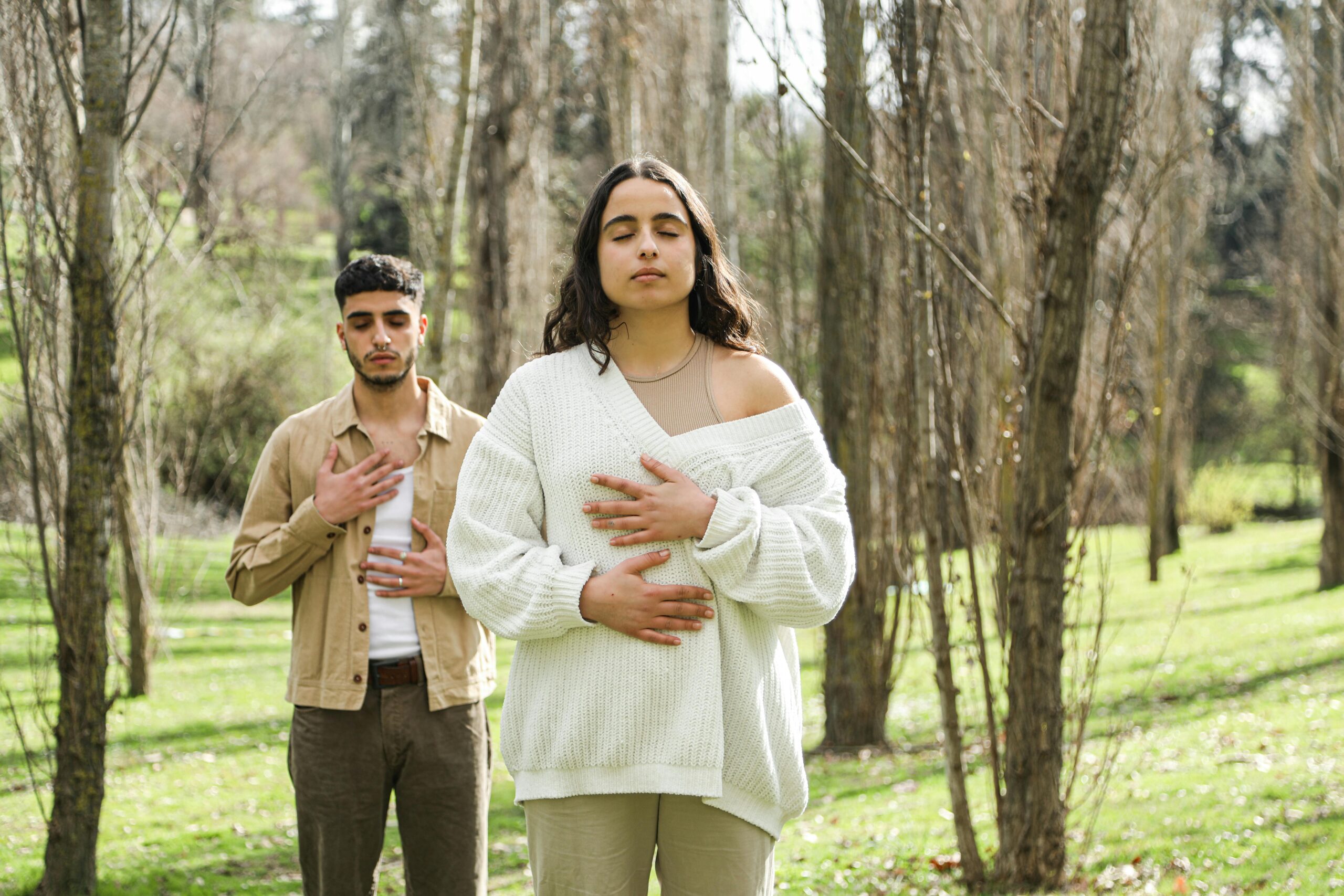
Natural settings provide ideal environments for meditation and breathwork practices. Try sitting beneath a tree and synchronizing your breathing with the movement of branches in wind. Practice breathing exercises while listening to flowing water. These combinations enhance the effectiveness of both the natural environment and the mindfulness practice.
Overcoming Barriers to Nature-Based Healing 🌱
Despite the clear benefits, various obstacles can prevent trauma survivors from accessing nature-based therapy. Understanding and addressing these barriers is essential for making this healing modality available to everyone who might benefit.
Urban Living and Access Challenges
City dwellers may believe nature-based therapy is inaccessible, but urban environments often contain more green spaces than residents realize. Community gardens, riverside paths, urban forests, and even green roofs can serve as therapeutic environments. Research shows that even viewing nature through windows or looking at photographs of natural scenes produces measurable stress reduction.
Some communities are developing “forest therapy trails” and “healing gardens” specifically designed to maximize therapeutic benefits in urban settings. Seeking out these resources can make nature-based healing more accessible.
Physical Limitations and Mobility Issues
Nature-based therapy doesn’t require hiking mountains or trekking through wilderness. Accessible gardens, gentle nature trails, and even indoor therapeutic greenhouses can provide healing experiences for individuals with physical limitations. The key is finding environments that feel safe and manageable for your current capabilities.
Safety Concerns and Trauma Triggers
For some trauma survivors, especially those whose trauma occurred outdoors, natural settings may initially feel triggering rather than healing. Working with a trauma-informed therapist who understands both trauma treatment and nature-based approaches is essential. Gradual exposure, starting with very safe and controlled natural environments, can help rebuild positive associations with outdoor spaces.
Integrating Nature Therapy with Other Treatment Approaches
Nature-based trauma therapy works most effectively when integrated with other evidence-based treatments rather than used in isolation. This integrative approach addresses trauma from multiple angles simultaneously, creating synergistic healing effects.
Cognitive-behavioral therapy techniques can be practiced during nature walks, identifying and challenging unhelpful thoughts while moving through healing environments. Mindfulness practices naturally complement time in nature. Somatic therapies gain additional power when conducted outdoors where the environment itself supports body awareness.
Medication management, when appropriate, can be enhanced by regular nature exposure that helps regulate neurotransmitter systems. Peer support groups meeting in natural settings often report deeper connection and more authentic sharing than those meeting in traditional indoor venues.
🌸 Measuring Progress and Sustaining Gains
Healing from trauma is rarely linear. Nature-based approaches honor this reality, recognizing that growth occurs in spirals rather than straight lines—much like the patterns found throughout the natural world.
Notice subtle indicators of progress: increased capacity to feel pleasure during outdoor time, greater ease in your body, improved sleep quality, enhanced ability to manage difficult emotions, growing sense of hope and possibility. These shifts may precede more obvious changes in symptoms.
Creating rituals around nature connection helps sustain healing over time. Seasonal celebrations, regular nature retreats, or outdoor practices with supportive others weave nature-based healing into the ongoing fabric of your life rather than treating it as a temporary intervention.
The Science of Why Nature Heals
Understanding the mechanisms through which nature facilitates healing can strengthen commitment to these practices. Multiple biological and psychological pathways explain nature’s therapeutic effects.
The biophilia hypothesis suggests that humans possess an innate tendency to seek connections with nature and other forms of life. This evolutionary heritage means our bodies and brains function optimally when regularly exposed to natural environments. Trauma disrupts these natural connections; nature-based therapy helps restore them.
Attention restoration theory explains that natural environments allow our directed attention systems to rest and recover. Unlike urban environments that demand constant vigilant attention, nature provides “soft fascination” that engages interest without requiring effort. This restoration of attentional resources is particularly valuable for trauma survivors whose attention systems are often exhausted.
The stress reduction theory demonstrates that viewing or being in natural settings triggers a cascade of physiological responses—reduced muscle tension, lowered blood pressure, shifted brain activity patterns—that directly counter the stress responses activated by trauma.
🌍 Community and Connection in Nature-Based Recovery
While solitary time in nature offers important benefits, group-based nature therapy provides additional healing opportunities through shared experience and connection. Many trauma survivors struggle with isolation and difficulty trusting others; nature-based group activities create conditions for rebuilding these capacities.
Conservation work, group hiking programs, community gardening projects, and outdoor adventure therapy groups offer structured opportunities to connect with others in healing environments. The shared focus on external activities rather than solely on internal processing can make interpersonal connection feel less threatening.
These group experiences also combat the shame that often accompanies trauma. Witnessing others’ struggles and triumphs normalizes your own experience and reinforces the understanding that healing is possible.
Taking the First Steps Toward Nature-Based Healing
Beginning a nature-based healing journey doesn’t require elaborate planning or special equipment. Start wherever you are with whatever natural access you currently have. Even a houseplant can serve as a starting point for rebuilding connection with the living world.
If working with a therapist, inquire about their willingness to conduct some sessions outdoors or their knowledge of nature-based trauma therapy approaches. Many therapists are open to walk-and-talk sessions even if they haven’t specifically trained in wilderness therapy.
Research programs in your area that combine therapeutic support with nature immersion. Veterans’ organizations, trauma treatment centers, and outdoor education programs increasingly offer these integrated approaches.
Most importantly, approach nature-based healing with curiosity and self-compassion. There’s no “right way” to heal in nature. Trust your own responses and honor your pace. The natural world offers its healing presence without judgment, timelines, or demands. Your only task is to show up and remain open to the possibility of renewal.
Nature has witnessed countless cycles of death and rebirth, destruction and regeneration. The same regenerative forces that allow forests to recover from fires and ecosystems to rebuild after disturbance are available to support your own healing journey. By embracing nature-based trauma therapy and rehabilitation, you align yourself with these powerful natural processes of restoration, inviting transformation of both mind and spirit. 🌿